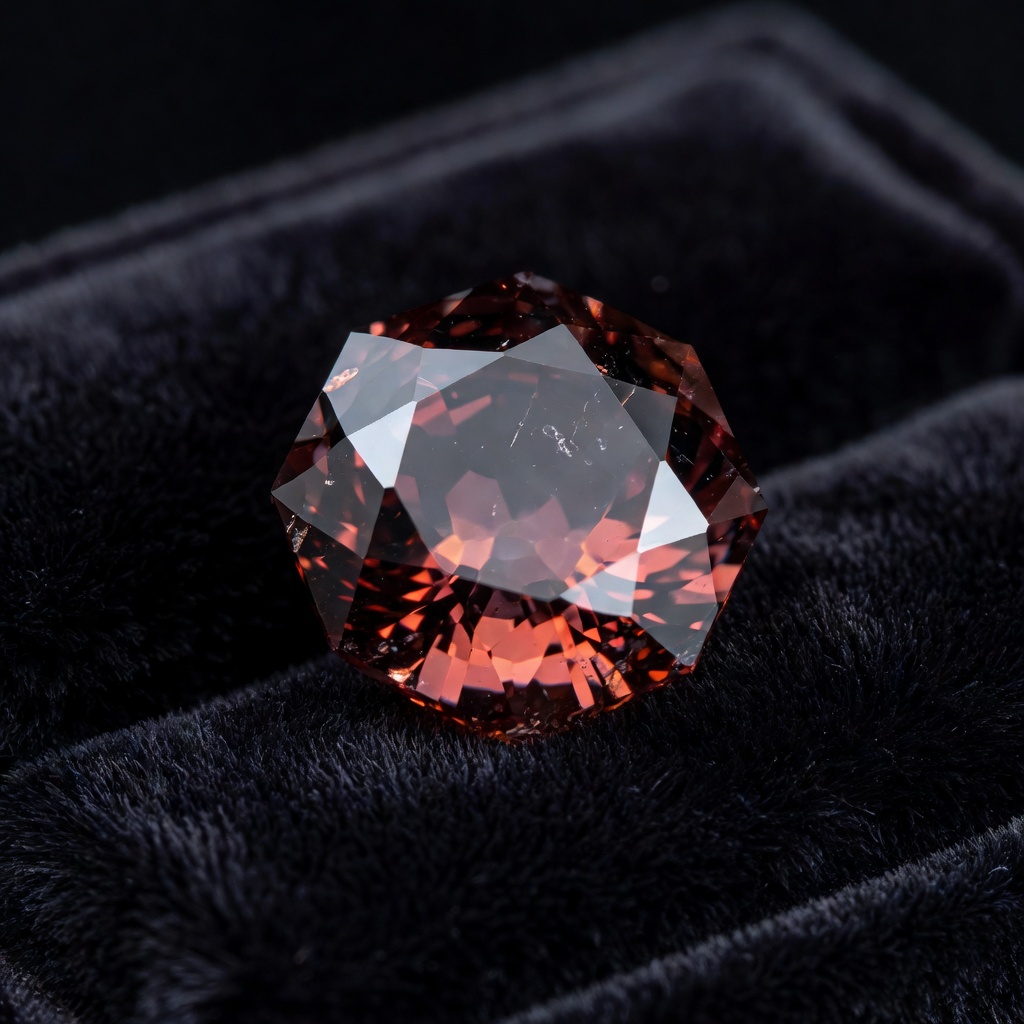
What Is Painite? Understanding the World's Rarest Gemstone
Painite represents one of the most extraordinary discoveries in modern mineralogy, defined chemically as calcium zirconium aluminum borate with the complex formula CaZrAl9O15(BO3). This rare mineral has earned official recognition from Guinness World Records as the rarest gemstone mineral on earth, a title it held for decades due to its extreme scarcity and limited geographic distribution. For collectors and gemologists seeking comprehensive painite properties and information, understanding this borate-zirconium silicate requires examining both its unique chemical architecture and its unparalleled rarity in the natural world.
The significance of painite in gemology extends beyond mere novelty; its complex formation requirements and specific geological conditions make it thousands of times rarer than diamond. When evaluating this rarest gemstone, experts consider not only its aesthetic qualities but also its scientific importance as a marker mineral for specific high-pressure, low-temperature metamorphic environments. Unlike more common precious stones that form under various conditions globally, painite's formation requires a precise combination of zirconium, boron, calcium, and aluminum in specific ratios that occur in only a handful of locations worldwide.
The Historic Discovery of Painite by Arthur C.D. Pain
The story of painite begins in 1951 within the legendary Mogok Stone Tract of Myanmar (formerly Burma), a region renowned for producing exceptional rubies, sapphires, and spinels. British gemologist Arthur C.D. Pain acquired the first known specimen from a local dealer, initially believing the dark, hexagonal crystal to be either a rare variety of ruby or possibly a dark spinel due to its color and luster. This arthur pain discovery would eventually rewrite gemological textbooks, though it took years of analysis before the mineral's true identity was confirmed as an entirely new species.
Subsequent laboratory testing at the British Museum and other institutions revealed that the myanmar painite sample contained unprecedented levels of zirconium and boron in combination with calcium and aluminum, creating a mineral formula never before documented in scientific literature. The mineral was officially named "painite" in 1957 to honor Arthur C.D. Pain's contribution to gemology, marking one of the few instances where a gemstone has been named directly after its discoverer. For over five decades following this initial discovery, only three crystals were known to exist in the entire world, cementing painite's status as the holy grail of mineral collecting.
Chemical Composition and Physical Characteristics
Understanding painite properties and information requires detailed examination of its complex chemistry as a zirconium borate silicate structure incorporating calcium and aluminum in a unique arrangement. The mineral's chemical complexity contributes to its rarity, as nature must provide specific hexavalent conditions where zirconium ions can bond with borate groups while maintaining structural stability with aluminum and calcium. This intricate atomic arrangement results in several distinctive physical properties that distinguish painite from other red and brown gemstones.
On the Mohs hardness scale, painite registers approximately 8, making it durable enough for jewelry settings though significantly softer than diamond (10) or corundum varieties like ruby and sapphire (9). This hardness level places it between topaz and corundum, requiring protective mounting when used in rings or bracelets to prevent surface abrasion. The mineral exhibits a specific gravity ranging from 3.5 to 4.0, which gemologists use as a diagnostic tool during identification, along with a refractive index of 1.70-1.80 that creates noticeable brilliance when the stone is properly faceted. These physical constants make painite mineral specimens distinguishable from look-alikes through standard gemological testing procedures.
Hexagonal Crystal Structure and Geological Formation
Painite crystallizes in the hexagonal crystal system, typically forming prismatic crystals with pyramidal terminations that showcase six-sided symmetry when viewed from above. The painite crystal structure features channels running parallel to the c-axis that accommodate the large zirconium cations, creating a framework that requires specific pressure-temperature conditions to stabilize. Under magnification, collectors often observe distinctive twinning characteristics including contact twinning and penetration twinning, features that provide valuable diagnostic markers for authentication purposes.
Geologically, painite forms under high-pressure, low-temperature metasomatic conditions within high-grade metamorphic marbles, specifically in contact zones where granite intrusions interact with carbonate-rich country rock. This formation environment explains why myanmar painite occurs exclusively in specific marble horizons within the Mogok Metamorphic Belt, where boron-rich fluids have percolated through zirconium-bearing host rocks. The mineral's association with ruby, spinel, and other high-pressure minerals provides field geologists with important paragenetic indicators when prospecting for new deposits. Recent discoveries in regions like Ohngaing and Kyauk-Pyat-That suggest that similar geological conditions may exist elsewhere in Myanmar's complex metamorphic terrain.
Color Variations and Visual Identification
The visual characteristics of painite present a fascinating study in gemological observation, with characteristic colors ranging from dark brown and reddish-brown to the highly prized orange-red and ruby-red varieties. When examining painite properties and information related to color, gemologists note that the mineral exhibits strong hexagonal pleochroism, meaning the crystal displays different colors when viewed from different crystallographic angles. This optical phenomenon results from the selective absorption of light within the hexagonal crystal lattice, typically showing brown, orange, and red hues depending on the viewing orientation.
Transparency in painite specimens varies dramatically from translucent to transparent in high-quality material, with most rough crystals appearing nearly opaque until thin sections or faceted portions reveal their internal clarity. Practical identification requires careful observation under different lighting conditions; daylight often reveals brownish undertones, while incandescent lighting may emphasize reddish components. Collectors should examine potential specimens using a dichroscope to confirm the strong pleochroism that distinguishes genuine painite from singly refractive look-alikes such as garnet or spinel, which may appear superficially similar in color but lack the optical complexity of this rarest gemstone.
Painite vs Other Rare Gemstones
When comparing painite to other ultra-rare gemstones such as red beryl, musgravite, and taaffeite, the disparity in availability becomes immediately apparent. While red beryl from Utah's Wah Wah Mountains commands prices exceeding $10,000 per carat and occurs in limited quantities, hundreds of faceted red beryl stones exist compared to the handful of painite crystals known for decades. Similarly, musgravite from Australia's Musgrave Ranges and taaffeite from Sri Lanka, though exceedingly rare, cannot match the extreme scarcity that defines painite as the definitive rarest gemstone in existence.
The distinguishing features of painite extend beyond mere rarity to include its unique hexagonal crystal habit and specific refractive indices that separate it from all other gem materials. Unlike ruby, which forms in the trigonal system, or spinel, which crystallizes isometrically, painite's hexagonal structure creates distinctive optical signatures including uniaxial negative optic character. For mineral collectors building comprehensive suites of rare gems, acquiring even a small painite crystal represents a pinnacle achievement that overshadows the acquisition of other scarce materials. The geological specificity of painite formation—requiring both zirconium and boron enrichment in marble environments—creates a combination of elements found nowhere else in the gem world.
Painite Value: Pricing the World's Rarest Gem
The painite value proposition follows unique market dynamics dictated by extreme scarcity and overwhelming collector demand. Current market valuations for painite range from $6,000 to $60,000 per carat depending on quality parameters, with exceptional specimens commanding prices at the upper end of this spectrum or exceeding it entirely at specialized auctions. Several critical factors influence these valuations, including crystal size (with specimens over one carat being extraordinarily rare), clarity characteristics, color saturation favoring red and orange hues over brown, and the quality of cutting for faceted stones.
Investment potential for painite remains robust among serious mineral collectors due to the extreme unlikelihood of large commercial deposits being discovered. Unlike diamonds or sapphires where new mines can temporarily flood markets, painite's formation requirements are so specific that significant new finds remain improbable. When evaluating painite value, collectors should consider provenance documentation, with specimens from the original Mogok locality commanding premium prices compared to more recent discoveries from secondary locations. High-end mineral auctions occasionally feature small painite crystals or rare faceted stones, providing the primary marketplace for these treasures, though prices often escalate rapidly due to competitive bidding among museums and private collectors.
Where Is Painite Found? Global Deposits and Mining
The primary source for myanmar painite remains the legendary Mogok Stone Tract in north-central Myanmar, a region that has produced exceptional gemstones for over 800 years. Within this complex geological setting, painite occurs specifically in high-grade metamorphic marbles and contact zones where granite intrusions have interacted with carbonate host rocks, creating the boron-rich, high-pressure environment necessary for painite formation. The original discovery site and subsequent finds have all occurred within this specific geological province, emphasizing the unique combination of elements required for this mineral's genesis.
Recent geological surveys and mining activities have expanded the known distribution of painite to other Burmese regions including Ohngaing and Kyauk-Pyat-That, where similar marble horizons occur within the Mogok Metamorphic Belt. However, mining for painite presents significant challenges, as the mineral occurs sporadically within alluvial deposits and primary marble formations alongside more abundant rubies and spinels. Artisanal miners often discover painite accidentally while searching for these more marketable gems, with individual crystals typically measuring only a few millimeters in size. To date, no commercial mining operations specifically target painite, and the total global production of facetable material remains measured in mere grams rather than kilograms.
Proper Care and Maintenance of Painite Specimens
Maintaining the integrity of painite specimens requires understanding specific painite properties and information related to durability and chemical sensitivity. For routine cleaning, owners should use only mild soap, lukewarm water, and a soft brush with natural bristles, gently removing accumulated dust and oils without applying excessive pressure. Ultrasonic cleaners and steam cleaning devices pose significant risks to painite, as the thermal shock and vibrational energy can exacerbate existing fractures or cleavage weaknesses within the crystal structure, potentially causing irreversible damage to these irreplaceable specimens.
Storage protocols for painite demand careful attention to prevent contact with harder gemstones that might scratch its surface. Collectors should store painite specimens in individual soft cloth bags or acid-free tissue within compartmentalized mineral cabinets, keeping them separate from diamonds, rubies, sapphires, and other materials ranking higher on the Mohs scale. When setting painite in jewelry, jewelers recommend protective bezel settings rather than exposed prong settings to minimize impact risks during wear. Additionally, owners should avoid exposure to harsh chemicals including household cleaners, acids, and bases that might etch the surface or alter the coloration of these rare crystals.
Collecting and Authentication of Painite
Authenticating genuine painite requires professional certification from recognized gemological laboratories such as the Gemological Institute of America (GIA), GemResearch Swisslab (GRS), or similar institutions equipped to analyze rare borate minerals. Due to visual similarities with dark spinel, ruby, and even garnet, laboratory testing including refractometry, specific gravity measurement, and chemical analysis remains essential for positive identification. Collectors should demand comprehensive documentation including refractive index readings, chemical composition data, and locality information when acquiring specimens with significant painite value.
The authentication process typically involves advanced techniques such as Raman spectroscopy or energy-dispersive X-ray spectroscopy (EDX) to confirm the presence of zirconium and boron in the specific ratios characteristic of painite. Future market outlook suggests that while new discoveries in Myanmar may slightly increase availability, painite will remain among the world's most exclusive collector's items due to the geological constraints on its formation. Prospective buyers should exercise extreme caution when encountering purported painite offered at suspiciously low prices, as synthetic materials or misidentified common minerals frequently appear in unregulated marketplaces. Establishing relationships with reputable dealers who specialize in rare Burmese gems provides the safest avenue for acquiring authentic specimens.
Frequently Asked Questions About Painite
What is painite and why is it considered the world's rarest gemstone?
Painite is a borate-zirconium mineral discovered in 1951 that held the Guinness World Record for rarest gemstone for decades. For over 50 years, only three crystals were known to exist, making it thousands of times rarer than diamond.
How much does painite cost per carat?
Painite typically ranges from $6,000 to $60,000 per carat depending on quality, color intensity, clarity, and cut. High-quality faceted specimens with good transparency command premium prices due to extreme scarcity.
Where can painite be found in nature?
Painite is found almost exclusively in the Mogok Stone Tract of Myanmar (Burma), specifically in high-grade metamorphic marble deposits. Recent discoveries have expanded to nearby regions in Myanmar, but it remains unknown elsewhere.
What are the physical healing properties of painite?
While painite is primarily valued as a collector's mineral, crystal healing practitioners associate it with grounding energy, stress relief, and enhancing personal strength. However, these metaphysical properties lack scientific validation.
Is painite harder than ruby or sapphire?
No, painite has a Mohs hardness of 8, while ruby and sapphire (corundum) rank 9 on the Mohs scale. However, painite's hardness of 8 still makes it durable enough for jewelry use with proper care and protective settings.
Can I buy painite jewelry or loose stones?
Painite is extremely difficult to purchase due to its rarity. Occasionally, small crystals or faceted stones appear at high-end mineral auctions, through specialized gem dealers, or at prestigious mineral shows, but expect to pay premium prices.
How can I identify genuine painite versus look-alikes like spinel?
Genuine painite exhibits distinct hexagonal crystal structure, specific refractive indices (1.70-1.80), and strong pleochroism. Laboratory testing including refractometry and chemical analysis is essential as visual identification is unreliable.
Who discovered painite and when?
British gemologist Arthur C.D. Pain discovered painite in 1951 in Myanmar. He initially acquired the first sample thinking it was ruby, but subsequent analysis revealed it as a new mineral species, which was named in his honor.