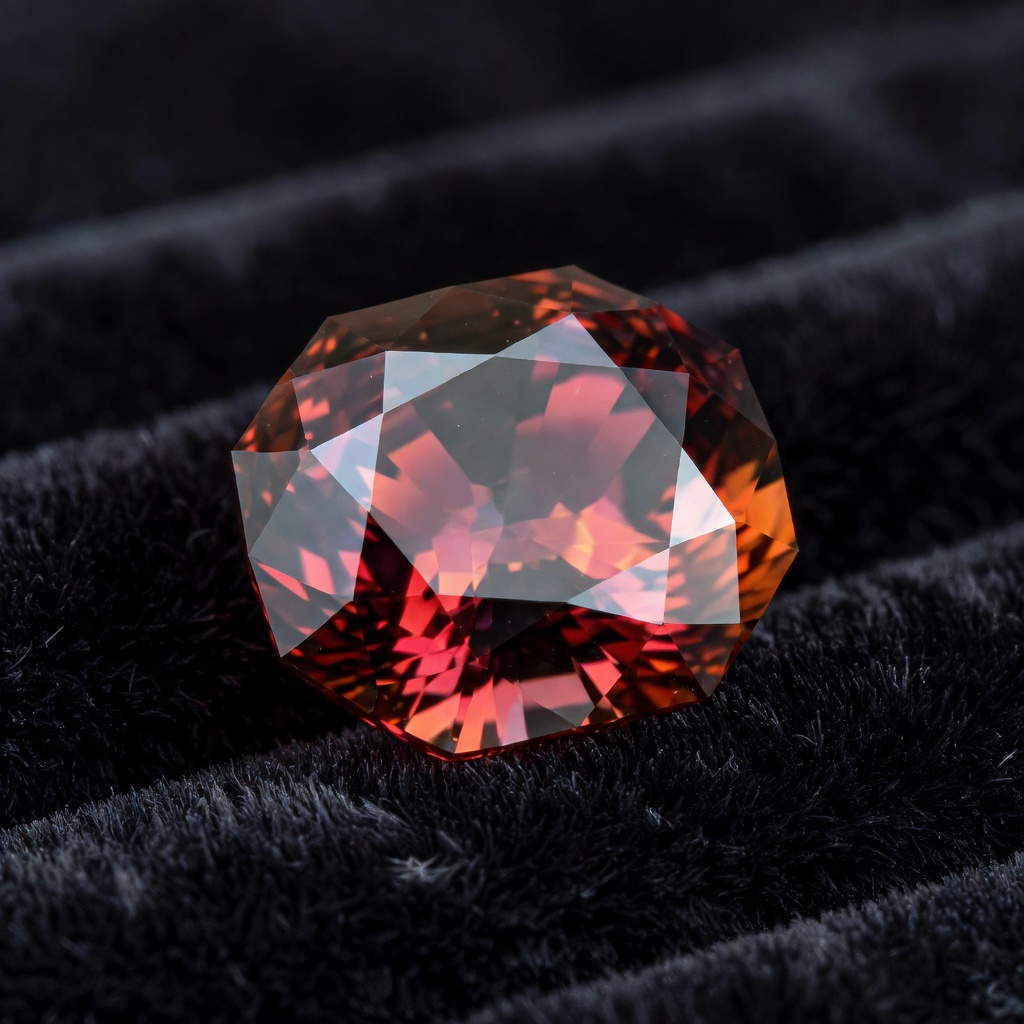
Introduction to Painite: Understanding the World's Rarest Gemstone
Painite represents the pinnacle of gemstone rarity, a calcium zirconium aluminoborate mineral that has captivated collectors and gemologists since its discovery. For decades, this extraordinary gemstone held the undisputed title of the world's rarest gemstone, with only three known crystals existing worldwide until the early 2000s. Today, while new discoveries in Myanmar have slightly increased availability, rare painite gemstones remain extraordinarily scarce, with fewer than 30 faceted specimens known to exist in collections and museums globally. This extreme scarcity creates a unique market dynamic where even small, included specimens command prices rivaling fine diamonds and rubies.
The mineral's chemical composition and hexagonal crystal structure place it among the most complex and unusual gemstones in the gemological world. Unlike diamonds or sapphires that form in specific geological conditions found across multiple continents, painite requires a unique combination of calcium, zirconium, boron, aluminum, and oxygen that occurs almost exclusively in the Mogok Stone Tract of Myanmar. Understanding what is painite requires recognizing not just its chemical makeup, but the serendipitous geological accident that created these crystals under specific pressure and temperature conditions millions of years ago. Recent reclassification of painite from "world's rarest" to ultra-rare status occurred after 2005, when additional deposits were discovered, yet this semantic shift did little to affect the stone's investment potential or collector desirability.
Historical Discovery and Myanmar Origins
The story of painite begins in the 1950s with British mineralogist Arthur C.D. Pain, who discovered the first specimen in the legendary Mogok Stone Tract of Myanmar (formerly Burma). Initially, the deep reddish-brown crystal was misidentified as ruby or spinel by local gem traders and even early gemologists, owing to its similar coloration and hexagonal crystal habit. It was not until 1957 that Pain and his colleague C.E. Claringbull formally identified the mineral as a new species, naming it in honor of its discoverer and cementing its place in gemological history. This initial discovery set the stage for decades of mystery, as the original source remained elusive and no additional specimens appeared for nearly half a century.
Myanmar painite production remains concentrated in the same region where Arthur Pain made his initial discovery, though modern mining operations face significant challenges that restrict supply. The Mogok region, often called the "Valley of Rubies," has experienced political instability, government restrictions on mining exports, and depletion of accessible surface deposits. Contemporary painite history is marked by sporadic discoveries rather than systematic mining, with most new material coming from alluvial deposits where water and erosion have concentrated heavy minerals. These extraction difficulties, combined with Myanmar's complex political landscape, ensure that new painite enters the market only rarely, typically in small parcels of rough weighing less than a few grams total.
Modern Mining Challenges and Geological Constraints
Extracting painite from Myanmar's rugged terrain requires artisanal mining techniques that are both labor-intensive and environmentally challenging. Miners must sift through tons of marble and alluvial gravel in specific zones where the geological conditions suggest painite formation, often working with basic hand tools in remote jungle locations. The rarity of new discoveries means that a single productive mining season might yield only a few crystals, many of which are too small or included to facet into gems suitable for jewelry. This supply constraint directly impacts myanmar painite prices, creating a seller's market where collectors must compete for the limited material that escapes the country's strict export regulations and reaches international markets.
Critical Factors Affecting Painite Value and Pricing
Evaluating painite value per carat requires understanding a complex interplay of color, clarity, carat weight, and cut quality that differs significantly from more common gemstones. Unlike diamonds, which follow standardized grading systems, painite valuation remains somewhat subjective, relying on the expertise of specialized gemologists familiar with this ultra-rare material. The most significant value determinant remains size, as the extreme scarcity of crystals over one carat creates exponential price increases that dwarf the typical per-carat premiums seen in sapphires or emeralds. Collectors should approach painite grading with the understanding that even stones with visible inclusions command substantial premiums due to the mineral's fundamental rarity.
Color Grading and Hue Saturation
The color spectrum of painite ranges from pale brown and yellowish-brown to the highly prized deep reddish-orange and brownish-red hues that resemble fine ruby or alexandrite. Gemstones displaying strong pleochroism—showing different colors when viewed from different angles, typically orange-red and brownish-red—command the highest premiums in the collector market. Pale or grayish specimens, while still valuable due to rarity, may sell for fractions of the price commanded by stones with saturated, vivid coloration. When assessing color, gemologists also consider the stone's transparency, as the interplay of hue and light transmission significantly affects the visual impact of finished gems.
Clarity Considerations and Eye-Clean Rarity
Most painite specimens contain characteristic inclusions, including healed fractures, mineral inclusions, and growth zoning that attest to their natural formation under extreme geological conditions. Eye-clean painite—stones without visible inclusions to the unaided eye—represents perhaps one percent of an already minuscule supply, commanding massive premiums over included material. However, unlike diamonds where inclusions severely impact value, collectors often accept moderate inclusions in painite as proof of authenticity and natural origin. The key clarity consideration involves determining whether inclusions affect durability; stones with surface-reaching fractures require protective settings and careful handling to prevent damage during jewelry manufacturing or wear.
The Carat Weight Exponential
Perhaps no factor influences painite value per carat more dramatically than carat weight, with prices increasing exponentially rather than linearly as size increases. While a 0.5-carat commercial-quality painite might retail for $2,000-$3,000 per carat, a 2-carat specimen of similar quality could command $15,000-$20,000 per carat or more. This pricing structure reflects the mathematical reality of faceting yield from extremely rare rough material; cutting a one-carat gem typically requires a two to three-carat rough crystal, and crystals of that size remain exceptionally uncommon. Investors and collectors seeking painite as a store of value should prioritize size when budget permits, as larger stones demonstrate stronger price appreciation and market liquidity than smaller specimens.
2024 Painite Price Per Carat Breakdown
Understanding current painite prices requires segmenting the market into distinct quality tiers, each representing different levels of rarity and desirability among collectors. The market remains illiquid compared to mainstream gemstones, with prices often established through private sales and specialized auctions rather than commodity exchanges. Prospective buyers should expect significant variation in quoted prices depending on the seller's reputation, certification quality, and the specific characteristics of individual stones. The following breakdown reflects aggregate market data from high-end dealers, auction results, and certified sales throughout 2024.
Commercial Quality Painite: $2,000-$6,000 Per Carat
Commercial grade painite typically includes smaller specimens under one carat with visible inclusions, lighter brown or yellowish coloration, or less-than-ideal cutting proportions. These stones represent accessible entry points for collectors seeking to own this rare mineral without the six-figure investments required for museum-quality specimens. While included, these gems still display the characteristic properties of painite including distinct pleochroism and high refractive index, making them suitable for collectors and research purposes. Buyers in this category should insist on laboratory certification to confirm authenticity, as the price point attracts simulants and misidentified garnets or spinels.
Fine Quality Painite: $10,000-$30,000 Per Carat
The fine quality tier encompasses transparent to translucent stones with medium to strong color saturation, typically ranging from reddish-brown to orange-red hues. These specimens usually weigh between 0.5 and 1.5 carats and display good cutting proportions that maximize brilliance while minimizing visible inclusions. At this painite price per carat level, stones should possess GIA or AGL certifications confirming identity and documenting any treatments or enhancements (though treated painite remains virtually nonexistent due to rarity). Investment-minded collectors often target this category, balancing acquisition cost with the liquidity and recognition value that comes with higher-quality material.
Museum Quality Painite: $30,000-$60,000+ Per Carat
Museum-grade specimens represent the apex of the painite market, featuring exceptional color, clarity, and size combinations that may appear only once every several years at major auctions. These stones typically exceed one carat in weight, display eye-clean clarity or minimal inclusions, and exhibit the prized deep reddish-orange coloration with strong pleochroism. Prices at this level often depend on provenance and historical significance, with stones from famous collections or with documented discovery histories commanding additional premiums. Investors considering purchases in this category should engage specialized gemological counsel and ensure comprehensive insurance coverage, as these assets represent significant concentrated wealth requiring professional stewardship.
Painite vs Other Rare Gemstones: Investment Comparison
When evaluating painite investment potential, sophisticated collectors inevitably compare this ultra-rare borate against other blue-chip gemstones including red diamonds, jadeite imperial, and alexandrite. While painite vs diamond comparisons often highlight painite's superior rarity—with fewer than 30 faceted painites versus millions of carats of diamonds mined annually—liquidity and market recognition favor traditional precious stones. Red diamonds, such as the famous Moussaieff Red, command higher absolute prices but exist in greater numbers than facet-grade painite, creating an interesting paradox where painite's extreme scarcity actually limits mainstream market development. Alexandrite and imperial jadeite, while rare, benefit from established collector networks and periodic auction appearances that provide price transparency absent in the painite market.
Historical Price Appreciation and Market Trends
Over the past decade, high-quality painite has demonstrated price appreciation rates exceeding 200-300%, outpacing many traditional investment vehicles and even some rare colored diamonds. This appreciation stems from increasing recognition among Asian collectors, particularly in Hong Kong, Singapore, and Tokyo, where ultra-rare gemstones serve as alternative stores of value and status symbols. However, the lack of standardized pricing and the thinness of the market means that realizing these paper gains requires finding the right buyer, often through specialized dealers rather than open market sales. Investors should view painite as a long-term wealth preservation tool rather than a trading vehicle, with holding periods of ten years or more required to realize optimal returns.
Liquidity Considerations and Collector Market Dynamics
The rare gemstone comparison inevitably highlights painite's primary investment challenge: liquidity. While a five-carat D-flawless diamond can be sold within days through major auction houses or dealers, liquidating a significant painite specimen might require months or years of patient marketing to find qualified buyers. This illiquidity premium means that painite should constitute only a small portion—typically less than five percent—of a diversified tangible asset portfolio. Successful painite investors typically possess existing relationships with rare gem specialists and understand that exit strategies require the same discretion and specialized knowledge as acquisition.
Trusted Sources for Buying Authentic Painite
Buying painite requires extreme diligence due to the stone's rarity, high value, and the presence of sophisticated simulants in the marketplace. Unlike diamonds or sapphires, painite cannot be purchased from standard jewelry retailers or online marketplaces without substantial risk of fraud or misidentification. Prospective buyers must navigate a specialized ecosystem of high-end auction houses, established rare gem dealers, and mineral museums that occasionally deaccession specimens. The cardinal rule remains insistence on independent laboratory certification from recognized institutions before transferring funds or completing any transaction.
Reputable Auction Houses and Specialized Dealers
Christie's and Sotheby's occasionally feature painite in their rare gemstone and important jewelry auctions, typically offering the highest level of provenance guarantee and market exposure for significant specimens. These sales provide price transparency and competitive bidding environments that help establish fair market value, though buyer's premiums of 20-25% must be factored into investment calculations. Specialized dealers such as Pala International, The Rare Gemstone Company, and select mineral galleries in Tucson and Munich offer more frequent availability, often with stones ranging from commercial to fine quality. When purchasing through dealers, verify their standing with professional organizations like the American Gem Trade Association (AGTA) and request references from previous high-value transactions.
Certification Requirements and Red Flags
Every painite purchase should include certified painite documentation from the Gemological Institute of America (GIA), American Gemological Laboratories (AGL), or similarly respected institutions capable of identifying rare species. The certificate should specify the gem's identity as painite (calcium zirconium aluminoborate), note any treatments (typically none), and document measurements, color description, and clarity characteristics. Red flags include sellers offering "painite" at prices significantly below market rates, stones without professional certification, or dealers unwilling to provide return periods for independent verification. Common fraud schemes include selling dark garnet, spinel, or tourmaline as painite, or offering synthetic corundum with misleading documentation.
Authentication and Identification Methods
Proper painite identification requires advanced gemological testing beyond the capabilities of standard retail jewelry stores or basic refractometers. The mineral's unique combination of physical properties—including its hexagonal crystal system, distinct pleochroism, and specific optical constants—distinguishes it from look-alike materials such as dark rubies, spinels, or garnets. Collectors and dealers must rely on comprehensive laboratory analysis using refractometers, spectrophotometers, and specific gravity measurements to confirm genuine painite. Understanding these technical specifications protects buyers from the costly mistake of purchasing simulants or misidentified stones that lack painite's investment potential.
Physical and Optical Properties
Painite crystallizes in the hexagonal system, typically forming as prismatic or tabular crystals with distinct striations and complex terminations. The mineral exhibits strong pleochroism, showing orange-red to brownish-red or reddish-brown colors when viewed through different crystal directions, a property that helps distinguish it from isotropic garnets or spinels. Pleochroism in painite is often visible to the naked eye in larger crystals, creating a distinctive "color shift" effect when the stone is rotated under single-source lighting. These visual characteristics, combined with the stone's exceptional brilliance and luster approaching that of diamond, create a unique appearance that experienced gemologists recognize immediately.
Technical Specifications and Testing Protocols
Laboratory identification relies on specific constants including a refractive index ranging from 1.815 to 1.823, which is higher than most simulants except some garnet species. The specific gravity of painite averages 4.0, significantly heavier than quartz (2.65) or tourmaline (3.0-3.2), allowing gemologists to separate it from many common look-alikes through hydrostatic weighing. Advanced testing may include Raman spectroscopy or energy-dispersive X-ray fluorescence (EDXRF) to confirm the presence of zirconium, calcium, and boron in the correct ratios. Distinguishing painite from dark ruby or spinel requires careful refractive index testing and examination of inclusion patterns, as painite typically contains unique "fingerprints" of zircon inclusions not found in corundum.
Distinguishing From Common Simulants
Dark red garnets, particularly pyrope and almandine species, represent the most common misidentification or fraudulent substitution for painite due to similar coloration. However, garnets are isotropic (singly refractive) while painite is uniaxial negative (doubly refractive), a difference easily detected with a polariscope. Dark spinels may resemble painite but lack pleochroism and possess different refractive indices (1.718) compared to painite's higher range. Dark tourmaline (dravite or schorl) can sometimes appear similar but possesses lower specific gravity and different crystal habits, typically forming elongated prisms with rounded triangular cross-sections unlike painite's hexagonal prisms.
Investment Potential and Market Outlook
The painite investment thesis rests on fundamental supply constraints that show no signs of resolution, combined with growing demand from ultra-high-net-worth collectors in Asia and the Middle East. Unlike diamonds or sapphires, where new discoveries or synthetic production could theoretically flood the market, painite deposits remain limited to a few square kilometers in Myanmar with no significant new sources identified despite decades of prospecting. This geological scarcity creates a supply ceiling that virtually guarantees long-term price appreciation for high-quality specimens, provided global economic conditions remain conducive to luxury asset collecting. The gemstone market trends of the past five years indicate increasing appetite for "trophy" minerals that offer storytelling value and extreme rarity beyond even the finest diamonds.
Supply Constraints and Geopolitical Factors
The limited Myanmar deposits face compounding restrictions from environmental regulations, depletion of easily accessible alluvial material, and ongoing political instability that disrupts mining operations and export logistics. Unlike gemstones from multiple localities where production shifts between countries based on political stability, painite has no alternative source to compensate for Myanmar supply interruptions. This concentration risk means that any significant political event in Myanmar could immediately halt new supply, potentially causing price spikes in the secondary market as collectors compete for existing specimens. Investors should monitor Myanmar's gemstone export policies, as increased restrictions could further constrict supply while reducing market transparency.
Demand Drivers and Portfolio Diversification
Growing Asian wealth has created new categories of collectors seeking alternative investments beyond traditional stocks, bonds, and real estate, with ultra-rare gemstones serving as portable stores of value immune to currency fluctuations. Painite offers particular appeal for those seeking the "ultimate rarity" narrative, as owning one of the thirty known faceted specimens provides social cachet comparable to owning major art works. From a portfolio diversification perspective, painite demonstrates low correlation with traditional financial markets, potentially providing stability during equity market downturns. However, the asset class requires specialized knowledge, insurance, and storage solutions that increase carrying costs compared to financial instruments.
Proper Care and Maintenance of Painite Specimens
Maintaining painite care protocols ensures that these valuable specimens retain their beauty and value across generations, though the mineral's relative durability simplifies maintenance compared to softer gems like opal or pearl. With a Mohs hardness of 8.0, painite resists scratching from dust and everyday contact better than many colored gemstones, though collectors must remain aware of its imperfect cleavage and potential for chipping along crystal planes. Proper gemstone maintenance involves understanding both the physical limitations of the material and the security requirements for high-value stones that may represent significant portions of a collector's net worth.
Durability Factors and Setting Considerations
While painite's hardness provides good resistance to surface abrasion, the mineral possesses distinct cleavage in one direction, making it susceptible to splitting if struck with force along specific crystal planes. This characteristic makes painite less suitable for ring settings subject to daily impact, though it performs well in protective pendant or earring mountings that minimize mechanical stress. When setting painite in jewelry, jewelers should use experienced stone setters familiar with rare gems, as improper pressure during prong setting can damage the stone. Bezel settings offer the most protection for painite, surrounding the girdle and pavilion with metal that absorbs impact while securing the stone against loss.
Cleaning Protocols and Storage Recommendations
Cleaning painite requires only warm soapy water and a soft brush, as the stone's durability allows gentle scrubbing to remove accumulated oils and dirt. Ultrasonic cleaners should be avoided despite painite's hardness, as the vibrations might exacerbate existing fractures or inclusions, potentially leading to stone breakage. Steam cleaning is generally safe for high-clarity specimens but risky for included stones where thermal shock could cause cleavage. Storage requires individual soft pouches or compartments to prevent contact with harder diamonds or moissanite that could scratch the painite's surface, along with silica gel packets to control humidity and prevent tarnishing of associated metal settings.
Insurance and Appraisal Requirements
High-value painite specimens require specialized insurance riders on homeowner's policies or dedicated fine art insurance coverage that specifically lists the gemstone by description and certified value. Appraisals should be updated every two to three years by certified gemologists familiar with rare gemstones, as market values for painite appreciate faster than mainstream jewelry items. Photographic documentation, including microscopic images of inclusions that serve as the stone's fingerprint, should accompany certificates of authenticity in secure off-site storage. For investment-grade specimens exceeding $50,000 in value, consider utilizing specialized fine art storage facilities that provide climate control, security, and appropriate insurance coverage for mineral specimens.
Frequently Asked Questions About Painite
How much does painite cost per carat in 2024?
Painite prices range from $2,000 to over $60,000 per carat depending on quality factors. Commercial grade specimens with inclusions typically sell for $2,000-$6,000 per carat, while fine transparent material commands $10,000-$30,000 per carat. Exceptional museum-quality stones exceeding 1 carat can fetch $30,000-$60,000 or more.
Is painite rarer than diamond?
Yes, painite is significantly rarer than diamond. While approximately 130 million carats of diamonds are mined annually worldwide, fewer than 30 faceted painite gemstones exist in total. For decades, only three painite crystals were known to exist, earning it the designation as the world's rarest gemstone mineral.
What factors determine painite value in the market?
Painite value is determined by color intensity (deep reddish-brown to orange-red being most prized), clarity (eye-clean specimens command massive premiums), carat weight (exponential price increases for stones over 1 carat), and cut quality. Provenance and certification from recognized laboratories like GIA also significantly impact value.
Where can I buy authentic painite safely?
Purchase painite only from established rare gem dealers, renowned auction houses like Christie's or Sotheby's, or dealers providing GIA or AGL certification. Due to high fraud risk and the existence of simulants, avoid general online marketplaces. Always require independent laboratory verification before completing any purchase.
Is painite a good investment compared to other gemstones?
Painite can be an excellent alternative investment for sophisticated collectors due to extreme scarcity and increasing demand, with prices appreciating significantly over the past decade. However, it lacks the liquidity of diamonds or gold and requires specialized storage and insurance. It is best suited for long-term wealth preservation rather than short-term trading.
How can I identify genuine painite versus simulants?
Genuine painite exhibits specific gemological properties including a hexagonal crystal system, refractive index of 1.815-1.823, specific gravity of approximately 4.0, and distinct pleochroism showing different colors when viewed from different angles. Common simulants include garnet, spinel, and tourmaline, which differ in optical properties and crystal structure.
What is the most valuable color for painite?
The most valuable painite displays a deep, saturated reddish-brown to orange-red hue similar to fine ruby or alexandrite. Specimens with high transparency and strong pleochroism showing orange-red and brownish-red colors command the highest prices. Pale brown or heavily included material is significantly less valuable.
Can painite be worn in jewelry, or is it only for collectors?
While painite rates 8 on the Mohs hardness scale making it durable enough for jewelry, its extreme rarity and value make it impractical for daily wear. Most painite is kept as investment specimens or set in protective pendant or earring mountings for occasional wear. Rings are generally discouraged due to damage risk and loss potential.