Painite Care and Cleaning: The Complete Guide to Protecting Earth's Rarest Gem
Owning painite represents a remarkable achievement in the world of gemology, as this extraordinary mineral was once recognized by the Guinness World Records as the rarest gemstone on Earth. With fewer than two dozen crystals known to exist for decades after its discovery in Myanmar during the 1950s, painite remains one of the most coveted and valuable possessions a collector can acquire. Proper Painite Care and Cleaning requires understanding that despite its impressive 8 on the Mohs hardness scale, this gemstone possesses unique vulnerabilities that demand specialized attention and meticulous handling protocols.
Understanding Painite's Unique Characteristics
Discovered by British gemologist Arthur C.D. Pain in Mogok, Myanmar (formerly Burma), painite remained a scientific curiosity for over half a century due to its extreme scarcity. The original discovery consisted of only two single crystals, making complete painite jewelry pieces virtually nonexistent until additional deposits were found in the early 2000s. This Borate-zirconium mineral features a complex chemical composition of CaZrBAl9O18, incorporating calcium, zirconium, boron, aluminum, and trace iron that creates its distinctive reddish-brown to orange-red hue.
While painite ranks 8 on the Mohs hardness scale, placing it alongside topaz and spinel, its tenacity presents a deceptive challenge for rare painite maintenance. The gemstone exhibits perfect cleavage and a brittle structure, meaning it can fracture along specific crystallographic planes when subjected to sharp impacts or thermal stress. Unlike diamonds or sapphires that withstand daily abuse, painite's internal structure contains microscopic fractures and inclusions that require careful consideration during every interaction.
The chemical sensitivity of painite further complicates its care requirements. The aluminum and iron content within the crystal structure reacts adversely to acidic environments, while the zirconium component can suffer etching from harsh alkaline solutions. Environmental factors such as ultraviolet light exposure and extreme humidity fluctuations may also affect the gemstone's stability over decades of ownership, making understanding these characteristics essential before attempting any cleaning or wearing protocols.
Essential Daily Handling Guidelines
Implementing rigorous daily handling protocols forms the foundation of effective painite jewelry protection for this ultra-rare treasure. Always adopt the "last on, first off" rule when wearing painite pieces, ensuring you put on your gemstone jewelry only after applying cosmetics, hairsprays, perfumes, and lotions. These substances contain alcohols, oils, and chemical solvents that can deposit residue within microscopic surface features, gradually dulling the stone's brilliance and potentially causing chemical reactions with the mineral composition.
Temperature management represents a critical aspect of ultra-rare gem care tips that many collectors overlook. Painite's crystal structure responds poorly to thermal shock, which occurs when the gemstone experiences rapid temperature changes. Avoid wearing painite jewelry when moving between environments with extreme temperature differentials, such as stepping from a heated indoor space into freezing winter air, or exiting a hot tub into a cool swimming pool. Such transitions create internal stress within the crystal lattice that can expand existing inclusions or initiate new fractures along cleavage planes.
Physical activity restrictions are non-negotiable when wearing this exceptional mineral. Remove painite rings, necklaces, or earrings before engaging in household chores, cooking, gardening, exercise, or any activity involving hand tools. The stone's brittleness means that accidental knocks against countertops, door frames, or gym equipment can result in chips or catastrophic breakage that would destroy both the aesthetic and investment value of this irreplaceable gem.
Safe Home Cleaning Methods
When performing routine cleaning Burmese painite procedures, simplicity and gentleness are paramount. Begin by preparing a solution of lukewarm distilled water and mild, phosphate-free dish soap, ensuring the temperature remains moderate to avoid thermal shock. Never use hot water, as the sudden temperature differential when rinsing can compromise the stone's integrity. Fill a small bowl with this solution rather than cleaning over an open sink drain, as dropping a painite gemstone down a drain would constitute an irreplaceable loss.
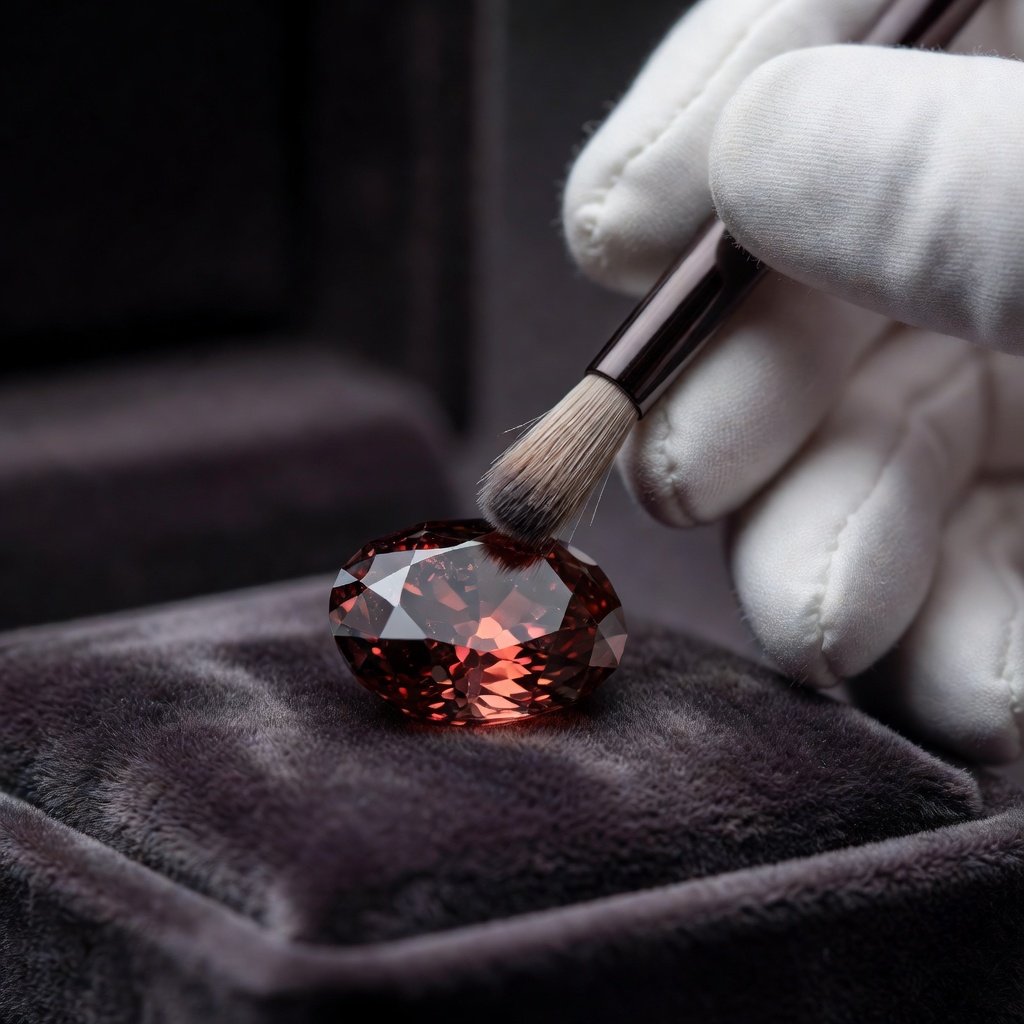
Utilize a soft-bristled baby toothbrush reserved exclusively for jewelry cleaning, gently brushing the painite to remove accumulated oils, dust, and cosmetic residues. Focus particularly on the pavilion and girdle areas where debris commonly collects, using light circular motions without applying pressure. For mounted stones, carefully navigate around prongs and settings to dislodge buildup that might harbor bacteria or acids from perspiration. This meticulous approach to Painite Care and Cleaning ensures thorough cleansing without mechanical stress.
Rinse the gemstone thoroughly in fresh lukewarm distilled water to remove all soap residue, as dried detergent can create films that attract dust and dull the surface. Pat the stone dry using a lint-free microfiber cloth specifically designated for fine jewelry, avoiding paper towels or facial tissues that contain wood fibers capable of scratching the surface. Allow the painite to air dry completely on a soft cloth for several hours before returning it to storage, ensuring no moisture remains trapped in settings or surface imperfections that could promote corrosion or mineral deposits.
Storage Solutions for Maximum Protection
Proper painite gemstone storage requires implementing a multi-layered protection strategy that addresses the stone's vulnerability to abrasion and environmental degradation. Store each painite piece in individual soft cloth pouches made of velvet, suede, or unbleached cotton, ensuring the fabric is free from chemical treatments or dyes that might transfer to the stone. These pouches should then be placed within a sturdy, lined jewelry box featuring rigid dividers that prevent contact with other pieces, creating a buffer zone that protects against accidental impacts during storage access.
Separation from harder gemstones is absolutely critical for rare mineral preservation. Despite painite's respectable hardness rating, it remains susceptible to scratching from diamonds (10 Mohs), rubies and sapphires (9 Mohs), and even chrysoberyl or spinel (8.5 Mohs). Maintain a strict organizational system within your jewelry box that groups pieces by hardness, keeping painite isolated in its own compartment far removed from contact with these harder materials. Even gold and silver settings can cause abrasion over time if pieces rub against each other during storage.
Environmental controls within your storage area significantly impact long-term preservation. Maintain stable humidity levels between 40-50% using silica gel packets or specialized jewelry safes with climate control features, as excessive moisture can attack metal settings while extreme dryness may affect the stone's surface. Store painite away from direct sunlight and UV light sources, utilizing opaque storage boxes rather than glass display cases, as prolonged light exposure can potentially alter the iron-related coloration within the crystal structure over decades of display.
Professional Maintenance and Inspection
Establishing a relationship with a master jeweler experienced in rare painite maintenance ensures your gemstone receives appropriate professional oversight. Schedule comprehensive inspections every six to twelve months for mounted painite pieces, during which the jeweler should examine prong integrity, bezel settings, and mounting stability under high magnification. These frequent checks identify loose stones or worn settings before catastrophic loss occurs, particularly important given that painite's value makes replacement virtually impossible.
Professional cleaning services offer advantages beyond home methods for painite jewelry protection, utilizing specialized equipment such as steam cleaners with precise temperature controls and pressure settings calibrated for brittle gemstones. However, confirm that your jeweler understands painite's specific vulnerabilities before consenting to any mechanical cleaning procedures. Reputable professionals will examine the stone for surface-reaching inclusions or existing fractures that might contraindicate certain cleaning methods.
Should your painite develop surface scratches or lose polish through accidental contact, professional re-polishing becomes necessary to restore its optical performance. This delicate procedure requires a lapidary familiar with ultra-rare minerals, as standard polishing compounds and techniques designed for more common gemstones may prove too aggressive. The re-polishing process involves carefully removing microscopic layers of material to eliminate scratches while maintaining the original proportions and weight of the stone, preserving both its beauty and investment value.
Chemical Hazards and Environmental Threats
Understanding the specific chemical agents that threaten painite prevents irreversible damage during routine activities. Household cleaners containing bleach, ammonia, chlorine, or abrasive compounds pose severe risks to cleaning Burmese painite, as these substances can etch the surface or react with the aluminum content within the crystal structure. Even brief exposure to oven cleaners, drain uncloggers, or bathroom disinfectants can cause permanent clouding or pitting that no amount of polishing can remedy.
Swimming and bathing present hidden dangers that require vigilance as part of comprehensive ultra-rare gem care tips. Chlorinated pool water and saltwater oceans attack both the gemstone surface and metal settings through chemical corrosion and abrasive particulate matter. Hot tubs are particularly dangerous due to combined chemical exposure and thermal shock risks when moving between heated water and cooler air. Always remove painite jewelry before showering, as shampoo residues and soap scum can build up in microscopic surface features, requiring aggressive cleaning methods to remove later.
Acidic substances encountered in daily life demand careful avoidance. Lemon juice, vinegar, tomato sauce, and carbonated beverages contain acids capable of affecting painite's surface integrity. Thermal shock represents another environmental threat, occurring not only during temperature transitions but also when wearing painite near heat sources such as stovetops, ovens, or campfires. The rapid expansion and contraction of the crystal lattice under thermal stress can cleave the stone along its perfect cleavage planes, transforming a flawless gem into worthless fragments instantly.
Traveling with Your Painite Collection
Transporting painite requires security protocols that balance accessibility with protection. Invest in a specialized travel case featuring individual foam compartments or padded slots that immobilize each piece during transit, preventing movement that could cause scratching or impact damage. Hard-sided cases with combination locks provide superior protection compared to soft jewelry rolls, particularly when traveling by air where luggage experiences significant handling stress. Never place painite in checked baggage; always transport these items in your carry-on luggage to maintain physical control.
Documentation plays a crucial role in rare mineral preservation during travel. Carry copies of your painite's gemological certificates, appraisal documents, and high-resolution photographs separate from the physical jewelry, preferably stored digitally in secure cloud storage accessible from any location. Ensure your insurance policy specifically covers "mysterious disappearance" and transit coverage for high-value gemstones, as standard travel insurance often excludes items above certain value thresholds. When traveling internationally, research customs requirements for valuable gemstones to avoid complications at border crossings.
Hotel security requires particular attention for painite jewelry protection. Utilize the in-room safe for temporary storage during daily activities, ensuring the safe is bolted to wall or floor structures. For extended stays, consider requesting the hotel's main vault or safety deposit facilities, though verify their insurance coverage limits beforehand. Never leave painite jewelry in plain sight in hotel rooms, even for brief periods, and utilize "Do Not Disturb" signs to minimize housekeeping entry when the jewelry remains unsecured in the room.
Common Cleaning Mistakes to Avoid
Even well-intentioned collectors frequently compromise Painite Care and Cleaning protocols through the use of inappropriate mechanical methods. Ultrasonic cleaners, despite their popularity for other gemstones, present unacceptable risks for painite due to the stone's perfect cleavage and potential internal fractures. The high-frequency vibrations generated by these devices can expand microscopic inclusions into visible cracks or shatter the stone entirely by propagating stress waves through brittle crystal structures.
Steam cleaning devices similarly endanger painite through combined thermal shock and pressure risks. The intense heat and focused steam jets can cause rapid temperature fluctuations while potentially loosening settings through thermal expansion differentials between the gemstone and mounting metal. High-pressure water streams from jewelry cleaning devices or even kitchen faucets can force water into microscopic fractures, creating internal pressure points or depositing mineral residues as the water evaporates.
Abrasive materials and commercial chemical dips rank among the most damaging approaches to painite gemstone storage and maintenance. Toothpaste, baking soda, and commercial scrubbing pads contain abrasive particles that scratch the surface, while over-the-counter jewelry dips often contain ammonia, acids, or alcohols incompatible with painite's chemical composition. Even "gentle" cleaning solutions designed for silver or costume jewelry may contain unknown additives that react adversely with the complex boron-aluminum-zirconium chemistry of this rare mineral.
Long-term Value Preservation Strategies
Maintaining comprehensive documentation ensures your rare painite maintenance efforts translate into preserved investment value. Retain all original purchase receipts, gemological laboratory certificates from recognized institutions such as GIA or AGL, and any historical provenance information regarding the stone's discovery and previous ownership. For painite specifically, documentation of Myanmar origin carries particular significance given the gemstone's exclusive geographic distribution, with Mogok Valley specimens commanding particular premiums in the collector market.
Regular professional appraisals every one to two years track the fluctuating value of this ultra-rare mineral, as painite prices have experienced dramatic increases as new deposits remain scarce. Ensure your appraiser possesses specific expertise in rare gemstones rather than general jewelry valuation, as accurate painite assessment requires understanding of crystal quality, transparency, and color intensity factors unique to this species. Update your insurance coverage accordingly, verifying that replacement value reflects current market conditions rather than original purchase price.
Visual monitoring over decades of ownership allows early detection of potential degradation. Photograph your painite under consistent lighting conditions annually, comparing images to identify any color shifts, clarity changes, or surface deterioration that might indicate environmental damage or setting stress. Establish baseline weight measurements for loose stones to detect any material loss from re-polishing or surface degradation. This proactive approach to rare mineral preservation ensures that future generations inherit not just a gemstone, but a perfectly maintained specimen of Earth's rarest treasure.
Frequently Asked Questions About Painite Care and Cleaning
How often should I clean my painite gemstone?
Painite should be cleaned every 2-3 months with mild soap and lukewarm water, or immediately after exposure to chemicals or perspiration. Due to its extreme rarity, gentle cleaning prevents buildup that could require aggressive removal methods later.
Can I use ultrasonic cleaners on painite?
No, ultrasonic cleaners should never be used on painite. Despite its 8 Mohs hardness, painite has perfect cleavage and internal fractures that can expand under ultrasonic vibrations, potentially shattering this irreplaceable gemstone.
Is painite safe to wear every day?
While painite ranks 8 on the Mohs scale, daily wear is not recommended due to its brittleness and extreme value. Reserve painite jewelry for special occasions and remove it during physical activities, cooking, or cleaning.
What household chemicals damage painite?
Avoid bleach, ammonia, acetone, alcohol-based cleaners, and acidic substances like vinegar or lemon juice. These can etch the surface or affect the iron and aluminum content in painite's chemical structure, causing permanent damage.
How should I store painite to prevent scratches?
Store painite in individual soft cloth pouches or lined jewelry boxes, completely separate from harder gems like diamonds (10 Mohs), rubies, and sapphires (9 Mohs). Even contact with gold or silver settings can cause abrasion over time.
Does painite require special insurance considerations?
Yes, painite requires specialized insurance due to its extreme rarity and high value. Ensure your policy covers 'mysterious disappearance' and obtain updated appraisals every 1-2 years from a certified gemologist familiar with rare specimens.
Can painite be damaged by sunlight or heat?
While painite is generally stable, prolonged exposure to intense heat or direct sunlight can potentially cause color fading or thermal shock. Store away from windows and never use steam cleaners or expose to sudden temperature changes.
What should I do if my painite gets scratched?
Never attempt to polish painite yourself. Contact a master jeweler or gemologist experienced with rare gemstones immediately. Professional re-polishing can restore luster, but improper DIY methods can destroy the stone's value and integrity.