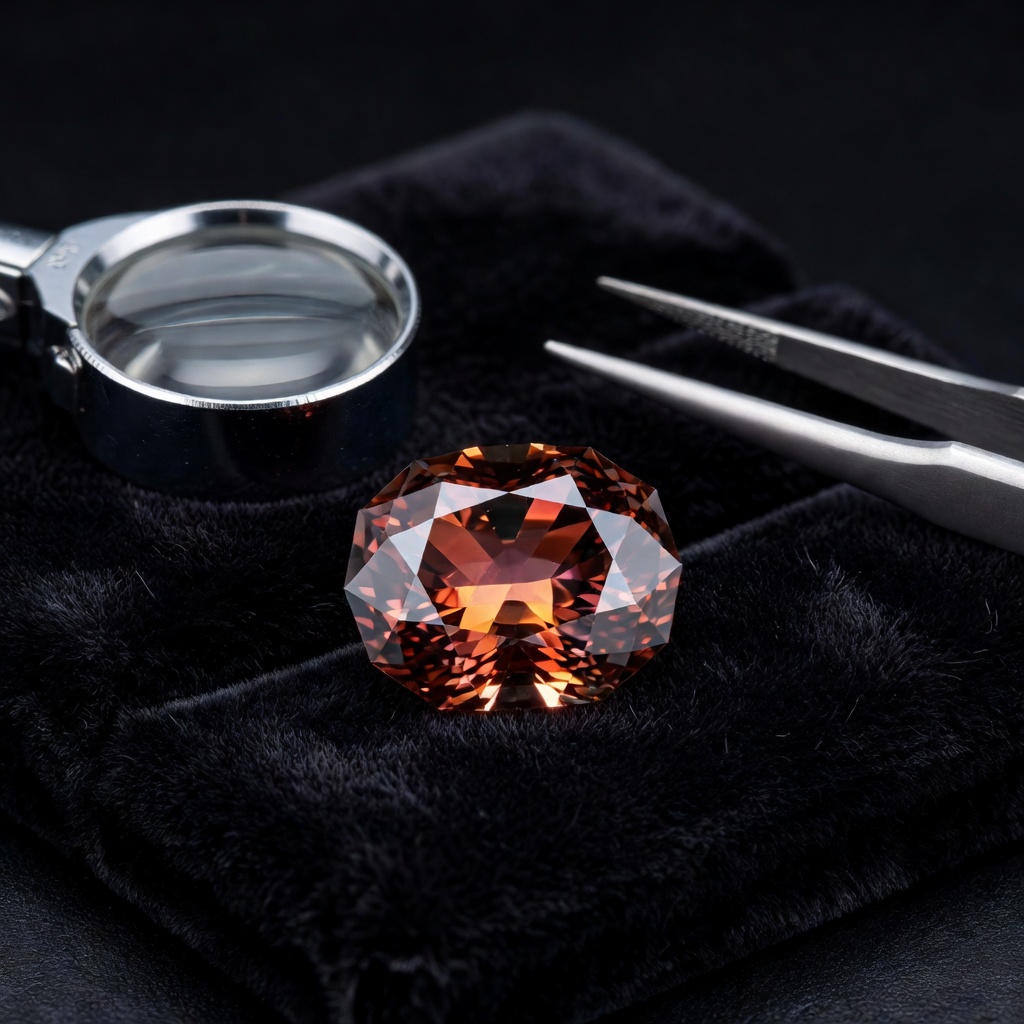
Introduction to Painite: The World's Rarest Gemstone
The story of painite begins in the misty mountains of Myanmar's Mogok Stone Tract, where British mineralogist Arthur C.D. Pain made a discovery that would redefine gemstone rarity. In the 1950s, while examining a small reddish crystal he believed to be ruby, Pain uncovered a mineral so scarce that it would later earn recognition as the world's rarest gem mineral until 2005. For decades, only three painite crystals were known to exist in the entire world, making it exponentially rarer than diamonds, emeralds, or even red beryl. This extreme scarcity transformed painite from a geological curiosity into one of the most coveted treasures in the rare painite gemstones market.
Recent mining developments in the Ohngaing region of Burma painite crystals deposits have slightly increased availability, though production remains sporadic and minuscule. Modern excavations using advanced extraction techniques have uncovered additional specimens, yet the total number of gem-quality painite crystals remains fewer than 100 worldwide. Collectors seeking to acquire these extraordinary stones must understand that while supply has marginally improved since Pain's initial discovery, painite remains thousands of times rarer than diamonds, with new finds occurring perhaps once every few years rather than daily.
Understanding Painite Quality and Grading Criteria
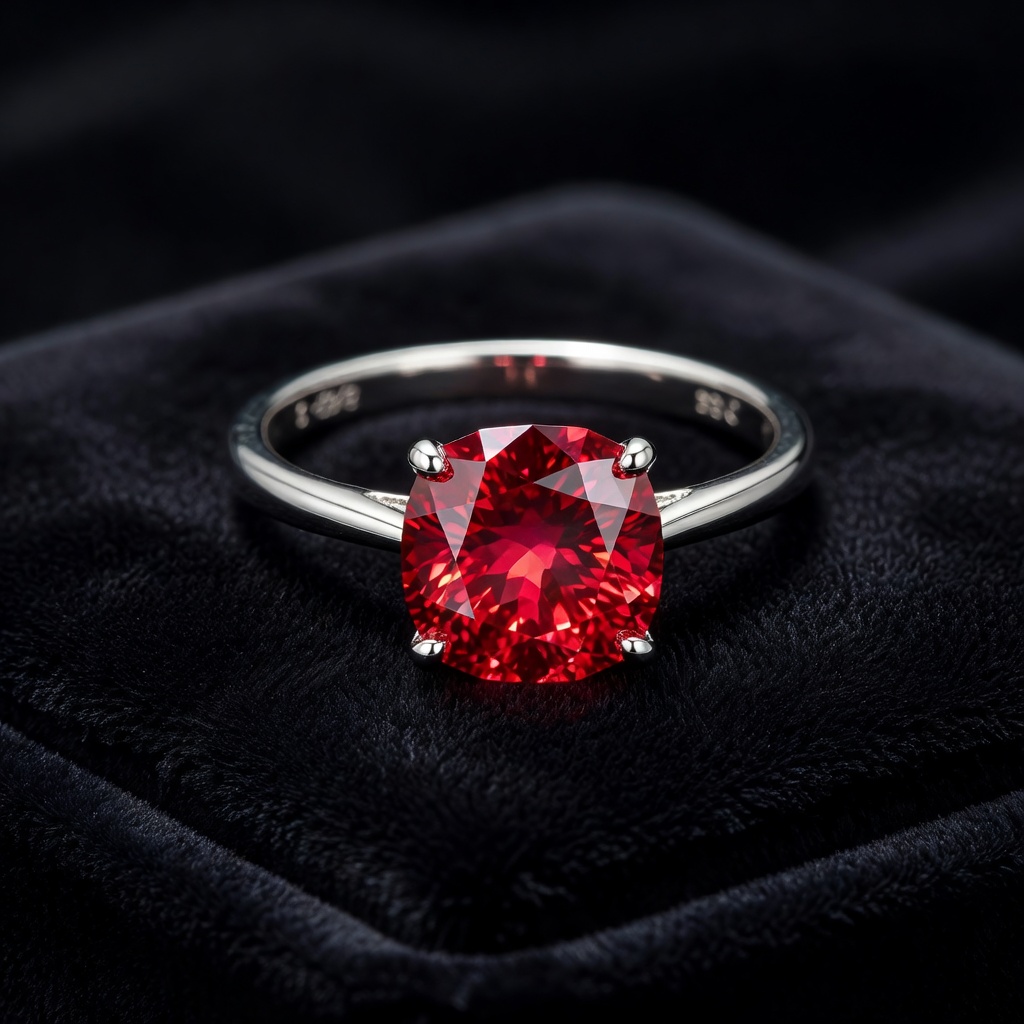
Evaluating painite requires specialized knowledge distinct from standard colored gemstone assessment, as traditional grading systems do not fully account for this mineral's unique characteristics. Color evaluation serves as the primary value determinant, with premium specimens displaying rich reddish-brown to vibrant pinkish-orange hues that result from chromium and vanadium substitution within the crystal lattice. The most desirable stones exhibit a deep ruby-red to orange-red saturation reminiscent of fine Burmese spinel, while brownish or muddy tones significantly reduce commercial value. Unlike diamonds where colorless stones command premiums, painite grading prioritizes intense, pure coloration that distinguishes the gem from its typically dark and opaque rough state.
Clarity standards for painite differ substantially from those applied to aquamarine or topaz, as virtually all natural specimens contain characteristic inclusions including healing fractures, mineral inclusions, and growth tubes. Rather than demanding flawless transparency, experienced collectors seek "eye-clean" stones where inclusions do not detract from face-up beauty or structural integrity. Cut optimization presents unique challenges due to painite's extreme rarity; cutters must balance maximum weight retention against brilliance enhancement, often resulting in shallow pavilion angles or protective bezel settings that preserve every precious milligram of material. A well-cut painite over one carat represents a triumph of lapidary artistry working with material rarer than meteoritic gems.
Painite Price Per Carat: Investment Valuation Guide
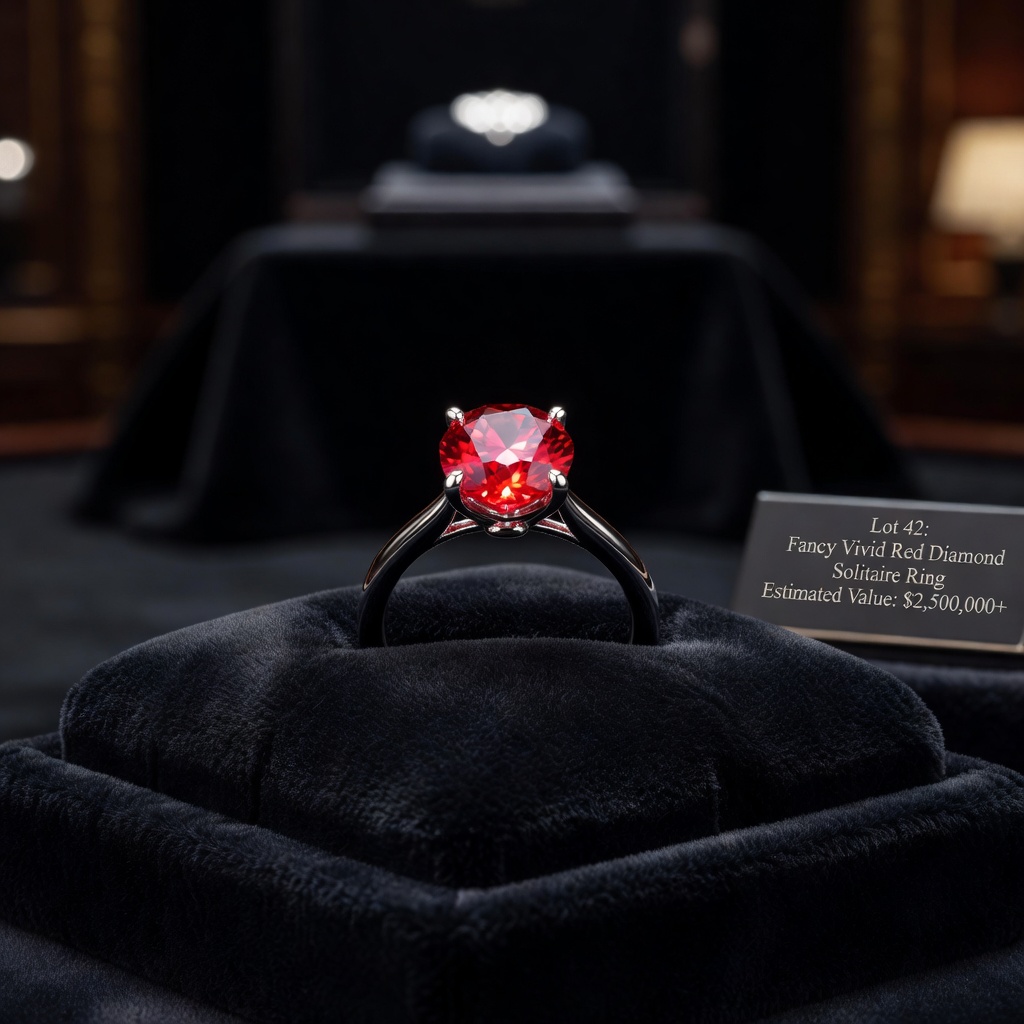
Understanding painite price per carat requires navigating a market where standard pricing matrices collapse under the weight of extreme scarcity and irregular supply. Current market data indicates that faceted investment grade painite commands between $6,000 and $60,000 per carat, with exceptional specimens featuring deep red saturation and high transparency exceeding these benchmarks significantly. Rough painite crystals typically trade at 40-60% below faceted prices, offering entry points for mineral collectors comfortable with uncut specimens, though such purchases demand advanced authentication capabilities. When comparing these figures to other ultra-rare gems, painite often surpasses high-quality red diamonds on a per-carat basis, particularly for stones exceeding two carats where the rarity curve becomes nearly vertical.
Several critical factors drive valuation beyond simple carat weight, including color saturation, transparency levels, and provenance documentation. Stones originating from documented Ohngaing deposits with verifiable Myanmar origin consistently outperform specimens of questionable provenance by 30-50%. Size premiums escalate dramatically; while a 0.5-carat painite might retail for $8,000 per carat, a 2-carat stone of similar quality could command $45,000 per carat due to the mathematical impossibility of finding larger crystals. Market liquidity remains limited compared to diamonds, requiring investors to maintain holding periods of five to ten years to realize optimal appreciation, though historical data shows consistent double-digit annual returns for documented, certified specimens.
How to Identify Authentic Painite vs. Imitations
Authentic painite identification demands sophisticated gemological testing beyond visual examination, as numerous look-alike stones pervade the market seeking to capitalize on painite's prestigious reputation. Visual characteristics provide initial clues: genuine painite exhibits a distinctive brownish-orange to reddish-pink body color with moderate to strong pleochroism, showing different colors when viewed from various angles, unlike the more uniform coloration of garnet or ruby. The painite vs ruby distinction becomes crucial here, as both share similar red hues, though painite typically appears more brownish or orange-red rather than the pure pigeon-blood red of fine Burmese ruby. Additionally, painite possesses a unique vitreous to slightly resinous luster distinguishable from ruby's adamantine sparkle or garnet's glassy appearance under magnification.
Definitive identification requires refractive index testing, where painite measures 1.815-1.823, significantly higher than garnet (1.72-1.76) but lower than ruby (1.76-1.77). Specific gravity testing provides another diagnostic tool, with painite registering approximately 4.0—heavier than quartz but lighter than zircon. Advanced spectroscopic analysis, particularly Raman spectroscopy, reveals painite's distinctive calcium zirconium aluminum borate chemical signature, easily distinguishing it from synthetic cubic zirconia or yttrium aluminum garnet simulants. Buyers must remain vigilant against composite stones featuring painite crowns bonded to garnet pavilions, a deceptive practice occasionally encountered in Asian markets where superficial testing might miss the underlying substitution.
Where to Buy Painite: Trusted Sources and Dealers
Acquiring genuine painite requires navigating an exclusive network of high-end gem dealers specializing in rare specimens rather than conventional jewelry retailers. Established dealers such as those operating from Bangkok's Silom district or New York's 47th Street maintain direct relationships with Myanmar miners and can provide documented provenance chains essential for authentication. When seeking to buy painite gemstones, prioritize dealers who belong to professional organizations like the International Colored Gemstone Association (ICA) or the American Gem Trade Association (AGTA), as these memberships require adherence to ethical sourcing standards and disclosure protocols. Reputable specialists will always offer examination periods and unconditional return policies, recognizing that significant purchases require independent verification.
Major auction houses including Christie's, Sotheby's, and Bonhams periodically feature significant painite sales, particularly in their Hong Kong and Geneva rare gemstone auctions where Asian collectors drive competitive bidding. These venues provide pre-sale gemological reports and provenance documentation that significantly reduce purchasing risk, though buyer's premiums of 20-25% must factor into investment calculations. Conversely, exercise extreme caution with online marketplaces and social media platforms where unverified sellers offer "painite" at suspiciously low prices. Red flags include sellers refusing independent laboratory verification, offering "rough painite" without export documentation from Myanmar, or utilizing stock photography rather than images of the actual specimen. Legitimate painite transactions always involve escrow services for high-value purchases and detailed written descriptions specifying treatments, origin, and exact dimensions.
Certification and Documentation Requirements
Comprehensive painite certification serves as non-negotiable protection when acquiring specimens worth thousands of dollars per carat, transforming subjective dealer claims into verifiable scientific data. The Gemological Institute of America (GIA) and American Gemological Laboratories (AGL) represent the gold standards for rare gemstone authentication, utilizing advanced spectroscopic and chemical analysis to confirm natural origin and detect treatments. These laboratory reports must specifically identify the material as "natural painite" rather than generic "natural corundum" or "unidentified mineral," as less reputable labs sometimes misidentify rare species. For Myanmar specimens, origin documentation assumes particular importance due to international trade restrictions and ethical sourcing concerns, requiring export permits issued by Myanmar's Ministry of Natural Resources and Environmental Conservation.
Beyond basic identification, premium certification should include detailed measurements of optical properties including refractive indices, specific gravity, and fluorescence reactions under long and short-wave ultraviolet light. Photomicrography documenting characteristic inclusions provides fingerprinting data useful for future identification and insurance purposes. Buyers should verify that certification numbers correspond to physical laser inscriptions on the stone's girdle or accompany sealed packaging for rough specimens. When purchasing investment grade painite, consider obtaining secondary opinions from laboratories specializing in rare species, such as the Gemological Institute of Myanmar or Switzerland's SSEF, which maintain extensive reference databases of painite chemical compositions and inclusion patterns specific to Mogok deposits.
Caring for Your Painite Investment
Proper painite care requires understanding this gem's physical properties while respecting its extraordinary monetary and collectible value. Rating 8 on the Mohs hardness scale, painite resists scratching from everyday dust and contact, making it theoretically suitable for jewelry applications. However, the typical brittleness of painite crystals and their extreme rarity suggest protective settings and occasional wear rather than daily exposure to potential impact. Cleaning should involve only lukewarm water with mild dish soap and a soft brush, avoiding ultrasonic cleaners that might loosen inclusions or cause thermal shock, and strictly prohibiting steam cleaning or harsh chemical exposures including chlorine and acids that could damage surface luster.
Storage recommendations emphasize individual soft pouches or lined compartments to prevent contact with harder diamonds (10 Mohs) or softer opals and pearls that might scratch painite's surface. Climate-controlled environments prevent thermal expansion stress on included crystals, particularly important for stones with visible fractures or healing patterns. Insurance appraisal requires specialized documentation beyond standard jewelry riders, necessitating scheduled personal property endorsements that specifically list painite by species name rather than generic "red gemstone" descriptions. Update appraisals every two years to reflect market appreciation, maintaining photographic documentation and laboratory certificates in secure, fireproof locations separate from the physical specimens. For museum-quality specimens exceeding $100,000 value, consider specialized fine art insurance policies covering mysterious disappearance and market depreciation.
Investment Potential and Market Trends
The painite investment landscape offers compelling opportunities for collectors with long-term horizons and tolerance for illiquidity, characterized by steady appreciation driven by genuine geological scarcity rather than marketing campaigns. Historical price data reveals consistent double-digit annual growth over the past two decades, with early 2000s acquisitions at $1,000 per carat now commanding $30,000-$50,000 per carat for comparable quality. Unlike diamond markets influenced by producer stockpiling, painite pricing reflects pure supply-demand economics, with collector demand expanding dramatically among Asian high-net-worth individuals while supply remains essentially static. Recent geopolitical developments affecting Myanmar have paradoxically strengthened prices by limiting new export permits, creating artificial supply constraints atop natural scarcity.
Collector demand dynamics increasingly favor documented specimens with impeccable provenance, as the ultra-wealthy seek tangible assets with stories and scientific significance. Western markets traditionally dominated painite collecting, but Chinese and Japanese collectors now drive 60% of high-end transactions, preferring deep red specimens that culturally symbolize prosperity and luck. Future availability concerns intensify as Myanmar's Mogok deposits face depletion and increasing mining depths raise extraction costs exponentially. Investment analysts project that painite will transition from "collectible" to "museum piece" status within two decades as existing specimens enter permanent institutional collections, suggesting current prices may represent historical lows before permanent supply exhaustion.
Common Mistakes to Avoid When Buying Painite
Navigating the painite market requires vigilance against specific pitfalls that can transform exciting acquisitions into costly disappointments. The most critical error involves purchasing without independent laboratory verification, as unscrupulous sellers frequently substitute pyrope garnet, hessonite, or even glass-filled rubies for genuine painite, exploiting the gem's obscurity among general consumers. Another frequent mistake involves confusing painite with cheaper look-alike gemstones such as malaia garnet or spessartine, which share similar orange-brown coloration but cost fractions of painite prices. Always insist that sellers provide time for pre-purchase verification by your chosen laboratory, refusing "final sale" conditions regardless of claimed scarcity or competing buyer pressure.
Overlooking ethical sourcing concerns represents another significant error, as Myanmar's mining industry faces complex human rights and conflict mineral issues. Verify that specimens include proper export documentation and consider supporting dealers who participate in responsible sourcing initiatives, even if premiums run 10-15% higher. Avoid speculative purchases of "painite-bearing rough" offered by online sellers claiming direct mining connections, as these often prove to be common zircon or garnet matrix with no actual painite content. Finally, resist the temptation to acquire oversized specimens of questionable quality; in painite buying, a smaller, certified, eye-clean stone with vivid color always outperforms a large, opaque, brownish crystal with poor transparency, regardless of the latter's impressive carat weight.
Conclusion: Building Your Rare Gem Collection
Embarking on a journey to acquire painite represents entry into an exclusive community of connoisseurs who value geological rarity over conventional luxury. New collectors should begin with smaller specimens under one carat, allowing acquisition of documented, certified stones without exposing excessive capital to market volatility while learning the nuances of authentic painite identification. Building relationships with trusted dealers proves more valuable than chasing isolated bargains, as established connections provide first access to new discoveries and educational guidance that prevents costly mistakes. Consider joining specialized organizations like the Mineralogical Society or regional gem and mineral clubs where experienced collectors share painite buying guide insights and vetting resources.
Long-term preservation strategies for ultra-rare minerals extend beyond physical care to include detailed cataloging, provenance documentation, and succession planning. Maintain comprehensive records of purchase prices, laboratory certificates, and dealer correspondence to assist future appraisals and estate valuations. As you develop your rare gemstone collection, view painite not merely as a financial investment but as stewardship of Earth's rarest treasures, preserving these extraordinary crystals for future generations while potentially realizing significant appreciation. Whether acquiring a modest rough crystal or a magnificent faceted stone, each painite specimen connects you to the geological history of Myanmar's Mogok Valley and the legacy of Arthur C.D. Pain's remarkable discovery.
Frequently Asked Questions
What makes painite so rare and valuable?
Painite is one of the world's rarest gemstones, with fewer than 25 known crystals existing until 2001. Its extreme rarity stems from specific geological conditions in Myanmar's Mogok Valley, where hexavalent chromium and calcium zirconium aluminum borates combine under unique pressure and temperature conditions that rarely occur naturally.
How much does painite cost per carat?
High-quality faceted painite can command $6,000 to $60,000 per carat depending on size, color, and clarity. Exceptional specimens with deep reddish-orange hues and high transparency exceed these prices, often making painite more valuable than high-quality diamonds on a per-carat basis due to extreme scarcity.
How can I tell if my painite is real?
Authentic painite exhibits a distinctive reddish-brown to pinkish-orange color with a refractive index of 1.815-1.823 and specific gravity of 4.0. Professional gemological testing including Raman spectroscopy is essential, as painite is often confused with garnet, ruby, or synthetic cubic zirconia. Always insist on certification from GIA or AGL laboratories.
Is painite a good investment compared to diamonds?
Painite offers significant investment potential due to extreme scarcity and increasing collector demand, though it lacks the liquidity of diamonds. Unlike diamonds, painite's value stems from genuine geological rarity rather than market control. However, investment-grade painite requires substantial capital and specialized knowledge of the rare gem market.
Where does painite come from?
Virtually all painite originates from the Mogok Stone Tract in Myanmar (Burma), specifically from the Ohngaing region. Since its discovery by British mineralogist Arthur C.D. Pain in the 1950s, this single locality has produced all known gem-quality specimens, though new deposits remain extremely limited and sporadic.
Can painite be worn in jewelry daily?
While painite rates 8 on the Mohs hardness scale, making it suitable for jewelry, its extreme rarity and value make daily wear impractical for investment pieces. Most collectors prefer protective settings for occasional wear. Lower-grade painite specimens are sometimes set in jewelry, but faceted stones over 1 carat are typically kept as collection specimens.
What colors does painite come in?
Painite typically appears in reddish-brown, brownish-orange, or pinkish-orange hues due to chromium and vanadium content. The most valuable specimens display deep ruby-red to orange-red colors with high transparency. Rare pinkish crystals command premium prices, while darker brown specimens are generally less valuable though still highly collectible.
Should I buy rough or faceted painite?
Rough painite crystals offer better value for mineral collectors and investors comfortable with raw specimens, often costing 40-60% less than faceted stones. However, faceted painite provides easier liquidity and authentication. Beginners should consider faceted stones with certification, while advanced collectors might seek documented rough crystals from known localities.