
What Makes Padparadscha Sapphires So Valuable?
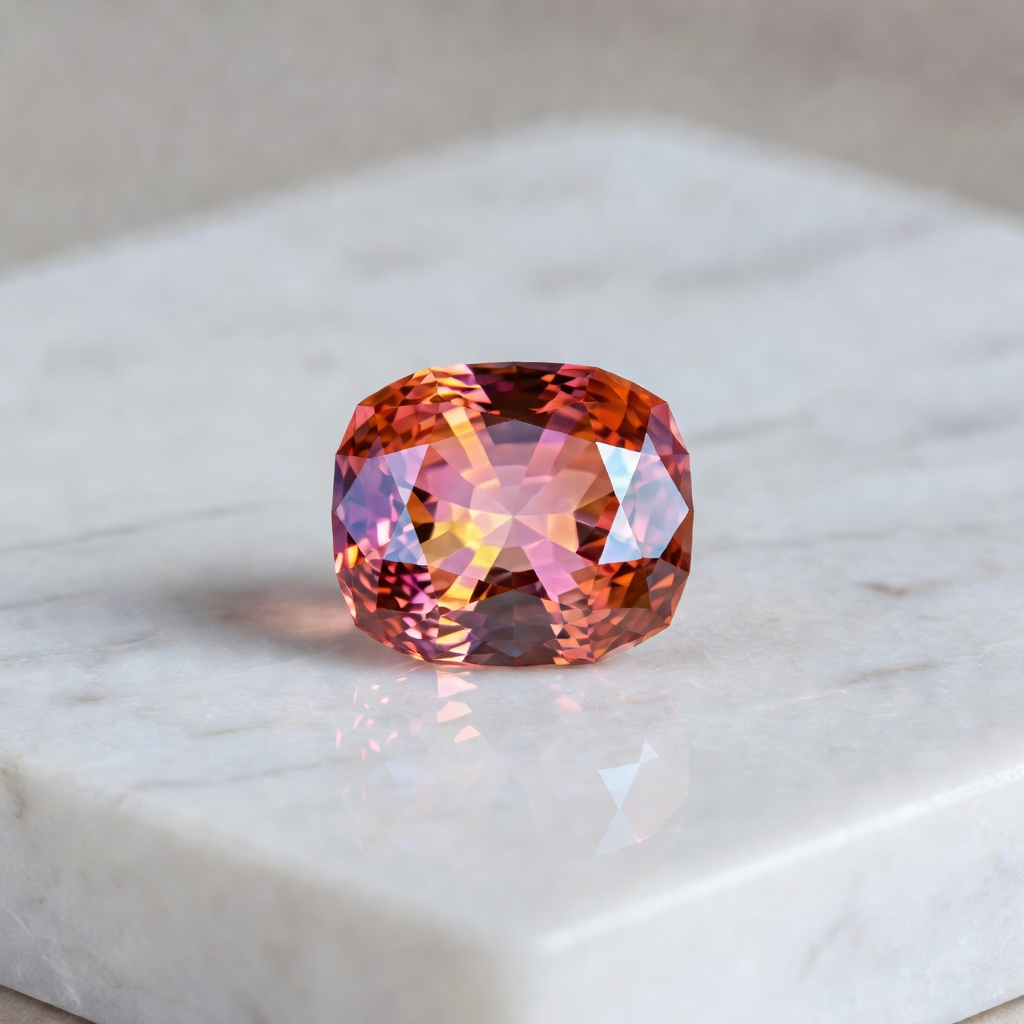
The extraordinary value of padparadscha sapphires stems from their singular color phenomenon that occurs at the intersection of pink and orange hues, creating what gemologists describe as the color of a tropical sunset or the sacred lotus flower. Unlike traditional blue sapphires or even fancy colored diamonds, true padparadscha material requires a precise balance of trace elements—specifically chromium for pink tones and iron for orange undertones—combined under exact geological conditions that rarely converge in nature. This specific chemical cocktail results in a gemstone that displays both warmth and delicacy simultaneously, distinguishing it from pink sapphires that lack orange modulation or orange sapphires that appear too brownish or reddish.
Geological rarity fundamentally drives the premium pricing structure observed in the Padparadscha Sapphire Price Guide, as these stones represent less than one percent of all corundum recovered from global mining operations. The formation requires specific metamorphic conditions where aluminum oxide crystallizes slowly enough to allow the incorporation of both chromium and iron in proportions that neither element dominates the visual appearance. Most deposits produce stones that lean too heavily toward pink or orange, failing to achieve the delicate salmon or peachy-pink coloration that defines the variety, which explains why collectors often wait years to encounter specimens worthy of significant investment.
Historical provenance amplifies Padparadscha sapphire value through associations with royalty and high jewelry houses that have coveted these rarities for centuries. The name itself derives from the Sinhalese word for lotus blossom, reflecting Sri Lanka's ancient recognition of this unique color combination, while modern collectors reference Princess Eugenie's engagement ring featuring a stunning padparadscha surrounded by diamonds as a contemporary benchmark for desirability. Auction records consistently demonstrate that stones with documented aristocratic ownership or appearance in important Cartier, Van Cleef & Arpels, or Bulgari pieces command multiples above equivalent quality stones without such distinguished provenance.
Understanding Color Grading and Pricing Tiers
Mastering Padparadscha color grading requires understanding that the most valuable specimens exhibit a harmonious 50-50 distribution of pink and orange without either hue overwhelming the other or introducing undesirable brown, gray, or purple secondary tones. Gemological laboratories employ sophisticated colorimeters and master stone comparison sets to evaluate this balance, with slight shifts toward predominantly pink or orange classification resulting in significant price differentials at the wholesale level. Stones that achieve the coveted "sunset" or "salmon" description typically originate from specific mine locations where geological conditions favored the perfect intersection of coloring agents, making color consistency across larger crystals exceptionally rare and expensive.
Saturation levels create distinct market tiers that directly impact pink orange sapphire price structures, with pastel tones generally commanding lower valuations than vivid, intensely saturated specimens that maintain brilliance without appearing too dark or muddy. However, unlike rubies or blue sapphires where maximum saturation typically drives peak prices, padparadscha values actually decrease when stones become too dark or lose their characteristic delicate appearance, creating a narrow optimal window that collectors describe as "sweet" saturation. This nuanced grading means that two stones with identical pink-orange balance can vary by 40-60% in per-carat pricing based solely on whether their tone falls within the ideal light-medium to medium range versus appearing washed-out or overly dense.
Laboratory certification from prestigious institutions including the Gemological Institute of America (GIA), Swiss Gemmological Institute (SSEF), and Gübelin Gem Lab serves as the foundation for premium pricing by providing independent verification of color authenticity, natural origin, and treatment status. These reports include detailed color descriptions, origin determinations based on inclusion patterns and trace element analysis, and explicit statements regarding heating or other modifications, with stones accompanied by multiple certificates from different labs often achieving higher prices at auction due to increased buyer confidence. Investors should anticipate that comprehensive certification packages add $500 to $2,000 to acquisition costs but provide essential documentation that protects unheated padparadscha value and facilitates future liquidity.
Current Price Per Carat Breakdown (2024)
The Padparadscha Sapphire Price Guide for 2024 reveals a stratified market where entry-level commercial quality stones typically trade between $5,000 and $8,000 per carat, representing accessible opportunities for collectors entering this specialized category. These specimens generally weigh under one carat, may display slight asymmetry in their pink-orange balance, and often originate from newer Madagascar deposits rather than traditional Sri Lankan mines, though they still possess the fundamental color characteristics that define the variety. While these stones lack the investment-grade premiums of finer material, they allow enthusiasts to build collections featuring the distinctive padparadscha aesthetic without requiring the six-figure commitments associated with museum-quality examples.
Fine quality mid-market segments command $15,000 to $30,000 per carat and represent the sweet spot for serious collectors seeking optimal combinations of color balance, clarity, and responsible sourcing documentation. Stones in this bracket typically display well-balanced salmon coloring with minimal inclusions visible to the naked eye, often accompanied by SSEF or Gübelin reports confirming Sri Lankan origin and absence of heat treatment, making them suitable for high jewelry commissions and long-term wealth preservation. Recent auction data indicates that 2 to 3-carat specimens within this quality tier have appreciated approximately 8-12% annually over the past five years, outperforming many traditional equity investments while providing tangible enjoyment.
Exceptional investment-grade specimens exceeding $50,000 and reaching $100,000 or more per carat represent the apex of the market, featuring rare large sizes above 3 carats with perfect color distribution, exceptional clarity, and documented provenance from legendary Sri Lankan mines. These stones appear infrequently at major auction houses, often generating competitive bidding among Asian collectors, Middle Eastern royalty, and institutional investors who recognize their scarcity value and historical significance as portable stores of wealth. A notable example from 2023 included a 5.21-carat unheated Ceylon padparadscha that achieved $28,500 per carat at Christie's Hong Kong, demonstrating that exceptional color and size combinations continue breaking previous price records despite broader economic uncertainties.
How Carat Weight Influences Total Cost
Understanding the relationship between size and pink orange sapphire price requires recognizing that padparadscha crystals rarely form in large, clean rough suitable for cutting substantial gemstones, creating exponential rather than linear pricing curves as carat weights increase. Stones under one carat provide accessible entry points for collectors, typically ranging from $3,000 to $10,000 total depending on quality factors, though they lack the rarity premiums that drive serious investment returns. These smaller specimens suit jewelry applications such as side stones, pavé settings, or delicate pendants where the distinctive color provides aesthetic value without requiring the substantial capital outlay of larger center stones.
The critical threshold occurs between 2 and 3 carats, where availability drops precipitously and per-carat pricing often doubles or triples compared to sub-one-carat material of identical quality characteristics. This dramatic escalation reflects the mathematical reality that maintaining perfect pink-orange balance, high clarity, and attractive cutting proportions becomes exponentially difficult as crystal size increases, with most rough yielding only small clean sections suitable for fine gems. Collectors targeting this size range should anticipate total investments between $40,000 and $100,000 for fine unheated specimens, positioning these acquisitions as serious alternative assets rather than casual jewelry purchases.
Above the 3 to 5-carat threshold, rarity multipliers create six-figure valuations even for stones with minor inclusions or slight color imbalances that would disqualify smaller specimens from premium pricing tiers. Balancing size versus quality requires honest assessment of budget constraints and collecting objectives, with experienced advisors often recommending a 1.5-carat stone with exceptional color over a 3-carat stone with compromised saturation for buyers prioritizing long-term appreciation. When maximizing budget for optimal value, prioritize unheated material with strong laboratory certification in the 1 to 2-carat range, as these stones offer the best liquidity and price stability while still providing the visual impact and portfolio diversification benefits associated with rare colored gemstones.
Origin Impact: Ceylon vs Madagascar Pricing
The Ceylon padparadscha price premium reflects centuries of mining history in Sri Lanka that established the island nation as the spiritual home of these pink-orange gems, with collectors traditionally paying 20-40% more for documented Sri Lankan material compared to equivalent quality stones from Madagascar. This valuation difference stems partly from geological distinctions, as Sri Lankan deposits typically produce stones with more stable, pastel coloration that maintains its delicate appearance under various lighting conditions, whereas Madagascar material occasionally displays color shifts or zoning that affects visual appeal. Historical significance further reinforces these price gaps, with Ceylon padparadscha sapphires appearing in the crown jewels of numerous European and Asian monarchies, creating associative value that transcends purely gemological characteristics.
Madagascar supply characteristics offer more accessible price points while still providing genuine padparadscha material, as the island's Ilakaka and Andranondambo deposits have produced significant quantities of fine pink-orange sapphires since their discovery in the 1990s. These stones often display slightly more vivid saturation than their Ceylon counterparts, appealing to collectors who prefer stronger color presence, and their greater availability means that buyers can be more selective regarding clarity and cutting quality while staying within moderate budgets. However, the market perception of Madagascar material as "newer" or less historically significant means that these stones, despite their beauty, rarely achieve the auction records or investment premiums associated with documented Sri Lankan provenance.
Documentation requirements justify origin-based price differentials, with reputable dealers providing Gübelin or SSEF origin reports that verify geographical source through advanced spectroscopic analysis and inclusion pattern recognition. These certificates cost between $300 and $800 depending on urgency and stone value, but they provide essential authentication that protects resale value and insurance replacement costs. When evaluating origin claims, insist on reports from laboratories capable of distinguishing between Sri Lankan and Madagascar material, as visual identification alone proves unreliable, and undisclosed origin misrepresentation can result in significant financial losses if discovered during subsequent resale attempts.
Treated vs Natural: Price Implications
The distinction between treated and natural specimens fundamentally determines natural padparadscha cost structures, with heat-treated stones typically trading at 30-50% discounts compared to certified unheated material of otherwise identical appearance. This substantial price differential reflects collector preferences for geological authenticity and the understanding that heating, while improving color in some sapphires, represents an artificial modification that eliminates the "as found in nature" status prized by serious gem connoisseurs. When evaluating heated material, examine whether the treatment merely improved clarity or actually created the pink-orange coloration, as stones whose padparadscha appearance results entirely from heating command minimal premiums over standard pink or orange sapphires.
Beryllium diffusion presents particular concerns for padparadscha buyers, as this treatment can create artificial surface-conforming color zones that mimic natural pink-orange distribution while actually representing thin diffusion layers over colorless or pale corundum cores. Such treated stones possess minimal resale value and should be avoided unless explicitly purchased as costume jewelry or fashion accessories at appropriately low prices, typically under $500 per carat regardless of size. Reputable laboratories specifically test for beryllium diffusion using advanced chemical analysis, with reports clearly stating any detected treatment to protect consumers from misrepresented material that would crater in value upon discovery.
The unheated padparadscha value premium extends beyond immediate acquisition costs to encompass long-term investment security, as natural stones demonstrate greater price stability during market downturns and superior liquidity among knowledgeable collectors. When purchasing unheated specimens, verify that the laboratory report explicitly states "no indications of heating" rather than merely omitting treatment comments, as different laboratories employ varying standards for disclosure. For stones valued above $20,000, consider obtaining duplicate certifications from both GIA and SSEF or Gübelin to eliminate any ambiguity regarding natural status, as this redundancy provides additional confidence for future buyers and facilitates smoother transactions through auction houses or private treaty sales.
Certification and Authentication Costs
Professional authentication represents an essential but often overlooked component of total acquisition costs when purchasing high-value colored gemstones, with major laboratory fees varying based on stone value, testing complexity, and report turnaround requirements. Standard GIA colored stone reports cost approximately $150 to $300 for padparadscha sapphires, while premium services including origin determination and treatment analysis from SSEF or Gübelin range from $500 to $2,000 depending on stone size and whether expedited processing is required. These costs, while significant for entry-level purchases under $5,000, represent essential insurance for mid-range and high-value acquisitions where documentation directly impacts resale value and insurance coverage.
Origin determination add-ons provide particular value for Ceylon material, as distinguishing between Sri Lankan and Madagascar deposits requires sophisticated trace element analysis and inclusion photography that basic color-only reports omit. Advanced treatment detection protocols utilizing laser ablation inductively coupled plasma mass spectrometry (LA-ICP-MS) or similar techniques identify subtle chemical signatures indicating heat treatment or diffusion processes invisible to standard microscopic examination. When budgeting for authentication, allocate approximately 3-5% of the stone's purchase price toward comprehensive certification, recognizing that this investment protects the remaining 95-97% of capital deployed and facilitates future transactions with educated buyers who demand documentary evidence.
Insurance appraisals require separate expertise from gemological certification, necessitating evaluation by accredited appraisers who understand current market dynamics and can establish replacement values reflecting actual acquisition costs rather than generic price list estimates. For stones exceeding $50,000, consider scheduling appraisals annually to adjust coverage limits as market prices appreciate, particularly following major auction results that reset industry benchmarks. Maintain digital archives of all certification documents, purchase receipts, and appraisal reports in secure cloud storage, as the loss of documentation can reduce resale values by 10-20% due to buyer hesitation and the costs associated with re-certification.
Investment Potential and Market Trends
Rare sapphire investment strategies increasingly incorporate padparadscha allocations as collectors recognize historical price appreciation rates averaging 10-15% annually for fine unheated material over the past two decades, significantly outpacing inflation and many traditional equity indices. Auction house performance data from Christie's and Sotheby's reveals consistent demand growth, with total sales values for padparadscha lots increasing 340% between 2010 and 2023, driven primarily by Asian market expansion and renewed Western interest in colored gemstone diversification. This appreciation trajectory reflects genuine supply constraints rather than speculative bubbles, as no significant new deposits have emerged to challenge the limited production from traditional Sri Lankan and Madagascar sources.
Liquidity considerations require realistic assessment of holding periods and exit strategies, as unlike blue sapphires or rubies with established wholesale markets, padparadscha sales typically require 3-6 months to identify appropriate buyers through auction consignments or specialized dealers. High-quality stones with GIA or SSEF certification maintain reasonable liquidity during economic downturns, though prices may soften 10-20% during recessions before recovering as luxury markets rebound. Portfolio diversification benefits emerge from the low correlation between colored gemstone values and traditional financial markets, with fine padparadscha sapphires often appreciating during periods of currency volatility as tangible stores of value comparable to gold but with superior aesthetic utility.
Comparing padparadscha ROI to other colored gemstones reveals competitive performance relative to fine spinel or Alexandrite, though generally trailing the absolute price appreciation of untreated Burmese rubies or Kashmir sapphires due to the latter's extreme name recognition. However, entry costs remain more accessible than these legendary varieties, allowing investors to acquire museum-quality specimens without the eight-figure commitments required for equivalent rarity in blue sapphire or ruby categories. When constructing alternative investment portfolios, allocate padparadscha positions as medium-term holds of 5-10 years, balancing immediate enjoyment through jewelry usage against long-term capital appreciation objectives.
Budget Strategies for Different Price Segments
Entry-level buying strategies for budgets under $10,000 should prioritize smaller stones with exceptional color balance and strong certification over larger pieces with compromised saturation or questionable origins, as color quality determines long-term value retention more than raw carat weight. Target the 0.5 to 0.8-carat range from reputable Madagascar sources, insisting on GIA reports confirming natural unheated status, and consider slightly included stones where imperfections remain invisible to the naked eye but reduce prices by 30-40% compared to eye-clean specimens. These acquisitions provide foundation pieces for future upgrading, as dealers often accept trade-ins of certified natural stones toward larger purchases, effectively creating a savings plan for eventual museum-quality acquisitions.
Mid-range optimization targeting $15,000 to $50,000 should focus on 1 to 2-carat unheated stones with SSEF or Gübelin certifications documenting Sri Lankan origin, representing the liquidity sweet spot where serious collectors actively trade and auction houses regularly accept consignments. Within this bracket, prioritize stones with cutting styles that maximize face-up appearance, such as cushions or ovals that spread weight efficiently, rather than deep stones that concentrate carat weight in less visible pavilions. Consider purchasing immediately following major auction cycles when dealer inventory refresh creates temporary buyer's markets, typically during late summer or early winter periods between Geneva and Hong Kong sales seasons.
High-end acquisition strategies for six-figure specimens require careful evaluation of auction houses versus private dealers, with auction platforms providing price transparency and competitive bidding environments but charging buyer's premiums of 20-25% that significantly increase total costs. Private treaty sales through established dealers often eliminate these premiums while providing return privileges or upgrade options unavailable at auction, though they require sophisticated negotiation skills and trusted relationships with sellers who possess genuine access to exceptional material. For stones exceeding $100,000, engage independent gemological consultants to perform pre-purchase examinations, verifying that reported weights, measurements, and treatment statuses match laboratory documentation before completing transactions that will anchor significant portions of a collector's alternative investment portfolio.
Frequently Asked Questions
What is the average price per carat for a padparadscha sapphire?
Quality padparadscha sapphires typically range from $5,000 to $30,000 per carat, with exceptional specimens commanding $50,000 or more. Prices vary significantly based on color balance, clarity, and whether the stone has received heat treatment. Entry-level commercial quality stones may occasionally appear below $5,000 per carat, though these usually represent smaller sizes, heated material, or stones with slight color imbalances that disqualify them from fine gem classification.
Why are padparadscha sapphires more expensive than blue sapphires?
Padparadscha sapphires command higher prices due to extreme geological rarity. The specific pink-orange color combination occurs far less frequently than blue in corundum deposits, and true padparadscha material represents less than 1% of all sapphire production, creating limited supply against high collector demand. Additionally, the narrow color grading standards that define the variety eliminate many stones that might otherwise qualify, further restricting available inventory while blue sapphires accept a broader range of acceptable hues and saturations.
How much does heat treatment reduce a padparadscha sapphire's price?
Heat-treated padparadscha sapphires typically sell for 30-50% less than comparable unheated natural stones. While heating improves color in some sapphires, collectors and investors place significant premiums on untreated natural specimens, making certification crucial for accurate valuation. Stones whose padparadscha appearance results entirely from heating rather than natural coloration may command minimal premiums over standard pink or orange sapphires, effectively eliminating the variety-specific value premium entirely.
Are Madagascar padparadscha sapphires cheaper than Sri Lankan ones?
Generally yes, Madagascar padparadscha sapphires trade at 20-40% lower prices than Ceylon (Sri Lankan) material of similar quality. However, fine Madagascar stones with excellent color can still command premium prices, and origin alone should not determine value without considering overall quality. Some collectors actually prefer Madagascar material for its occasionally more vivid saturation, and as these deposits mature in market perception, the price gap between origins may narrow for exceptional specimens.
What color combination commands the highest price in padparadscha sapphires?
The most valuable padparadscha sapphires display a balanced 50-50 mixture of pink and orange with medium saturation, often described as 'salmon' or 'sunset' color. Stones leaning too pink or too orange sell for significantly less, while vivid saturation without darkness commands top market prices. The ideal stone shows equal distribution of hues without brown, gray, or purple secondary tones, maintaining its delicate appearance under various lighting conditions from daylight to incandescent bulbs.
Is a padparadscha sapphire a good investment?
High-quality, certified unheated padparadscha sapphires have shown strong historical appreciation, often outperforming traditional investments. However, they require significant capital entry, proper certification, and long-term holding periods. Liquidity can be lower than blue sapphires, making them suitable for diversified alternative investment portfolios. Investors should anticipate holding periods of 5-10 years to realize significant appreciation and maintain realistic expectations regarding resale timeframes, as finding qualified buyers for five-figure gemstones requires patience and proper market positioning.
How can I verify if a padparadscha sapphire price is fair?
Verify fair pricing by comparing similar stones at multiple reputable dealers, ensuring GIA, SSEF, or Gübelin certification accompanies the stone, checking for disclosure of treatments, and consulting recent auction results. Always request origin reports and independent appraisals for purchases over $10,000. Cross-reference the specific color description against laboratory standards, as subjective dealer descriptions like "padparadscha-type" or "padparadscha-colored" may indicate stones that fail strict gemological definitions, justifying significantly lower prices than certified material.
Do padparadscha sapphire prices fluctuate seasonally?
While padparadscha prices remain relatively stable year-round due to limited supply, they often see increases following major auction house sales or during high jewelry exhibition periods in Hong Kong and Geneva. Economic downturns may reduce demand for luxury stones, though rare specimens typically maintain value better than commercial quality. The fourth quarter often shows increased activity as collectors seek acquisitions before year-end tax considerations, while summer months may present slight buying opportunities as the industry focuses on vacation schedules rather than major sales events.


