Understanding Padparadscha Sapphire Characteristics
Padparadscha sapphires represent one of nature's most extraordinary creations, displaying a mesmerizing blend of orange and pink hues that evoke the colors of a tropical sunset. These rare gemstones originate primarily from Sri Lanka, Madagascar, and Tanzania, with their unique coloration resulting from specific trace elements including chromium and iron during crystallization. The delicate peachy-orange-pink spectrum that defines a true padparadscha makes these stones significantly more valuable than traditional blue sapphires, requiring specialized padparadscha sapphire maintenance protocols to preserve their exceptional beauty and investment value.
With a Mohs hardness rating of 9, padparadscha sapphires rank among the hardest gemstones available, second only to diamonds in mineral toughness. However, hardness alone does not guarantee invulnerability, as these stones may contain natural inclusions or fractures that can compromise structural integrity under certain conditions. Understanding the difference between hardness (resistance to scratching) and toughness (resistance to breaking) is essential for proper care, as even these durable gems can chip or fracture when subjected to sharp impacts or extreme pressure.
The investment potential of fine padparadscha sapphires has increased dramatically over the past decade, with top-quality specimens commanding prices exceeding $50,000 per carat at auction houses worldwide. This appreciation in value necessitates vigilant protection strategies, as damage to these rare stones can result in significant financial loss beyond mere aesthetic concerns. Collectors and enthusiasts must approach padparadscha sapphire care and cleaning with the same diligence applied to museum-quality art, ensuring these geological treasures remain pristine for future generations.
Daily Wear Guidelines and Precautions
Activities Requiring Jewelry Removal
While padparadscha sapphires possess impressive durability, certain daily activities pose unnecessary risks to these precious gems. Engaging in high-impact sports, weightlifting, or rock climbing while wearing padparadscha rings or bracelets can subject the stones to direct blows against hard surfaces, potentially causing chips or cracks along girdle edges. Gardening presents similar hazards, as soil contains silica particles and hidden rocks that can scratch metal settings or loosen stone mountings through abrasive contact and leverage pressure.
Chemical Exposure Management
Household cleaning products represent a significant threat to padparadscha stone protection, as many contain chlorine, ammonia, or abrasive compounds that can etch the gemstone's surface or corrode precious metal settings. When applying cosmetics, perfumes, or hairsprays, always complete your beauty routine before adorning jewelry, as these products often contain alcohols and solvents that can create a filmy residue on the stone's surface, dulling its characteristic luster. Even seemingly benign substances like hand sanitizers and sunscreen can accumulate in setting crevices, attracting dirt and potentially causing chemical reactions with certain metal alloys over time.
Temperature Sensitivity Awareness
Padparadscha sapphires, like all corundum varieties, can experience thermal shock when exposed to rapid temperature fluctuations that cause the stone and its setting to expand and contract at different rates. Removing a padparadscha ring before washing hands with extremely hot water, then immediately stepping into freezing air conditioning, creates stress fractures that may not be immediately visible but compromise long-term durability. Saunas, hot tubs, and cooking over open flames present similar risks, making temperature awareness a critical component of responsible orange pink sapphire cleaning and wear protocols.
Safe Home Cleaning Methods
Preparing the Cleaning Solution
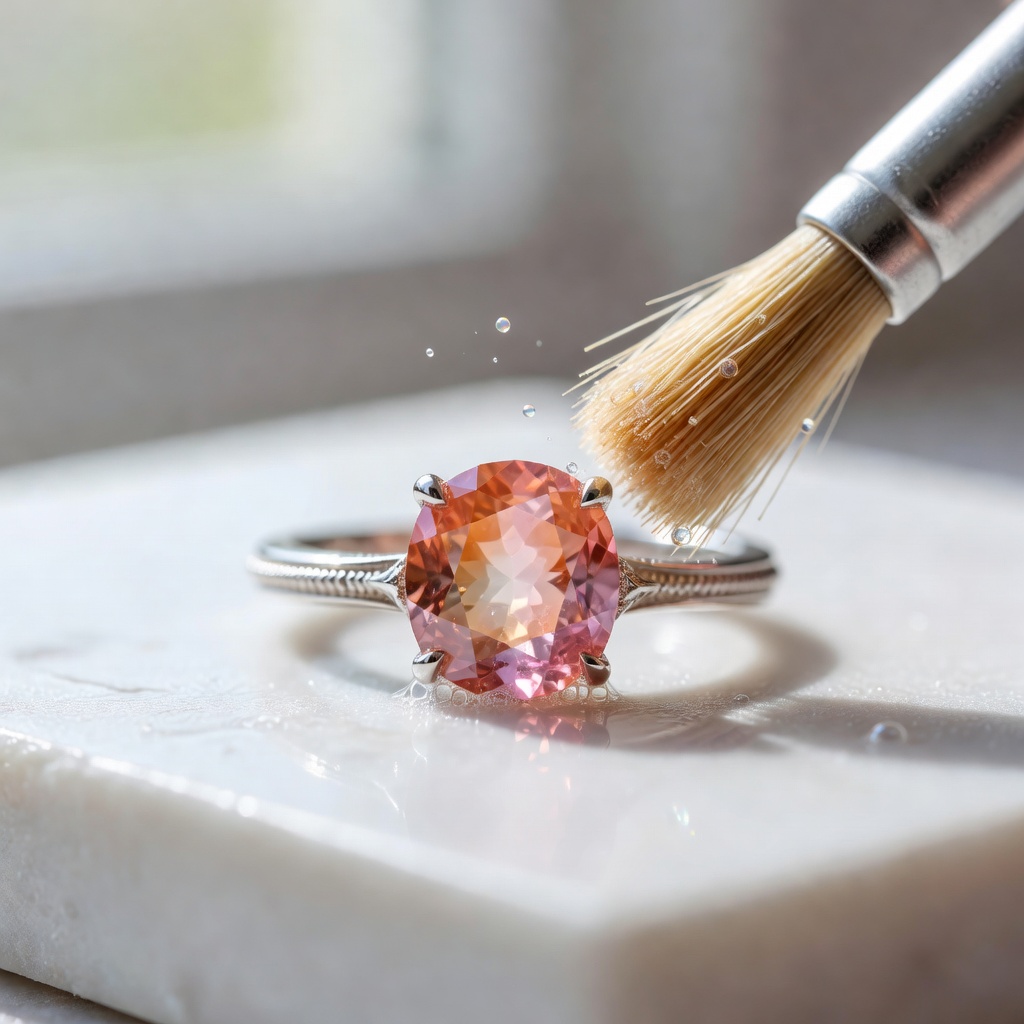
The safest and most effective method for padparadscha sapphire care and cleaning involves creating a gentle solution using warm water and mild dish soap free from degreasers or antibacterial additives. Fill a small bowl with lukewarm water—approximately 100-110 degrees Fahrenheit—and add two to three drops of gentle, phosphate-free dish detergent, stirring until dissolved. Avoid using hot tap water, as excessive heat can loosen certain types of setting adhesives or cause thermal stress to treated stones, and never substitute harsh cleaners like bleach, ammonia, or acetone for mild soap.
Brushing and Scrubbing Techniques
Once the solution is prepared, submerge the jewelry for 15-20 minutes to loosen accumulated oils and debris, then use a soft-bristled baby toothbrush or specialized jewelry brush to gently clean the stone and setting. Hold the piece securely while brushing along the grain of any prongs or bezels, paying particular attention to the underside of the stone where dirt commonly accumulates and blocks light reflection. Apply minimal pressure, allowing the soap and soft bristles to do the work rather than forcing debris loose with aggressive scrubbing that could bend prongs or scratch metal surfaces.
Rinsing and Drying Procedures
After cleaning, rinse the jewelry thoroughly under lukewarm running water, using a finger bowl or sink strainer to prevent accidental loss down the drain if the piece slips from your grasp. Pat the stone dry using a lint-free microfiber cloth or chamois, avoiding paper towels that can leave microscopic scratches on both the gemstone and metal setting. Allow the piece to air dry completely on a clean towel for an additional hour before storing, ensuring no moisture remains trapped between the stone and setting that could promote tarnishing or bacterial growth.
Professional Cleaning Services vs. DIY
Ultrasonic Cleaning Risks
Many jewelry owners mistakenly assume that ultrasonic cleaners provide the ultimate orange pink sapphire cleaning solution, but these devices can cause catastrophic damage to certain padparadscha specimens. The high-frequency vibrations that effectively dislodge dirt can also expand existing fractures, loosen inclusions, or cause fracture-filled stones to leak their stabilizing treatments, resulting in a cloudy or damaged appearance. Only untreated, inclusion-free padparadscha sapphires should ever be considered for ultrasonic cleaning, and even then, only under the supervision of a qualified gemologist who can verify the stone's treatment history.
Steam Cleaning Limitations
Steam cleaners offer an effective alternative for removing stubborn residues from durable gemstones, but they present specific challenges for padparadscha sapphire maintenance when the stones contain heat-sensitive inclusions or have undergone clarity enhancement treatments. The intense heat and pressure of steam can cause internal fractures to propagate or create new stress lines within the crystal structure, particularly in stones originating from certain geographic locations known for structural instability. Professional jewelers equipped with adjustable steam systems can safely clean these gems, but home steam units lack the precision controls necessary to prevent thermal damage.
When to Seek Professional Help
Schedule professional inspections immediately if you notice any looseness in the stone, visible damage to prongs, or a sudden change in the gem's brilliance that home cleaning cannot restore. Experienced jewelers possess the magnification tools and expertise necessary to detect early signs of setting wear, girdle damage, or developing fractures invisible to the naked eye. Additionally, any padparadscha jewelry subjected to significant impact, even without visible damage, warrants professional assessment to ensure internal structural integrity remains intact.
Proper Storage Solutions
Individual Storage Containers
Implementing proper padparadscha jewelry storage begins with selecting appropriate containers that protect each piece from physical contact with other items in your collection. Soft cloth pouches made from velvet or microfiber provide ideal protection for individual pieces, preventing scratches while allowing the stone to breathe and avoiding moisture trapping that can occur with plastic bags. For larger collections, invest in compartmentalized jewelry boxes with padded dividers that keep each item isolated, ensuring that rings, earrings, and pendants never touch one another during storage.
Separation from Harder Gemstones
Despite their impressive hardness rating, padparadscha sapphires can still suffer scratches and abrasions when stored alongside diamonds, moissanite, or other sapphires that may have sharp edges or rough surfaces. Always store padparadscha pieces separately from diamond jewelry, as diamonds can scratch other diamonds as well as sapphires, creating microscopic surface imperfections that dull the stone's brilliance over time. Consider organizing your jewelry box by hardness levels, keeping softer stones like opals and pearls in separate sections entirely, while maintaining padparadscha sapphires in their own dedicated compartments away from all other gems.
Environmental Control Measures
Maintaining stable environmental conditions proves crucial for long-term padparadscha stone protection, as extreme humidity fluctuations can cause metal settings to expand and contract, potentially loosening the gemstone. Store your jewelry in a cool, dry location away from direct sunlight, bathroom humidity, or kitchen heat sources, using silica gel packets or anti-tarnish strips in storage containers to absorb excess moisture. For valuable collections, consider a safe with climate control capabilities or a dedicated jewelry armoire located in interior rooms where temperature remains relatively constant throughout the year.
Chemicals and Environmental Hazards to Avoid
Water and Chlorine Exposure
Swimming pools and hot tubs present significant risks to rare sapphire care tips, as chlorinated water can react with metal alloys in settings, causing prongs to weaken or discolor while potentially etching the surface of treated padparadscha stones. Saltwater environments prove equally hazardous, as salt crystals can lodge beneath settings and cause abrasive damage during normal movement, while the corrosive nature of seawater accelerates metal deterioration. Always remove padparadscha jewelry before swimming, showering, or bathing, and if accidental exposure occurs, rinse immediately with fresh water and dry thoroughly to prevent chemical residue buildup.
Acidic Substances and Cleaning Agents
Common household substances including vinegar, lemon juice, wine, and tomato sauce contain acids capable of damaging padparadscha sapphires, particularly those that have undergone heat treatment or fracture filling to enhance clarity and color. Bleach and chlorine-based cleaners represent the most dangerous chemical hazards, capable of causing irreversible etching, discoloration, or structural degradation of both the gemstone and its mounting. Even prolonged exposure to hair coloring products, nail polish remover, or certain medications can affect these sensitive stones, necessitating removal before engaging with any chemical substances.
Light and Heat Damage Prevention
Prolonged exposure to intense sunlight or UV radiation can potentially fade or alter the delicate coloration of some treated padparadscha sapphires, though natural untreated stones generally exhibit excellent light stability. Store jewelry away from windowsills, car dashboards, or display cases with direct sunlight exposure, and never leave pieces in hot vehicles where interior temperatures can exceed 150 degrees Fahrenheit. When not wearing your padparadscha jewelry, keep it in a dark, temperature-controlled environment that mimics the stable conditions of professional vault storage facilities.
Setting-Specific Care Considerations
Prong Setting Maintenance
Rings featuring padparadscha sapphires in prong settings require particular vigilance regarding padparadscha sapphire maintenance, as these delicate metal claws can wear down, bend, or break through daily contact with hard surfaces. Inspect prongs monthly using a 10x jeweler's loupe, looking for signs of thinning, lifting away from the stone, or cracks in the metal that could indicate impending failure. If you notice the stone moving slightly within the setting, or if threads catch on the prongs when running a nylon stocking over them, cease wearing the piece immediately and consult a professional jeweler for retipping or rebuilding services.
Bezel and Channel Setting Challenges
Bezel settings, while offering superior padparadscha stone protection compared to prongs, present unique cleaning challenges as dirt and lotion accumulate beneath the metal rim that surrounds the gemstone. Use a wooden toothpick wrapped in soft cloth to gently remove debris from beneath bezel edges without scratching the metal, followed by thorough rinsing to ensure no residue remains trapped against the stone. For channel-set padparadscha bands, avoid ultrasonic cleaning that can cause adjacent stones to knock against one another, potentially chipping the girdles of these rare gems.
Earring and Necklace Care
Padparadscha earrings require regular inspection of friction backs, screw posts, or omega clips to ensure secure closure mechanisms that prevent loss during wear. Clean earring posts regularly with rubbing alcohol to remove body oils that can cause metal fatigue, and always store earrings connected to their backs to prevent bending or misalignment of posts. For padparadscha necklaces and pendants, inspect jump rings, clasps, and bails for signs of metal fatigue or opening gaps, particularly on pieces worn daily, as the weight of the stone can stress connecting elements over time.
Long-term Preservation Strategy
Professional Inspection Schedules
Establish a routine of annual professional inspections for all padparadscha sapphire jewelry, during which a qualified jeweler can assess stone security, setting integrity, and overall condition using specialized magnification and testing equipment. These yearly checkups allow for early detection of loose stones, worn prongs, or developing fractures before they result in catastrophic loss or damage, essentially serving as preventive maintenance for your valuable investment. Between annual visits, perform monthly home inspections using a bright LED light and magnification to identify any changes in the stone's appearance or setting stability.
Documentation and Insurance Updates
Maintain comprehensive documentation including original purchase receipts, laboratory certification reports from recognized institutions like GIA or SSEF, and updated insurance appraisals conducted every two to three years to reflect current market values. Photograph your padparadscha jewelry from multiple angles against neutral backgrounds, storing these images both digitally and physically in secure locations separate from the jewelry itself. As padparadscha sapphire care and cleaning protocols evolve and market values fluctuate, ensuring your insurance coverage reflects replacement costs protects against financial loss while providing peace of mind for daily wear.
Restoration and Enhancement Decisions
Over decades of wear, even well-maintained padparadscha sapphires may develop surface scratches or abrasions that require professional re-polishing to restore their original luster, though this process involves removing minute amounts of material and should be undertaken conservatively. In rare cases where damage significantly affects a stone's appearance, re-cutting by a master lapidary may be considered, though this alters the original dimensions and potentially affects value, requiring careful consultation with gemological experts. Document any restoration work performed, as future buyers or appraisers will need to know the stone's complete history to accurately assess its provenance and current condition.
Frequently Asked Questions
Can I clean my padparadscha sapphire with an ultrasonic cleaner?
While padparadscha sapphires rank 9 on the Mohs hardness scale, ultrasonic cleaning is risky if the stone has fractures, inclusions, or has been fracture-filled. It's safest to use warm soapy water and a soft brush at home, or consult a jeweler who can examine the stone's treatment history before using ultrasonic methods.
How often should I clean my padparadscha sapphire jewelry?
Clean your padparadscha sapphire every 2-4 weeks with mild soapy water to remove oil, lotion, and daily grime. For pieces worn daily, professional cleaning every 6-12 months ensures thorough maintenance of both the stone and setting, preserving the gem's distinctive orange-pink brilliance.
Is it safe to wear padparadscha sapphires every day?
Yes, padparadscha sapphires are durable enough for daily wear due to their hardness, but they require mindful care. Remove them during vigorous activities, household cleaning, swimming, or when applying cosmetics to prevent damage, scratches, or exposure to harsh chemicals that could dull the stone's rare coloration.
What is the best way to store padparadscha sapphire rings?
Store padparadscha rings in individual soft cloth pouches or separate compartments in a jewelry box to prevent scratching from harder stones like diamonds. Keep them away from direct sunlight in a cool, dry place, and avoid tossing them into a drawer where they can contact other jewelry pieces.
Can padparadscha sapphires be damaged by sunlight or heat?
Prolonged exposure to intense sunlight or high heat can potentially affect some treated padparadscha sapphires, though natural stones are generally stable. Avoid leaving your jewelry in hot cars, direct sunlight for extended periods, or near heat sources to preserve the delicate peach-orange-pink coloration that makes these gems valuable.
Should I remove my padparadscha ring before swimming or showering?
Always remove padparadscha sapphire rings before swimming in chlorinated pools or saltwater, as these can damage both the stone and metal setting over time. Soap and shampoo residue can also create buildup that dulls the gem's brilliance, so removal before showering is recommended for optimal maintenance.
How do I know if my padparadscha sapphire needs professional cleaning?
If home cleaning doesn't restore the stone's brilliance, if you notice loose prongs, visible inclusions becoming more apparent, or if the setting appears damaged, seek professional help immediately. Additionally, if the stone looks cloudy despite cleaning or shows color changes, a jeweler can assess for necessary treatments or repairs.
Can I use commercial jewelry cleaners on padparadscha sapphires?
Avoid commercial jewelry cleaners containing ammonia, bleach, or harsh chemicals, as these can damage padparadscha sapphires and their settings. Stick to mild dish soap and warm water for home care. If using commercial solutions, ensure they are specifically labeled safe for colored gemstones and sapphires.