Introduction to Onyx Valuation
Onyx represents one of the most visually striking yet economically diverse materials in the gemstone and architectural industries, captivating collectors and designers with its dramatic banded appearance. This banded variety of chalcedony quartz, characterized by parallel layers of alternating colors that create distinctive striped patterns, commands prices ranging from merely dollars to several hundred dollars per carat depending on quality and intended application. Understanding the dramatic valuation differences requires distinguishing between gemstone-grade specimens destined for fine jewelry and architectural varieties used for dramatic interior installations such as backlit bar fronts or bathroom vanities. This comprehensive Onyx Price Guide examines the multifaceted factors that influence pricing across both markets, providing collectors, designers, and investors with the knowledge necessary to make informed purchasing decisions and avoid common misrepresentation pitfalls.
Factors That Determine Onyx Value
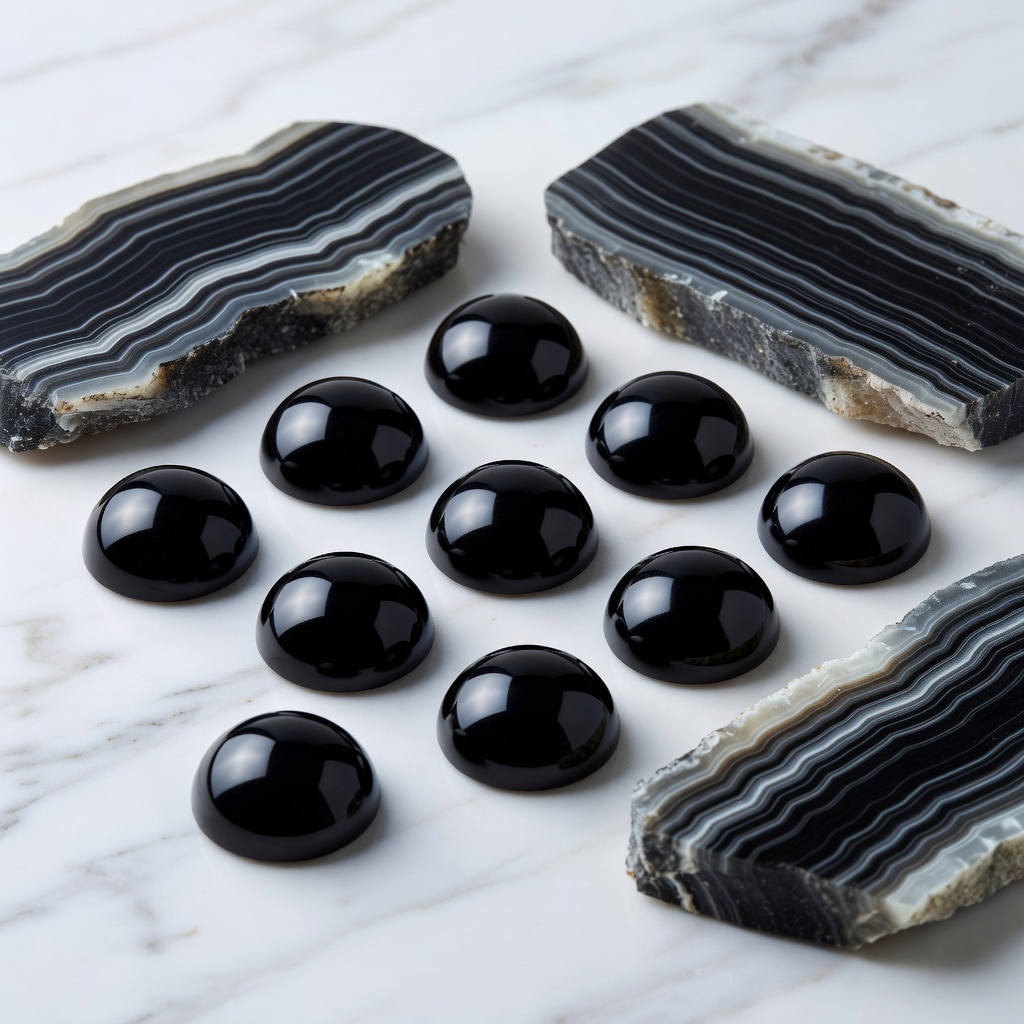
The Natural onyx stone value depends on several critical visual and structural characteristics that separate museum-quality specimens from commercial-grade material suitable only for fashion accessories. Color saturation serves as the primary value determinant, with jet-black specimens devoid of gray tones or brown undertones commanding significantly higher prices than those exhibiting charcoal variations that suggest inferior quality or incomplete dye penetration. Collectors particularly prize stones exhibiting distinct, parallel banding patterns that create striking contrast between alternating layers, especially when these bands demonstrate translucency under backlighting conditions that reveal the stone's internal structure. Cut precision dramatically affects marketability and final pricing, as poorly executed cabochons with uneven domes, lopsided profiles, or visible surface pits can reduce value by fifty percent or more compared to expertly polished specimens with mirror-like finishes that maximize light reflection.
Color Consistency and Depth
Premium black onyx should display uniform coloration throughout the entire specimen without cloudy patches or color zoning that indicates inconsistent mineral formation. When evaluating potential purchases, examine the stone under natural daylight and incandescent lighting to detect subtle variations that might compromise the piece's appearance in different settings. The deepest, most valuable black onyx maintains its intensity even under strong illumination, whereas inferior material reveals brownish or grayish undertones that significantly diminish commercial appeal and resale potential.
Banding Patterns and Translucency
While solid black onyx dominates the jewelry market, banded varieties featuring parallel white, brown, or red layers command specialized premiums among collectors and cameo carvers. The finest specimens display straight, evenly spaced bands that create geometric precision, with translucent qualities that allow light penetration up to several millimeters into the stone. Architectural buyers specifically seek slabs with dramatic veining patterns that create natural artwork when backlit, though such specimens require careful evaluation to ensure structural integrity despite the visual complexity.
Onyx Price Per Carat Breakdown
Understanding Black onyx price per carat requires categorizing material into distinct quality tiers that reflect treatment history, visual appeal, and market positioning within the gemstone industry. Commercial-grade onyx, which typically undergoes dyeing or heat treatment to achieve uniform coloration, dominates the mass-market jewelry sector with prices ranging from $1 to $10 per carat, making it accessible for fashion jewelry, beaded necklaces, and costume pieces where absolute natural authenticity remains secondary to aesthetic consistency. Fine quality natural black onyx, exhibiting consistent color without artificial enhancement and possessing excellent polish quality with no visible surface imperfections, generally commands $10 to $50 per carat, appealing to designers creating bespoke statement pieces and collectors seeking untreated specimens. Collector's grade specimens featuring rare natural colors, exceptional translucency, or historical significance can escalate to $50-$500+ per carat, particularly for vintage carved pieces from the Art Deco period or stones exhibiting unique optical phenomena such as chatoyancy in specific lighting conditions.
Commercial Grade Market Position
Mass-market onyx flooding big-box retailers and discount jewelry stores typically represents dyed agate or chalcedony treated to achieve the solid black appearance consumers expect. While perfectly acceptable for trendy pieces under $100, this material carries minimal resale value and may show dye concentration in cracks or surface pits under magnification. Buyers should expect to pay roughly $2-$5 per carat for standard calibrated cabochons in this category, with finished rings or pendants retailing between $25-$75 depending on metal settings.
Investment-Grade Specimens
At the upper echelons of the market, natural black onyx with documented provenance from specific localities such as Brazil or Uruguay commands significant premiums from serious collectors. Museum-quality specimens exceeding 50 carats with perfect polish and no visible inclusions might retail for $200-$500 per carat through high-end galleries or auction houses. These pieces typically include laboratory certification verifying natural color origin and often feature custom precision cutting that maximizes optical performance rather than weight retention.
Architectural Onyx and Slab Pricing
When evaluating Onyx slab cost for interior applications, pricing structures shift from per-carat measurements to square-foot calculations reflecting material dimensions, thickness, and installation complexity inherent to large-format stone. Standard slabs of common white or honey onyx varieties typically range from $50 to $150 per square foot, suitable for bathroom vanities, bar tops, and accent walls where dramatic veining creates visual interest without requiring the rarest material selections. Premium backlit installations utilizing rare Pakistani green onyx or deep red varieties can exceed $200-$400 per square foot when fabricated, requiring specialized lighting systems that highlight the stone's natural translucency and transform architectural elements into luminous art installations. Budgeting for architectural onyx demands consideration of supplementary expenses including reinforced cabinetry capable of supporting the material's weight, professional sealing treatments to prevent staining from acidic substances, and specialized handling fees due to the stone's fragility during transportation and installation.
Fabrication and Installation Considerations
Unlike granite or quartz, onyx requires experienced fabricators familiar with the material's tendency to chip along veining lines during cutting and polishing processes. Installation costs typically add $40-$80 per square foot beyond material acquisition, reflecting the need for precise templating, specialized epoxy anchoring systems, and potential steel rod reinforcement for fragile areas. Residential buyers should budget an additional fifteen to twenty percent for waste factors, as onyx slabs often contain internal fractures invisible until cutting begins, necessitating strategic layout planning to maximize usable material.
Backlighting Systems and Maintenance
The dramatic effect of backlit onyx installations justifies premium pricing but requires careful engineering of lighting systems to ensure even illumination without hot spots or shadow lines. LED panel systems specifically designed for stone backlighting cost $25-$50 per square foot but provide the consistent color temperature necessary to showcase the material's translucency effectively. Maintenance contracts for architectural onyx should include annual resealing services costing approximately $3-$5 per square foot to protect against etching from common household acids like lemon juice or vinegar that can permanently mar the polished surface.
Types of Onyx and Their Market Values
Banded onyx pricing varies significantly depending on geological composition and geographic origin, with true chalcedony onyx commanding substantial premiums over calcite varieties commonly mislabeled in the marketplace to capitalize on name recognition. Genuine black onyx consists of microcrystalline quartz with parallel banding visible upon close inspection, while sardonyx displays characteristic brown, red, or orange bands that create distinctive zebra-like patterns valued by cameo carvers and collectors seeking classical aesthetics. Mexican onyx value typically ranges between $2 and $20 per carat, reflecting its true identity as banded calcite rather than chalcedony, resulting in softer material (Mohs hardness 3) requiring careful handling, protective sealing in architectural applications, and limited suitability for high-wear jewelry pieces. Rare varieties including natural red onyx, chrome-green onyx, and the increasingly scarce Pakistani blue onyx command substantial premiums due to limited availability and exceptional aesthetic appeal in both luxury jewelry and decorative objects, often reaching $100-$300 per carat for fine specimens.
True Chalcedony vs. Calcite Varieties
Geological accuracy significantly impacts value, as true onyx (chalcedony) possesses the durability necessary for heirloom jewelry and high-traffic architectural installations, whereas calcite "onyx" requires protective measures and offers limited longevity. Buyers can distinguish between varieties using a simple hardness test: chalcedony onyx resists scratching by a steel knife blade (Mohs 6.5-7), while calcite scratches easily (Mohs 3) and reacts visibly to dilute acid applications. When purchasing Mexican material specifically, request written confirmation of chemical composition, as many sellers exploit the ambiguous terminology to justify inflated pricing for softer calcite specimens.
Sardonyx and Historical Significance
Sardonyx, featuring alternating layers of sard (brownish-red chalcedony) and white onyx, carries historical significance dating to Roman times when soldiers wore carved talismans believing the stone provided courage and protection. Contemporary values for fine sardonyx depend heavily on the contrast between color bands and the precision of parallel layering, with specimens suitable for detailed cameo carving commanding $30-$80 per carat. Antique sardonyx carvings from the Victorian or Art Nouveau periods may fetch $500-$2,000 depending on subject matter intricacy and preservation condition, particularly for pieces attributed to known lapidary artists or jewelry houses.
Grading Systems for Onyx Quality
Professional Onyx gemstone grading follows established hierarchies that help buyers understand quality distinctions before committing to significant investments, creating standardized expectations across international markets. The AAA classification designates museum or exhibition-grade material exhibiting perfect color uniformity, flawless surfaces without pits or cracks, and exceptional translucency without visible banding irregularities, typically reserved for investment-grade specimens and high-jewelry creations. AA grade indicates fine jewelry quality with minor natural inclusions acceptable to the naked eye but invisible when worn, while A grade encompasses commercial material suitable for mass-market production where absolute perfection remains secondary to affordability and availability. Certification from recognized laboratories such as GIA (Gemological Institute of America) or AGL (American Gemological Laboratories) significantly impacts valuation, as documented confirmation of natural versus treated origin can mean the difference between $5 and $500 per carat for seemingly identical appearing stones, providing essential due diligence documentation for insurance and resale purposes.
Treatment Disclosure Requirements
Ethical dealers must disclose treatments including dyeing, heat treatment, or polymer impregnation that enhance color or stability, though unscrupulous sellers occasionally misrepresent enhanced material as natural to justify premium pricing. Natural black onyx typically exhibits slight translucency at edges when held against intense light, whereas dyed agate appears uniformly opaque with color concentration visible in surface-reaching fractures under 10x magnification. Reputable grading reports specifically note "no indications of treatment" for natural specimens or detail enhancement methods for treated stones, allowing buyers to make informed decisions based on intended use and budget constraints.
Independent Laboratory Certification
For purchases exceeding $1,000, independent laboratory certification provides essential verification of material authenticity and treatment status, protecting buyers from sophisticated fraud involving assembled stones or dyed substitutes. Certification costs typically range from $50-$200 depending on stone size and laboratory reputation, representing a small percentage of total investment but providing invaluable documentation for insurance appraisal and future resale. When evaluating certificates, verify that the laboratory maintains ISO accreditation and employs spectroscopic analysis capable of detecting modern dye treatments that traditional observation might miss.
Where to Buy Onyx: Price Comparison
Strategic sourcing dramatically affects final acquisition costs, with wholesale gemstone districts offering opportunities to secure material at forty to sixty percent below retail pricing for knowledgeable buyers willing to navigate international markets. Bangkok's Silom district, Jaipur's Johari Bazaar, and Tucson's annual gem shows provide direct access to cutters and rough dealers who supply international jewelry houses, though buyers should possess gemological knowledge or hire local experts to verify quality claims and negotiate effectively across cultural boundaries. Online marketplaces present attractive pricing for Mexican onyx value shoppers and casual collectors, though the risks of receiving dyed agate misrepresented as natural onyx or computer-enhanced photography necessitate strict return policy verification and escrow services for high-value transactions. Architectural buyers seeking volume discounts for large residential or commercial projects should establish direct quarry relationships, particularly with Pakistani or Iranian operations, bypassing multiple markup layers while ensuring consistent slab matching for extensive installations requiring uniform veining patterns.
Wholesale District Strategies
Successful buying in wholesale districts requires understanding local business customs, cash payment preferences, and the expectation of immediate decision-making without extended contemplation periods common in Western retail environments. Buyers should carry a portable diamond grading light and 10x loupe for field examination, establishing credibility with sellers while protecting against purchasing material with hidden fractures or uneven color distribution. Building relationships with specific dealers over multiple visits often yields preferential pricing and first access to new material before public display, particularly valuable for acquiring rare colors or exceptional slab sizes.
Online Marketplace Risk Management
While platforms like eBay, Etsy, and specialized gem trading sites offer convenience and apparent savings, the anonymity of online transactions increases fraud risks significantly for untreated natural onyx purchases. Insist on high-resolution photographs taken in natural daylight showing the stone against a white background and through transmitted light to verify translucency and detect internal fractures. Utilize credit cards or payment services offering buyer protection rather than wire transfers, and factor in the cost of immediate independent appraisal upon receipt to verify that shipped material matches photographic representations and description claims.
Investment Potential and Resale Value
While onyx rarely generates the explosive appreciation seen in precious colored stones like rubies or emeralds, specific categories demonstrate steady value retention and modest growth potential for informed collectors focusing on rarity and craftsmanship. Liquid markets exist primarily for loose gemstone-grade material and finished fine jewelry, whereas architectural remnants or damaged slabs face significant depreciation due to limited resale venues, prohibitive transportation costs, and the difficulty of matching specific veining patterns for repair or expansion projects. Investment-grade specimens exhibiting antique provenance, such as Victorian-era carved cameos, Art Deco decorative objects, or Mughal-era engraved tablets, may appreciate three to five percent annually based on historical significance and craftsmanship quality that cannot be replicated economically today. Buyers should avoid treated stones for investment purposes, as dyeing processes often fade over decades creating value depreciation, and monitor interior design trends carefully, as the popularity of specific onyx colors fluctuates with changing aesthetic preferences in luxury real estate markets, potentially stranding inventory in declining color categories.
Liquidity Factors and Market Timing
Gemstone-grade loose onyx generally sells faster than architectural material due to lower shipping costs, broader buyer pools, and standardized grading that facilitates remote transactions without physical inspection. The resale market peaks during autumn months when jewelry manufacturers stock for holiday production, making October through December optimal timing for liquidating quality specimens. Conversely, architectural onyx remnants sell best during spring construction seasons when designers specify materials for summer installation projects, suggesting seasonal listing strategies for maximum exposure to qualified buyers.
Appreciation Catalysts
Specific characteristics drive appreciation beyond standard market movements, including documented provenance from closed mines, association with historical periods of exceptional lapidary art, or inclusion in published gemological collections. Natural red onyx from depleted Turkish mines, for example, has appreciated steadily as new extraction remains economically unfeasible, while perfectly preserved mid-century modern onyx sculptures by recognized artists command auction premiums exceeding material value by ten to twenty times. Documentation establishing chain of custody, exhibition history, or previous ownership by notable collectors significantly enhances investment-grade status and insurability.
Maintaining Value Through Proper Care
Preserving Natural onyx stone value requires adherence to specific maintenance protocols that prevent the etching, scratching, and color degradation common to improper handling or exposure to household chemicals. Cleaning should involve only mild soap and lukewarm water applied with soft microfiber cloths, as acidic cleaners, vinegar solutions, ammonia-based products, and ultrasonic cleaners can permanently damage the surface polish, compromise structural integrity in calcite varieties, and potentially remove dye treatments in commercial-grade material. Storage necessitates individual wrapping in acid-free tissue or soft cloth pouches to prevent contact scratching, particularly important given onyx's Mohs hardness of 6.5 to 7, which makes it susceptible to damage from harder gemstones like diamonds, rubies, or sapphires stored together in jewelry boxes. Professional re-polishing services, typically costing $50-$200 depending on piece complexity and local labor rates, can restore luster to worn cabochons and remove minor surface etching caused by chemical exposure or abrasion, effectively renewing the stone's market appeal and extending wearable lifespan by decades.
Environmental Protection Protocols
Onyx jewelry should never be worn during activities involving household cleaners, swimming pool exposure, or cosmetic application, as chlorine, alcohol, and acids permanently etch the polished surface creating dull spots that require professional restoration. When displaying architectural onyx, maintain stable humidity levels between forty-five and fifty-five percent to prevent the microscopic cracking that occurs when calcite varieties absorb and release atmospheric moisture cyclically. Direct sunlight exposure accelerates fading in dyed specimens, making UV-filtering window films essential for preserving color intensity in display cases or backlit installations near natural light sources.
Restoration and Re-polishing Considerations
While re-polishing restores appearance, each treatment removes minute amounts of material, potentially affecting calibrated sizes or delicate carvings if repeated excessively over decades. Select lapidaries specializing in soft stone restoration rather than general jewelers, as onyx requires specific wheel speeds and compound formulations distinct from harder gemstones like corundum or beryl. Document all professional maintenance performed, as detailed care history enhances resale value by demonstrating responsible stewardship and alerting future owners to any previous structural repairs or stability treatments.
Final Buying Recommendations
Navigating this Onyx Price Guide successfully requires systematic verification of material characteristics and seller credibility before finalizing transactions, regardless of whether purchasing loose gemstones or architectural slabs. Prospective buyers should demand written documentation distinguishing natural from treated stones, inspect carefully for surface-reaching cracks or pits under magnification using a 10x loupe, and confirm generous return policies allowing independent laboratory verification within reasonable timeframes. Red flags include unusually low pricing for claimed "natural" black onyx below market rates, blurry or filtered photography obscuring detail or color accuracy, and reluctance to provide certification for pieces exceeding $100 per carat or slabs priced above $200 per square foot. Maximizing value often involves purchasing rough material for custom cutting rather than finished goods, as pre-cut cabochons carry significant labor markups, though this strategy requires relationships with skilled lapidaries capable of maximizing yield from rough specimens and understanding optimal orientation for displaying banding patterns.
Pre-Purchase Verification Checklist
Before committing funds, verify seller reputation through gemological association memberships, Better Business Bureau ratings, or industry references from previous architectural clients. Request specific gravity testing results for loose stones to confirm chalcedony identity (2.58-2.64) versus calcite imposters (2.71), and examine return policies for restocking fees or shipping cost responsibilities that might complicate dissatisfied returns. For architectural purchases, insist on viewing actual slab photographs rather than representative samples, as natural stone variation means adjacent pieces from the same block may display dramatically different patterning.
Value Optimization Strategies
Consider purchasing calibrated sizes slightly smaller than standard dimensions, as cutters often discount non-standard measurements that don't fit commercial jewelry mountings despite identical quality. For architectural projects, buying remaining inventory from completed commercial installations can yield sixty to eighty percent discounts, though matching additional material later becomes impossible if repairs or expansions become necessary. Joining gemological societies or lapidary clubs provides educational resources and group buying opportunities that reduce per-carat costs while building expertise for independent quality assessment.
Frequently Asked Questions
How much does genuine onyx cost per carat?
Genuine black onyx typically ranges from $1 to $50 per carat for standard jewelry grades, while rare specimens with exceptional banding or unique colors can reach $100-$500 per carat depending on size, cut quality, and documentation of natural origin. Architectural slabs cost $50-$300 per square foot depending on rarity, thickness, and translucency characteristics, with installation and fabrication adding significant expense beyond material acquisition. Treated commercial-grade material occupies the lower end of these ranges, while untreated natural specimens with laboratory certification command premium positioning in the upper tiers.
Why is some onyx more expensive than others?
Price variations depend on color intensity with jet black commanding premium pricing over gray or brown undertones, banding pattern complexity and contrast that creates visual interest, and translucency when backlit that indicates high-quality material suitable for dramatic architectural applications. Whether the stone is natural or dyed significantly impacts valuation, with untreated specimens commanding multiples of treated material prices, while precision of the cut and polish quality affects both aesthetic appeal and durability. The rarity of specific varieties such as natural red or blue onyx, combined with increasing scarcity of high-quality rough material from traditional mining localities, drives prices upward for investment-grade specimens.
Is Mexican onyx real onyx?
Mexican 'onyx' is actually banded calcite, not true chalcedony onyx, representing a different mineral composition with distinct chemical and physical properties that affect durability and care requirements. It's generally less expensive ($2-$20 per carat), significantly softer (Mohs hardness 3 versus 6.5-7 for true onyx), and more porous than genuine black onyx, requiring protective sealing for architectural use to prevent staining from acidic substances. While beautiful for decorative carvings and certain interior applications, this material requires careful handling and realistic expectations regarding longevity compared to quartz-based onyx varieties.
How can I tell if onyx is dyed?
Check for color concentration in cracks or surface inconsistencies under magnification, as dye tends to accumulate in microscopic fissures creating darker lines that reveal artificial enhancement, and request gemological certification from sellers that specifically addresses treatment status using spectroscopic analysis. Examine the stone for unnatural uniformity in low-grade material, as natural black onyx often shows slight banding or translucency when held to light, while dyed agate appears suspiciously solid and opaque without the subtle variations characteristic of natural formation processes. Professional appraisal remains the most reliable method for detecting sophisticated modern treatments that resist visual detection by inexperienced observers.
What is the most valuable color of onyx?
Rare natural red onyx (sardonyx with vivid red bands), natural green onyx containing chromium traces, and pure jet-black onyx with mirror-like polish command the highest prices in both gem and architectural markets due to scarcity and aesthetic demand. Untreated specimens with distinct parallel banding in contrasting colors are particularly prized by collectors, while Pakistani blue onyx has emerged as a premium variety for luxury installations. The value hierarchy generally places natural red and green varieties at the apex, followed by exceptional jet black, with common banded white and honey varieties occupying accessible price points for mainstream consumers.
How much does an onyx countertop cost installed?
Onyx countertops typically cost $75-$250 per square foot installed for standard applications using common color varieties, with premium backlit installations reaching $300-$500 per square foot when including specialized lighting systems and reinforced support structures. These costs include specialized fabrication due to material fragility, multiple sealing treatments to protect against etching, and reinforced cabinetry to support the significant weight of thick stone slabs. Maintenance agreements adding $500-$1,000 annually for professional sealing and polishing should be factored into total ownership costs, as neglected onyx deteriorates rapidly in kitchen environments exposed to acids and heavy use.
Does onyx appreciate in value?
While common black onyx holds steady value without significant depreciation when properly maintained, rare specimens, antique carved pieces from specific historical periods, and exceptional architectural slabs with dramatic lighting effects may appreciate 3-5% annually under optimal market conditions. However, onyx is generally not considered a high-yield investment compared to precious gems like diamonds or rubies, as the market lacks the liquidity and standardized grading that facilitate rapid value increases. Investment success requires focusing on truly exceptional pieces with documented provenance, natural untreated status, and unique characteristics that distinguish them from commercially available material.
Is treated onyx worth buying?
Treated (dyed) onyx is acceptable for fashion jewelry under $50 per carat if properly disclosed by the seller, offering consistent color at affordable prices that make attractive jewelry accessible to broader markets without requiring mining rare natural material. For investment pieces or heirloom jewelry intended for generational transfer, natural untreated stones retain value better over decades, resist fading over time that compromises appearance, and are preferred by serious collectors who view treatments as value deductions. The key consideration remains transparent disclosure; treated onyx serves legitimate market needs but should never be misrepresented as natural to justify inflated pricing or deceive buyers regarding long-term value retention.