Introduction to Onyx Stone: Understanding This Luxury Material
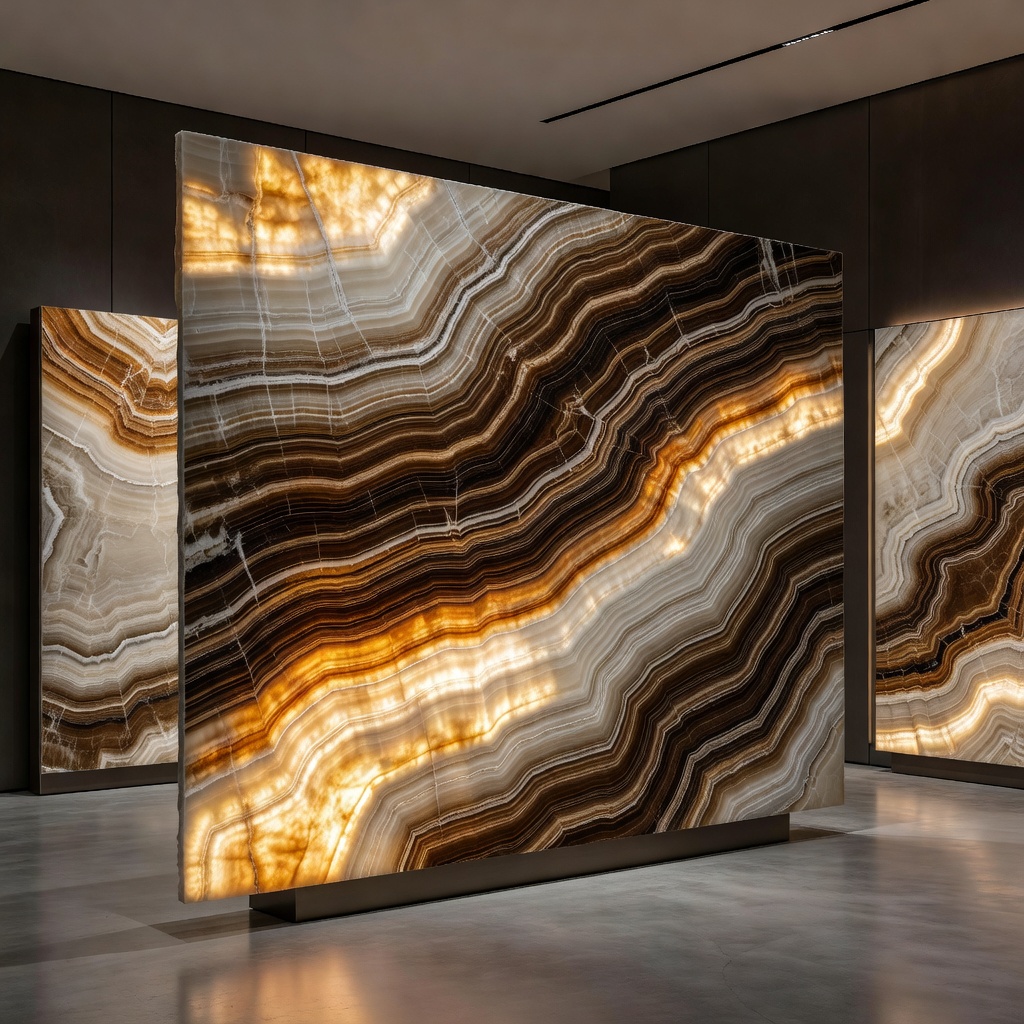
Onyx represents one of the most captivating materials available in the natural stone market, formed through the slow precipitation of calcium carbonate from spring water and limestone caves over thousands of years. Unlike igneous rocks such as granite, this sedimentary stone develops distinctive parallel bands and translucent qualities that allow light to penetrate its surface, creating an ethereal glow unmatched by other decorative materials. When embarking on your Onyx Buying Guide journey, understanding that natural onyx stone is significantly softer and more fragile than marble or granite becomes crucial for making informed decisions about its application in your home or commercial space.
The unique crystalline structure of onyx distinguishes it from conventional building materials, with light transmission capabilities that transform ordinary surfaces into luminous art pieces. Luxury residential designers frequently specify onyx for powder room vanities, statement bar tops, and dramatic feature walls where the material's inherent beauty can be showcased without exposure to heavy wear. Commercial applications include five-star hotel lobbies, high-end retail boutiques, and corporate reception areas where backlit onyx panels create memorable first impressions and reinforce brand positioning through sophisticated material selection.
Types and Varieties: Selecting the Right Onyx for Your Project
When evaluating natural onyx stone options, you'll encounter two primary classifications: banded onyx varieties characterized by parallel layers of contrasting colors, and solid-color onyx featuring more uniform pigmentation throughout the slab. Banded formations typically display striking alternating patterns of honey, cream, and amber tones, creating visual movement that mimics the stone's aqueous origins, while solid varieties like white onyx or green onyx offer consistent color fields ideal for contemporary minimalist designs. Understanding these distinctions helps ensure your selection aligns with both aesthetic goals and performance requirements specific to your installation environment.
Color selection significantly impacts both pricing and availability, with honey onyx and white onyx representing the most accessible options for residential projects. Pakistani green onyx commands premium pricing due to its deep emerald translucency and rarity, while pink onyx from Iranian quarries offers subtle rose tones perfect for feminine bathroom retreats or boutique hospitality settings. Mexican onyx, technically a form of banded calcite with slightly different mineral composition, provides warm butterscotch and caramel tones at more accessible price points, though it requires similar care to true onyx. Each geographic origin imparts distinct characteristics: Pakistani stones often exhibit superior translucency, Mexican materials tend toward warmer earth tones, and Iranian sources frequently yield larger slabs with minimal structural defects.
Quality Grading: How to Evaluate Onyx Stone Like a Pro
Understanding Onyx stone grades requires moving beyond superficial beauty to assess structural integrity, translucency consistency, and the presence of natural imperfections that could compromise longevity. Premium-grade onyx demonstrates uniform light transmission when backlit, with minimal shadowing or dark mineral deposits that indicate structural weaknesses or excessive veining that may crack under stress. When inspecting slabs, request that suppliers position samples against strong backlighting to reveal any resin fillers, epoxy repairs, or mesh backing that indicates previous cracking—common practices that affect both aesthetics and durability but are often invisible under standard showroom lighting.
Professional stone inspectors evaluate surface consistency by examining the slab's reverse side for fiberglass mesh or resin patches that manufacturers apply to stabilize fractured material. High-quality onyx should display consistent color depth from edge to edge without dramatic variations that suggest mineral impurities or oxidation patterns. Veining patterns deserve careful scrutiny: while attractive veining enhances visual interest, excessive or chaotic veining often indicates stress fractures within the stone matrix. For backlit applications specifically, reject slabs showing "dead spots" where light fails to penetrate, as these create uneven illumination that detracts from the material's signature glow.
Applications and Design: From Countertops to Feature Walls
The transformative potential of Backlit onyx panels represents the material's most compelling design application, utilizing LED technology to create living surfaces that change mood and ambiance throughout the day. Successful backlighting requires installing high-output LED panels or light boxes positioned 2-4 inches behind the stone surface, with diffusers to eliminate hot spots and ensure even illumination across the entire slab. Bathroom vanities particularly benefit from this treatment, where integrated lighting creates a floating effect that makes the stone appear to glow from within, transforming ordinary grooming spaces into spa-like sanctuaries.
Onyx countertop selection requires honest assessment of lifestyle factors and usage patterns, as this material ranks only 3-4 on the Mohs hardness scale compared to granite's 6-7 rating. While stunning for bar tops and powder room vanities where acidic spills are minimal, onyx proves problematic for high-traffic kitchen countertops subject to cutting, heavy cookware, and citrus exposure. Vertical applications like shower walls and fireplace surrounds showcase onyx beautifully while protecting it from impact damage, though proper waterproofing remains essential in wet environments. Reception desks and feature walls in commercial spaces maximize visual impact while minimizing wear, particularly when designers incorporate protective glass overlays or raised edges to prevent direct contact with abrasive materials.
Pricing Factors: Budgeting for Your Onyx Investment
Onyx marble price fluctuations reflect the material's rarity, with costs ranging from $50 per square foot for common honey varieties to over $250 per square foot for exceptional Pakistani green or pink specimens with perfect translucency. This pricing spectrum accounts for quarry extraction difficulties, as onyx forms in delicate cave systems requiring careful hand-harvesting rather than mechanical blasting used for harder stones. Slab thickness significantly impacts material costs: 2cm slabs suit vertical applications and backlit features where weight reduction matters, while 3cm thickness provides necessary structural integrity for horizontal surfaces like countertops, typically adding 30-40% to material costs.
Beyond raw material expenses, comprehensive budgeting must account for specialized fabrication fees that often exceed standard granite or quartz processing by 50-100% due to onyx's fragility. Installation costs escalate accordingly, requiring experienced stone masons familiar with proper handling techniques to prevent edge chipping during transportation and placement. Import duties and shipping expenses affect final pricing significantly, with Pakistani and Iranian materials incurring higher transportation costs than Mexican stones for North American buyers. When comparing quotes, verify whether pricing includes sealing treatments, edge profiling, and sink cutouts, as these essential services often appear as line-item additions that can double the initial material investment.
Sourcing and Supplier Evaluation: Finding Reputable Dealers
Successful Onyx Buying Guide implementation hinges on identifying suppliers with direct quarry relationships and transparent documentation regarding stone provenance and authenticity. Reputable dealers provide certificates of origin verifying whether your selection comes from Pakistani, Mexican, or Iranian quarries, information crucial for predicting color stability and structural characteristics. Examine supplier certifications from industry organizations like the Natural Stone Institute, which indicate adherence to ethical sourcing practices and quality standards that protect your investment from misrepresented materials or chemically treated stones disguised as premium grades.
Never rely solely on sample photos or small swatches when selecting onyx, as the material's translucent properties and veining patterns vary dramatically between slabs cut from the same block. Insist on viewing full slabs under both natural and artificial lighting conditions to assess true color representation and identify any resin repairs or structural compromises. Inquire about inventory turnover rates and storage conditions, as onyx slabs left exposed to warehouse humidity or temperature fluctuations may develop internal stresses that manifest as cracks months after installation. Establish clear return policies and inspection rights before depositing funds, ensuring you can reject slabs that fail to meet quality standards upon delivery.
Installation Requirements: Professional Setup Considerations
Onyx installation tips emphasize that DIY approaches are categorically inappropriate for this material, given its susceptibility to cracking under uneven pressure or improper handling during placement. Professional installers must evaluate substrate preparation carefully, ensuring cabinets and support structures can handle onyx's weight (approximately 12-15 pounds per square foot for 3cm material) while providing perfectly level surfaces that prevent stress concentrations. Plywood underlayment or cement board substrates require sealing to prevent moisture migration that could stain the stone from beneath, particularly critical for bathroom installations where humidity levels fluctuate dramatically.
Pre-installation sealing represents a non-negotiable step, with high-quality penetrating sealers applied to all surfaces—including edges and cutouts—before placement to prevent adhesive absorption that creates permanent discoloration. Transportation protocols demand A-frame vehicles with padded supports and vertical storage orientation, as horizontal transport risks cracking along natural veining planes. Installers must use color-matched epoxy rather than standard silicone for seams and undermount sink attachments, ensuring chemical compatibility with the calcium carbonate composition. Edge profiles require special consideration: while ogee and waterfall edges showcase the material's depth, they demand thicker slabs and experienced fabricators to prevent chipping during the cutting process.
Maintenance and Care: Protecting Your Onyx Investment
Daily maintenance of natural onyx stone requires pH-neutral cleaners specifically formulated for calcium-based stones, as acidic or alkaline products immediately etch the surface, creating dull spots that require professional refinishing. Unlike granite, which tolerates mild acids, onyx reacts violently to vinegar, citrus juices, wine, and harsh bathroom cleaners containing ammonia or bleach, necessitating immediate blotting (never wiping) of spills followed by rinsing with distilled water. Implementing preventative measures such as coasters under all beverages, cutting boards for food preparation, and felt pads beneath decorative objects significantly reduces scratch risks on this relatively soft surface.
Resealing schedules demand rigorous adherence, with high-quality penetrating sealers applied every 6-12 months depending on usage intensity and exposure to water or oils. Professional inspection should accompany resealing appointments, allowing stone care specialists to identify early signs of etching, pitting, or seam separation before they require extensive restoration. For minor scratches or dull spots, diamond powder polishing compounds applied with soft cloths can restore luster, though deep etching or chips require professional grinding and repolishing that removes material thickness. Establishing relationships with local stone restoration companies before emergencies arise ensures rapid response capabilities when accidental damage occurs, preserving your onyx's pristine appearance for decades.
Common Mistakes to Avoid When Buying Onyx
The most frequent error in Onyx countertop selection involves specifying the material for inappropriate applications, particularly high-traffic kitchen work surfaces or outdoor installations exposed to freeze-thaw cycles and UV degradation. Outdoor placement proves especially disastrous, as direct sunlight causes color fading and thermal expansion that cracks the stone, while rain exposure accelerates deterioration of any resin fillers used during fabrication. Similarly, installing onyx in high-traffic commercial flooring applications guarantees rapid deterioration, with foot traffic grinding away the polished surface within months and creating maintenance nightmares that replacement costs cannot justify.
Designers and homeowners frequently underestimate lighting requirements for translucent installations, purchasing beautiful backlit onyx panels but installing inadequate LED systems that create uneven hot spots or fail to showcase the material's depth. Another critical oversight involves selecting stone based solely on per-square-foot pricing without considering quality grades, resulting in slabs filled with structural resins that appear cloudy when illuminated or develop cracks shortly after installation. Finally, failing to inspect full slabs before fabrication begins often leads to disappointment when fabricated pieces reveal unexpected resin repairs or color variations invisible in small samples, emphasizing the importance of "slab viewing" appointments before cutting begins.
Final Checklist: Preparing for Your Onyx Purchase
Before finalizing your Onyx Buying Guide journey, conduct thorough pre-purchase inspections using a comprehensive checklist that includes backlight testing, surface continuity examination, and verification of slab dimensions against your project requirements. Document all observations through high-resolution photography, paying particular attention to veining patterns, any existing resin repairs, and color consistency across the entire slab surface. Review warranty terms carefully, noting that most suppliers offer limited warranties covering structural defects but exclude damage from improper installation, acidic spills, or normal wear—consider purchasing extended protection plans for high-value installations.
Coordinate delivery timing precisely with your fabricator's schedule, as onyx cannot tolerate extended storage in residential garages or construction sites where temperature fluctuations and humidity variations cause internal stress. If immediate installation proves impossible, store slabs vertically in climate-controlled environments with consistent 60-70 degree temperatures and low humidity, supported by A-frames with adequate padding to prevent edge damage. Confirm that your installer carries appropriate insurance coverage for high-value stone handling, and establish clear communication protocols regarding seam placement, edge profiles, and cutout locations before fabrication begins. With meticulous preparation and realistic expectations regarding this luxury material's limitations, your onyx investment will provide decades of stunning visual impact and sophisticated elegance.
Frequently Asked Questions
Is onyx more expensive than marble or granite?
Yes, onyx is typically 2-3 times more expensive than standard granite and significantly pricier than most marble varieties. This higher cost reflects its rarity, unique translucency, and the specialized handling required during quarrying and installation. Prices range from $50 to over $250 per square foot depending on color rarity and origin.
Can onyx be used for kitchen countertops?
While beautiful, onyx is generally not recommended for high-use kitchen countertops. With a Mohs hardness of only 3-4, it scratches easily and is highly susceptible to etching from acidic foods like lemon juice or vinegar. If used in kitchens, it requires extreme care, immediate spill cleanup, and is best limited to island tops or baking centers rather than main prep areas.
How do I check the quality of onyx before buying?
Always inspect slabs in person by holding them up to light to verify translucency consistency. Check for excessive resin fillers (indicated by glossy patches), examine the back of the slab for crack repairs, and look for uniform color saturation. High-quality onyx should have minimal pitting and consistent veining without dark mineral deposits that indicate weakness.
What is the best way to backlight onyx panels?
Use LED panels with even light distribution positioned 2-4 inches behind the stone for optimal glow. Avoid hot spots by using diffusers, and select color temperatures between 2700K-3000K for warm amber tones or 4000K for white/cool onyx. Ensure the backing material is reflective (white or mirrored) to maximize light transmission through the stone.
Does onyx require special maintenance compared to other stones?
Onyx requires more intensive maintenance than granite or quartzite. It needs pH-neutral cleaners exclusively (never vinegar or citrus), immediate cleanup of acidic spills, and resealing every 6-12 months depending on usage. Unlike harder stones, onyx cannot withstand abrasive scrubbing or harsh chemicals without surface damage.
Where does the best quality onyx come from?
Pakistan, Mexico, and Iran are considered the premier sources for high-quality onyx. Pakistani green onyx and honey onyx are particularly prized for their deep color saturation and excellent translucency. Mexican onyx (actually a form of banded calcite) offers beautiful warm tones, while Iranian sources provide exceptional white and pink varieties with minimal impurities.
Can onyx be repaired if it cracks or gets etched?
Minor surface etching can often be professionally polished out, though this removes material and should be done sparingly. Cracks typically require professional resin injection and color-matched filling followed by repolishing. However, repairs are often visible in backlighting applications, so prevention through proper care is essential for maintaining pristine appearance.
How thick should onyx slabs be for different applications?
For vertical applications like wall panels and shower surrounds, 2cm (3/4 inch) thickness is standard and sufficient with proper backing. Horizontal surfaces like countertops and bar tops require 3cm (1 1/4 inch) thickness for structural integrity. Backlit applications often use 2cm to maximize light transmission, while high-traffic commercial areas may benefit from 3cm regardless of orientation.