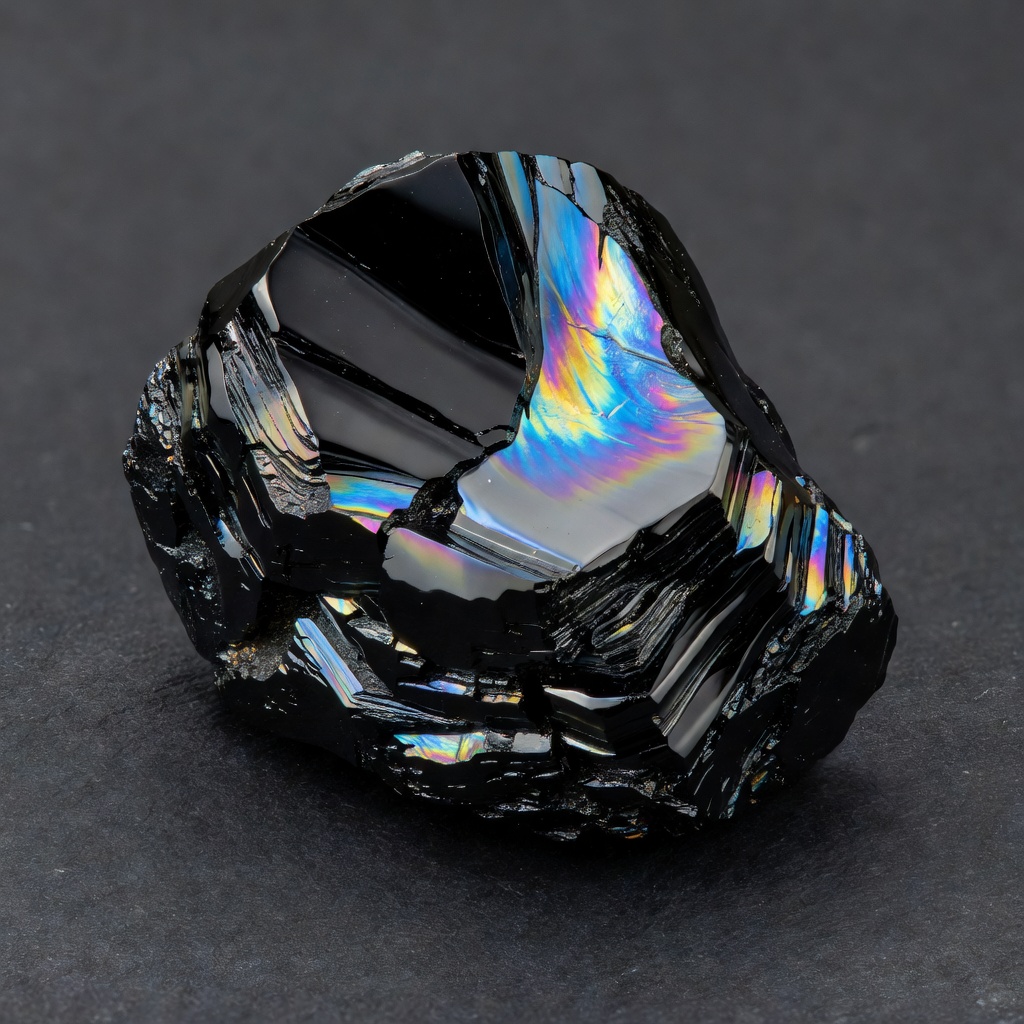
What Is Obsidian? Understanding the Basics
Obsidian represents one of nature's most fascinating geological phenomena, serving as a bridge between the raw power of volcanic activity and the refined beauty prized by civilizations for millennia. This natural volcanic glass forms when felsic lava extrudes from a volcano and cools rapidly with minimal crystal growth, creating a substance that is both scientifically intriguing and spiritually significant. Unlike traditional minerals that develop ordered crystalline structures over thousands of years, obsidian solidifies so quickly that atoms cannot arrange themselves into a crystalline lattice, resulting in an amorphous solid with unique properties. When exploring obsidian properties and information, it is essential to understand that while metaphysical communities often refer to it as a crystal, geologists classify it as a mineraloid due to its glass-like, non-crystalline structure.
Historical records reveal that ancient civilizations recognized the practical value of this sharp, durable material long before modern geology explained its origins. The Aztecs crafted macuahuitl weapons—wooden clubs embedded with razor-sharp obsidian blades capable of decapitating horses during the Spanish conquest. Similarly, prehistoric peoples across North America, Europe, and Asia fashioned arrowheads, knives, and scraping tools from locally sourced deposits, with archaeological evidence suggesting systematic mining operations dating back over 12,000 years. These early artisans appreciated the material's ability to fracture with conchoidal precision, creating edges sharper than any metal blade available to them.
In contemporary contexts, obsidian has experienced a renaissance beyond archaeological interest, finding profound popularity in crystal healing communities, holistic wellness practices, and fine jewelry craftsmanship. Modern practitioners value this stone for its intense grounding energy and protective qualities, while designers incorporate it into everything from meditation malas to statement rings. The distinction between obsidian and traditional crystalline minerals like quartz or amethyst remains important for collectors; whereas crystals grow slowly through mineral precipitation in water or magma, obsidian formation represents an instantaneous geological event frozen in time, capturing the volatile energy of volcanic eruption within its glossy, dark matrix.
Geological Formation and Origins
The creation of obsidian requires specific geological conditions that occur when high-silica magma reaches the Earth's surface and undergoes rapid thermal shock. During volcanic eruptions, felsic lava containing approximately 70-75% silica extrudes at temperatures between 1,100 and 1,200 degrees Celsius, then encounters water, air, or cooler ground surfaces that trigger immediate solidification. This obsidian formation process happens so swiftly—often within minutes—that mineral crystals lack the time to nucleate and grow, resulting in the characteristic glassy texture that defines natural volcanic glass. The chemical composition typically includes silicon dioxide alongside aluminum oxide, iron oxide, and trace elements that contribute to color variations, all suspended in a disordered atomic structure similar to manufactured glass but formed through purely natural processes.
Major deposits of gem-quality obsidian cluster around the Pacific Ring of Fire and other historically active volcanic regions, with certain locations producing material prized for specific characteristics. Oregon's Obsidian Cliff in Yellowstone National Park represents one of the most significant archaeological sources, where Native Americans quarried material for trade networks extending across the continent for over 11,000 years. California's Medicine Lake Highlands, Iceland's rhyolite lava fields, Japan's Mount Fuji region, and Mexico's Sierra de las Navajas each yield distinct varieties with unique optical properties and colorations. These deposits range in age from prehistoric flows that occurred millions of years ago to relatively recent formations created during historical volcanic events, with some Icelandic varieties dating to eruptions within the last millennium.
Geologists study these formations to understand past volcanic activity and plate tectonic movements, as obsidian layers provide precise chronological markers within stratigraphic sequences. The presence of water during cooling significantly influences the final product; when lava flows into lakes or oceans, the rapid quenching creates particularly pure, fracture-free material ideal for surgical applications. Conversely, slower cooling at the interior of thick lava flows may allow microscopic crystals to form, creating the spherulitic patterns seen in snowflake obsidian. Understanding these obsidian properties and information regarding formation helps collectors appreciate why certain varieties command premium prices while others remain abundant and accessible for everyday use.
Physical Properties and Characteristics
Examining the physical attributes of this volcanic glass reveals why it has remained valuable across technological epochs, from Stone Age toolmaking to modern surgical suites. On the Mohs hardness scale, obsidian registers between 5.0 and 5.5, making it sufficiently durable for jewelry yet soft enough to carve into intricate ceremonial objects. However, the most distinctive obsidian physical properties involve its fracture mechanics; when struck or pressure-flaked, the material breaks with a conchoidal (shell-like) pattern that creates curved, razor-sharp edges capable of cutting at the molecular level. This characteristic made it indispensable for prehistoric surgery and continues to make it valuable for modern medical applications where steel scalpels cannot achieve comparable precision.
The optical qualities of obsidian contribute significantly to its aesthetic and metaphysical appeal, displaying a vitreous (glassy) luster that ranges from opaque to translucent depending on thickness and purity. High-quality specimens held against strong light may reveal deep brown, green, or gray translucency even in varieties appearing jet black in normal lighting conditions. With a specific gravity of approximately 2.4, obsidian feels noticeably heavier than ordinary window glass but lighter than crystalline quartz, providing a tactile verification method for authenticating specimens. The brittle texture requires careful handling, as drops onto hard surfaces can cause shattering or chipping that ruins both the appearance and energetic integrity of pieces used for healing work.
Color variations extend far beyond the classic jet-black association, encompassing chocolate browns, smoky grays, and banded patterns created by flow lines within cooling lava. These flow patterns, visible in polished specimens, record the movement of viscous magma during the final moments of solidification, creating natural art that cannot be replicated artificially. Some rare varieties exhibit chatoyancy or asterism, displaying cat's-eye effects or star patterns when cut en cabochon. For those researching obsidian properties and information, understanding these physical characteristics provides essential knowledge for proper identification, safe handling, and appropriate setting selection when incorporating the material into jewelry designs that must accommodate its brittleness while showcasing its natural beauty.
Types and Varieties of Obsidian
The volcanic glass family encompasses a surprising diversity of visual presentations, each variety offering distinct energetic signatures and aesthetic qualities that appeal to different practitioners and collectors. Understanding the types of obsidian available allows enthusiasts to select specimens aligned with specific intentions, whether seeking the intense grounding of classic varieties or the gentle transformation offered by patterned forms. While all share the fundamental glassy composition, the inclusion of different minerals, gas bubbles, and cooling conditions creates a spectrum of appearances that range from solid midnight black to iridescent rainbow displays.
Black Obsidian: The Protective Shield
The most widely recognized and abundant variety, pure black obsidian, forms when lava cools without significant gas inclusions or mineral contamination, resulting in a deep, light-absorbing darkness that appears almost velvety in polished form. The black obsidian meaning centers on protection, grounding, and truth-revelation, with many spiritual practitioners considering it the most powerful stone for psychic shielding and negative energy absorption. This variety typically originates from the outer surfaces of lava flows where cooling occurred most rapidly, creating the purest glass without internal structures. Mexican and Oregon deposits produce particularly dense, jet-black material prized for scrying mirrors and protective talismans.
Snowflake Obsidian: Patterns of Transformation
This striking variety features white, gray, or cream-colored spherulites of cristobalite—a polymorph of quartz—that form within the glass matrix as the material devitrifies over geological time. These floral or snowflake-like patterns create a visual metaphor for the stone's metaphysical properties: finding beauty and structure within darkness, and recognizing that growth often requires patience. The contrast between black glass and white crystal inclusions makes each piece unique, with collectors valuing specimens showing symmetrical, well-defined patterns. Snowflake obsidian offers a gentler energy than pure black varieties, making it suitable for those beginning shadow work or emotional healing who might find the intensity of solid black overwhelming.
Rainbow Obsidian: Layers of Light
When thin layers of obsidian contain microscopic mineral inclusions or air bubbles aligned parallel to flow surfaces, they create thin-film interference that produces iridescent bands of purple, green, gold, and blue when viewed at specific angles. Gem cutters must orient these pieces carefully to maximize the play of color, typically cutting cabochons that display the phenomenon across curved surfaces. Rainbow obsidian connects strongly with the heart chakra, facilitating emotional healing and the integration of past trauma into wisdom. Mexican deposits, particularly those in Jalisco, produce the finest gem-quality material showing broad, vivid color bands.
Mahogany and Gold Sheen Obsidian: Iron-Rich Varieties
Iron oxide inclusions create warm, earthy tones in mahogany obsidian, where chocolate-brown to rust-colored layers swirl through black glass, while magnetite nanoparticles suspended in specific orientations produce the metallic golden or silver sheen seen in other varieties. These types bridge the grounding properties of black obsidian with the stabilizing, nurturing energies associated with earth tones. Gold sheen obsidian particularly resonates with the solar plexus chakra, supporting personal power and manifestation work. Both varieties typically form in flows where lava moved slowly enough to allow iron minerals to orient themselves while still cooling rapidly enough to prevent full crystallization, requiring precise geological timing that makes fine specimens relatively rare.
Metaphysical Properties and Healing Benefits
Practitioners of crystal healing have long revered obsidian for its intense vibrational frequency that facilitates deep psychological work and energetic protection. The obsidian healing properties operate on multiple levels simultaneously, addressing physical detoxification while clearing negative patterns from the auric field and subconscious mind. Unlike gentler stones that promote gradual healing, obsidian acts as a spiritual mirror, reflecting truths that require acknowledgment before true transformation can occur. This makes it an invaluable tool for those committed to authentic self-improvement and shadow integration, though its intensity recommends careful, intentional use rather than casual carrying.
As a grounding stone, obsidian creates a powerful connection between the root chakra and the Earth's core, helping individuals who feel scattered, anxious, or disconnected from their physical bodies to reestablish embodied presence. This grounding effect proves particularly beneficial during meditation, preventing the dissociation or spaciness that sometimes accompanies deep trance states. The stone's protective qualities extend beyond personal energy fields to include shielding against electromagnetic pollution from devices and environmental stressors, with many practitioners placing specimens near computers or wearing them during travel to maintain energetic boundaries in chaotic environments.
Emotionally, obsidian stone benefits include facilitating the release of long-held traumas, resentment, and fear patterns that manifest as physical tension or illness. Therapists and energy workers often incorporate obsidian into sessions focused on ancestral healing or past-life regression, as its truth-revealing properties help uncover the root causes of present-life challenges. Physically, traditional healing systems associate obsidian with detoxification processes, particularly supporting digestive health, liver function, and the elimination of toxins from the body. While these metaphysical associations should complement rather than replace conventional medical treatment, many users report enhanced clarity and physical vitality when working with this stone intentionally as part of holistic wellness protocols.
Spiritual Meaning and Crystal Uses
The black obsidian meaning extends deeply into spiritual traditions across cultures, where it serves as a tool for divination, protection, and consciousness expansion. Ancient Mesoamerican civilizations fashioned obsidian into mirrors used by priests and shamans for scrying—gazing into the reflective surface to receive visions, communicate with spirits, or predict future events. These polished disks, known as tezcatlipoca (smoking mirrors), represented divine omniscience and the capacity to see through illusion to underlying truth. Modern practitioners continue this tradition, using obsidian scrying mirrors or spheres as focal points for developing clairvoyance and accessing the subconscious mind's wisdom.
In meditation practices, obsidian crystal uses include serving as an anchor for consciousness during deep inner journeys. Holding a piece of obsidian or placing it at the feet during seated practice helps maintain the connection between the physical body and the exploring consciousness, ensuring that insights gained during meditation can be integrated into waking life. The stone's energy promotes the dissolution of energetic blockages and etheric attachments, making it valuable for cord-cutting rituals or auric cleansing ceremonies. Many spiritual practitioners create protective grids using four obsidian points placed at the corners of their meditation space, establishing a sanctuary where only high-vibrational energies may enter.
As a symbol of transformation, obsidian represents the alchemical process of turning darkness into light and pressure into beauty. Just as volcanic destruction creates the conditions for new obsidian to form, the stone teaches that personal breakdowns often precede breakthroughs. It encourages radical honesty and self-reflection, refusing to allow the user to hide from uncomfortable truths about themselves or their situations. For those engaged in spiritual shadow work—the process of integrating rejected aspects of the psyche—obsidian provides the courage to face what has been buried, offering protection and grounding throughout the difficult process of healing and wholeness.
Practical Applications and Modern Uses
Beyond metaphysical applications, obsidian continues to serve practical functions that leverage its unique physical properties, demonstrating that this ancient material remains relevant in contemporary technology and design. The obsidian stone benefits extend into medical science, where obsidian blades are used for surgical procedures requiring precision beyond what steel can achieve. When properly knapped, obsidian edges measure only 3 nanometers thick—approximately one molecule wide—allowing for incisions that minimize tissue trauma and scarring. Some surgeons prefer obsidian scalpels for delicate plastic surgery and eye operations, though the blades' brittleness limits their reuse.
Jewelry designers value obsidian for its ability to take a high polish and its relative affordability compared to precious gems, creating everything from beaded bracelets to intricate carved pendants. When set in protective bezels that shield edges from impact, obsidian makes striking statement pieces that carry energetic benefits throughout the day. However, jewelers must account for the material's brittleness, avoiding settings that expose thin edges to pressure and warning clients against wearing obsidian rings during activities that might cause impact.
In feng shui and space clearing, practitioners place obsidian near entryways to absorb negative energies before they enter living spaces, or position it near electronic devices to mitigate electromagnetic field effects. Archaeologists utilize obsidian hydration dating techniques, measuring the microscopic layer of water absorption on tool surfaces to determine when ancient peoples manufactured specific artifacts. This scientific application highlights the obsidian properties and information locked within each piece, connecting modern researchers directly to the technological practices of ancestors who recognized the same sharp edges and glassy beauty thousands of years ago.
How to Care for Your Obsidian Stones
Proper maintenance of obsidian ensures both the longevity of the physical specimen and the preservation of its energetic potency. While durable enough for daily use, this volcanic glass requires specific handling protocols due to its brittle nature and sensitivity to harsh chemicals. Regular cleansing maintains the stone's appearance and prevents the accumulation of stagnant energies that can diminish its effectiveness for healing work. Understanding these care requirements represents essential obsidian properties and information for anyone serious about building a lasting relationship with this powerful mineraloid.
For physical cleaning, use only mild soap and lukewarm water with a soft cloth or brush, avoiding ultrasonic cleaners, steam, or harsh chemical solvents that can etch the glass surface or loosen any adhesives used in jewelry settings. Dry specimens immediately with a lint-free cloth to prevent water spots, particularly on polished scrying mirrors where clarity matters. Store obsidian pieces separately from harder stones like diamonds or sapphires in padded cloth bags or individual compartments, as contact with harder materials can scratch the surface or cause chipping along fragile edges.
Energetic cleansing methods align with the stone's elemental associations with earth and fire. Running water effectively neutralizes accumulated negative energies, though brief rinsing suffices—prolonged soaking is unnecessary and potentially risky for pieces with matrix inclusions. Smudging with white sage, palo santo, or cedar clears the auric field of the stone, while placing specimens in moonlight during the waning phase supports release work. Some practitioners bury obsidian in soil for 24 hours to ground and recharge it, though this method risks moisture damage if the stone is not properly sealed. Given the sharpness of raw pieces, always handle rough obsidian with care, wearing protective gloves when moving large specimens and keeping all forms away from children who might accidentally cut themselves on exposed edges.
Identifying Genuine Obsidian vs. Imitations
The popularity of obsidian in both jewelry and metaphysical markets has unfortunately led to the proliferation of imitations, making authentication skills valuable for serious collectors. Genuine volcanic glass possesses specific characteristics that distinguish it from manufactured glass, plastic resins, or dyed stones masquerading as natural material. Learning to identify authentic specimens ensures that practitioners receive the genuine obsidian properties and information they seek for healing work, rather than the inert energy of factory-produced counterfeits.
Visual inspection provides the first line of defense: natural obsidian exhibits conchoidal fracture patterns with curved, shell-like ridges when broken, whereas manufactured glass often shows concentric fracture circles or flat, sharp edges. Authentic pieces may contain natural inclusions such as tiny phenocrysts, flow lines, or gas bubbles that appear elongated or irregular, compared to the perfectly round bubbles often found in pressed glass imitations. Color in natural obsidian shows subtle variations and depth, while fake pieces may display unnaturally uniform coloration or obvious dye concentrations in cracks.
The temperature test offers another verification method; genuine obsidian feels noticeably cooler to the touch than room temperature and maintains this coolness longer than ordinary glass due to its density and specific heat capacity. When struck gently against porcelain, obsidian produces a distinctive ringing tone compared to the dull thud of plastic imitations. For high-value purchases, request certificates of authenticity from reputable dealers who source directly from known mining locations and can provide provenance information. Be particularly wary of "rainbow obsidian" sold at suspiciously low prices, as genuine material with strong iridescence commands premium prices due to its rarity and difficulty in cutting.
Conclusion: Working with Obsidian Energy
Integrating obsidian properties and information into your spiritual practice or crystal collection offers profound opportunities for growth, protection, and transformation. Whether drawn to this stone for its geological significance as frozen volcanic energy, its historical importance to human technological development, or its powerful metaphysical attributes, obsidian demands respect and intentionality in use. Unlike gentler crystals that offer subtle support, obsidian acts as a catalyst for rapid change, mirroring back the aspects of ourselves and our environments that require attention and healing.
When selecting specimens, consider your specific needs and experience level; those new to energy work might begin with snowflake or mahogany varieties that offer gentler frequencies, while experienced practitioners may gravitate toward pure black obsidian for intensive protection or shadow work. Regardless of variety, prioritize ethical sourcing by purchasing from dealers who respect mining sites and local communities, ensuring that your spiritual tools carry clean energy from extraction through acquisition. As you develop relationships with these pieces, remember that obsidian teaches through reflection—showing you not what you wish to see, but what you need to see to evolve.
By incorporating obsidian crystal uses into meditation, space clearing, and personal adornment, you connect with an ancient lineage of humans who recognized this material's unique qualities. Whether gazing into a scrying mirror seeking visions, wearing a protective pendant during challenging times, or simply displaying a specimen as a reminder of the transformative power hidden within darkness, obsidian serves as a faithful companion on the journey toward authenticity and wholeness. Handle it with care, cleanse it regularly, and approach it with the reverence due to a substance born from Earth's most dramatic creative forces.
Frequently Asked Questions
Is obsidian a crystal or a stone?
Obsidian is technically a mineraloid volcanic glass, not a true crystal, because it cooled too rapidly for crystalline structures to form. While often called a crystal in metaphysical contexts, geologically it lacks the crystalline lattice that defines true minerals like quartz. This distinction matters for understanding its physical properties, as the amorphous structure creates the conchoidal fracturing and glassy luster that distinguish obsidian from crystalline rocks.
What are the main healing properties of black obsidian?
Black obsidian is renowned for powerful grounding and protection properties. It shields against negativity, aids in emotional healing and shadow work, helps release trauma, and supports detoxification processes. Many practitioners use it for root chakra balancing and psychic protection, finding that it creates an energetic barrier against electromagnetic pollution and psychic attack while facilitating the release of stored emotional pain.
How can you tell if obsidian is real?
Genuine obsidian has a glassy luster with conchoidal (shell-like) fracture patterns, feels denser and cooler than manufactured glass, and may contain natural inclusions like tiny crystals or gas bubbles. Fake obsidian often contains perfectly round bubbles, uniform coloration, or feels plastic-like. The temperature test proves particularly reliable—authentic obsidian maintains a cool sensation against the skin longer than synthetic alternatives due to its specific thermal properties.
Where is obsidian found in nature?
Obsidian forms near active or extinct volcanic regions with felsic lava composition. Major deposits exist in Oregon (Obsidian Cliff), California, Iceland, Japan, Mexico, Armenia, and New Zealand. It requires specific geological conditions where lava cools rapidly with high silica content, typically occurring at the edges of lava flows or where magma contacts water. Each location produces material with slightly different trace element compositions, affecting color and metaphysical properties.
Can obsidian be dangerous to handle?
Yes, raw obsidian can be extremely dangerous due to its conchoidal fracture creating edges sharper than surgical steel. Ancient civilizations used it for weapons and cutting tools precisely because of this sharpness. Always handle rough obsidian carefully to avoid severe cuts, wearing protective gloves when necessary, and keep away from children who might not recognize the hazard. Even small flakes can cause deep lacerations requiring medical attention.
Which chakra is obsidian associated with?
Black obsidian primarily resonates with the root chakra (Muladhara), promoting grounding, security, and survival instincts. However, different varieties connect with other chakras: snowflake obsidian with the crown, rainbow obsidian with the heart, and gold sheen with the solar plexus. This versatility allows practitioners to select specific types based on which energy centers require balancing or activation during healing sessions.
How do you cleanse and charge obsidian crystals?
Cleanse obsidian by rinsing under running water, smudging with sage or palo santo, or placing in moonlight overnight. Avoid prolonged salt exposure which can scratch the surface. Charge by burying in earth, placing on selenite, or setting intentions during meditation. Due to its strong absorptive properties, obsidian requires more frequent cleansing than many other stones, particularly after intensive healing work or exposure to negative environments.
What is the difference between obsidian and onyx?
Obsidian is volcanic glass formed from rapidly cooling lava, while onyx is a banded variety of chalcedony (microcrystalline quartz). Obsidian has a glassy luster and conchoidal fractures, whereas onyx has a waxy luster, parallel banding, and greater hardness (6.5-7 on Mohs scale). While both appear black and serve protective functions in crystal healing, they require different care approaches and possess distinct geological origins and physical properties.