Introduction to Obsidian Valuation
Obsidian, a naturally occurring volcanic glass formed when felsic lava extruded from a volcano cools rapidly with minimal crystal growth, has captivated collectors and jewelry makers for millennia. This Obsidian Price Guide serves as your comprehensive resource for understanding the complex pricing structures that range from budget-friendly rough material to premium collector specimens costing hundreds of dollars per pound. The global market for obsidian continues to expand beyond traditional lapidary applications into metaphysical markets and fine art sculpture, creating diverse valuation tiers that can confuse novice buyers. Understanding the fundamental characteristics that drive obsidian pricing—from chemical composition to geographical rarity—empowers you to make informed purchasing decisions whether you are buying raw material for tumbling or investment-grade display pieces.
The monetary value of obsidian spans an extraordinarily wide spectrum, with common black varieties selling for as little as one dollar per pound at mineral shows, while exceptional fire obsidian specimens from specific Oregon deposits can command prices exceeding five hundred dollars per carat. This dramatic price variation stems from factors including visual appeal, structural integrity, size, and provenance, creating distinct market categories that appeal to different buyer demographics. Before entering the marketplace, familiarize yourself with industry terminology such as "sheen," "fire," "flow lines," and "inclusions," as these descriptors significantly impact valuation discussions with vendors and online sellers.
Key Factors That Determine Obsidian Value
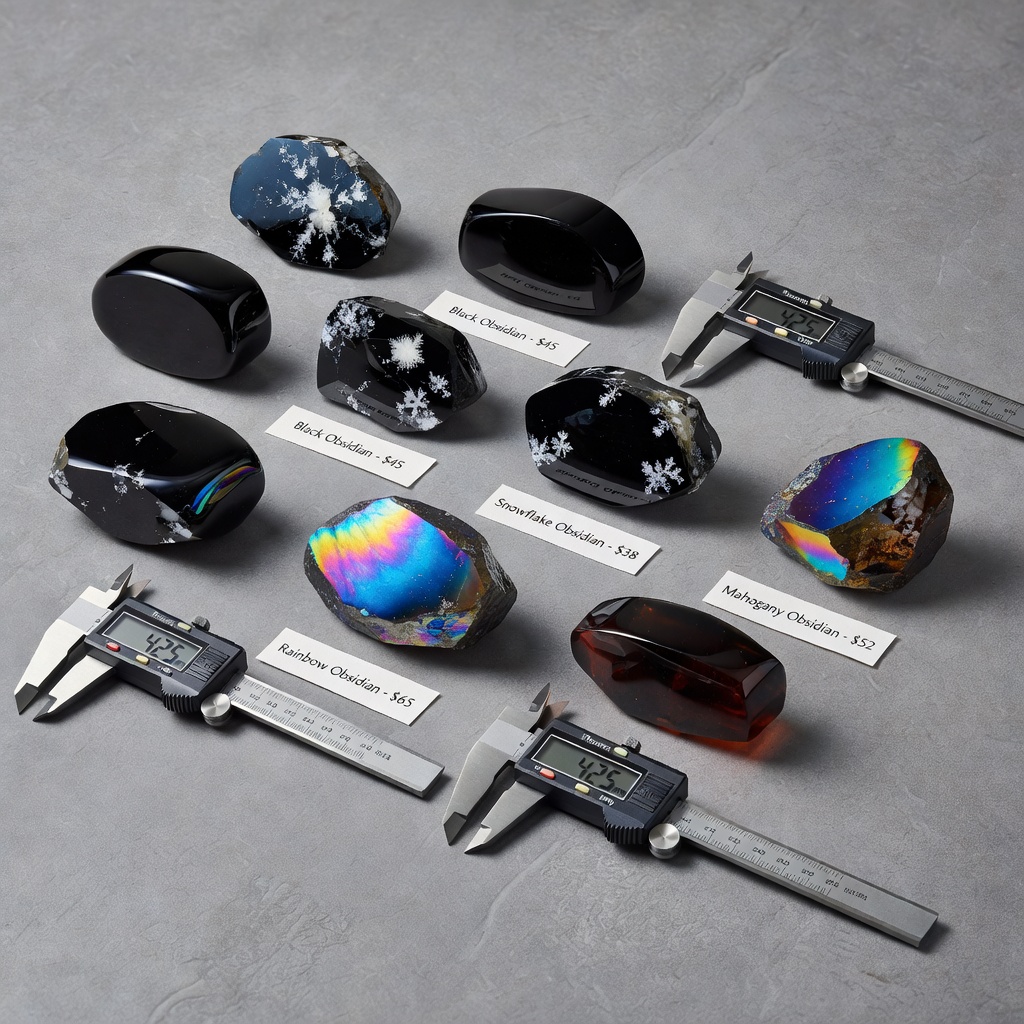
Several critical characteristics establish the baseline for obsidian valuation across all varieties and market segments. Color intensity serves as the primary value determinant, with saturated jet-black specimens or those displaying vivid iridescence commanding premium prices compared to washed-out or brownish material. Pattern rarity creates distinct pricing tiers, wherein obsidian containing cristobalite crystals forming snowflake patterns, magnetite nanoparticles creating rainbow sheens, or iron oxide inclusions producing mahogany banding can increase value by ten to fifty times over plain black material.
Size and Weight Considerations
The relationship between size and value differs significantly depending on whether you are purchasing for jewelry production or specimen collection. Lapidary artists typically seek smaller pieces ranging from one to five pounds, prioritizing absence of fractures over massive size, while collectors often pay substantial premiums for large, display-quality boulders exceeding fifty pounds that showcase natural flow patterns. When evaluating obsidian value per carat, jewelry-grade material requires flawless clarity and specific dimensions suitable for cabochon cutting, whereas rough collectors might prioritize unusual shapes or unique surface textures that indicate volcanic formation processes.
Clarity and Structural Integrity
Natural imperfections play a paradoxical role in obsidian pricing, as the absence of cracks and fractures increases value for lapidary purposes, while certain inclusions like spherulites or gas bubbles can enhance collector interest depending on their aesthetic presentation. Premium specimens exhibit glassy luster with conchoidal fracture patterns that create sharp edges when broken, characteristics that indicate high silica content and rapid cooling conditions. Source location dramatically affects pricing due to mining difficulty and transportation costs; for example, obsidian harvested from remote Papua New Guinea deposits or specific protected American sites like Obsidian Cliff in Yellowstone National Park carries location premiums due to restricted access and limited supply.
Black Obsidian Market Prices
Common black obsidian represents the most accessible entry point into volcanic glass collecting, with pricing structures that reflect processing levels and visual quality grades. Commercial-grade rough black obsidian, suitable for tumbling, landscaping, or basic lapidary work, typically ranges between two and ten dollars per pound when purchased in bulk quantities from wholesale distributors or direct-from-mine operations. This material often exhibits minor fracturing, variable color saturation, and surface weathering that requires trimming before use in finished projects.
High-Grade and Specialty Black Obsidian
Jet-black obsidian with mirror-like glassy luster and complete absence of internal fractures commands significantly higher black obsidian price premiums, often reaching twenty to fifty dollars per pound for select pieces suitable for precision arrowhead knapping or high-end jewelry. Bulk wholesale pricing for lapidary artists purchasing hundred-pound lots typically reduces per-pound costs to one to three dollars, though shipping heavy obsidian requires careful calculation of freight expenses that can exceed material costs for distant buyers. Carved black obsidian artifacts, including spheres, skulls, or animal figures, follow entirely different valuation metrics based on artisan reputation, carving complexity, and polish quality, with museum-quality pieces potentially retailing for thousands of dollars regardless of raw material weight.
Premium Varieties: Snowflake and Rainbow Obsidian
Beyond standard black material, specialized varieties command distinct market premiums based on optical phenomena and inclusion patterns that create visual interest. Understanding these premium categories helps collectors allocate budgets effectively when building diverse collections or sourcing material for distinctive jewelry lines.
Snowflake Obsidian Valuation Criteria
Snowflake obsidian value derives primarily from the density, contrast, and symmetry of gray-white cristobalite crystal inclusions suspended within the black glass matrix. Premium specimens display distinct, well-defined "snowflakes" ranging from three to ten millimeters in diameter with sharp contrast against the darkest possible background material. Pricing for high-grade snowflake obsidian rough typically ranges from fifteen to forty dollars per pound for material suitable for cabochon cutting, while exceptional display pieces with three-dimensional spherulite clusters can exceed one hundred dollars per pound depending on overall aesthetic presentation and size.
Rainbow Obsidian Cost Factors
Rainbow obsidian cost correlates directly with sheen intensity and the breadth of color spectrum visible under direct lighting conditions, with specimens displaying gold, purple, green, and blue iridescence commanding the highest premiums. The optical effect results from magnetite nanoparticle layers oriented parallel to flow surfaces, meaning that proper cutting orientation is essential to maximize value—rough material showing surface sheen might retail for ten to thirty dollars per pound, while properly oriented cabochons can sell for fifty to two hundred dollars per carat depending on color intensity. Gold sheen and silver sheen varieties represent intermediate pricing tiers, typically ranging from twenty to sixty dollars per pound for quality rough material, though these varieties often exhibit more consistent sheen distribution than full rainbow specimens, making them popular for production jewelry.
Raw vs. Polished Obsidian: Price Differences
The transformation from rough volcanic glass to finished product involves significant value-added costs that buyers must consider when budgeting for obsidian acquisitions. Understanding raw obsidian worth versus processed material pricing helps determine whether to invest in lapidary equipment or purchase finished pieces directly.
Rough Material Economics
At mineral shows and mining operations, rough obsidian nodules and Apache tears—small, rounded obsidian pebbles formed by water erosion—typically sell for one to five dollars per pound for common varieties, with premium patterns commanding proportionally higher rates. Apache tears specifically, named for a Native American legend and characterized by their small, translucent, rounded form, often sell for five to fifteen dollars per pound retail due to their popularity in wire-wrapped jewelry and metaphysical applications. Purchasing rough material requires knowledge of cutting yield, as obsidian frequently contains internal fractures invisible until slabbing, meaning that a ten-pound rough piece might only yield two pounds of usable material after trimming.
Processing Cost Analysis
Professional lapidary services typically charge between twenty-five and seventy-five dollars per hour for cutting and polishing obsidian, with simple cabochons requiring one to two hours of work and complex spheres or sculptures requiring ten to twenty hours or more. Tumbled stone pricing reflects bulk processing efficiencies, with commercial tumbling operations selling high-quality polished black obsidian for ten to twenty dollars per pound retail, while single museum-grade tumbled specimens might cost five to twenty dollars each depending on size and perfection. Hand-carved obsidian art incorporates artistic premium multiples beyond material costs, with skilled artisans charging based on design complexity, tool wear (obsidian is extremely abrasive), and reputation, resulting in sculpture prices that often bear little relationship to the underlying weight of volcanic glass used.
Understanding Price Units: Carat vs. Pound
Navigating obsidian markets requires fluency in converting between different weight-based pricing structures, as vendors may quote material per pound, per kilogram, per carat, or per piece depending on the intended application and quality grade. Jewelry-grade material, particularly for high-end varieties like fire obsidian or gem-quality rainbow material, typically warrants per-carat pricing ranging from fifty cents to five dollars per carat for standard qualities, with exceptional specimens exceeding one hundred dollars per carat.
Bulk Purchasing Strategies
For rough material and tumbling stock, obsidian price per pound remains the standard industry metric, with bulk discounts typically triggering at fifty-pound, hundred-pound, and tonnage quantities for commercial buyers. When comparing vendor pricing, calculate total acquisition cost including shipping, as obsidian's density (approximately 2.4 grams per cubic centimeter) makes freight expenses substantial for large orders; a fifty-pound box shipped across the United States might incur thirty to sixty dollars in shipping fees, effectively doubling the material cost for inexpensive common varieties. Conversion calculations reveal that one pound equals approximately 2,268 carats, meaning that rough material priced at five dollars per pound equates to roughly one-fifth of a cent per carat, illustrating why per-carat pricing only becomes relevant for finished gemstones or exceptional rough specimens.
Mahogany and Apache Tears Pricing Guide
Distinctive pattern varieties create specialized market niches with unique valuation criteria based on geological formation processes and visual appeal. Mahogany obsidian price structures reflect the complexity and contrast of iron oxide-rich bands streaking through the black glass matrix, with premium material displaying well-defined, parallel layering resembling wood grain.
Varietal-Specific Valuation
High-quality mahogany obsidian suitable for lapidary work typically ranges from eight to twenty-five dollars per pound, with value increasing when banding patterns create distinct geometric designs or when material displays chatoyant effects under specific lighting angles. Apache tears, small nodular obsidian pieces popular for jewelry and collections, generally sell for ten to thirty dollars per pound for quality translucent material, though individual specimens exceeding two inches in diameter might be priced per piece at five to fifteen dollars each. Location-specific premiums apply to specimens from renowned deposits, such as the Glass Buttes region of Oregon or specific Armenian flows, where geological uniqueness or mining restrictions limit supply and increase collector interest.
Rare Pattern Variations
Peacock obsidian, displaying concentric ring patterns resembling peacock feathers, and fire obsidian from specific Oregon localities represent the apex of the market, with rough material sometimes selling for fifty to two hundred dollars per pound and finished cabochons exceeding five hundred dollars per carat for exceptional pieces. These rare varieties require careful authentication, as similar patterns can occasionally occur in lower-grade material or be simulated through heat treatment of common obsidian.
Where to Buy: Comparing Vendor Prices
Strategic sourcing significantly impacts acquisition costs, with price variations of two hundred percent or more for identical material depending on sales channel and vendor business model. Local rock shops offer the advantage of physical inspection but typically mark up prices by one hundred to three hundred percent over wholesale costs to cover retail overhead, making them suitable for small purchases or specialty items but expensive for bulk acquisition.
Direct and Wholesale Options
Direct-from-miner purchasing through mining cooperative websites, eBay stores operated by claim owners, or specialized Facebook groups often yields the best per-pound pricing, with savings of fifty to seventy percent over retail, though minimum order requirements frequently start at twenty-five to fifty pounds. Gem and mineral shows provide optimal buying opportunities due to competitive vendor density and the ability to inspect material personally; savvy buyers attend shows on the final day when vendors discount inventory to avoid shipping unsold stock home. When importing exotic varieties from international sources, factor customs duties, brokerage fees, and international shipping into total landed costs, as these expenses can add twenty to forty percent to the base material price for overseas purchases.
Avoiding Overpriced and Fake Obsidian
The metaphysical and crystal healing markets have created pricing distortions where common obsidian sells for inflated prices based on purported energetic properties rather than material quality. Recognizing these markup patterns helps avoid overpaying for standard material available at fraction of the cost through geological suppliers.
Authentication and Identification
Distinguishing natural obsidian from manufactured glass requires examination of specific physical properties: natural obsidian possesses a specific gravity between 2.35 and 2.60, feels distinctly cooler than window glass due to higher density, and typically contains natural imperfections such as flow lines, tiny bubbles, or microlites that manufactured glass lacks. Simple field tests include the hardness test—obsidian scratches glass but can be scratched by quartz (hardness 7)—and the fracture examination, as natural material displays characteristic conchoidal fractures while manufactured glass often shows concentric fracture patterns from cooling molds.
Market Red Flags
Be wary of listings describing "pure energy obsidian" or "activated volcanic glass" at prices exceeding standard geological market rates by five to ten times. Authentic fake obsidian identification involves checking for uniform coloration and perfect clarity that suggest manufactured origin, as natural material almost always contains some variation. When purchasing high-value specimens, request refractive index measurements (natural obsidian ranges from 1.48 to 1.51) or specific gravity tests from sellers, and verify vendor credibility through geological society memberships or established reputations in lapidary communities before making significant investments.
Frequently Asked Questions About Obsidian Pricing
How much is obsidian worth per pound?
Common black obsidian typically sells for $2 to $10 per pound for rough material, while high-grade specimens with unique patterns like snowflake or rainbow obsidian can range from $20 to $100+ per pound depending on quality and rarity. Exceptional fire obsidian or large display specimens may command even higher prices, sometimes exceeding $500 per pound for museum-quality pieces with intense iridescence.
Why is snowflake obsidian more expensive than black obsidian?
Snowflake obsidian contains cristobalite inclusions that form distinct gray-white patterns against the black glass. The contrast, density, and symmetry of these 'snowflakes' create scarcity, making high-quality specimens significantly more valuable than plain black obsidian.
Is obsidian a good investment for collectors?
While most common obsidian has modest appreciation potential, rare varieties with exceptional patterns, large flawless specimens, or material from depleted mines can increase in value. However, obsidian is generally considered a collectible rather than a high-return investment.
How can I tell if obsidian is real before buying?
Real obsidian has a specific gravity of 2.35-2.60, feels cooler than glass, and may contain natural imperfections like flow lines or tiny bubbles. It scratches glass but can be scratched by quartz. Man-made glass often lacks natural variation and has uniform coloration.
What is the most expensive type of obsidian?
Fire obsidian from Oregon, displaying intense rainbow iridescence caused by magnetite nanoparticles, commands the highest prices—sometimes $100-$500 per carat for gem-grade material with strong, multi-colored sheens.
Do obsidian prices vary by country of origin?
Yes, location significantly affects pricing. Obsidian from accessible deposits in the Western United States is generally affordable, while material from remote locations like Papua New Guinea or specific historical sources (such as certain Armenian or Icelandic flows) may carry premiums due to scarcity and shipping costs.
Should I buy raw or polished obsidian for better value?
Raw obsidian offers better value if you have lapidary skills or want material for collection. Polished pieces typically cost 3-5 times the raw material price due to labor costs. However, professionally polished specimens from renowned artisans may appreciate better than rough material.
Where can I find the best deals on obsidian specimens?
Mineral and gem shows typically offer the best prices due to competition and bulk availability. Buying directly from rockhounds or small mining operations through specialized forums can also yield savings compared to metaphysical shops or high-end galleries that markup prices significantly.