Why Obsidian Care and Cleaning Matters for Your Collection
Obsidian has emerged as one of the most sought-after materials in both fine jewelry and crystal healing communities, captivating collectors with its deep, glassy sheen and mysterious volcanic origins. This natural volcanic glass forms when felsic lava extruded from a volcano cools rapidly with minimal crystal growth, creating the smooth, reflective surface that makes obsidian so visually striking. Whether you own a polished black obsidian sphere for meditation, a silver pendant featuring snowflake obsidian, or raw Apache Tears for your mineral collection, understanding proper obsidian care and cleaning techniques is essential for preserving these pieces for generations.
Unlike harder gemstones such as diamonds or sapphires, obsidian requires specific maintenance protocols to prevent the micro-scratches and surface dulling that can quickly diminish its characteristic vitreous luster. Improper cleaning methods, such as using abrasive scrubbers or harsh chemical solutions, can permanently etch the surface of this relatively soft stone, transforming a mirror-like finish into a cloudy, lackluster appearance. This comprehensive guide provides volcanic glass maintenance strategies that balance effective cleaning with preservation, ensuring your obsidian pieces maintain their natural beauty whether they are worn daily or displayed as cherished specimens.
Understanding Obsidian's Unique Physical Properties
Mohs Hardness and Durability Considerations
Obsidian ranks between 5 and 5.5 on the Mohs hardness scale, making it significantly softer than quartz (7) and much more vulnerable to scratching than corundum varieties like rubies and sapphires (9). This obsidian hardness level means that everyday materials like steel file blades, masonry dust, and even some household ceramics can potentially scratch the surface if contact occurs during wear or cleaning. When storing or wearing obsidian jewelry, always remember that direct contact with harder gemstones in your collection can create permanent abrasions that require professional polishing to remove.
Conchoidal Fracture Patterns and Structural Vulnerabilities
One of the most distinctive volcanic glass properties is obsidian's tendency to break along conchoidal fracture lines, creating razor-sharp edges and curved, shell-like surfaces that are characteristic of this material. While these fracture patterns create the beautiful arrowheads and blades prized by archaeologists, they also represent structural weak points where chips and cracks can originate if the stone receives sharp impacts. When examining your obsidian pieces, pay special attention to thin edges, points, and carved details where conchoidal fractures meet the surface, as these areas are most susceptible to damage during daily wear or cleaning mishaps.
Non-Porous Nature and Chemical Sensitivity
Unlike porous crystals such as selenite or unsealed turquoise that can absorb cleaning solutions and become damaged from within, obsidian is non-porous and will not absorb liquids into its structure. This characteristic makes obsidian gemstone cleaning somewhat more straightforward than caring for absorbent stones, as you do not need to worry about chemical penetration causing internal discoloration or structural weakening. However, this non-porous quality also means that surface contaminants like skin oils, fingerprints, and soap residue sit directly on the stone's exterior, creating visible streaks and dullness that require regular removal through proper cleaning techniques.
Thermal Shock and Temperature Sensitivities
As a natural glass, obsidian exhibits significant thermal sensitivity that can lead to cracking or "crazing" when exposed to rapid temperature fluctuations. Moving an obsidian piece from a hot windowsill directly into cold water, or exposing it to boiling water during cleaning, creates thermal stress as different parts of the stone expand and contract at different rates. Always ensure that your black obsidian stone care routine involves gradual temperature changes, using only lukewarm water for cleaning and allowing pieces to acclimate to room temperature before handling or storing.
Daily Obsidian Care Habits to Prevent Damage
Implementing consistent obsidian jewelry maintenance routines begins with proper handling techniques that minimize the transfer of oils and acids from your skin to the stone's surface. Before touching polished obsidian, wash your hands thoroughly with mild soap and dry them completely to remove natural skin oils, lotions, and acidic residues that can create fingerprints and smudges requiring frequent cleaning. When examining or rearranging your collection, handle obsidian pieces by their edges or settings rather than the polished faces, reducing the frequency with which you must clean fingerprints from the surface.
Removing obsidian jewelry during physical activities represents one of the most effective daily stone care practices for preserving your pieces long-term. Take off obsidian rings, bracelets, and pendants before engaging in exercise, household cleaning, cooking, or gardening, as these activities expose the stone to harder materials, chemical cleaners, and impact risks. Even seemingly benign activities like washing dishes can expose obsidian to thermal shock from hot water or scratches from ceramic plates and metal utensils, making prevention through removal the wisest strategy.
Develop a weekly inspection routine for obsidian jewelry to catch potential damage before it worsens or causes stone loss. Examine prongs, bezels, and settings under good lighting to ensure that chips, cracks, or loose mountings haven't developed, paying special attention to areas where the obsidian meets metal settings. For loose specimens, check for new surface scratches, changes in luster, or the development of white residue that might indicate hard water deposits or cleaning product buildup requiring attention.
Storage separation remains crucial for preventing accidental damage when your obsidian pieces are not in use. Never store obsidian in direct contact with harder gemstones such as diamonds, rubies, or sapphires, as these materials can scratch obsidian even through gentle movement in a jewelry box. Instead, place individual pieces in soft cloth pouches or separate compartments, ensuring that the volcanic glass cannot contact metals or stones that might compromise its polished surface during storage.
Safe Obsidian Cleaning Methods for Routine Maintenance
The Lukewarm Water and Mild Soap Procedure
The foundation of how to clean obsidian stone safely begins with the simplest method: lukewarm water and mild dish soap. Fill a clean bowl with water that feels comfortable to the touch—approximately room temperature to slightly warm—and add two to three drops of mild, phosphate-free dish soap without antibacterial agents or harsh degreasers. Submerge your obsidian piece for no more than two to three minutes to loosen surface oils and debris, gently agitating the water with your fingers to dislodge particles without scrubbing aggressively against the stone's surface.
Using Soft-Bristled Tools for Detailed Cleaning
For obsidian jewelry with intricate settings, carvings, or rough textures, select a soft-bristled baby toothbrush or makeup brush with natural or ultra-soft synthetic fibers. Gently brush the surface of the stone using circular motions, working carefully around prongs and under galleries where dirt accumulates, but never applying pressure that might flex settings or cause the brush to skip across the surface. The key to effective obsidian cleaning methods lies in letting the bristles do the work rather than applying elbow grease, which can grind particulate matter against the relatively soft stone and create microscopic scratches.
Proper Rinsing Techniques to Prevent Streaking
Soap residue represents one of the primary causes of streaking and diminished luster in obsidian, making thorough rinsing an essential step in the cleaning process. Hold your obsidian piece under a gentle stream of lukewarm running water, rotating it slowly to ensure that all soap is washed away from crevices and settings, particularly in jewelry pieces where soap can hide under bezels or in decorative metalwork. If you notice water beading on the surface rather than sheeting off, this indicates remaining soap residue that requires additional rinsing to achieve the crystal-clear finish characteristic of well-maintained volcanic glass.
Drying Methods That Protect the Surface
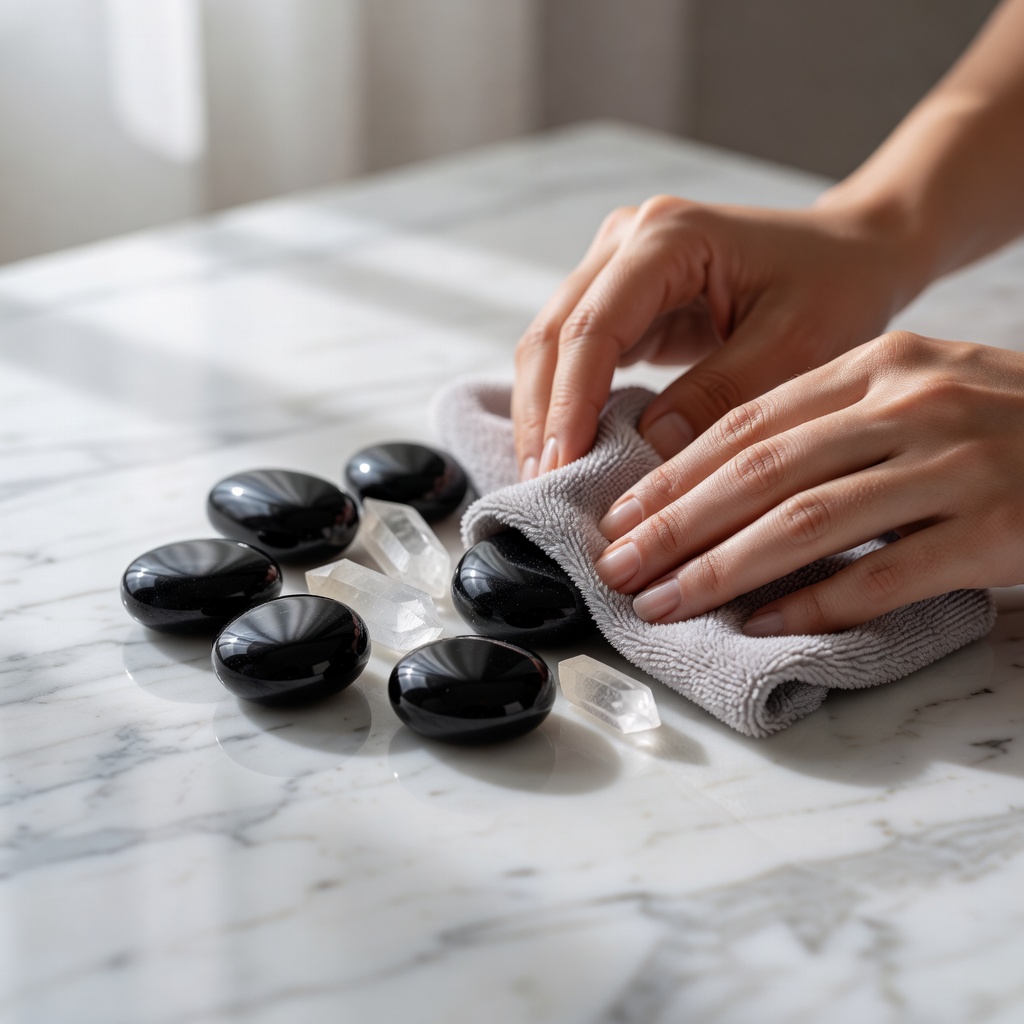
After rinsing, resist the temptation to rub your obsidian dry with paper towels or bathroom tissues, as these materials can be surprisingly abrasive and may leave lint or scratches on the polished surface. Instead, place your cleaned obsidian on a clean, lint-free microfiber cloth and allow it to air-dry completely, or gently pat the surface with a fresh section of the cloth without rubbing back and forth. For jewelry pieces with complex settings, use a cool hairdryer on the lowest setting held at least twelve inches away to speed drying while avoiding thermal shock, or simply leave the piece on the cloth overnight to ensure complete moisture evaporation.
Deep Cleaning Techniques for Heavily Soiled Obsidian
Isopropyl Alcohol for Oil and Fingerprints
When routine washing fails to remove stubborn body oils, fingerprints, or cosmetic residues from your black obsidian stone care routine, 70% isopropyl alcohol provides a safe and effective deep cleaning solution. Dampen a clean microfiber cloth with the alcohol and gently wipe the obsidian surface, allowing the solvent to dissolve organic oils without leaving residue or damaging the non-porous volcanic glass. This method proves particularly effective for obsidian massage tools, palm stones, and worry stones that accumulate significant skin oils during regular use, restoring the deep, reflective shine that makes these pieces so appealing.
Baking Soda Paste for Raw Specimens
Raw or rough obsidian specimens, including Apache Tears and naturally weathered pieces, often require more aggressive cleaning than polished jewelry to remove dirt from their textured surfaces. Create a gentle cleaning paste by mixing baking soda with just enough water to form a thick consistency similar to toothpaste, then apply this mixture to the rough obsidian using a soft brush or your fingertips. Work the paste gently into the crevices and surface irregularities, allowing the mild alkalinity to lift grime without the harsh abrasiveness of commercial cleaners, then rinse thoroughly and air-dry to reveal the natural glassy texture beneath the dirt.
Addressing Hard Water and Mineral Deposits
White, chalky residue on obsidian typically indicates hard water deposits or mineral buildup from previous cleaning attempts using tap water with high calcium or lime content. To address this issue in your deep obsidian cleaning routine, dampen a cloth with distilled water and a small amount of white vinegar (used sparingly and infrequently), wiping the affected areas gently before immediately rinsing with plain distilled water. For persistent deposits, professional jewelers can use specialized ion-exchange cleaning systems that remove mineral buildup without risking the etching that prolonged acid exposure might cause to the volcanic glass surface.
Equipment to Avoid: Steam and Ultrasonic Cleaners
While steam cleaning might seem like an effective method for sanitizing jewelry, the extreme heat and pressure can cause thermal shock in obsidian, potentially creating internal fractures or surface crazing that permanently damages the stone. Similarly, ultrasonic cleaners pose significant risks for volcanic glass care because the intense vibrations can expand existing microscopic inclusions or internal fractures, causing the obsidian to crack or shatter during the cleaning process. Always stick to manual cleaning methods for obsidian, reserving mechanical cleaning equipment for harder, more durable gemstones that can withstand such stress.
Critical Mistakes to Avoid in Obsidian Maintenance
Understanding what not to use on obsidian proves equally important as knowing proper cleaning techniques, as certain common household products can cause irreversible damage to this delicate volcanic glass. Never expose obsidian to harsh chemical cleaners including bleach, ammonia, acetone, or alcohol-based solvents stronger than 70%, as these substances can etch the glass surface and create a permanently fogged or dulled appearance that requires professional re-polishing to correct. Even brief exposure to chlorine bleach or drain cleaners can create microscopic pitting that scatters light and destroys the vitreous luster characteristic of high-quality obsidian.
Abrasive cleaning materials represent another major category of obsidian cleaning mistakes that collectors should avoid at all costs. Despite popular internet suggestions, never use toothpaste, baking powder (which is different from baking soda in granularity), commercial scrubbing powders, or rough scrub pads on obsidian, as these materials contain harsh abrasives that will scratch the 5.5-hardness surface. Similarly, avoid using paper towels, tissues, or clothing to dry or buff obsidian, as these materials often contain wood fibers or dust particles that act like sandpaper against the relatively soft stone.
Temperature extremes pose significant threats to obsidian's structural integrity beyond just cleaning procedures. Never place obsidian in boiling water, expose it to freezing temperatures followed by immediate warming, or leave pieces in hot cars or windowsills where thermal shock can initiate fractures. Even setting a cold obsidian ring into a hot bath or washing hands with very hot water while wearing obsidian jewelry can create enough thermal stress to crack the stone, making temperature awareness a critical component of proper obsidian care.
Prolonged soaking in saltwater damages obsidian gradually through a process of microscopic pitting that may not be immediately visible but accumulates over time to dull the surface. While brief contact with saltwater (such as ocean spray during a beach vacation) won't destroy obsidian immediately, regularly soaking pieces in saltwater solutions or wearing obsidian jewelry while swimming in the ocean allows salt crystals to form in microscopic surface imperfections, gradually eroding the polished finish. Always rinse obsidian with fresh water immediately after saltwater exposure and avoid salt-based cleansing rituals that require overnight soaking.
Proper Storage Solutions for Long-Term Preservation
Implementing appropriate obsidian storage techniques begins with selecting containers that prevent contact with harder materials while buffering the stone from environmental fluctuations. Individual soft cloth pouches made from velvet, silk, or microfiber provide ideal protection for obsidian jewelry, preventing scratches from metal chains or neighboring pieces while allowing the stone to breathe and avoid condensation buildup. For larger collections, compartmentalized jewelry boxes with fabric-lined dividers ensure that each piece remains separated, eliminating the risk of harder gemstones or metal findings rubbing against obsidian surfaces during drawer movement or transportation.
Direct sunlight exposure presents unique challenges for volcanic glass maintenance that differ from colored gemstones prone to fading. While obsidian does not fade in sunlight like amethyst or rose quartz, concentrated solar heat can raise the stone's temperature rapidly, creating thermal stress that leads to cracking or "thermal shock" fractures. Store your obsidian collection in drawers, cabinets, or display cases away from windows and direct sun exposure, ensuring that ambient temperature remains stable rather than experiencing the dramatic fluctuations common near glass surfaces.
When organizing mineral collections or jewelry storage, always separate obsidian from harder stones such as diamonds, rubies, sapphires, topaz, and quartz crystals that could scratch its surface. Consider arranging your storage by Mohs hardness, keeping obsidian (5-5.5) with similarly soft stones like opal, turquoise, and lapis lazuli, while ensuring diamonds (10) and corundum (9) remain in entirely different compartments or boxes. This organizational strategy prevents accidental damage when rummaging through collections or when pieces shift during moving or earthquake events.
Maintaining stable humidity levels in your storage area contributes significantly to stone preservation by preventing static electricity buildup that attracts dust and lint to obsidian surfaces. Extremely dry environments can create static charges that cause obsidian to attract dust particles, while excessively humid conditions might promote tarnish on silver settings holding obsidian cabochons. Aim for moderate humidity levels between 40-60% in your storage area, using silica gel packets sparingly (never in direct contact with the stone) if excess moisture proves problematic, or humidifiers in arid climates to prevent static attraction.
Restoring Luster to Dull or Scratched Obsidian
DIY Polishing with Cerium Oxide
When your obsidian polishing efforts require more than simple cleaning to restore the glass-like shine, cerium oxide powder mixed with water creates an effective polishing compound for addressing fine surface scratches and dullness. Apply a small amount of this pinkish powder mixed to a toothpaste consistency onto a soft felt pad or leather strop, then work the compound across the obsidian surface using gentle circular motions and minimal pressure. This technique, borrowed from lapidary arts and glassworking, effectively removes microscopic surface imperfections through gentle abrasion, gradually restoring the vitreous luster without removing significant material from the stone.
Microfiber Buffing Techniques
For obsidian pieces that appear cloudy or streaked but lack deep scratches, simple microfiber buffing often suffices to restore obsidian shine without specialized compounds. Use a clean, high-quality microfiber cloth specifically designated for gemstone polishing (avoiding cloths washed with fabric softener, which can leave silicone residues), and buff the stone using rapid back-and-forth motions similar to polishing silver. This friction generates slight heat that helps evaporate any remaining oils while the microscopic fibers polish the surface to a high shine, particularly effective for obsidian spheres, palm stones, and cabochons that have lost their luster due to skin oil accumulation.
When to Seek Professional Lapidary Services
Deep scratches, significant chips, or obsidian pieces that have been etched by chemical exposure require professional intervention rather than home polishing attempts. Professional lapidaries possess diamond grit polishing wheels, tumbling equipment with graduated abrasives, and the expertise to re-polish obsidian without creating flat spots or altering the original contours of carved pieces. For valuable specimens, antique artifacts, or complex jewelry settings where DIY polishing might loosen stones or damage mounts, professional stone care services offer the safest path to restoration, often using specialized techniques like flame polishing or controlled tumbling to achieve finishes impossible with hand methods.
Temporary Enhancement versus Permanent Solutions
Some collectors use mineral oil or specialized stone oils to temporarily enhance the appearance of slightly porous or matte-finish obsidian, though this approach provides only short-term aesthetic improvement rather than true restoration. Applying a tiny drop of mineral oil to a cloth and buffing the obsidian can mask minor surface scratches and create a wet-looking shine that lasts several days to weeks, making this technique suitable for photography or display purposes. However, for permanent restoration of damaged pieces, professional re-polishing remains the only legitimate solution, as oils will eventually evaporate or attract dust, requiring reapplication and potentially complicating future cleaning efforts.
When to Consult Professional Obsidian Care Services
Identifying structural damage that requires professional obsidian repair services begins with recognizing deep fractures, internal cleaving, or "crazing" patterns that indicate the stone's integrity has been compromised. If you observe hairline cracks extending into the body of the stone, significant chips missing from edges, or a change in the way light passes through the obsidian suggesting internal fracturing, immediately cease wearing or cleaning the piece and consult a professional gemologist. These experts can assess whether stabilization treatments such as opticon or other penetrating resins might preserve the stone, or whether the piece requires careful removal from settings and re-cutting to remove damaged portions.
Complex jewelry settings present particular challenges for DIY obsidian care, as aggressive cleaning or polishing attempts can loosen prongs, damage delicate metalwork, or cause stones to fall from their mounts. Antique Victorian obsidian jewelry, intricate wire-wrapped designs, or pieces utilizing glue-set cabochons require the specialized equipment and steady hands of professional jewelers who can clean and inspect settings without risking stone loss. Professional cleaning services also provide insurance coverage against accidental damage during maintenance, offering peace of mind for heirloom pieces or expensive designer jewelry that would be costly to replace.
Archaeological-grade obsidian, rare varietals such as fire obsidian or rainbow obsidian, and specimen-grade pieces with exceptional clarity or inclusions demand professional documentation before any cleaning or restoration attempts. Professional stone care facilities can provide pre-cleaning photography, detailed condition reports, and certificates of authenticity that preserve the provenance and value of significant specimens. For museum-quality pieces or stones intended for resale, having professional cleaning and condition documentation actually enhances value compared to amateur maintenance attempts that might raise questions about potential damage or alteration.
Antique obsidian artifacts, including vintage jewelry from the Victorian era or Native American pieces featuring traditional knapping techniques, require specialized knowledge of historical mounting methods and patinas that professional conservators possess. These experts understand that removing the aged surface from ancient obsidian tools or tarnish from antique silver settings might actually diminish historical value, and they can advise on conservation versus restoration approaches. When dealing with obsidian heirlooms passed through generations or purchased from estate sales, professional assessment ensures that your maintenance efforts preserve both the physical object and its historical significance for future generations.
Frequently Asked Questions About Obsidian Care and Cleaning
Can I use vinegar to clean my obsidian stone?
No, you should avoid using vinegar or other acidic cleaners on obsidian. While obsidian is relatively resistant to acids compared to calcite stones, repeated exposure to acidic solutions like vinegar can eventually etch the surface and dull the polished finish. Stick to mild soap and water or isopropyl alcohol for safe cleaning.
How often should I clean my obsidian jewelry?
For obsidian jewelry worn regularly, perform a quick wipe-down with a soft cloth after each use to remove skin oils, and conduct a thorough cleaning with soap and water every 1-2 weeks. Specimens or decorative pieces displayed in cabinets typically only need cleaning monthly or when dust accumulates visibly.
Can obsidian be damaged by water during cleaning?
Obsidian is generally safe with water cleaning as it is non-porous and won't absorb liquids. However, avoid prolonged soaking in saltwater, which can cause microscopic pitting over time, and never expose obsidian to boiling water or rapid temperature changes that could cause thermal shock and cracking.
Why has my black obsidian lost its shiny appearance?
Obsidian typically loses its shine due to accumulated skin oils, fingerprints, soap residue, or microscopic surface scratches from contact with harder materials. The vitreous (glassy) luster can be restored through proper cleaning with alcohol to remove oils, or gentle polishing with specialized compounds to address fine scratches.
Is it safe to use an ultrasonic cleaner for obsidian?
Ultrasonic cleaners are generally not recommended for obsidian. While the stone itself can withstand the vibrations, internal fractures or inclusions common in volcanic glass can expand and cause the stone to crack or shatter under ultrasonic stress. Manual cleaning is always the safest method for obsidian care.
Can I clean raw or rough obsidian the same way as polished pieces?
Raw obsidian requires gentler cleaning than polished pieces because the rough surface can trap dirt more aggressively. Use a soft toothbrush rather than brushes with stiff bristles, and avoid any polishing compounds. Soaking in plain water is usually sufficient for rough specimens, followed by air-drying to prevent water spots in crevices.
Does sunlight affect obsidian care requirements?
Unlike amethyst or rose quartz, obsidian does not fade in sunlight, so UV exposure isn't a primary concern. However, direct sunlight can heat the stone rapidly, creating thermal stress that leads to cracking. Always cool or warm obsidian gradually, and store away from windows where temperature fluctuations are extreme.
What should I do if my obsidian gets scratched?
Minor surface scratches on obsidian can often be buffed out using a jeweler's rouge or cerium oxide compound with a soft cloth. For deep scratches or chips, consult a professional lapidary who can re-polish the surface using diamond grit polishing wheels. Never attempt to sand obsidian with regular sandpaper, as this will cause more damage.