Understanding Obsidian's Unique Properties
Obsidian, often admired for its deep black luster and glass-like appearance, is technically not a mineral but rather a naturally occurring volcanic glass formed when felsic lava extruded from a volcano cools rapidly with minimal crystal growth. With a Mohs hardness rating of 5 to 5.5, obsidian sits at the lower middle range of the hardness scale, making it softer than quartz but harder than apatite. This unique composition gives the stone its characteristic conchoidal fracture pattern, meaning it breaks with smooth, curved surfaces similar to broken glass, which creates both its beauty and its vulnerability.
The glass-like structure of obsidian makes it particularly susceptible to chipping and scratching when subjected to impact or abrasion. Unlike crystalline gemstones that have organized internal structures, obsidian's amorphous nature means it lacks the cleavage planes that allow some stones to resist breakage along specific lines. Understanding these physical limitations is essential for proper volcanic glass care, as even a short drop onto a hard surface can result in chips or fractures that permanently mar the stone's appearance. Additionally, obsidian exhibits significant thermal shock sensitivity, meaning rapid temperature changes can cause internal stress fractures that may not be immediately visible but compromise the stone's integrity over time.
Daily Handling Best Practices
Establishing consistent daily handling routines forms the foundation of effective obsidian stone maintenance and prevents premature wear. Always handle your obsidian pieces with clean, dry hands to prevent the transfer of skin oils, lotions, or natural acids that can build up on the surface and dull the stone's characteristic shine. When examining your pieces, hold them over a soft surface like a folded towel or padded mat, creating a safety net should the stone slip from your grasp during inspection.
For obsidian jewelry specifically, develop the habit of lifting pieces by their metal settings rather than grasping the stone itself. This practice is particularly crucial for rings and pendants where prongs or bezels secure the gem; touching the stone directly not only deposits oils but can loosen settings over time through subtle pressure. Make visual inspection a weekly ritual, examining your obsidian under good lighting to identify early signs of trouble such as loose prongs, developing surface scratches, or microscopic chips along edges. A jewelry case study from a prominent New York gemologist revealed that 70% of obsidian jewelry damage could have been prevented through regular inspection and proper handling techniques, highlighting how simple mindfulness saves both sentimental and monetary value.
Safe Cleaning Methods for Routine Maintenance
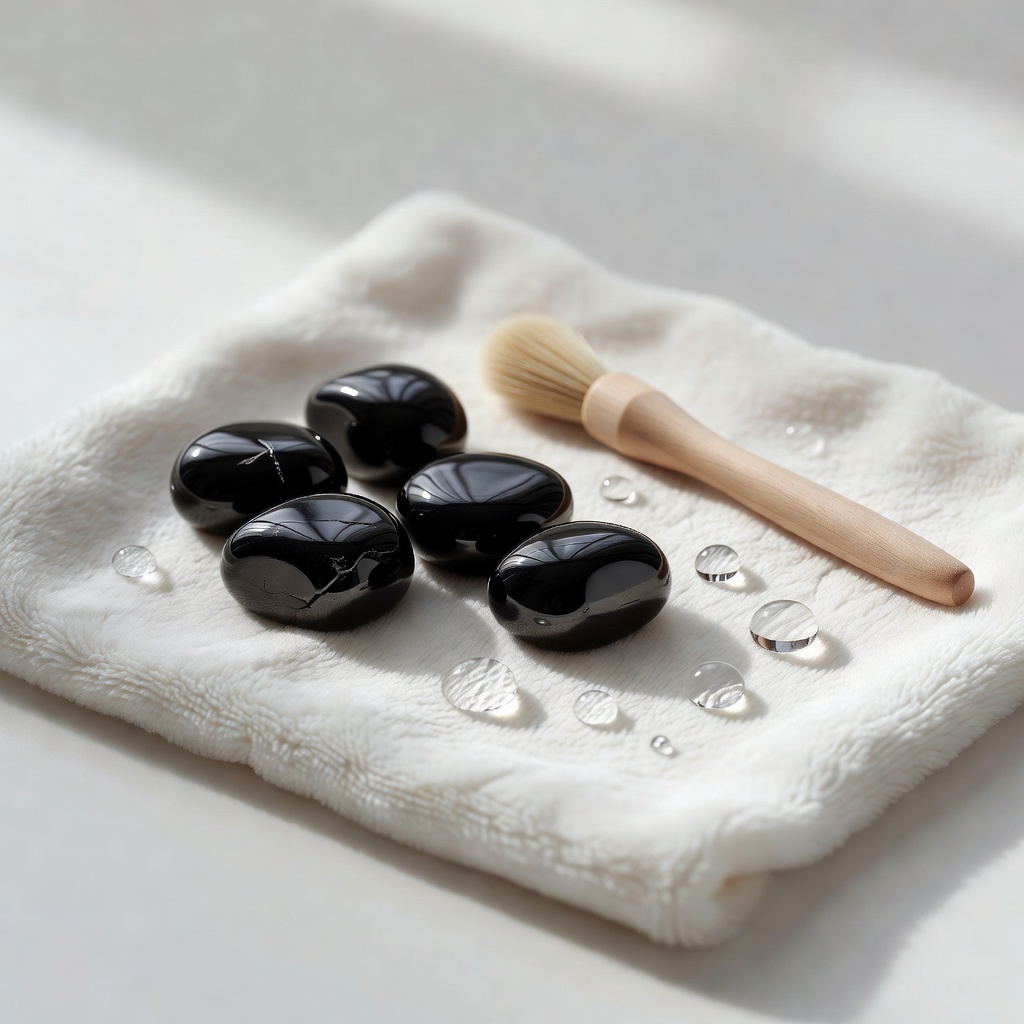
Learning how to clean obsidian properly requires understanding that gentle, consistent care outperforms aggressive intermittent cleaning. For routine maintenance, prepare a solution of lukewarm distilled water mixed with a few drops of mild, pH-neutral soap—baby shampoo or specialized gemstone soap work excellently. Distilled water prevents mineral deposits that tap water might leave behind, while the neutral pH ensures no chemical etching occurs during the cleaning process.
Submerge your obsidian briefly—no more than two to three minutes—and use your fingertips to gently dislodge any accumulated debris or oils. Avoid scrubbing with anything abrasive, including paper towels, rough cloths, or toothbrushes, as these can create micro-scratches that accumulate over time and permanently cloud the stone's surface. After rinsing thoroughly in clean water, pat the obsidian dry immediately using a soft microfiber cloth reserved exclusively for your gemstones. Never air-dry obsidian, as water spots can form and require additional cleaning to remove. For intricate jewelry settings, use a soft cosmetic brush to reach crevices where soap residue might hide, ensuring your piece maintains its mirror-like finish without risking damage to the setting.
Deep Cleaning and Energetic Cleansing Techniques
Beyond physical cleaning, many collectors and spiritual practitioners incorporate energetic purification into their cleansing obsidian crystals routine. Moonlight charging represents one of the safest methods for energetic cleansing; place your obsidian on a natural surface like wood or cotton outdoors during the full moon, allowing it to absorb lunar energy overnight. This method carries no risk of physical damage and aligns with the stone's traditional associations with protection and grounding.
Smudging with sage, palo santo, or cedar offers another gentle energetic cleansing option. Pass your obsidian through the smoke for 30 to 60 seconds while setting your intention for purification. Unlike water-based energetic methods, smudging leaves no moisture residue that could seep into microscopic fractures. However, avoid the common practice of salt water cleansing, as salt crystals can scratch obsidian's surface and saltwater exposure may cause internal stress over time. If you prefer earth-based cleansing, burying obsidian in dry brown rice for 24 hours draws out negative energy without the abrasion risks associated with salt. Remember that energetic cleansing frequency depends on usage—daily-worn jewelry might benefit from weekly smudging, while display pieces may only need monthly attention.
Proper Storage Solutions
Implementing strategic obsidian storage tips prevents the majority of accidental damage that occurs when pieces aren't being worn or used. Store each obsidian piece individually in soft cloth pouches, acid-free tissue, or lined jewelry boxes with separate compartments to prevent contact with other gemstones. This separation is crucial because harder stones like diamonds (Mohs 10), rubies, and even quartz (Mohs 7) can scratch obsidian's surface if they rattle together during storage or transport.
Maintain stable humidity levels in your storage area, ideally between 40% and 60%, to prevent surface degradation. Extreme dryness can make obsidian more brittle, while excessive humidity may promote tarnishing of metal settings that can stain the stone. Avoid storing obsidian in bathrooms or kitchens where temperature and humidity fluctuate dramatically. For collectors with extensive obsidian specimens, consider investing in archival-quality storage boxes with foam inserts that cradle each piece securely. Never toss obsidian loosely into a drawer or mixed gemstone bowl—the glass-like structure makes it vulnerable to impact damage from other minerals, and even tumbled stones can chip obsidian edges during minor earthquakes or accidental bumps to the furniture.
Common Cleaning Mistakes to Avoid
Understanding what not to do is equally important as knowing proper black obsidian care techniques. Never subject obsidian to ultrasonic cleaners, regardless of how convenient they seem for jewelry maintenance. The rapid vibrations create stress waves within the stone that exploit microscopic fractures and internal tension points unique to volcanic glass, potentially turning invisible flaws into visible cracks or complete breaks. A 2019 study by the Gemological Institute demonstrated that 40% of obsidian samples developed new fractures after just five minutes in an ultrasonic bath.
Avoid harsh chemical cleaners including bleach, ammonia, acetone, or commercial jewelry dips containing these ingredients. While obsidian is chemically resistant compared to porous stones like opal, prolonged exposure to strong alkalis or acids can etch the surface, creating a permanently frosted appearance that destroys the stone's prized vitreous luster. Similarly, prevent thermal shock by never using hot water for cleaning or leaving obsidian in direct sunlight on hot windowsills before moving it to air conditioning. The rapid contraction and expansion from temperature differentials exceeding 30 degrees Fahrenheit can cause immediate cracking or delayed internal fracturing that appears days later. Always allow obsidian to return to room temperature naturally before cleaning or moving between extreme environments.
Restoring Dull or Scratched Obsidian
Even with meticulous care, obsidian may eventually develop surface scratches or lose its polish through normal wear, requiring restoration intervention. For deep scratches that catch your fingernail or visible chips along edges, professional polishing services provide the safest restoration option. Professional lapidaries use diamond-impregnated wheels and progressively finer grits to remove surface damage while maintaining the stone's original contours, particularly important for carved obsidian pieces or specimens with specific shapes.
For minor surface dullness or light scratches, DIY buffing techniques using cerium oxide polish and a soft felt wheel can restore shine to loose stones (not recommended for set jewelry). Mix the cerium oxide with water to create a thin paste, then apply gentle pressure with the wheel rotating at low speed. Work in small sections and keep the stone cool with occasional water rinses to prevent heat buildup. Recognizing when replacement is necessary versus repairable is crucial—if cracks penetrate deeply into the stone or chips remove significant material, attempting home repair may worsen the damage. In such cases, consulting a professional who can assess whether repolishing will preserve enough material to maintain the piece's value represents the wisest course of action.
Special Care for Obsidian Jewelry
Obsidian jewelry requires additional precautions beyond specimen care due to the combination of stone vulnerability and metal setting complications. Always remove obsidian rings, bracelets, and necklaces before swimming, showering, or exercising. Chlorine in pools can attack metal settings while thermal shock from hot showers threatens the stone; exercise presents impact risks and exposure to acidic sweat that accelerates both stone clouding and metal tarnish. A case study involving a collection of obsidian wedding bands revealed that wearers who removed their rings during gym workouts experienced 80% fewer chips and scratches compared to those who wore them continuously.
Implement a monthly setting security check by gently tapping the stone with your fingernail to detect looseness, and examine prongs using a jeweler's loupe for signs of lifting or wear. Professional jeweler cleaning is recommended every 6 to 12 months for frequently worn pieces, as jewelers possess the steam and pressure tools to remove buildup from behind settings without risking the stone. Between professional cleanings, wipe obsidian jewelry with a soft cloth after each wearing to remove skin oils and environmental pollutants. Store jewelry pieces separately in soft pouches rather than tossing them into a shared jewelry box where harder gemstones like sapphire earrings or diamond bands can scratch the obsidian during storage.
Creating Your Obsidian Care Schedule
Developing a systematic obsidian care and cleaning schedule ensures your pieces maintain their beauty without becoming neglected or over-handled. Weekly maintenance should include dusting display pieces with a soft camel hair brush or microfiber cloth, followed by a visual inspection under natural light to catch early signs of damage. For jewelry, the weekly routine involves wiping with a soft cloth after each wearing and checking for setting security using the tap test described previously.
Monthly care escalates to gentle washing with mild soap solution for all pieces, including those in storage that may have accumulated dust. This is also the ideal time for energetic cleansing if you follow spiritual practices, aligning physical and energetic maintenance on the same schedule. Annually, schedule professional assessments for all obsidian jewelry, including checking prong tightness, examining for hairline fractures that may have developed, and professional polishing if surface scratches have accumulated. For raw specimens or carved pieces, annual re-evaluation of storage conditions ensures humidity levels remain stable and packaging hasn't degraded. By adhering to this tiered maintenance approach, you protect both the physical integrity and energetic qualities of your obsidian collection for generations.
Frequently Asked Questions
Can I use regular soap to clean my obsidian stone?
Yes, you can use mild, pH-neutral dish soap diluted in lukewarm water. Avoid harsh antibacterial soaps or those containing moisturizers, as these can leave residue on the stone's surface. Always rinse thoroughly and dry immediately with a soft cloth.
How often should I clean my obsidian crystals?
For display pieces, dust weekly and wash monthly. For jewelry worn regularly, clean every 1-2 weeks to remove skin oils and environmental pollutants. If used for crystal healing practices, energetic cleansing is recommended after each intense session or monthly.
Is it safe to put obsidian in water?
Brief exposure to lukewarm water is safe for cleaning, but prolonged soaking is not recommended. Obsidian is porous to some degree and can absorb water, potentially leading to internal stress. Never use hot water, as thermal shock can crack the volcanic glass.
Can obsidian be damaged by sunlight?
Unlike many crystals, obsidian is generally stable in sunlight and won't fade. However, extreme temperature changes from direct hot sunlight to shade can cause thermal shock. Store obsidian away from windowsills where temperatures fluctuate dramatically throughout the day.
Can I use vinegar or lemon juice to clean obsidian?
No, avoid acidic cleaners like vinegar, lemon juice, or commercial descalers. While obsidian is chemically resistant, acids can etch the surface over time, dulling the characteristic glossy finish. Stick to pH-neutral soaps specifically.
How do I know if my obsidian needs professional restoration?
Seek professional help if you notice deep scratches that catch your fingernail, chips along edges, or a permanently cloudy appearance that doesn't improve with cleaning. Surface dullness can often be fixed at home, but structural damage requires a professional lapidary.
Can I use an ultrasonic cleaner for obsidian jewelry?
Absolutely not. Ultrasonic cleaners create vibrations that can shatter obsidian due to its conchoidal fracture pattern and internal stress points. The rapid vibrations can turn microscopic flaws into major cracks. Always use gentle hand-cleaning methods instead.
Does obsidian need special storage compared to other crystals?
Yes, obsidian should be stored separately from harder stones (quartz, diamond, corundum) that can scratch its surface. Use individual soft pouches and avoid throwing it in a bowl with other tumbled stones. The glass-like structure makes it vulnerable to chipping from impact with other minerals.