Understanding Musgravite: Rarity and Value
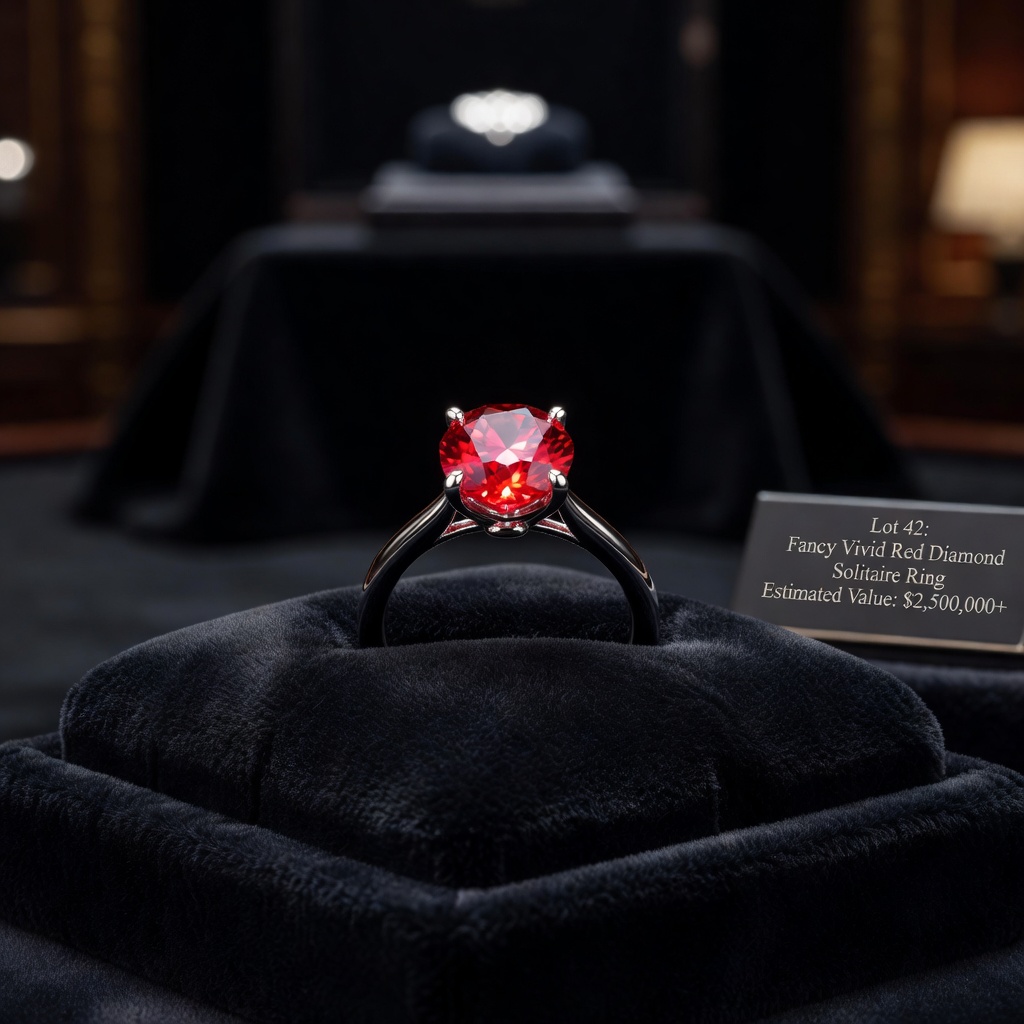
Musgravite stands as one of the most elusive treasures in the gemstone world, with fewer than ten faceted specimens documented in the first two decades following its 1967 discovery in the Musgrave Ranges of Australia. This extraordinary rarity places it in an elite category alongside red diamonds and alexandrite, making proper Musgravite Care and Cleaning not merely a maintenance routine but a crucial investment protection strategy. The geological significance of this magnesium-rich taaffeite group mineral cannot be overstated, as it represents one of nature's most complex aluminum oxide crystal formations, requiring millions of years of specific geological conditions to develop its characteristic grayish-green to purple hues.
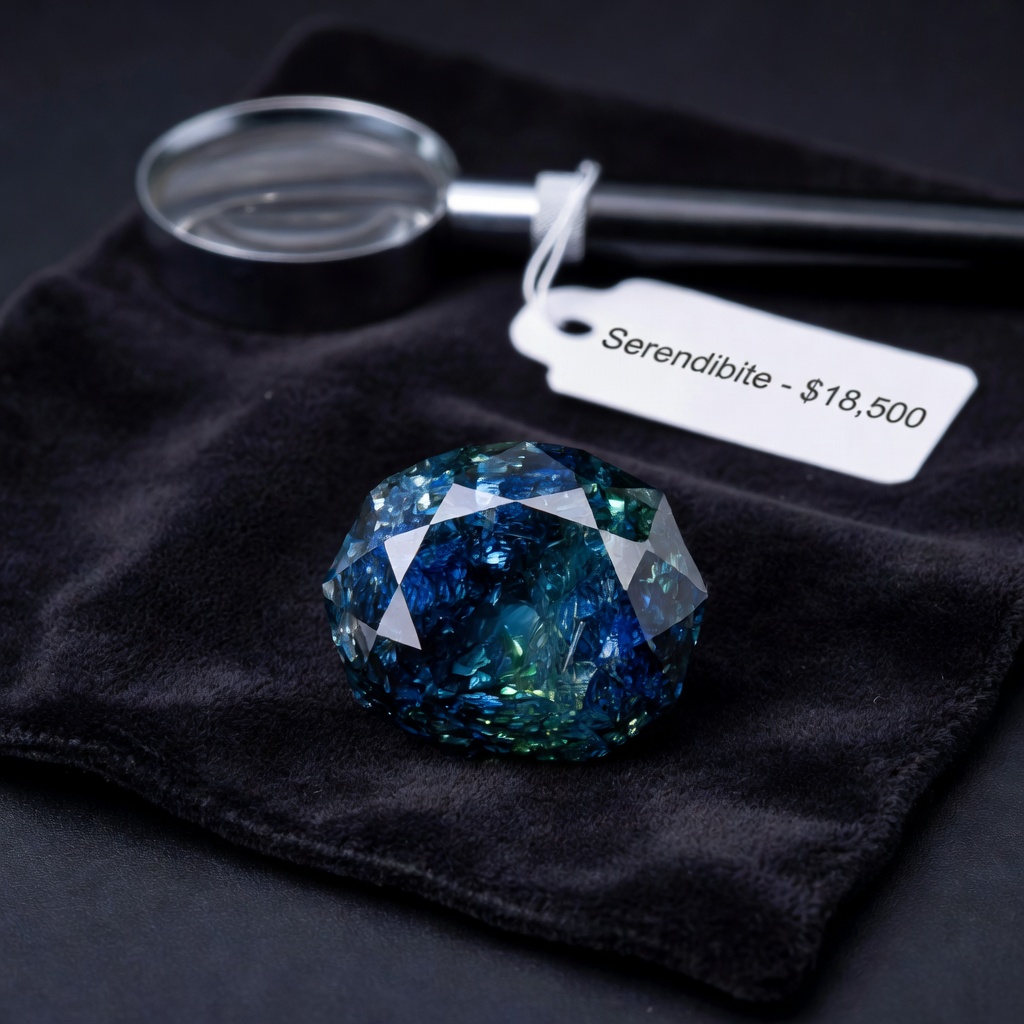
Current market valuations for fine musgravite specimens can exceed $35,000 per carat, with larger stones commanding premium prices at international auction houses such as Christie's and Sotheby's. When compared to its chemical cousin taaffeite, musgravite contains higher levels of magnesium and iron, creating distinct optical properties that demand specialized handling protocols. While both gems belong to the rare taaffeite mineral group, musgravite's superior hardness and different refractive index necessitate specific cleaning approaches that differ from standard cleaning taaffeite gems procedures. Collectors and investors must recognize that improper maintenance can significantly diminish both the aesthetic beauty and monetary value of these irreplaceable stones, making education in rare gemstone maintenance essential for ownership.
Musgravite Physical Properties and Durability
Understanding the physical characteristics of musgravite provides the foundation for effective preservation strategies, particularly regarding its position on the Mohs hardness scale at 8 to 8.5. This rating indicates that musgravite possesses excellent resistance to scratching from everyday dust and debris, which typically contain quartz particles rated at 7 on the same scale. However, this hardness should not be confused with toughness; while the stone resists surface abrasion, its orthorhombic crystal system contains distinct cleavage planes that can split under improper pressure or impact. Gemologists note that musgravite's tenacity ranges from brittle to sectile, meaning sharp blows or temperature fluctuations can potentially fracture the stone along these natural weakness lines.
Musgravite durability extends beyond simple hardness measurements to include significant sensitivity to thermal shock, a characteristic shared by many high-value gemstones. Sudden temperature changes exceeding 100 degrees Fahrenheit can create internal stress fractures within the crystal lattice, particularly in specimens containing microscopic fluid inclusions or healing fractures. When evaluating musgravite hardness for daily wear considerations, owners must balance the stone's scratch resistance against its vulnerability to cleavage and thermal damage. Unlike diamonds, which exhibit isometric crystal systems with no cleavage planes, musgravite requires protection from both physical impact and rapid environmental temperature shifts, such as moving from a cold exterior into a heated building during winter months or exposure to hot dishwater during household chores.
Daily Musgravite Care and Wear Precautions
Implementing prudent daily wear protocols represents the first line of defense in comprehensive musgravite jewelry maintenance, requiring owners to assess their activities before adorning these rare specimens. Physical activities such as tennis, weightlifting, gardening, or even vigorous handshaking pose significant risks due to potential impact against hard surfaces or settings catching on equipment. Household chores present equally serious hazards, particularly when cleaning bathrooms or kitchens where chlorine bleach, ammonia-based products, and abrasive scrubbing compounds can permanently damage the stone's surface luster or weaken prong settings. Professional jewelers recommend developing the habit of removing musgravite rings and pendants before engaging in any activity where the jewelry might encounter chemicals, hard surfaces, or sustained pressure.
Chemical exposure risks extend beyond obvious cleaning agents to include seemingly benign personal care products that accumulate damage over time. Perfumes, hairsprays, cosmetics, and lotions often contain alcohols, acids, and solvents that can etch musgravite surfaces or create buildup in settings that dull the stone's brilliance. For optimal daily gemstone care, apply all beauty products and allow them to dry completely before putting on musgravite jewelry, and remove pieces before washing hands with antibacterial soaps, which often contain harsh chemicals. Additionally, implement monthly setting integrity checks by gently wiggling the stone with a fingertip to detect loose prongs, and examine the girdle edges for chips or abrasions using a 10x jeweler's loupe. These preventive measures, combined with awareness of physical impact risks, form the cornerstone of responsible rare gemstone stewardship.
Safe At-Home Musgravite Cleaning Methods
Proper Musgravite Care and Cleaning at home requires meticulous attention to detail and the use of pH-neutral solutions that preserve the gemstone's natural oils and polish while removing accumulated debris. Begin by preparing a cleaning station with lukewarm water between 90-100 degrees Fahrenheit, mixing in three to four drops of mild, phosphate-free dish soap such as Dawn or Seventh Generation. Avoid hot water, which can cause thermal shock, and never use cold water, which may cause finger contraction leading to dropped stones. Place a rubber mat or towel in the sink basin to prevent damage if the jewelry slips from your hands, creating a secure environment for the delicate gemstone cleaning solutions process.
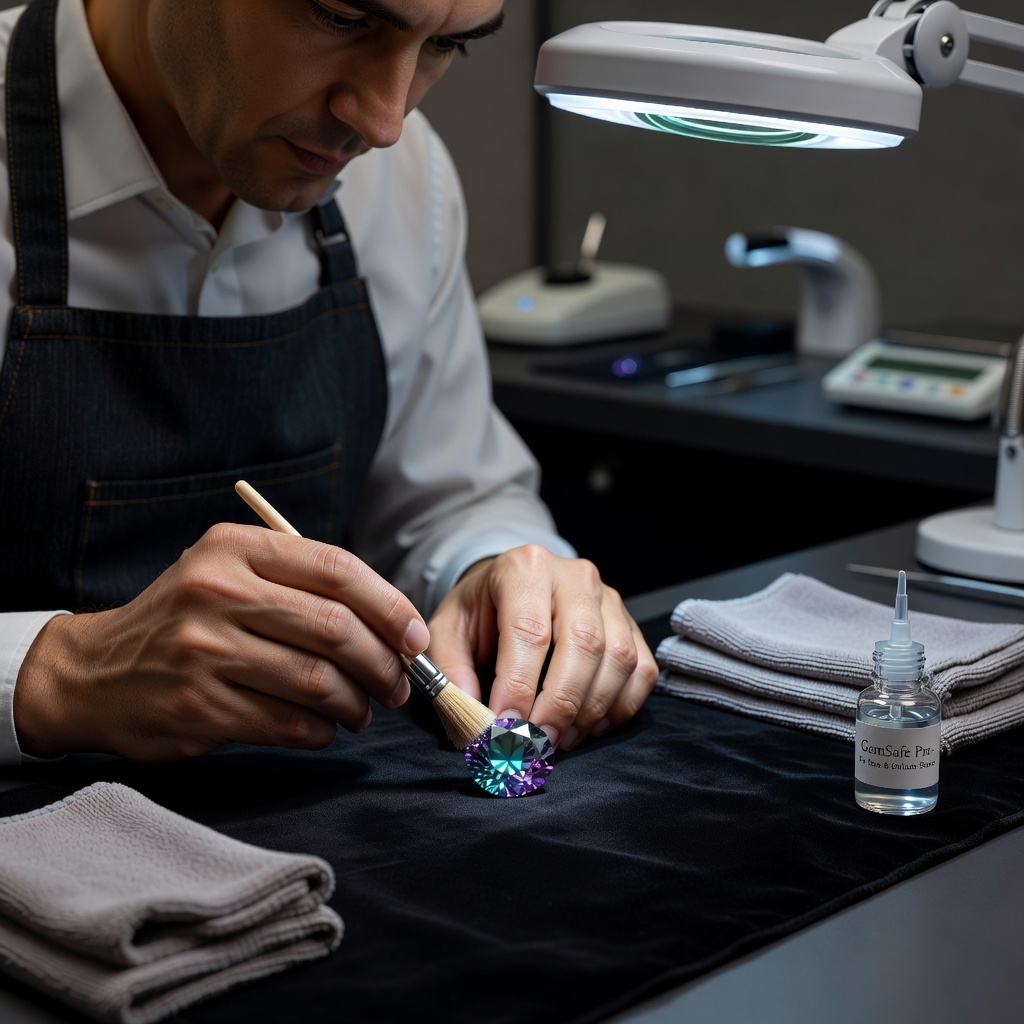
Submerge the musgravite piece for approximately 10-15 minutes to loosen accumulated oils and particulate matter, then employ a soft-bristle brush—specifically a baby toothbrush or specialized jewelry brush with natural sable or nylon bristles—to gently clean the pavilion and crown facets. Work in small circular motions around the setting, paying particular attention to the area beneath the stone where lotions and soaps accumulate, but avoid scrubbing the girdle edges where the stone is most vulnerable to chipping. For intricate filigree settings, use a wooden toothpick wrapped in cotton to reach tight spaces rather than metal tools that might scratch. After brushing, rinse thoroughly under lukewarm running water, ensuring all soap residue is removed as dried detergents can create filming that dulls brilliance.
Drying protocols require equal precision to prevent water spots or accidental drops that could result in catastrophic loss. Pat the jewelry gently with a lint-free microfiber cloth, avoiding paper towels or tissues that contain wood fibers capable of scratching metal settings. Allow the piece to air-dry completely on a soft cloth for 30 minutes before storing, ensuring no moisture remains in setting crevices that could promote tarnish in metal components. For pieces with complex mountings, use a cool hair dryer on the lowest setting held at least 12 inches away to evaporate residual water from beneath the stone, taking care not to generate heat that could affect the cleaning musgravite process. This methodical approach ensures thorough cleaning taaffeite gems and their rarer cousins without compromising structural integrity.
Professional Musgravite Cleaning and Maintenance
While home maintenance forms the foundation of gemstone care, certain procedures absolutely require professional intervention, particularly regarding advanced cleaning technologies that pose specific risks to rare stones. Ultrasonic cleaners, despite their popularity in jewelry stores, generate high-frequency vibrations that can loosen prongs, exacerbate existing inclusions, or cause thermal shock if the solution temperature fluctuates. Steam cleaning presents similar dangers for musgravite, as the combination of intense heat and pressure can penetrate microscopic fractures and cause internal cleaving. When seeking professional gemstone cleaning, explicitly instruct service providers to avoid these methods and instead request manual cleaning using professional-grade steam-free solutions and soft brushes by technicians experienced with high-value specimens.
Identifying qualified professionals for musgravite maintenance requires research beyond standard jewelry store credentials, as this rare mineral demands specific knowledge of taaffeite-group characteristics. Seek certified gemologists through the Gemological Institute of America (GIA) or American Gem Society (AGS) who have specific experience with rare collector stones, and inquire whether they have handled taaffeite or musgravite previously. Establish an annual inspection schedule where professionals examine prong tightness, check for girdle abrasions, assess any color zoning changes, and verify that the stone remains secure in its mounting. During these visits, request documentation of the stone's condition through high-resolution photography, creating a maintenance history that supports insurance valuations and provenance records while ensuring any necessary repairs occur before minor issues become catastrophic failures.
Proper Storage Solutions for Musgravite
Effective musgravite jewelry storage strategies prioritize isolation and environmental stability to prevent the microscopic scratches and chemical interactions that degrade value over time. Each musgravite piece requires individual storage in soft, acid-free fabric pouches or within velvet-lined compartments that prevent contact with other jewelry items. Harder gemstones such as diamonds (Mohs 10), sapphires (Mohs 9), and rubies (Mohs 9) can easily scratch musgravite's surface despite its respectable hardness rating, while musgravite itself can damage softer stones including opals (Mohs 5.5-6), pearls (Mohs 2.5-4.5), and turquoise (Mohs 5-6). Invest in high-quality jewelry boxes with distinct, padded compartments or utilize separate anti-tarnish pouches for each item, ensuring that chains and pendants remain untangled and rings do not knock against each other during drawer opening and closing.
Environmental control plays a crucial role in long-term preservation, particularly regarding humidity levels that can affect both the gemstone and its metal settings. Maintain relative humidity between 45-55% in storage areas using silica gel packets or electronic dehumidifiers, checking dessicant packets quarterly for saturation and replacement. Excessive moisture promotes tarnishing in silver and gold settings while potentially affecting any adhesive used in certain mounting styles, whereas extreme dryness can cause certain enhancement fillers to shrink or crack. Store musgravite storage containers away from direct sunlight, which can fade certain treated stones and generate heat buildup in enclosed spaces, and avoid bathroom storage where steam and temperature fluctuations occur daily. For extensive collections, consider a safe deposit box or home safe with climate control features, ensuring that these security measures do not create airtight environments where moisture becomes trapped.
Common Musgravite Care Mistakes to Avoid
Even experienced collectors occasionally fall prey to gemstone care mistakes that compromise their investments, particularly when applying conventional wisdom from more common jewelry maintenance. Harsh chemical cleaners represent the most frequent source of damage, with chlorine bleach, ammonia-based window cleaners, and acetone nail polish removers capable of etching musgravite surfaces or degrading metal alloys in settings. These aggressive substances can remove surface-reaching inclusions, alter the stone's polish, or cause porous fillers to deteriorate, permanently diminishing clarity and value. Always remove musgravite jewelry before swimming in chlorinated pools or hot tubs, as prolonged chemical exposure creates cumulative damage that manifests as cloudiness or pitting over months rather than immediate visible trauma.
Abrasive materials pose equally significant threats during cleaning taaffeite gems and their musgravite relatives, with many owners mistakenly using standard toothbrushes, scouring pads, or baking soda pastes that score metal and stone surfaces. Baking soda and vinegar combinations, popular in DIY cleaning circles, create acidic reactions that can dull musgravite's vitreous luster, while commercial jewelry dips often contain harsh solvents inappropriate for rare specimens. Another critical error involves storing musgravite in contact with harder gemstones or metal jewelry components, creating "drawer damage" where pieces scratch each other during storage retrieval. Finally, never attempt to repair loose stones or bent prongs using household tools or superglue, as these amateur interventions often cause irreversible damage that reduces restoration options and voids insurance coverage.
Long-Term Musgravite Preservation Strategy
Developing a comprehensive long-term gemstone care protocol ensures that musgravite investments appreciate rather than depreciate over decades of ownership, requiring systematic documentation and professional oversight. Establish a calendar-based maintenance schedule that includes annual professional inspections, biannual deep cleanings by qualified gemologists, and quarterly self-assessments using proper magnification tools. Maintain detailed records including GIA certificates, purchase receipts, appraisal updates, and photographic documentation of the stone's condition under consistent lighting conditions to track any changes in color, clarity, or cut quality over time. These records serve dual purposes for insurance claims and resale authentication, proving that you maintained the stone according to precious stone care guide standards throughout your ownership period.
Surface wear restoration requires particular caution, as re-polishing musgravite demands specialized equipment and expertise due to the stone's specific gravity and cleavage characteristics. Unlike diamonds, which tolerate aggressive re-cutting, musgravite loses significant value with each polishing session due to its rarity and the material loss involved in removing surface scratches. Consult with gem cutting specialists who have experience with taaffeite-group minerals before authorizing any re-polishing work, and obtain multiple opinions regarding whether surface blemishes actually require intervention or can remain as natural character features. Consider obtaining updated appraisals every two to three years, as musgravite market values fluctuate based on new discoveries and collector demand, ensuring your insurance coverage reflects current replacement costs for this irreplaceable material.
Travel and Transportation Safety
Transporting high-value musgravite requires security protocols that balance accessibility with protection, particularly when crossing international borders or staying in accommodations with variable security standards. Invest in specialized travel cases featuring rigid exteriors with crush-resistant construction and plush velvet interiors with individual padded compartments that prevent movement during transit. Avoid storing musgravite in checked luggage where temperature fluctuations in cargo holds and rough handling by baggage personnel create unnecessary risks; instead, carry pieces in your personal item or wear them discreetly during travel. When selecting travel cases for rare gemstone maintenance on the road, choose models with TSA-approved locks but avoid displaying brand logos that advertise valuable contents to potential thieves.
Insurance considerations demand attention before departure, requiring policy reviews to confirm coverage extends to international travel and specific destinations, as some policies exclude certain countries or require additional riders for high-value items. Obtain updated appraisals from certified gemologists within six months of travel, carrying copies of documentation separate from the jewelry itself, and photograph each piece from multiple angles to support potential claims. Upon reaching your destination, utilize hotel safes for storage during outings, but first verify that the safe is properly bolted to the structure and test the locking mechanism before depositing your items. For extended stays, consider dividing your collection between the hotel safe and a secure deposit box at a local bank, ensuring that musgravite protection strategies adapt to your specific itinerary and accommodation security levels.
Frequently Asked Questions About Musgravite Maintenance
Can I clean musgravite with an ultrasonic cleaner?
No, ultrasonic cleaners are not recommended for musgravite. While the stone itself has good hardness (8-8.5 on the Mohs scale), the vibrations can loosen settings and potentially damage inclusions within the gemstone. Always use gentle hand-cleaning methods with mild soap and lukewarm water instead.
How often should I clean my musgravite jewelry?
Clean your musgravite jewelry every 2-4 weeks if worn regularly, or immediately after exposure to cosmetics, sweat, or household chemicals. For pieces worn occasionally, cleaning every 3-6 months is sufficient. Professional cleaning and inspection should occur annually to check setting security.
Is musgravite durable enough for daily wear?
Musgravite has a hardness of 8-8.5 on the Mohs scale, making it suitable for daily wear with proper precautions. However, due to its extreme rarity and value, many collectors reserve it for occasional wear. Avoid wearing during physical activities, cleaning, or swimming to prevent damage or loss.
What household chemicals damage musgravite?
Avoid contact with bleach, ammonia, acetone, chlorine, and abrasive cleaning powders. These can damage the gemstone's surface luster, weaken metal settings, and potentially affect the stone's optical properties. Always remove musgravite jewelry before using household cleaners or swimming in chlorinated pools.
How should I store musgravite to prevent scratches?
Store musgravite individually in soft fabric pouches or lined jewelry boxes with separate compartments. Keep it away from harder gemstones like diamonds (10), sapphires (9), and rubies (9) that can scratch it, and prevent it from scratching softer stones like opals or pearls. Maintain low humidity with silica gel packets.
Can I use vinegar or baking soda to clean musgravite?
No, never use vinegar, baking soda, or other acidic/abrasive home remedies on musgravite. These can etch the surface, dull the polish, and damage the gemstone's clarity. Stick to pH-neutral mild dish soap and lukewarm water with a soft brush for safe cleaning.
Does musgravite fade or change color in sunlight?
Musgravite is generally stable in normal lighting conditions, but prolonged exposure to intense UV light or high heat should be avoided. Extreme thermal shock can potentially damage the stone. Store away from direct sunlight in cool, dry conditions to preserve its color and structural integrity.
How much does professional musgravite cleaning cost?
Professional cleaning for musgravite typically ranges from $50-$200 depending on the jeweler's expertise with rare gemstones and the complexity of the setting. Given musgravite's value, seek gemologists specifically experienced with taaffeite-group minerals, even if their rates are higher than standard jewelry cleaning services.