What Is Musgravite? Understanding Earth's Rarest Gemstone
Musgravite stands as one of the most elusive treasures in the mineral kingdom, representing the pinnacle of rarity that drives serious gem collectors and investors to pursue it with extraordinary determination. First discovered in 1967 within the Musgrave Ranges of South Australia, this magnesium-rich member of the taaffeite family remained virtually unknown to the general public for decades due to its extreme scarcity. The original discovery yielded only eight faceted specimens between 1967 and 2005, making early musgravite more rare than red diamonds or jadeite imperial jade during that period. Unlike diamonds or sapphires that benefit from extensive mining operations, musgravite deposits occur in such limited quantities that entire years pass without a single significant specimen appearing on the market.
The chemical composition of musgravite distinguishes it as beryllium magnesium aluminum oxide (Be(Mg,Fe,Zn)2Al6O12), creating a crystal structure that forms under highly specific geological conditions requiring both beryllium and magnesium-rich environments. These formation requirements explain why musgravite deposits remain geographically constrained to specific pegmatite regions in Greenland, Madagascar, and Sri Lanka, with each location producing distinctly different visual characteristics. Sri Lankan deposits typically yield the more desirable violet to purple specimens that command premium pricing, while Greenlandic material often presents in darker greenish-gray tones that, while beautiful, generally trade at lower price points. Understanding these provenance differences proves essential for any serious collector navigating the rare musgravite gemstones market.
Musgravite vs Taaffeite: Critical Differences for Buyers
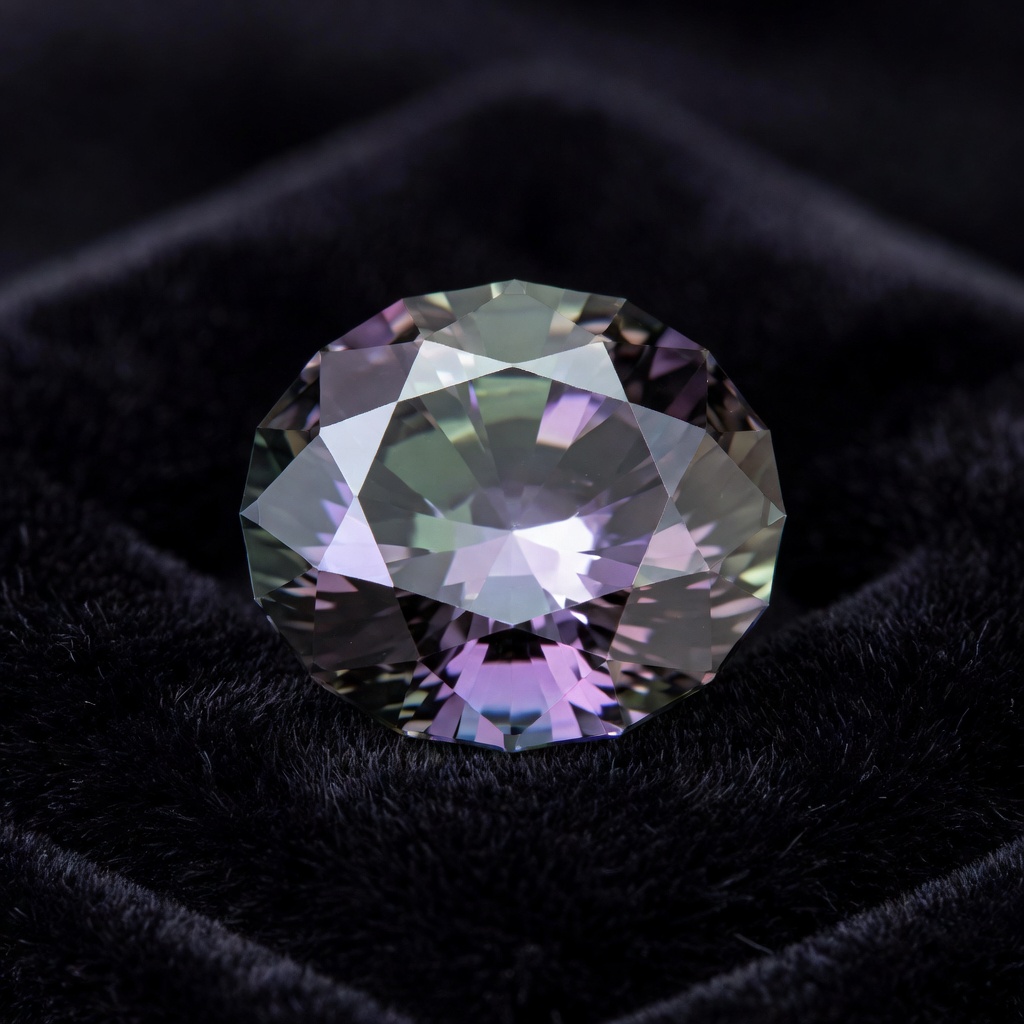
Distinguishing between musgravite and its close chemical cousin taaffeite represents one of the most challenging identification tasks in gemology, requiring sophisticated laboratory analysis rather than visual examination alone. While both stones belong to the same mineral group and share similar optical properties, musgravite contains essential magnesium in its crystal lattice that taaffeite lacks, creating subtle but definitive chemical distinctions detectable only through advanced spectroscopic testing. Visual identification proves particularly treacherous because both gems exhibit pleochroism—displaying different colors when viewed from different angles—with musgravite typically showing greenish-gray to purple hues while taaffeite ranges from mauve to violet. Even experienced gemologists with decades of field experience cannot reliably separate these species without laboratory equipment, making professional certification absolutely non-negotiable when considering acquisition.
The financial implications of misidentification between these species can be catastrophic for uninformed buyers, as musgravite commands prices routinely exceeding $100,000 per carat while taaffeite, though still rare, typically trades between $1,500 and $15,000 per carat depending on quality. In 2018, a private collector in Geneva discovered that a "musgravite" purchased for $85,000 from an unverified dealer was actually taaffeite, resulting in an immediate 80% value loss upon proper identification. Laboratory testing requirements now mandate Raman spectroscopy or Laser Ablation Inductively Coupled Plasma Mass Spectrometry (LA-ICP-MS) to definitively distinguish magnesium content and confirm true musgravite status. When evaluating musgravite vs taaffeite, insist on documentation from laboratories with specific experience in rare beryllium minerals, as standard gemological testing often lacks the precision required for this critical distinction.
Quality Factors: Evaluating Musgravite Using Modified 4Cs
Traditional diamond grading standards require significant modification when applied to ultra-rare collector gems like musgravite, where sheer availability often supersedes conventional quality metrics. Color evaluation focuses on the stone's pleochroic presentation, with the most valuable specimens displaying intense violet to purple hues when viewed from specific angles, while greenish-gray tones, though more common, still command substantial premiums due to overall rarity. Musgravite color grades range from "Fancy Light" gray-green through "Fancy Intense" purple to the exceptionally rare "Fancy Vivid" violet specimens that have achieved record prices at auction. Collectors should examine stones under multiple lighting conditions, as the pleochroic nature means a gem appearing greenish in daylight might reveal rich purple undertones under incandescent illumination.
Clarity standards for rare musgravite gemstones differ markedly from commercial gems, with collectors often accepting minor inclusions that would disqualify investment-grade diamonds, provided the inclusions do not significantly impact transparency or durability. Cut optimization presents unique challenges due to the extreme rarity of rough material; cutters prioritize weight retention over ideal proportions, meaning musgravite often appears in unusual cuts designed to maximize carat yield rather than optical performance. Carat weight premiums escalate dramatically for specimens exceeding one carat, with two-carat stones commanding multiples of five to ten times per-carat prices compared to one-carat equivalents. When evaluating a potential acquisition, consider the total package of color intensity, transparency, and provenance rather than applying rigid commercial standards, as a slightly included vivid purple specimen will always outperform a flawless gray-green stone in both aesthetic appeal and investment potential.
Understanding Musgravite Pricing and Market Value
Current musgravite price per carat ranges from approximately $35,000 for entry-level specimens with lighter colors or significant inclusions to over $800,000 for exceptional, large, vividly colored stones with impeccable documentation. This pricing structure reflects not merely geological scarcity but also the extreme difficulty in cutting and preparing specimens, as rough material often fractures unpredictably during processing, reducing already limited supplies. Several critical factors drive value beyond basic quality metrics, including documented provenance from specific mines known for superior color, historical significance of previous ownership, and the reputation of the cutting laboratory. In 2022, a 2.30-carat vivid violet musgravite from Sri Lanka achieved $1.8 million at auction, establishing new benchmarks for fine specimens and demonstrating the market's appetite for museum-quality material.
Market liquidity considerations require careful analysis for investors treating rare gem investment strategies seriously, as the ultra-rare nature of musgravite means selling periods may extend six to eighteen months compared to the immediate liquidity available for diamonds or colored stones like rubies. However, price appreciation trends show musgravite outperforming traditional investments, with values increasing approximately 300% between 2015 and 2023 for fine specimens, driven by increasing awareness among Asian collectors and limited new discoveries. Auction records from Christie's and Sotheby's reveal consistent demand from ultra-high-net-worth individuals seeking alternative stores of value unaffected by cryptocurrency volatility or stock market fluctuations. When budgeting for acquisition, allocate an additional 15-20% beyond the stone's price for insurance, secure storage, and potential recertification costs, ensuring your investment remains protected throughout your holding period.
Certification and Authentication: Avoiding Counterfeits
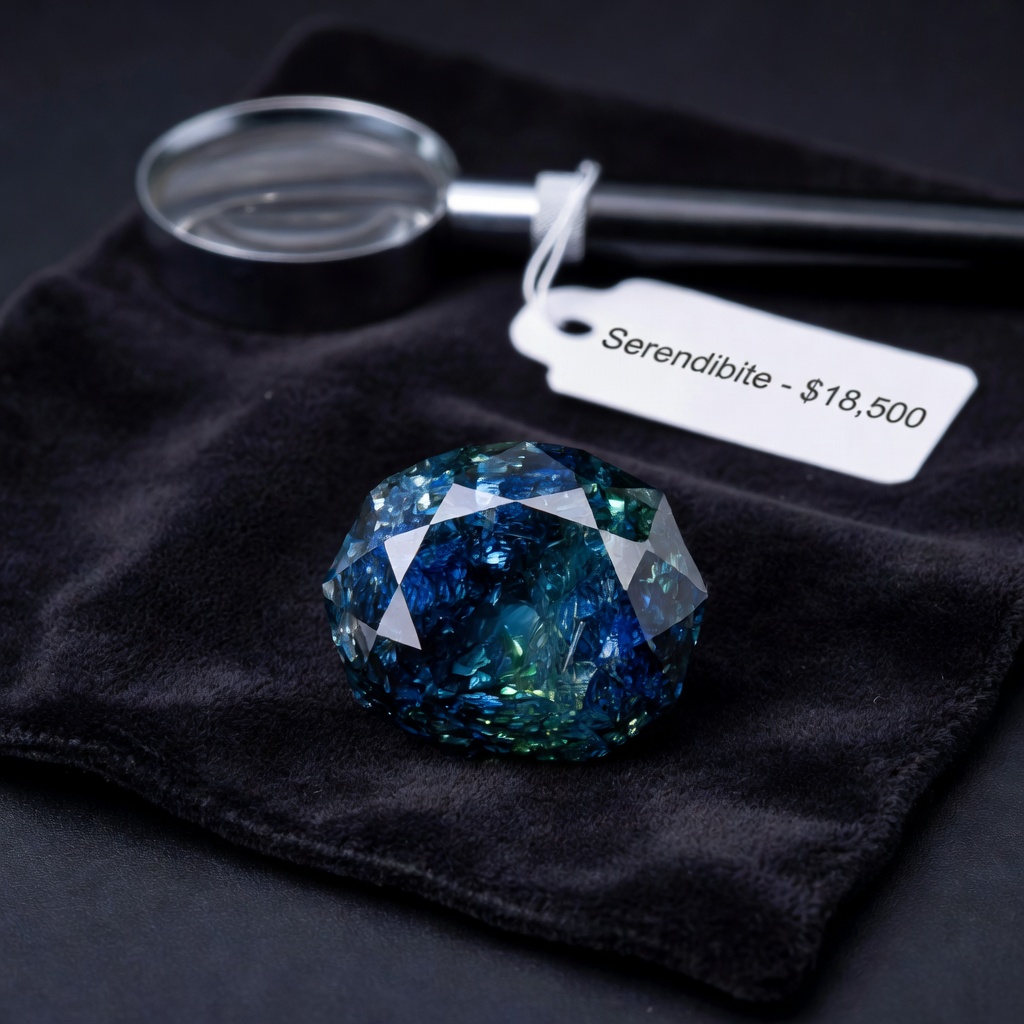
The extreme value of musgravite has unfortunately spawned a sophisticated market of simulants and misrepresented stones, making rigorous certification protocols essential for protecting investment capital. Required laboratory reports must originate from institutions with specific expertise in rare beryllium minerals, specifically the Gemological Institute of America (GIA), American Gemological Laboratories (AGL), or the Swiss Gemmological Institute (SSEF), as standard local gem labs often lack the reference libraries to distinguish musgravite from taaffeite accurately. Common simulants include synthetic spinel treated to mimic musgravite's pleochroism, natural taaffeite intentionally mislabeled, and occasionally coated quartz or glass composites targeting unsuspecting online buyers. Advanced testing methods now standard for musgravite identification include Raman spectroscopy to analyze crystal lattice vibrations and LA-ICP-MS to quantify exact magnesium content, providing definitive chemical fingerprints that cannot be falsified.
Red flags in documentation and dealer claims should trigger immediate termination of negotiations, particularly offers lacking independent laboratory verification or sellers claiming "private laboratory" certifications from unknown entities. Certified musgravite dealers will always provide stones with existing reports from recognized institutions and encourage buyers to submit stones for secondary verification at their own expense. Be wary of stones offered at significant discounts to market rates, as genuine musgravite rarely trades below established price floors due to consistent collector demand. When examining documentation, verify that the report specifically identifies the stone as "Musgravite" rather than "Taaffeite Group" or "Magnesium-rich Taaffeite," as precise nomenclature matters significantly for resale value and insurance purposes. Reputable dealers maintain transparent chain-of-custody documentation from the rough crystal stage through cutting, providing additional provenance security that speculative or fraudulent sellers cannot match.
Where to Purchase Authentic Musgravite Safely
Navigating the acquisition of six or seven-figure gemstones requires establishing relationships with vetted sources that provide both authenticity guarantees and transactional security appropriate for high-value purchases. Reputable high-end auction houses including Christie's, Sotheby's, and Bonhams represent the safest entry point for new collectors, offering pre-sale gemological reports, transparent condition disclosures, and established escrow procedures that protect both buyer and seller. These venues typically feature musgravite in their "Magnificent Jewels" or "Important Gems" auctions, with estimates and reserves reflecting current market realities rather than speculative pricing. For private treaty sales, specialized rare gem dealers with proven track records spanning decades, such as those based in Geneva, Hong Kong, or New York, provide personalized sourcing services and often maintain exclusive relationships with cutters in Sri Lanka who process new discoveries before they reach public markets.
Direct mine-to-market connections in Sri Lanka and Greenland offer opportunities for sophisticated buyers with established industry relationships to acquire rough or recently cut material before auction premiums apply. However, these channels require extensive due diligence regarding export documentation, as many jurisdictions restrict the export of unprocessed gemstone rough. Escrow services and verification protocols become essential for private sales, with transactions typically structured to release funds only after independent laboratory verification confirms the stone matches seller descriptions. When engaging with certified musgravite dealers, request references from previous transactions involving stones over $100,000 and verify professional memberships in organizations like the International Colored Gemstone Association (ICA) or the American Gem Trade Association (AGTA). Avoid online marketplaces, social media advertisements, or unsolicited emails offering "discount" musgravite, as these channels account for nearly all fraud cases involving synthetic simulants or treated stones misrepresented as natural musgravite.
Investment Strategies for Musgravite Portfolios
Incorporating ultra-rare gemstones into alternative investment portfolios requires sophisticated allocation strategies that account for liquidity constraints, insurance requirements, and market cyclicality distinct from traditional securities. Portfolio allocation recommendations suggest limiting musgravite and comparable ultra-rare gems to 5-10% of total alternative investment allocations, with individual stones representing no more than 1-2% of total net worth due to the specialized resale market. Long-term holding strategies generally outperform auction flipping for rare gem investment, as the transaction costs associated with high-end jewelry auctions (typically 20-25% combined buyer's premium and seller's commissions) erode short-term gains unless market prices appreciate significantly between sales. Successful collectors typically hold fine specimens for seven to ten years, allowing for sufficient market appreciation to offset acquisition premiums and transaction costs while benefiting from increasing scarcity as existing specimens enter permanent museum collections.
Storage, insurance, and security requirements for musgravite holdings demand institutional-grade solutions, with stones stored in specialized fine art vaults offering climate control, individual compartmentalization, and 24/7 monitoring rather than standard safe deposit boxes. Insurance coverage must specifically schedule musgravite under a fine arts policy rather than standard homeowner's coverage, with appraisals updated every two years to reflect market appreciation and ensure full replacement value. Exit strategies and resale channels require advance planning, with options including consignment to major auction houses, private sales through dealer networks, or donation to museums with retained lifetime ownership interests for tax optimization. When calculating musgravite price per carat appreciation potential, consider the growing wealth concentration in Asian markets where colored gemstone collecting enjoys cultural significance, suggesting sustained demand growth for the foreseeable future despite potential economic downturns affecting Western markets.
Caring for Your Musgravite Investment
Preserving the condition of a six or seven-figure gemstone requires protocols that go far beyond standard jewelry care, emphasizing preventive protection over routine maintenance. Proper storage involves climate-controlled environments maintaining 45-55% humidity and temperatures between 65-75°F, with individual soft-lined compartments preventing contact with other gemstones that might cause abrasion despite musgravite's 8-8.5 Mohs hardness rating. Unlike diamonds, musgravite should never be stored in standard bank vaults without humidity monitoring, as extreme dryness can cause stress to the crystal structure over decades of storage. Individual gem boxes made from acid-free materials with foam supports prevent movement during transport, while exterior packaging should provide shock absorption appropriate for international shipping standards.
Cleaning protocols specifically exclude ultrasonic and steam cleaners, which can exacerbate existing fractures or thermal shock despite the stone's relative hardness. Instead, clean musgravite using only lukewarm water with mild, phosphate-free soap applied with a soft camel-hair brush, followed by immediate drying with lint-free cloths. Insurance appraisal updates should occur biennially or whenever significant market shifts occur, with documentation including high-resolution photography, detailed laboratory reports, and provenance records stored in both physical and encrypted digital formats. Handling precautions extend to wearing gloves when examining loose stones to prevent oil transfer that affects optical performance, and always working over padded surfaces when mounting or remounting musgravite in jewelry settings. Given that rare musgravite gemstones represent irreplaceable assets, consider establishing relationships with conservators specializing in gem materials who can advise on long-term preservation strategies and assist with any necessary restoration work using techniques appropriate for beryllium-aluminum oxides.
Frequently Asked Questions About Musgravite
Why is musgravite so expensive compared to diamonds?
Musgravite commands higher prices than diamonds due to extreme scarcity—fewer than 25 faceted specimens existed before 2005. While diamonds have established mining operations, musgravite remains geologically rare with limited deposits, making it one of the most sought-after collector gemstones with prices reaching $800,000 per carat for fine specimens.
How can I verify that a musgravite is authentic and not taaffeite?
Authentic musgravite requires laboratory certification from GIA or AGL using advanced spectroscopic analysis. While visually similar to taaffeite, musgravite contains magnesium distinguishing it chemically. Never purchase without independent laboratory verification, as visual identification alone is unreliable even for experienced gemologists.
What colors does musgravite come in and which are most valuable?
Musgravite exhibits pleochroism showing greenish-gray, purple, or violet hues depending on viewing angle. The most valuable specimens display intense violet to purple colors with high saturation. Greenish-gray tones are more common but still command premium prices due to overall rarity, with color preference varying by collector market.
Is musgravite suitable for everyday jewelry wear?
While musgravite rates 8-8.5 on the Mohs hardness scale, making it durable enough for jewelry, its extreme rarity and value make it unsuitable for daily wear. Most collectors purchase musgravite as investment specimens or for occasional statement pieces, storing them securely when not in use.
Where are the best places to buy certified musgravite?
Purchase only from established high-end auction houses like Christie's or Sotheby's, or specialized rare gem dealers with verifiable histories. Avoid online marketplaces and unsolicited offers. Reputable dealers provide GIA or AGL certification, secure escrow services, and buy-back guarantees for stones over $50,000.
What is the current price per carat for musgravite?
Musgravite pricing ranges from $35,000 to $800,000+ per carat depending on size, color intensity, clarity, and provenance. Stones over 2 carats are exceptionally rare, often commanding premium multiples. Entry-level specimens with lighter colors start around $30,000 per carat, while museum-quality violet specimens exceed six figures per carat.
How does musgravite compare to red diamonds as an investment?
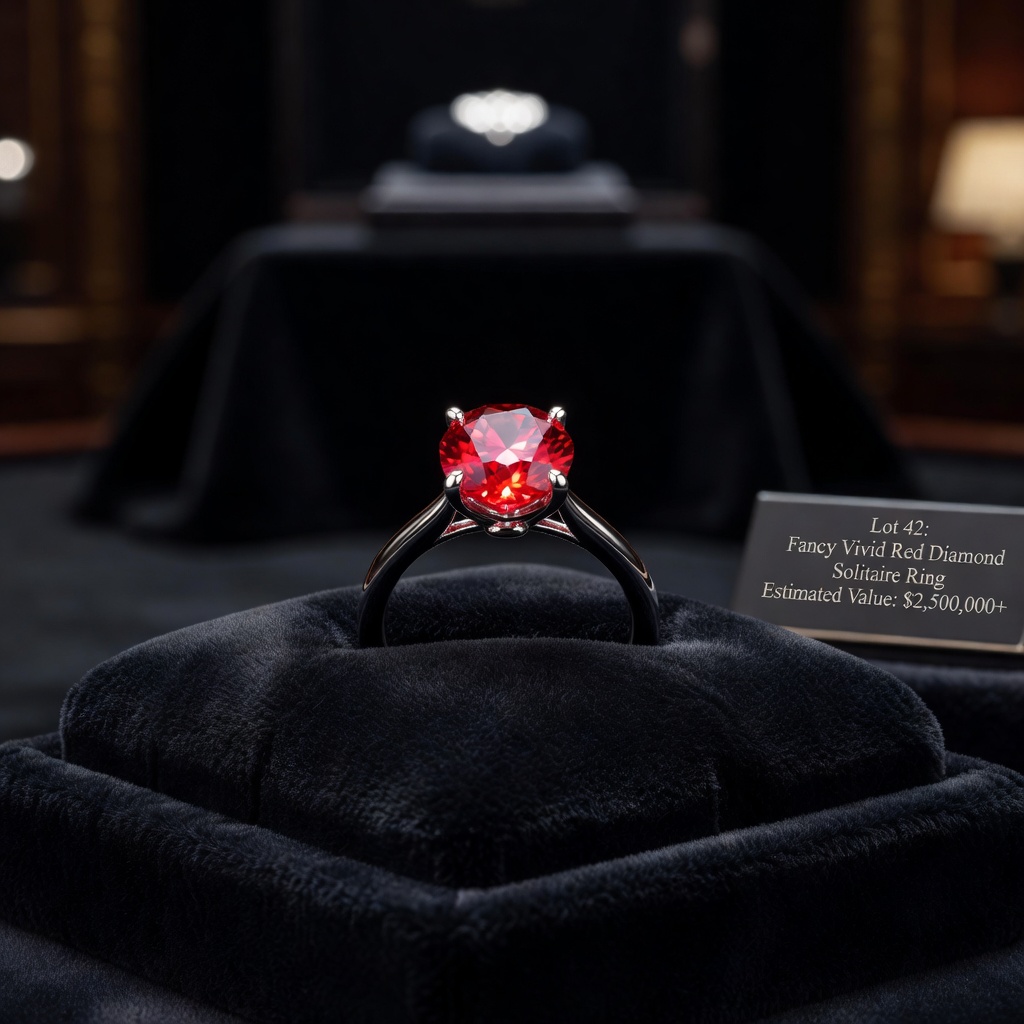
Both represent ultra-rare alternative investments, but musgravite offers lower market liquidity than red diamonds due to fewer educated buyers. However, musgravite shows stronger price appreciation potential given its recent discovery and growing collector recognition. Red diamonds offer more established resale channels, while musgravite suits sophisticated collectors with longer investment horizons.
What documentation should come with a musgravite purchase?
Every musgravite purchase must include a detailed laboratory report from GIA, AGL, or SSEF identifying the stone as musgravite (not taaffeite), noting color, clarity, carat weight, and origin. Additionally, obtain a certified appraisal for insurance, purchase receipt with seller credentials, and any historical provenance documentation for older specimens.