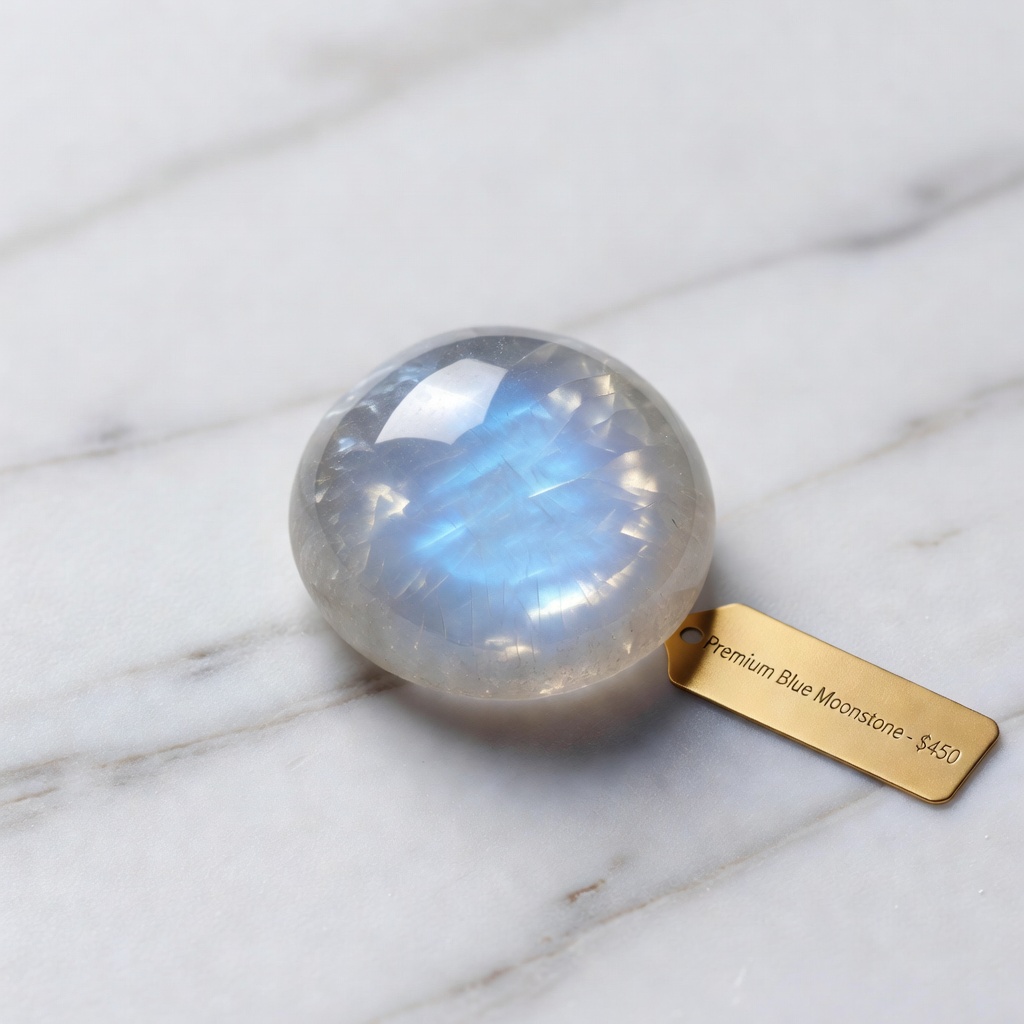
Introduction to Moonstone Valuation
Moonstone, a mesmerizing variety of the feldspar mineral group, has experienced a remarkable resurgence in the fine jewelry market throughout 2024. This ethereal gemstone, prized for its unique adularescence effect, occupies a fascinating position in the gem trade where prices can range from modest accessibility to high-end luxury depending on quality factors. Understanding the comprehensive Moonstone Price Guide requires familiarity with geological characteristics, market dynamics, and the subtle nuances that distinguish commercial-grade material from museum-quality specimens.
The valuation landscape for moonstones varies significantly across different markets and seller channels, creating potential confusion for both novice collectors and experienced jewelry enthusiasts. Wholesale prices in cutting centers like Jaipur, India differ substantially from retail jewelry stores in Western markets, often by margins of 200% to 400%. Current market trends indicate increasing demand for ethically sourced gemstones and a growing preference for vintage-inspired jewelry settings, both of which have influenced moonstone pricing structures and availability in recent years.
Understanding Moonstone Quality Grades
Professional gemologists and reputable dealers classify moonstones using a grading system that evaluates transparency, clarity, and the strength of optical phenomena. The moonstone quality factors typically follow a tiered classification of AAA, AA, and A grades, though these designations remain somewhat subjective compared to standardized diamond grading. AAA-grade specimens represent the top 1% of material, featuring exceptional transparency with minimal inclusions and a strong, centered adularescence that commands premium pricing in the marketplace.
Visual inspection techniques require examining the stone under diffused lighting against a dark background to assess body transparency and detect internal characteristics. High-quality moonstones should appear semi-transparent to transparent, allowing light to penetrate deeply and interact with the internal lamellar structure that creates adularescence. When evaluating potential purchases, insist on certification from recognized gemological laboratories such as GIA (Gemological Institute of America), AGS (American Gem Society), or IGI (International Gemological Institute), as these documents verify natural origin and disclose any treatments that might affect long-term value.
The Adularescence Effect and Pricing Impact
Adularescence represents the defining characteristic of fine moonstone, describing the billowy, glowing light that appears to float across the surface when the gem is rotated. This optical phenomenon results from the intergrowth of two different feldspar species (orthoclase and albite) forming microscopic layers that scatter light in a distinctive sheen. The adularescence value correlates directly with the intensity, mobility, and color of this effect, with prices escalating dramatically for stones displaying a sharp, electric blue flash compared to those showing a weaker white or silver glow.
Evaluating adularescence requires specific viewing conditions to ensure accurate assessment of quality. Hold the stone approximately 12 inches from your eye under a single light source, such as a penlight or direct sunlight, and slowly rotate it to observe how the light moves across the dome. Premium specimens display a distinct "eye" or focused area of light that appears three-dimensional and follows your gaze, while inferior material shows a flat, static sheen or scattered light without concentration. Blue adularescence commands the highest moonstone value per carat, often fetching three to five times the price of stones displaying white or peach-colored sheens.
Color Varieties and Their Market Values
The gemological marketplace recognizes several distinct color varieties of moonstone, each commanding different price points based on rarity and aesthetic appeal. Blue moonstone cost structures reflect the premium status of material originating primarily from Sri Lanka, where the combination of transparent body color and electric blue adularescence creates the most coveted specimens. These stones typically range from $200 to $500 per carat for fine qualities, with exceptional examples exceeding $1,000 per carat when they exceed three carats in weight.
Rainbow moonstone price points generally occupy a more accessible tier, though high-quality examples still command respect among collectors. Technically a variety of labradorite feldspar rather than orthoclase, rainbow moonstone displays a multicolored schiller effect including blues, greens, and golds against a milky white body. Indian sources dominate this market segment, offering stones typically priced between $30 and $150 per carat depending on the intensity of color play. White, peach, and gray moonstone varieties provide economical alternatives for jewelry designers, generally ranging from $10 to $50 per carat, though they lack the dramatic visual impact that drives premium pricing in the blue variety.
Moonstone Price Per Carat Breakdown
Understanding moonstone value per carat requires analyzing how size categories dramatically affect pricing structures within the gemstone market. Entry-level stones weighing less than one carat serve the mass jewelry market, typically pricing between $10 and $40 per carat for commercial quality with moderate adularescence. These smaller specimens work excellently for accent stones, stackable rings, and delicate earrings where subtlety takes precedence over dramatic optical display.
Mid-range specimens between one and five carats represent the sweet spot for fine jewelry applications, with prices ranging from $50 to $300 per carat depending on quality factors. Stones in this category often feature in designer cocktail rings and pendant centers where the adularescence effect remains visible without requiring excessive size. Collector-grade pieces exceeding ten carats with exceptional clarity and strong blue sheen enter a different economic tier entirely, potentially commanding $500 to $2,000 per carat due to extreme rarity, as large clean rough material becomes increasingly scarce in modern mining operations.
Geographic Origins and Price Premiums
Provenance significantly influences moonstone valuation, with Sri Lankan (Ceylon) material historically commanding the highest premiums in the international market. Sri Lankan blue moonstones exhibit a combination of transparency and intense adularescence rarely matched by material from other localities, with fine specimens often retailing at 40% to 60% premiums over comparable stones from alternative sources. The limited availability of high-grade Sri Lankan rough has tightened supply chains, further elevating prices for confirmed origin material in 2024.
Indian sources, particularly the regions of Bihar and Andhra Pradesh, produce abundant quantities of rainbow and white moonstone, creating more accessible price points for consumers. While generally more affordable, top-grade Indian material with exceptional clarity and strong adularescence can still achieve respectable prices in the $100 to $200 per carat range. Emerging sources from Madagascar and Myanmar have entered the market with mixed results; Madagascar produces interesting gray and peach varieties, while Myanmar occasionally yields fine blue material, though consistency remains variable compared to established Sri Lankan deposits. Domestic sources in Virginia and New Mexico provide limited quantities of collector specimens, primarily valued for their American origin rather than commercial quantity.
Cut Styles and Their Financial Impact
The cutting style chosen for moonstone dramatically affects both aesthetic presentation and market valuation, with traditional cabochon cuts dominating the high-end market. Cabochons featuring high domes maximize the display of adularescence by providing a broad canvas for light interaction and facilitating the rolling flash effect that collectors prize. Well-executed cabochons with precise symmetry and optimal height-to-width ratios command 20% to 30% premiums over poorly cut material, as proper proportions ensure the adularescence appears centered and mobile rather than fixed or off-center.
Faceted moonstones represent a niche category requiring exceptional clarity in the rough material, as inclusions become more apparent under faceting compared to cabochon smoothing. These rare cuts command significant premiums, often 50% to 100% above cabochon prices for comparable material, appealing to collectors seeking unique specimens and contemporary jewelry designers pursuing unusual light interactions. Bead-quality moonstone and rough material offer economical options for jewelry makers, with strands of graduated beads ranging from $20 to $200 depending on size and quality, while faceting rough and specimen-grade crystals appeal to lapidary artists willing to risk cutting for potential high-value outcomes.
Essential Buying Tips to Ensure Fair Value
Navigating the moonstone market requires diligence and knowledge to ensure authentic, fairly priced acquisitions. Essential moonstone buying tips include verifying seller credentials through professional memberships in organizations like the American Gem Trade Association (AGTA) or National Association of Jewelers, and insisting upon written return policies allowing inspection by an independent gemologist. Reputable vendors willingly disclose treatments and provide detailed descriptions of origin, cutting date, and any enhancement processes applied to the material.
Understanding disclosure requirements protects buyers from overpaying for treated or synthetic material. Common treatments include surface coating with metallic oxides to simulate adularescence, fracture filling with polymers to improve clarity, and heat treatment to enhance color. Comparison shopping across multiple channels—including specialized online gemstone dealers, established brick-and-mortar jewelry stores, and regional gem shows—helps establish fair market value benchmarks. When examining stones in person, request viewing under different lighting conditions, including incandescent, fluorescent, and natural daylight, as adularescence varies significantly under different spectral outputs.
Investment Potential and Long-term Value
While moonstones do not traditionally occupy the same investment tier as diamonds, rubies, or sapphires, exceptional specimens demonstrate steady appreciation potential driven by collector demand and resource depletion. Rarity factors including large carat weights, confirmed Sri Lankan origin, and untreated natural status create appreciation trajectories that have historically outpaced inflation. Museum-quality specimens exceeding five carats with strong blue adularescence have shown annual value increases of 5% to 8% over the past decade, particularly as Sri Lankan mining yields decline.
The collector market increasingly seeks exceptional moonstones for high-end jewelry collections and mineralogical displays, driving competition for top-tier material at international auctions and specialty gem shows. Proper storage requires protection from scratches and sudden temperature changes, as moonstones rank 6.0 to 6.5 on the Mohs hardness scale and can fracture along cleavage planes. Insurance considerations should include scheduled coverage on homeowners policies or specialized jewelry insurance, with appraisals updated every three to five years to reflect current market values for significant specimens.
Frequently Asked Questions
How much does moonstone cost per carat?
Moonstone prices typically range from $10 to $100 per carat for commercial quality, while high-grade specimens with strong blue adularescence can cost $200 to $500+ per carat. Exceptional collector pieces may exceed $1,000 per carat depending on size, clarity, and origin. The vast price range reflects the diversity of quality available in the marketplace, from mass-produced beads to singular museum-grade cabochons.
Why is blue moonstone more expensive than other colors?
Blue moonstones command higher prices because the electric blue adularescence is rarer and more desirable than white or silver sheens. This effect is most commonly found in high-quality Sri Lankan material, which has limited availability compared to rainbow or white varieties from India. The visual impact of a sharp blue flash against a colorless body creates the most striking appearance, driving demand among high-end jewelry designers and collectors who prioritize optical phenomena.
What is the most valuable type of moonstone?
The most valuable moonstones are transparent to semi-transparent cabochons displaying a strong, centered blue adularescence (billowy light effect) against a colorless body. Large specimens over 5 carats with these characteristics from Sri Lanka represent the peak of the market. Such stones combine rarity in size with optimal optical performance, often appearing in important estate jewelry and private collections where they command prices rivaling fine aquamarines or tourmalines.
Are treated or enhanced moonstones worth less?
Yes, treated moonstones generally command lower prices than natural, untreated specimens. Common treatments include surface coatings to enhance adularescence or fillings to mask inclusions. Always request a gemological report to verify natural origin before paying premium prices. Treated stones may offer attractive appearance initially but often show degradation over time as coatings wear or fillings discolor, making natural material preferable for both value retention and long-term durability.
How can I tell if a moonstone is high quality?
High-quality moonstones display a bright, mobile adularescence that appears to float across the surface when rotated under light. Look for transparency in the body of the stone, minimal inclusions, and a distinct blue or rainbow sheen rather than a dull, static glow. The best specimens reveal a three-dimensional depth to the light effect, creating an illusion of a glowing sphere suspended within the gem, while lower grades show flat, unimpressive reflections.
Where is the best place to buy moonstone at fair prices?
Reputable online gemstone dealers with return policies, established jewelry stores with GIA-certified staff, and specialized gem shows offer fair pricing. Avoid tourist traps and unverified online marketplaces where synthetic or heavily treated stones are often misrepresented. Building relationships with dealers who specialize in feldspar minerals often provides access to better material at competitive prices compared to general jewelry retailers who may lack specific expertise in evaluating adularescence quality.
Do moonstones increase in value over time?
While not typically considered high-investment gems like diamonds or rubies, fine-quality moonstones with exceptional adularescence have shown steady appreciation. Rare large specimens and antique moonstone jewelry often increase in value due to growing collector interest and diminishing supply of top-grade material. The closure of historical mines and increasing environmental regulations on mining operations suggest continued scarcity for premium material, supporting long-term value retention for exceptional pieces.
What size moonstone offers the best value for jewelry?
Stones between 2 to 5 carats typically offer the best balance of visual impact and affordability for jewelry. Smaller stones under 1 carat are economical for accent pieces, while sizes over 5 carats see exponential price increases due to rarity, making the mid-range sizes optimal for value-conscious buyers. This size range accommodates various setting styles from vintage-inspired rings to modern pendant designs while displaying sufficient surface area to showcase the characteristic light effect.