Introduction to Moldavite Maintenance
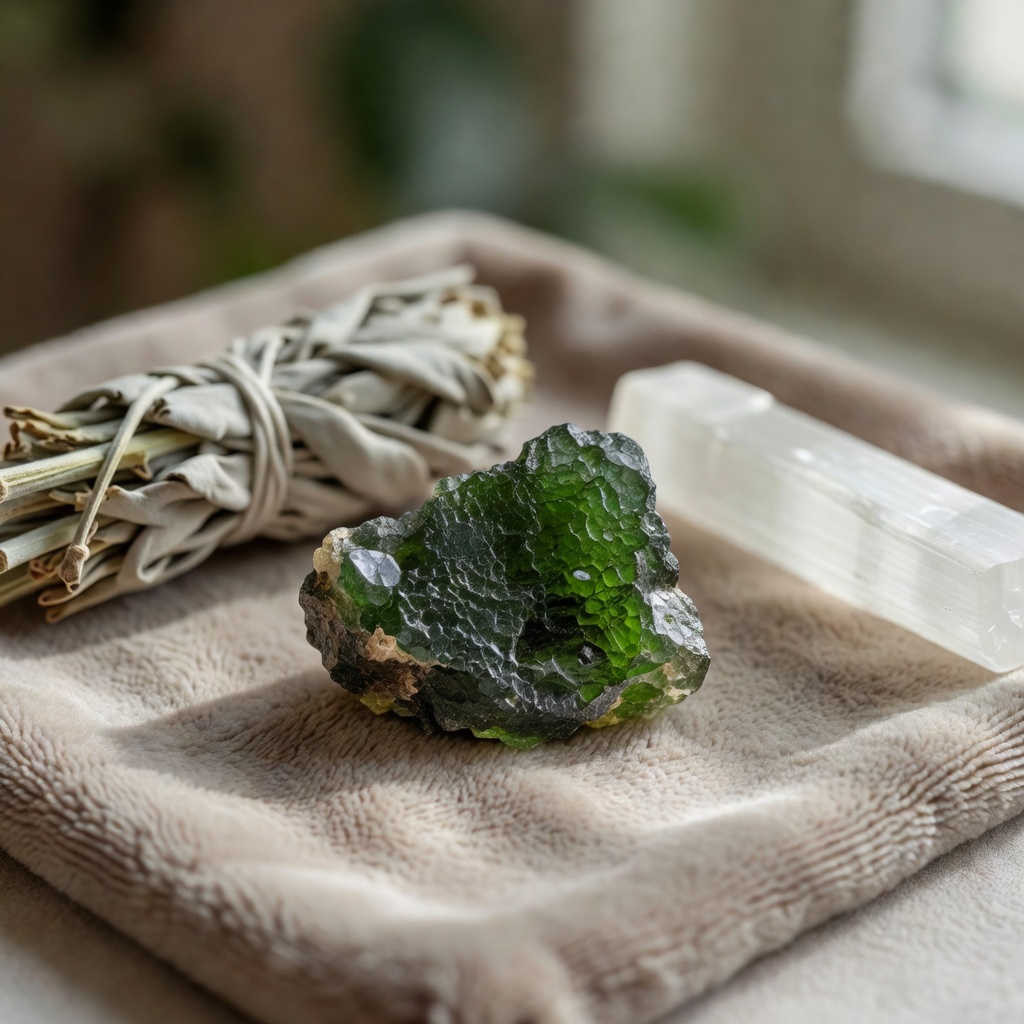
Moldavite, the olive-green tektite born from a meteoric impact nearly 15 million years ago, captivates crystal enthusiasts with its intense vibration and otherworldly appearance. However, this extraterrestrial gemstone requires significantly more specialized attention than your average quartz or amethyst specimen. Understanding proper moldavite care and cleaning protocols is essential for preserving both the physical integrity and metaphysical potency of this rare stone, as its unique formation makes it particularly vulnerable to environmental damage and energetic stagnation.
Effective maintenance of moldavite rests upon three fundamental pillars: physical cleaning to remove accumulated oils and debris, energetic cleansing to clear absorbed vibrations, and proper storage to prevent structural damage. Many newcomers to crystal work mistakenly treat moldavite like a standard quartz crystal, subjecting it to water baths or salt cleansing methods that can permanently damage its delicate surface. By adopting a tektite care guide approach that respects moldavite's glass-like composition, collectors can ensure their specimens remain vibrant and energetically active for decades.
Understanding Moldavite's Delicate Composition
Before diving into specific maintenance protocols, it is crucial to understand why moldavite demands such gentle handling. Unlike crystalline minerals formed through slow geological processes, moldavite belongs to the tektite family, created when a massive meteorite struck the Bohemian region of the Czech Republic with such force that terrestrial rock melted and was ejected into the atmosphere. As these molten droplets cooled rapidly during their descent, they formed a silica-rich glass structure with a Mohs hardness rating of approximately 5.5, significantly softer than quartz (7) and barely harder than window glass.
This glass-like composition results in a highly brittle stone characterized by natural surface fissures, pits, and wrinkles that give raw moldavite its distinctive sculpted appearance. These microscopic openings, while beautiful, create pathways for moisture and contaminants to penetrate the stone's interior. Additionally, the meteoric origin has left internal stress patterns within many specimens, creating invisible weak points that can fracture under thermal shock or impact. When learning how to clean moldavite, recognizing these vulnerabilities helps prevent accidental damage during routine maintenance.
Daily Handling and Wear Precautions
Wearing moldavite jewelry connects you to its transformative energy, but daily wear requires mindful practices to prevent cumulative damage. Always remove moldavite rings, pendants, or bracelets before engaging in physical activities, household cleaning, or any task involving potential impact. The 5.5 Mohs hardness means that everyday materials like steel door handles, granite countertops, or even harder gemstones in a jewelry box can scratch moldavite's surface. Consider removing your piece before sleeping, as nocturnal tossing can subject the stone to pressure against bed frames or headboards.
Temperature sensitivity presents another significant concern for moldavite jewelry care. Never expose your specimen to sudden temperature changes, such as moving from a hot car to an air-conditioned room or wearing it in a sauna. Thermal shock can exploit internal stress fractures, causing the stone to crack or shatter. Before handling raw moldavite specimens, always wash your hands thoroughly with mild soap and dry them completely. Natural skin oils, lotions, and perfumes can accumulate in moldavite's porous surface pits, gradually dulling its luster and requiring more intensive cleaning interventions.
Safe Physical Cleaning Techniques
When your moldavite develops a cloudy film or visible fingerprints, resist the urge to rinse it under the tap. Instead, employ dry cleaning methods that respect the stone's delicate structure. Begin with a soft-bristled artist brush, preferably a size 4 or 6 sable or synthetic watercolor brush with ultra-fine bristles. Gently sweep across the surface, working the bristles into the natural pits and grooves to dislodge dust and debris. Hold the specimen over a white cloth so you can see when the particulate matter has been successfully removed from the crevices.
For polishing and removing skin oils, use a high-quality microfiber lens cloth, the type used for cleaning camera lenses or eyeglasses. Gently buff the surface using circular motions, applying minimal pressure. Some collectors keep a dedicated microfiber pouch for their moldavite, allowing the stone to be gently polished simply by inserting and removing it from the protective sleeve. Moldavite cleansing methods should never involve ultrasonic cleaners, steam cleaning, or chemical jewelry dips, as these can force moisture into microscopic fissures or cause thermal shock that fractures the tektite structure.
Water Safety and Chemical Exposure Risks
The question of moldavite water safety generates significant confusion among crystal enthusiasts. Despite its glassy appearance, moldavite is not non-porous like manufactured glass. The rapid cooling process during its formation created microscopic surface openings that can trap water molecules, leading to internal cloudiness, mineral deposits, or structural weakening over time. Even brief immersion risks liquid seeping into these fissures, where it may remain trapped indefinitely, creating a foggy or milky appearance that diminishes the stone's translucency.
Salt water presents double jeopardy for moldavite specimens. Salt crystals themselves register 7.5 on the Mohs scale, meaning they can scratch moldavite's softer surface during contact. When dissolved in water, salt creates an electrolyte solution that can seep into surface pits and crystallize as it dries, exerting outward pressure that widens existing fissures. Similarly, avoid exposing moldavite to chlorinated pool water, hot tub chemicals, or household cleaners containing ammonia or acids. If your stone accidentally contacts water, immediately pat it dry with an absorbent microfiber towel and place it in a warm, dry location with good air circulation for 48 hours to ensure complete internal evaporation.
Energetic Cleansing and Charging Methods
Beyond physical maintenance, regular energetic cleansing maintains moldavite's high vibrational frequency. Moonlight bathing offers the safest and most effective method for cleansing moldavite crystals without risking physical damage. Place your specimen on a natural surface like wood or cotton cloth on a windowsill or outdoor altar during the full moon, allowing it to absorb lunar energy throughout the night. The waning moon phase also works well for clearing accumulated energies, while the new moon provides a blank slate for programming new intentions.
Smudging rituals using white sage, palo santo, or sweetgrass effectively clear energetic debris without touching the stone with moisture or salt. Pass your moldavite through the smoke several times while setting the intention for purification. Sound cleansing provides another water-free option; place the stone near a singing bowl or tuning fork (4096 Hz or 528 Hz work particularly well) and allow the vibrational frequencies to reset the tektite's energy field. For ongoing maintenance, create a charging station using a selenite slab or clear quartz cluster. These self-cleansing stones continuously purify moldavite placed upon them, making them ideal for overnight energetic maintenance.
Proper Storage Solutions
When not in active use, moldavite storage tips emphasize isolation and environmental stability. Always store each moldavite specimen individually in a soft pouch made of silk, velvet, or unbleached cotton to prevent contact with harder stones. A tumbled amethyst or quartz point (Mohs 7) can easily scratch moldavite if tossed together in a drawer. Consider using acid-free tissue paper as a wrapping layer inside the pouch for extra protection of particularly textured raw pieces.
Environmental controls play a crucial role in long-term preservation. Maintain stable temperature and humidity levels, avoiding attics, basements, or bathrooms where fluctuations are common. Direct sunlight can fade moldavite's characteristic green color over time and create thermal stress, so choose storage locations away from windows. For collectors displaying specimens, choose glass cases with UV-filtering properties and fabric-lined bases. Energy workers who use moldavite in healing practices should designate a specific "rest" area where the stone can recover between sessions, ideally on a bed of cedar shavings or dried lavender that absorbs residual energies naturally.
Restoring Cloudy or Damaged Specimens
Cloudiness in moldavite requires diagnostic assessment to determine whether the issue is physical or energetic in nature. Physical cloudiness typically manifests as a dull film or white residue within surface pits, often resulting from accumulated skin oils, dust, or previous moisture exposure. Address this by gently polishing with a dry microfiber cloth followed by careful brushing with a soft artist brush. For stubborn residue in deep crevices, a can of compressed air (used for electronics) can dislodge particles without introducing moisture.
Energetic cloudiness presents differently—the stone may appear physically clear but feel "heavy," "dead," or lacking its usual vibration. This saturation requires intensive cleansing using multiple methods: begin with a smudging ritual, follow with 24 hours on a selenite plate, and conclude with moonlight exposure. If your moldavite suffers physical damage such as chips or scratches, consult a professional lapidary who specializes in tektites. Attempting DIY polishing with compounds or wheels can generate heat that fractures the stone further. Professional repolishing can restore luster to damaged surfaces while preserving the specimen's unique sculptural features.
Maintenance Schedule and Frequency
Establishing a consistent care routine ensures your moldavite remains both beautiful and energetically potent. For daily wear jewelry, perform light physical cleaning using a microfiber cloth every evening after removal, checking for loose settings or new surface damage. Energetic cleansing should occur weekly for frequently worn pieces, using your preferred method of smudging or sound clearing. Meditation stones used less frequently require cleansing after each session or bi-weekly, whichever comes first.
Implement seasonal deep cleaning protocols every three months. During these sessions, thoroughly inspect the stone under bright light for new fissures or clouding, perform deep dry brushing of all surface pits, and execute a three-day energetic reset involving moonlight charging and selenite placement. Watch for specific signs indicating immediate attention is needed: sudden cloudiness appearing overnight suggests moisture intrusion requiring emergency drying, while a noticeable drop in the stone's energetic "buzz" indicates energetic saturation. By adhering to this structured approach to moldavite care and cleaning, you preserve both the physical beauty and metaphysical properties of this extraordinary celestial gemstone.
Frequently Asked Questions
Can you clean moldavite with water?
No, you should avoid cleaning moldavite with water. Despite its glassy appearance, moldavite is porous and has microscopic surface fissures that can trap moisture, leading to cloudiness or internal damage. Instead, use a dry soft brush or microfiber cloth to remove dust and oils.
How do you cleanse moldavite energetically without water?
The safest methods include placing it under moonlight (especially during full moon), smudging with white sage or palo santo, burying it in dry brown rice for 24 hours, or using sound cleansing with singing bowls. You can also place it on a selenite charging plate overnight.
Is it safe to wear moldavite jewelry every day?
While you can wear moldavite daily, it requires careful handling due to its 5.5 Mohs hardness. Remove it before showering, swimming, exercising, or sleeping to prevent scratches, chemical exposure, and impact damage. Store it separately from harder gemstones like diamonds or sapphires.
Why is my moldavite turning cloudy or dull?
Cloudiness usually results from oil and dirt buildup in surface pits, moisture exposure, or energetic saturation. For physical cloudiness, gently polish with a dry microfiber cloth. For energetic heaviness, perform a smudging ritual or moonlight cleanse to restore its vibrancy.
Can I use salt to cleanse my moldavite crystal?
Avoid using salt or salt water on moldavite. Salt crystals are harder than moldavite and can scratch its surface, while salt water can seep into microscopic fissures and cause deterioration over time. Opt for dry cleansing methods like rice, sage, or moonlight instead.
How should I store moldavite when I'm not using it?
Store moldavite in a soft pouch or fabric-lined box away from direct sunlight, which can fade its color over time. Keep it separate from harder stones to prevent scratching, and maintain stable temperature and humidity levels to protect its delicate structure.
Can moldavite go in the sun for charging?
Brief sun exposure (15-30 minutes) is generally safe for charging, but prolonged direct sunlight can cause the green color to fade and may create thermal stress. Moonlight is the safer, preferred option for charging moldavite without risking heat damage or color loss.
What should I do if I accidentally dropped my moldavite in water?
Remove it immediately and gently pat dry with a soft, absorbent cloth. Place it in a warm (not hot), dry area with good air circulation for 24-48 hours to ensure complete internal drying. Follow up with an energetic cleansing once dry, as water can disrupt the stone's vibration.