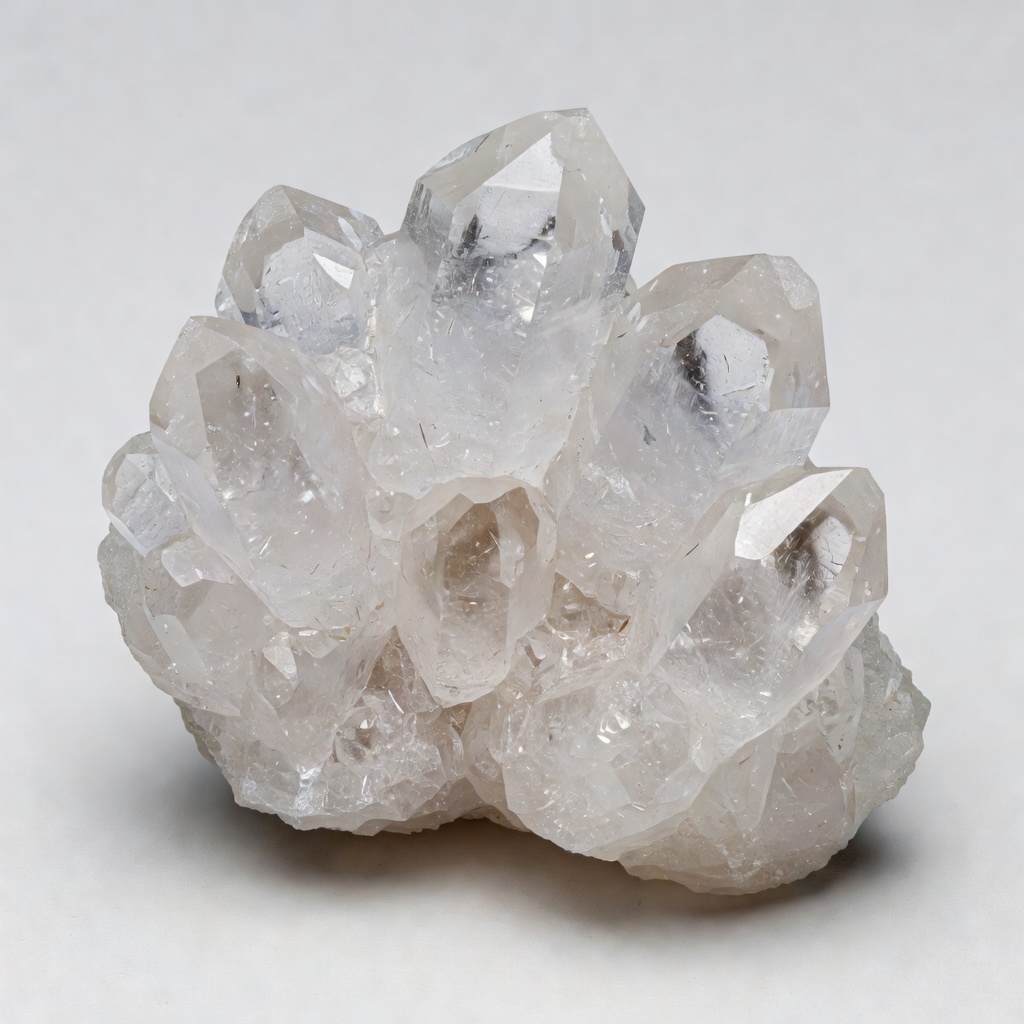
What Is Milky Quartz and Why Prices Vary
Milky quartz is a variety of silicon dioxide characterized by its distinctive white to translucent appearance caused by microscopic fluid inclusions, gas bubbles, or trace minerals trapped during crystallization. Unlike its transparent counterpart, this opaque to semi-opaque gemstone forms when hydrothermal solutions cool rapidly or when crystals grow in environments with high water content, creating the cloudy, milky effect that gives the stone its name. Geologically, it occurs in pegmatites, hydrothermal veins, and alpine-type fissures across the globe, with massive deposits making it one of the most abundant crystalline minerals available on the commercial market.
The white quartz pricing structure begins with understanding that this material is mined extensively in Brazil, Madagascar, Arkansas in the United States, and the Alpine regions of Europe. Brazilian deposits typically produce large quantities of medium-quality material that floods the market, while Arkansas specimens often command slight premiums due to historical significance and crystal clarity. Unlike rare gemstones such as diamond or emerald, milky quartz occurs in vast quantities, which establishes a baseline affordability that makes it accessible to collectors and jewelry makers at virtually every budget level.
When assessing milky quartz value, it is crucial to distinguish between commercial-grade material and collector-quality specimens. While clear quartz is prized for transparency and optical clarity, milky quartz derives its aesthetic appeal from the depth and pattern of its cloudiness, with the most valuable pieces displaying a soft, glowing luminosity rather than a dull, chalky opacity. The stone's abundance means that raw material prices remain consistently low, but factors such as crystal size, formation uniqueness, and geographic origin create significant price variations within the marketplace.
Current Market Prices per Carat and Gram
Understanding the milky quartz cost per carat requires examining the market across four distinct quality tiers, each serving different buyer needs from bulk crafting material to high-end jewelry components. Entry-level raw specimens suitable for tumbling, educational collections, or energy work typically trade between $0.10 and $2 per carat, with bulk purchases often calculated by kilogram rather than individual carat weight. These pieces may show rough surfaces, partial crystal formations, or inconsistent coloring, but they provide excellent value for beginners or those purchasing material for lapidary projects.
Mid-grade tumbled stones and small carvings occupy the $2 to $8 per carat range, representing the sweet spot for most retail consumers seeking polished pieces for jewelry making or metaphysical purposes. At this price point, buyers can expect smooth, consistent finishes on palm stones, small spheres, and basic cabochons that display attractive cloud patterns without significant surface imperfections. A 50-carat palm stone in this category would typically retail between $100 and $400, depending on the quality of polish and the specific crystal habit of the rough material used.
High-end jewelry-grade pieces command milky quartz cost per carat figures between $8 and $25, particularly when the material exhibits exceptional translucency, unique visual phenomena, or has been fashioned by skilled lapidaries into designer cabochons. These specimens often originate from specific localities known for superior clarity, such as certain Brazilian mines or historic Arkansas deposits. Exceptional collector specimens, including large crystal clusters weighing several kilograms, perfectly formed points with rare inclusions, or historically significant pieces from depleted mines, can exceed $25 per carat and reach into the thousands of dollars for museum-quality display items.
Six Key Factors That Determine Milky Quartz Value
Clarity and the degree of milkiness represent primary determinants of milky quartz crystal value, with the market showing clear preferences for specific visual characteristics. Specimens that achieve a balanced semi-translucency—allowing light to penetrate while maintaining that characteristic soft, glowing appearance—command higher prices than either completely opaque stones or those with muddy, uneven cloud distribution. The most valuable pieces often display distinct zoning patterns, where layers of milky and clear quartz create striking visual effects that lapidaries can accentuate through careful cutting and polishing.
Size and weight influence pricing exponentially rather than linearly, meaning that a 100-carat specimen typically costs significantly more per carat than a 10-carat piece of similar quality. This scaling effect occurs because large, undamaged milky quartz crystals are less common than smaller fragments, particularly when seeking pieces suitable for substantial carvings or display clusters. Craftsmanship quality in cut and polished items can elevate material value by 300-500%, as expert lapidaries can transform relatively common rough material into sought-after art pieces through superior cutting techniques that maximize the stone's natural glow and minimize visible flaws.
Origin and provenance add documented value to specimens, with crystals from historic locations such as the Mount Ida region of Arkansas or specific Swiss Alpine sites commanding premiums due to mining restrictions or depletion. Current market demand and trends significantly impact short-term pricing, with interior design cycles currently favoring large milky quartz clusters as decorative elements, driving up prices for aesthetic specimen pieces. Finally, the presence of unique formations such as phantom growths, rare mineral inclusions like tourmaline or rutile needles, or unusual twinning habits can transform an ordinary piece of milky quartz into a collector's item worth ten times the base material value.
Price Comparisons by Form and Application
Raw crystal clusters and tumbled stones represent opposite ends of the processing spectrum, with raw matrix specimens typically costing 40-60% less than polished equivalents of the same weight. A 500-gram natural cluster might retail for $25-75 depending on aesthetic appeal, while the same material tumbled into palm stones could generate $150-300 in retail value. This pricing differential reflects labor costs and material loss during processing, as rough material must be graded, cut, and polished, reducing final yield by 30-50% depending on the quality of the original rough.
Cabochons and beads for jewelry making occupy a middle pricing tier, with calibrated sizes for commercial jewelry production generally ranging from $5 to $15 per carat for standard oval or round shapes. Custom-cut freeform cabochons command premiums of 20-30% above calibrated pricing due to the skilled labor required. Carved figurines, spheres, and decorative items introduce significant value addition based on artistic merit; a simple milky quartz sphere might cost $50-100 for a 3-inch diameter piece, while intricate carvings such as animal figures or geometric forms can reach $200-500 for similar weights due to the specialized carving time required.
Set milky quartz jewelry prices reflect substantial markup over loose stones, with sterling silver settings typically adding $40-100 to the base stone cost, while 14k gold settings can add $200-500 or more depending on metal weight and design complexity. The healing crystals and metaphysical market often applies additional premiums for "activated," "charged," or certified pieces, with some retailers marking up standard material by 100-200% based on claimed energetic properties or inclusion in curated crystal kits. Wholesale milky quartz buyers should note that bulk purchases of rough material for carving or tumbling typically require minimum orders of 5-10 kilograms to access the lowest per-carat pricing tiers.
Wholesale vs. Retail Price Differences
The wholesale milky quartz market operates on substantially different pricing structures than retail channels, with typical wholesale rates running 40-60% below retail sticker prices for equivalent material. Wholesale transactions usually require minimum purchase commitments, with tiered pricing structures offering the best milky quartz cost per carat rates for orders exceeding 20 kilograms of rough material or 1,000 carats of finished goods. Professional buyers at this level might pay $0.30-0.80 per carat for medium-grade rough that would retail for $2-3 per carat in finished form, representing the significant volume discounts available to established businesses.
Retail markup percentages in crystal shops and jewelry stores typically range from 100% to 300% above wholesale acquisition costs, with brick-and-mortar establishments requiring higher margins to cover physical overhead costs. Online marketplace pricing trends on platforms like Etsy, eBay, and Amazon show increasing compression, with competition driving retail prices closer to wholesale levels, particularly for standardized items like tumbled stones and simple beads. However, these platforms also feature significant price volatility, with uninformed sellers occasionally pricing rare specimens below market value or, conversely, charging exorbitant rates for common material to uneducated buyers.
Individual buyers seeking to access wholesale pricing can explore several avenues, including joining mineral collecting clubs that organize group buys, establishing reseller tax identification numbers to qualify for wholesale accounts with major distributors, or attending wholesale-only days at major gem and mineral shows such as the Tucson Gem Show. Some international dealers offer "semi-wholesale" pricing for purchases over $500, providing a middle ground between retail and true bulk pricing for serious collectors or small jewelry makers looking to minimize material costs.
Where to Buy Milky Quartz at Fair Prices
Recommended online retailers and specialty shops for purchasing quality material include established dealers with physical showrooms and online presences, such as those specializing in Brazilian imports or Arkansas quartz specifically. When evaluating milky quartz value in digital marketplaces, prioritize sellers who provide multiple high-resolution photographs showing different angles and lighting conditions, detailed weight specifications in both grams and carats, and clear statements regarding treatment or enhancement status. Reputable dealers typically offer return policies of at least seven days and provide certificates of authenticity for specimens exceeding $100 in value.
Gem and mineral shows represent premier venues for direct sourcing, allowing buyers to inspect material personally, compare pricing across multiple vendors, and negotiate cash discounts. Major shows such as the Tucson Gem and Mineral Show, the Denver Gem and Mineral Showcase, and regional events hosted by mineralogical societies offer opportunities to purchase directly from miners and cutters, eliminating intermediary markups. When buying in person, bring a jeweler's loupe (10x magnification) to inspect for cracks, dye treatments, or artificial cloudiness created by heating or irradiation.
Red flags for overpriced or fake milky quartz include perfectly uniform cloudiness that suggests glass or manufactured quartz, prices significantly below market rates (indicating possible misrepresentation or synthetic material), and sellers who cannot provide basic information about the stone's origin or geological characteristics. International buying considerations involve understanding import duties, which can add 5-15% to purchase prices depending on your country's tariff schedules for semi-precious stones, as well as shipping costs for heavy crystal specimens, which can exceed the material value for large clusters sent via international courier services.
Expert Buying Tips to Get the Best Value
Assessing quality before purchasing requires systematic evaluation of the stone's surface integrity, color consistency, and structural stability. For rough specimens, examine termination points for chips or damage, as complete crystal points command significant premiums over broken material. When evaluating milky quartz jewelry prices, inspect settings for secure prongs and proper alignment, ensuring that the metalwork quality justifies the markup over loose stone pricing. For carved pieces, check that polishing is consistent across all surfaces without flat spots or tool marks that indicate rushed workmanship.
Timing your purchase for seasonal sales can yield savings of 20-40%, with the post-holiday period (January-February) and mid-summer (July-August) typically offering the best inventory clearance prices as retailers prepare for new stock. Negotiation strategies for in-person buys at shows or shops include offering cash payments (which save vendors credit card processing fees), bundling multiple items for volume discounts, and politely pointing out minor imperfections that justify price reductions. Building relationships with trusted suppliers over multiple purchases often yields "friendship pricing" or first access to new inventory before it reaches general retail channels.
Certificates of authenticity matter primarily for specimens exceeding $500 or pieces claimed to be from specific famous localities, as documentation from recognized gemological laboratories like GIA or independent mineralogical associations provides verification that protects resale value. For most commercial-grade material under $100, detailed receipts noting weight, dimensions, and origin serve sufficient documentation purposes. Maintaining records of your purchases, including photographs and provenance information, supports future milky quartz value assessments and insurance valuations for significant pieces.
Investment Potential and Resale Value
Is milky quartz a good investment gemstone? Generally, financial advisors and gemologists classify milky quartz as a poor choice for pure investment purposes due to its geological abundance and steady supply from multiple global sources. Unlike rare colored gemstones such as alexandrite or high-grade sapphire, which appreciate based on scarcity, milky quartz crystal value remains relatively stable without significant long-term appreciation trends. However, specific categories—including large museum-quality clusters over 10 kilograms, specimens from historically significant mines that are now closed or restricted, and masterfully carved art pieces by recognized lapidary artists—may appreciate 2-5% annually, keeping pace with inflation but rarely generating substantial capital gains.
Documentation and preservation practices essential for resale include maintaining specimens in stable environmental conditions away from direct sunlight (which can cause fading in some treated material), retaining original purchase receipts and locality documentation, and photographing pieces professionally to capture their aesthetic qualities. Market trends indicate increasing demand for "ethical" and "conflict-free" crystals, potentially enhancing values for documented responsibly-mined material from regulated operations in the United States or European Union compared to undocumented imports.
Future price predictions suggest continued stability for standard commercial grades, with potential moderate increases for high-quality jewelry material as fashion trends cycle back toward opaque white gemstones. When comparing with other quartz varieties, milky quartz typically trades below amethyst, citrine, and rose quartz in equivalent qualities, but above common agate or jasper. Investors seeking quartz family stones might better target rare varieties such as prasiolite or specific phantom quartz formations, while purchasing milky quartz primarily for aesthetic enjoyment, metaphysical practice, or jewelry creation rather than financial speculation.
Caring for Milky Quartz to Maintain Its Value
Proper cleaning methods for preserving milky quartz jewelry prices and specimen values involve using lukewarm water with mild dish soap and a soft-bristled brush to remove accumulated oils and dust. Avoid ultrasonic cleaners and steam cleaning systems, as the internal inclusions and potential fracture planes common in milky quartz can expand under rapid temperature changes or vibrational stress, causing cracks or cleaving. For stubborn dirt in crystal crevices, brief soaking (no more than 30 minutes) followed by gentle air drying prevents water spots that might dull the surface luster.
Storage recommendations emphasize individual wrapping in soft cloth, acid-free tissue, or padded gem jars to prevent scratching from harder materials (though milky quartz ranks 7 on the Mohs hardness scale, it can be scratched by topaz, corundum, and diamond). Display pieces should be positioned away from high-traffic areas where accidental bumping might chip delicate terminations, and should never be exposed to prolonged direct sunlight, which can cause temporary or permanent fading of any trace iron or manganese compounds that contribute to the milky appearance.
Handling tips for jewelry and display pieces include removing rings and bracelets before heavy manual work or exposure to household chemicals, as acids and bases can etch quartz surfaces over time. Common mistakes that decrease milky quartz value include storing specimens in direct contact with metal display stands (which can cause rust staining), using abrasive cleaning cloths that micro-scratch polished surfaces, and subjecting carved pieces to rapid temperature changes such as moving from a hot car to air-conditioned environments. Regular inspection of jewelry settings ensures that prongs remain tight, preventing the loss of stones that would be difficult to match and replace.
Frequently Asked Questions
How much does milky quartz cost per carat?
Milky quartz typically costs between $0.10 and $25 per carat depending on quality and form. Common raw specimens run $0.10-$2 per carat, while jewelry-grade pieces command $8-$25 per carat. Most commercial tumbled stones fall in the $2-$5 per carat range, making it an affordable gemstone option.
Is milky quartz valuable compared to clear quartz?
Milky quartz is generally less valuable than clear quartz due to its abundance and opacity. While clear quartz can reach $50+ per carat for high-clarity specimens, milky quartz rarely exceeds $25 per carat. However, exceptional milky quartz with unique formations or expert craftsmanship can rival mid-grade clear quartz prices.
What affects milky quartz price the most?
The four biggest price factors are: 1) Size and weight (larger pieces cost more overall), 2) Craftsmanship quality in cut/polished items, 3) Degree of translucency (milky but not opaque commands higher prices), and 4) Market form (jewelry pieces are priced higher than raw crystals). Rare inclusions or unique crystal habits can also significantly increase value.
Where can I buy authentic milky quartz at fair prices?
Reputable sources include established gem and mineral dealers, certified Etsy shops with high ratings, specialized crystal retailers like Healing Crystals or Energy Muse, and gem shows where you can inspect pieces directly. Avoid sellers who can't provide clear photos, proper weight measurements, or basic origin information. Online marketplaces should have buyer protection policies.
Does milky quartz jewelry cost more than loose stones?
Yes, milky quartz jewelry typically costs 3-5 times more than loose stones of the same weight due to metal settings, craftsmanship, and design premiums. A milky quartz cabochon worth $15 might become a $75-100 pendant in a sterling silver setting. Gold settings and designer brands can increase the multiplier to 10x or higher.
How can I tell if milky quartz is real before buying?
Real milky quartz has natural cloudiness from microscopic fluid inclusions, feels cool to touch, and has a Mohs hardness of 7 (scratches glass). Look for natural surface textures, uneven color distribution, and internal flaws. Be wary of perfectly uniform pieces, air bubbles (indicates glass), and suspiciously low prices. When in doubt, request a certificate from a gemological lab for expensive purchases.
Will milky quartz increase in value over time?
Milky quartz is not considered a strong investment gemstone due to its abundance. While exceptional specimens may appreciate 2-5% annually, common pieces rarely increase significantly in value. Focus on unique formations, large crystals from depleted mines, or masterfully crafted jewelry if seeking appreciation. Most buyers purchase for aesthetic or metaphysical purposes rather than investment.
What's the difference between wholesale and retail milky quartz pricing?
Wholesale prices are typically 40-60% lower than retail, with bulk orders (1kg+) receiving the best rates. Wholesale milky quartz rough might cost $0.50 per carat vs. $2-3 retail. Retail markups cover business overhead, curation, and customer service. Individual buyers can access wholesale pricing at gem shows, through co-op buying groups, or by establishing reseller accounts with minimum purchase requirements.