Comprehensive Guide to Milky Quartz Care and Cleaning
Milky quartz, with its ethereal white translucence and soothing appearance, has captivated collectors and crystal enthusiasts for centuries. Whether you own milky quartz jewelry, display specimens, or healing stones, proper maintenance ensures these beautiful crystals retain their lustrous appearance for generations. Understanding the unique properties of this snowy variety of crystalline silica helps you implement the most effective milky quartz care and cleaning routines without risking damage to your treasured pieces.
Understanding Milky Quartz Composition and Properties
Before diving into specific cleaning protocols, understanding the fundamental milky quartz properties helps you appreciate why certain care methods work better than others. Milky quartz earns its distinctive cloudy appearance from countless microscopic fluid inclusions, gas bubbles, and trace mineral deposits trapped within the crystalline structure during formation. These inclusions scatter light differently than clear quartz, creating that characteristic soft, glowing white appearance that makes this variety so sought after for both decorative and metaphysical purposes.
The mineral scores a solid 7 on the Mohs hardness scale, indicating excellent scratch resistance compared to many other gemstones. This hardness level means white quartz maintenance doesn't require the extreme delicacy needed for softer stones like opal or pearl, though it still demands respect and proper technique. However, the microscopic inclusions that create milky quartz's beauty can sometimes create microscopic pathways within the stone, making certain varieties slightly more porous than their clear counterparts, particularly when dealing with included or double-terminated specimens.
Unlike completely non-porous materials, some milky quartz specimens may exhibit slight sensitivity to harsh chemicals over extended exposure periods. The boundary zones between inclusions and the quartz matrix can potentially trap cleaning agents if not rinsed properly, leading to gradual clouding or residue buildup. This characteristic makes gentle, thorough cleaning techniques particularly important for preserving the stone's natural radiance and ensuring longevity in your collection.
Essential Daily Maintenance Routine
Implementing consistent daily and weekly milky quartz care and cleaning habits prevents the accumulation of oils, dust, and environmental pollutants that can dull your crystal's appearance over time. When handling milky quartz, always touch the stone with clean, dry hands or wear cotton gloves to minimize the transfer of skin oils and fingerprints. The opaque, matte-like surface of milky quartz tends to show smudges and fingerprints more prominently than transparent varieties, making proactive handling practices essential for maintaining its pristine appearance.
For displayed specimens, incorporate gentle dusting into your weekly cleaning routine using a soft, lint-free microfiber cloth. Unlike feather dusters that can scratch surfaces or spread dust around, microfiber effectively traps particles without abrading the crystal's surface. When dusting intricate clusters or carved pieces, support the specimen with one hand while cleaning with the other to prevent accidental drops or stress on delicate points. This simple snow quartz care tips practice takes only minutes but significantly reduces the need for frequent wet cleaning sessions.
Environmental awareness plays a crucial role in daily maintenance. Monitor the humidity levels where you store or display milky quartz, as extreme fluctuations can stress the crystal structure over time. Ideal relative humidity ranges between 40-60 percent prevent both excessive drying that might affect any iron staining or inclusions, and moisture accumulation that could promote mold growth on display bases. Additionally, keep specimens away from heating vents, air conditioning units, and direct drafts that create rapid temperature changes potentially causing thermal shock in included crystals.
Safe Water-Based Cleaning Methods
Water remains the safest and most accessible medium for routine quartz crystal cleaning methods, provided you follow temperature and technique guidelines. Always use lukewarm water approximately room temperature (68-72°F or 20-22°C) when cleaning milky quartz. Extreme temperature variations, particularly hot water, can create thermal shock that stresses internal inclusions or existing fractures within the crystal matrix. While milky quartz generally withstands brief temperature changes better than more sensitive stones, consistent exposure to hot water during showers or cleaning can eventually lead to micro-fracturing or clouding.
When considering water quality for how to clean milky quartz stone effectively, distilled water offers advantages over standard tap water in areas with hard water or high mineral content. Tap water often contains chlorine, fluoride, and dissolved minerals that can leave white residue or spots on the opaque surface of milky quartz, requiring additional polishing to remove. Distilled or filtered water eliminates these concerns, allowing for streak-free drying and reducing the frequency of deep cleaning sessions needed to remove mineral buildup.
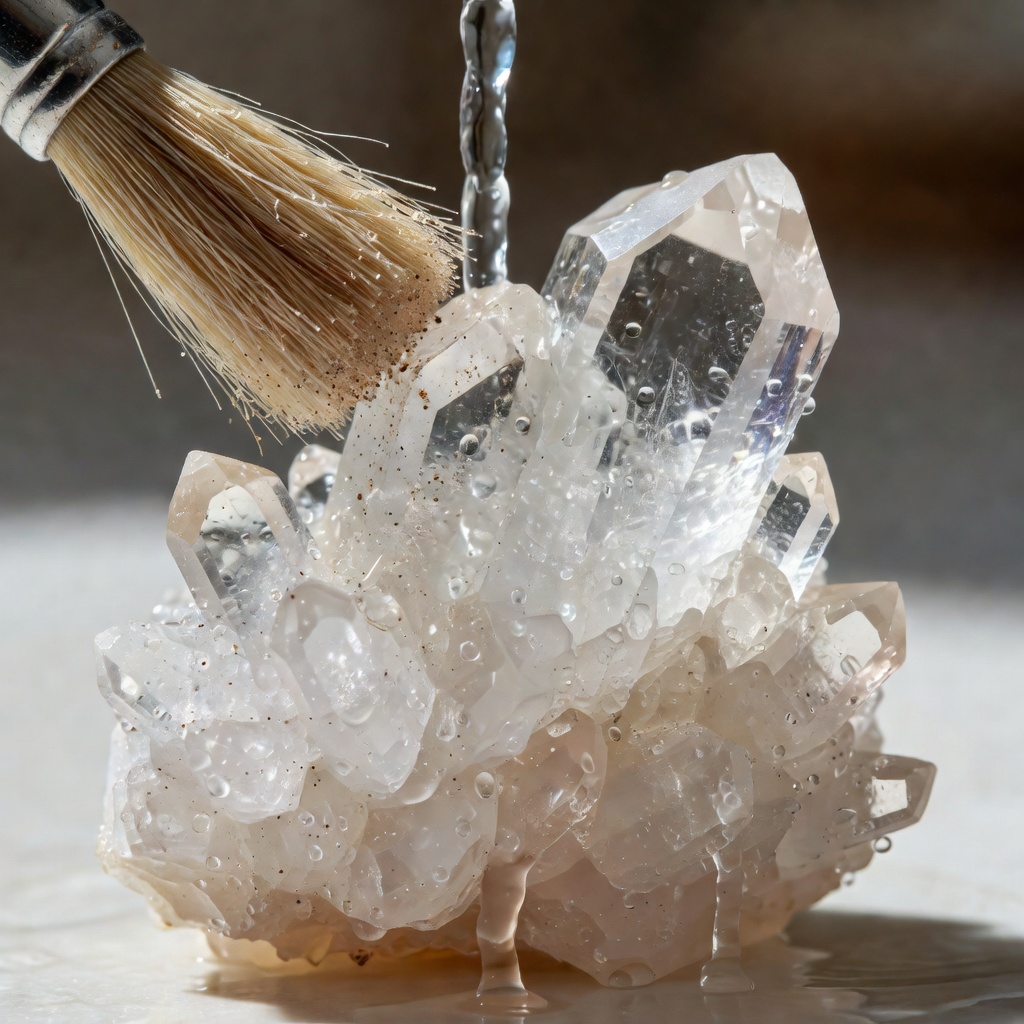
Proper drying techniques prove equally important as the washing process itself. After rinsing, pat the stone gently with a lint-free microfiber towel rather than rubbing, which can redistribute oils or create static electricity attracting dust. For complex specimens with crevices, points, or clusters, use a soft makeup brush or compressed air to remove water droplets from hard-to-reach areas before they evaporate and leave spots. Allow the piece to air dry completely on a clean towel away from direct heat sources or sunlight before returning it to storage or display.
Appropriate Cleaning Solutions and Soap Selection
While water alone suffices for light cleaning, occasional use of mild cleaning solutions enhances milky quartz cleansing effectiveness when dealing with oils or stubborn residue. Create a gentle cleaning solution by diluting mild dish soap—specifically pH-neutral varieties without moisturizers, antibacterial agents, or heavy fragrances—at a ratio of one or two drops per cup of lukewarm water. Harsh detergents or concentrated soaps can leave filmy residues that attract dust and dull the stone's natural luster, requiring additional rinsing cycles to completely remove.
For collectors seeking commercial products specifically formulated for gemstone care, select white quartz maintenance solutions labeled as pH-neutral and safe for hardstones. Reputable jewelry cleaners designed for quartz, amethyst, and citrine typically work well for milky quartz, provided they don't contain ammonia, alcohol, or acidic compounds. Always test any new cleaning product on a small, inconspicuous area of the stone first, or consult with a gemologist when cleaning rare or valuable specimens with unique inclusions.
Certain ingredients pose significant risks to milky quartz and should never contact your stones. Avoid ammonia-based cleaners, bleach, vinegar, lemon juice, or other acidic substances that can etch the surface over time despite the stone's hardness rating. Similarly, steer clear of abrasive compounds including baking soda, toothpaste, or commercial scrubbing powders that can create microscopic scratches. These scratches not only dull the appearance but can create pathways for future staining and dirt accumulation, making subsequent cleaning increasingly difficult.
Tools and Brushes for Effective Cleaning
Selecting appropriate tools ensures thorough quartz crystal cleaning methods without introducing scratches or damage to your specimens. A soft-bristled toothbrush—specifically those designed for sensitive gums or babies—provides excellent control for cleaning crevices, etchings, and crystal faces without abrading the surface. Replace these brushes regularly, as worn bristles can develop sharp ends capable of scratching even hard stones. Makeup brushes with natural or high-quality synthetic bristles offer gentler alternatives for polished surfaces or specimens with delicate terminations.
Cotton swabs serve as invaluable precision tools for detailed milky quartz care and cleaning, particularly when working with jewelry settings, carved pieces, or cluster formations. Dip the swab in your cleaning solution and carefully trace along crystal edges, under gallery wire settings, and into small cavities where debris accumulates. Change swabs frequently during cleaning to avoid redepositing dirt, and use wooden-handled swabs rather than plastic versions that might scratch if pressed too firmly against the stone.
For removing loose dust and debris from intricate specimens without touching the surface, canned compressed air proves highly effective. Hold the can upright and use short, controlled bursts to dislodge particles from tight spaces between crystal points or within geode cavities. This method works particularly well as a preliminary step before wet cleaning, removing abrasive grit that might scratch the surface if dragged across it during washing. Never use high-pressure water jets or steam cleaners, as these can force water into microscopic inclusions or damage delicate crystal formations.
Deep Cleaning and Stain Removal Techniques
Even with regular maintenance, milky quartz occasionally requires intensive how to clean milky quartz stone protocols to address stubborn stains, mineral deposits, or accumulated grime. For hard water stains or light mineral buildup, create a paste using distilled water and a small amount of baking soda, applying it gently with a soft cloth using circular motions. Immediately rinse thoroughly and dry completely, as prolonged exposure to even mild abrasives can damage the polish. This technique works best on robust tumbled stones rather than delicate points or jewelry.
Oil and grease accumulation from skin contact or environmental exposure requires targeted milky quartz cleansing approaches. Soak the stone in a solution of warm water and mild dish soap for five to ten minutes, then gently brush with a soft toothbrush to lift oil from surface irregularities. For particularly stubborn grease in carving details or rough specimens, adding a small amount of isopropyl alcohol (90% or higher) to your cleaning solution can help cut through oils, provided you rinse extremely thoroughly afterward and avoid using alcohol on stones with oil-based treatments or enhancers.
Professional ultrasonic cleaning presents an option for heavily soiled jewelry pieces, though caution remains essential. While milky quartz itself withstands ultrasonic vibrations well, the inclusions and internal fractures common in this variety may react unpredictably to rapid cavitation. Never use ultrasonic cleaners for raw specimens, double-terminated points, or stones with visible internal cracks. For valuable pieces or intricate settings, consult a professional jeweler experienced with quartz varieties who can assess whether ultrasonic cleaning suits your specific specimen.
Proper Storage to Prevent Damage
Effective milky quartz storage strategies protect your investment between cleaning sessions and prevent damage from environmental factors or contact with other minerals. Always wrap individual specimens in acid-free tissue paper, unbleached cotton cloth, or soft microfiber pouches before storing. Standard newspaper or colored tissue papers contain acids and dyes that can transfer to the stone surface over time, causing staining or chemical reactions that dull the milky luster. For jewelry pieces, anti-tarnish bags provide excellent protection while allowing the stone to breathe.
Organize your collection with awareness of hardness differences to prevent scratching during storage. Despite milky quartz's 7/10 hardness rating, harder minerals including diamonds, sapphires, rubies, and topaz can scratch its surface if stored loosely together. Similarly, rough unpolished specimens can scratch polished milky quartz jewelry if jumbled together in a drawer. Implement compartmentalized storage systems using individual padded boxes, divider trays, or specialized mineral display cases that keep pieces separated while cushioning against impact.
Ideal storage containers for white quartz maintenance include archival-quality plastic boxes, wooden drawers lined with acid-free felt, or glass display cases with silicone seals. Avoid storing milky quartz in direct contact with metal surfaces that might oxidize or transfer tarnish. For extensive collections, maintain stable temperature and humidity levels in storage areas, avoiding attics, basements, or garages where extreme fluctuations occur. Consider adding silica gel packets to storage containers in humid climates, ensuring they don't directly touch the stones.
Energy Cleansing vs. Physical Cleaning
Collectors and practitioners often distinguish between physical milky quartz cleansing and energetic clearing, though both contribute to the stone's overall well-being and appearance. Physical cleaning removes environmental contaminants, oils, and dust that obscure the crystal's natural beauty, while energy cleansing addresses the subtle vibrations many believe accumulate during use in healing or meditation practices. Understanding this distinction helps you develop comprehensive care routines that address both the material and metaphysical aspects of your stones.
For energetic maintenance without risking physical damage, moonlight exposure provides a safe, gentle method particularly suited to snow quartz care tips. Place your specimens on a windowsill or outdoor surface during the full moon overnight, retrieving them before direct morning sunlight strikes them. Unlike prolonged sun exposure, moonlight won't cause fading or thermal stress. Alternatively, smudging with sage, palo santo, or sweetgrass effectively clears energy while the smoke helps remove surface dust, combining physical and energetic cleaning in one ritual.
Sound bowl cleansing using crystal or metal singing bowls offers another non-contact method for energy work that won't compromise your milky quartz care and cleaning routine. The vibrational frequencies produced by running a mallet around the bowl's rim can theoretically clear stagnant energies while physically vibrating loose dust particles from the stone's surface. After any energy cleansing method, perform a brief physical wipe-down with a microfiber cloth to remove any smoke residue, moisture from morning dew, or environmental particles that settled during the process.
Common Mistakes and Damaging Practices to Avoid
Even well-meaning collectors sometimes compromise their specimens through common milky quartz care and cleaning errors that could easily be avoided. Prolonged direct sunlight exposure represents one of the most frequent mistakes, as collectors attempt to energetically charge their stones or display them in bright windows. While brief morning sun won't immediately damage milky quartz, extended exposure to UV radiation can cause the microscopic inclusions to expand at different rates than the quartz matrix, potentially leading to internal stress, fading of any secondary mineral colors, or increased brittleness over months and years.
Steam cleaning and harsh chemical exposure pose significant risks despite appearing in some generic jewelry care guides. High-pressure steam can force moisture into tiny surface-reaching fractures or inclusion cavities, leading to internal clouding or structural weakness when the water evaporates and leaves mineral deposits behind. Similarly, salt water soaks—sometimes recommended for energetic cleansing—can etch the surface of milky quartz over time and corrode any metal settings in jewelry pieces. Always remove milky quartz jewelry before swimming, bathing, or using hot tubs.
Abrasive scrubbing pads, steel wool, or scouring powders have no place in quartz crystal cleaning methods for milky specimens. While quartz resists scratching from everyday dust, deliberate scrubbing with abrasive materials creates micro-scratches that accumulate and permanently dull the stone's surface. Additionally, avoid using ultrasonic jewelry cleaners at home unless you're certain your specific piece contains no liquid inclusions or internal fractures, as the cavitation process can cause existing flaws to expand or shatter the stone entirely.
Long-Term Preservation and Professional Care
Establishing a schedule for professional evaluation ensures your white quartz maintenance routine remains effective as pieces age or settings wear. For milky quartz jewelry worn regularly, schedule professional inspections every six to twelve months to check for loose prongs, worn settings, or accumulated grime in areas difficult to clean at home. Jewelers possess specialized steamers, ultrasonic units with controlled settings, and polishing compounds that can restore brilliance to dulled stones without risking damage from improper home techniques.
Documentation forms an essential component of serious milky quartz storage and care programs. Maintain records of when you acquired each piece, its provenance if known, cleaning dates, and any treatments it may have received. This documentation proves invaluable for insurance purposes, resale value, and ensuring you don't accidentally repeat cleaning methods that might interact poorly with previous treatments. Photograph your specimens under consistent lighting conditions annually to track any subtle changes in appearance, cloudiness, or damage that might indicate needed care adjustments.
For museum-quality specimens or rare formations, consult with professional mineral conservators who specialize in milky quartz care and cleaning protocols for valuable collections. These experts can assess the stability of included crystals, recommend specific environmental controls, and perform consolidation treatments if necessary to preserve fragile specimens. Investing in professional care for significant pieces ensures that future generations can appreciate the unique beauty of milky quartz while maintaining the integrity of your collection's most precious items.
Frequently Asked Questions
Can I use soap to clean my milky quartz crystals?
Yes, you can use mild dish soap diluted in lukewarm water to clean milky quartz. Use only a few drops of pH-neutral soap per cup of water, gently scrub with a soft brush, and rinse thoroughly to prevent soap residue buildup that could dull the stone's appearance.
Is milky quartz safe to clean with water?
Milky quartz is generally safe to clean with water due to its 7/10 hardness rating on the Mohs scale and non-porous nature. However, avoid prolonged soaking and always use lukewarm water rather than hot water, which could cause thermal shock in rare cases with included crystals.
How often should I clean my milky quartz jewelry and specimens?
For frequently worn milky quartz jewelry, clean every 2-4 weeks to remove skin oils and environmental pollutants. Display specimens benefit from monthly dusting and quarterly deep cleaning. Stones used in energy work should be cleaned after each intensive session.
Can I put milky quartz in sunlight to cleanse it?
While brief sunlight exposure won't immediately damage milky quartz, prolonged direct sunlight is not recommended. Unlike clear quartz, milky quartz can potentially become brittle or experience subtle color shifts with extended UV exposure. Moonlight or brief morning sun is safer for energetic cleansing.
What's the difference between cleaning milky quartz and clear quartz?
Both varieties share the same 7/10 hardness and cleaning protocols, but milky quartz may show water spots and fingerprints more visibly due to its opaque, white surface. It requires more thorough drying and frequent gentle wiping compared to transparent clear quartz.
Can I use vinegar, lemon juice, or baking soda to clean milky quartz?
No, avoid acidic cleaners like vinegar or lemon juice as they can etch the surface over time. Baking soda is too abrasive for regular cleaning. Stick to mild soap and water or specialized pH-neutral gemstone cleaners specifically formulated for quartz crystals.
Is it safe to wear milky quartz while swimming or showering?
It's best to remove milky quartz before swimming or showering. Chlorine in pools, salt in ocean water, and harsh chemicals in soaps and shampoos can create buildup or micro-damage over time. Additionally, temperature fluctuations in hot showers could potentially stress the stone.
How do I remove stubborn fingerprints and smudges from milky quartz?
For stubborn fingerprints, use a slightly damp microfiber cloth with a drop of mild soap, wiping in gentle circular motions. Avoid paper towels which can scratch. For display pieces, wearing cotton gloves during handling prevents oils from transferring to the stone's surface.