What Is Milky Quartz and Why Care Matters
Milky quartz is a captivating variety of crystalline silica that forms when gas bubbles, fluids, or microscopic inclusions become trapped during the stone's geological development deep within the Earth's crust. This natural process creates the distinctive cloudy, opaque white appearance that distinguishes milky quartz from its transparent rock crystal cousins, giving each specimen a unique snow-like or milky interior landscape. Understanding proper milky quartz care and cleaning protocols is essential because this stone serves both decorative and metaphysical purposes, often functioning as a meditation aid, jewelry component, or collected mineral specimen that requires preservation of its aesthetic and energetic qualities.
Neglecting appropriate maintenance routines can result in irreversible damage that compromises both the physical beauty and vibrational properties of your crystal. Without regular attention, accumulated oils from handling can create permanent cloudiness on the surface, while improper cleaning techniques may introduce micro-scratches that dull the stone's natural luster. Additionally, from an energetic perspective, crystals that absorb heavy emotions or environmental negativity without periodic cleansing may become energetically "stagnant," reducing their effectiveness in healing practices and meditation sessions.
Physical and Chemical Properties You Must Know
Understanding the fundamental milky quartz properties provides the foundation for all care decisions, starting with its Mohs hardness rating of 7. While this places milky quartz in the moderately hard category, making it suitable for jewelry and handling, it remains susceptible to scratching from harder materials like diamonds, rubies, and sapphires, as well as from everyday household dust that contains silica particles. This hardness level means the stone can withstand gentle cleaning but will show wear if subjected to abrasive scrubbing or contact with unforgiving surfaces.
Beyond surface hardness, milky quartz often contains microscopic fractures and natural porosity that aren't visible to the naked eye but significantly impact how you should approach quartz crystal maintenance. These tiny fissures can absorb liquids, cleaning solutions, and environmental contaminants, potentially causing internal clouding or structural weakness over time. Furthermore, milky quartz demonstrates chemical sensitivity to acidic substances, alkaline solutions, and sudden temperature fluctuations, meaning that common household cleaners or rapid transitions from hot to cold water can cause thermal shock, leading to internal cracking or surface crazing that permanently damages the specimen.
Must-Have Supplies for Safe Cleaning
Assembling the proper toolkit for milky quartz cleaning methods ensures you can maintain your specimens without introducing damage during routine maintenance sessions. Essential items include soft-bristled brushes such as baby toothbrushes or dedicated crystal cleaning brushes with natural fibers, lint-free microfiber cloths that won't leave behind fibers or scratches, and precision cotton swabs for accessing crevices and detailed surface areas. These gentle tools allow you to dislodge dust and debris without abrading the crystal's surface or forcing particles into microscopic fractures.
Your cleaning solutions should include pH-neutral liquid soap without additives, moisturizers, or antibacterial agents that might leave residue, along with distilled water to prevent mineral deposits that can create spotting or cloudiness. Soft, non-abrasive towels made from natural fibers facilitate gentle drying, while protective cotton gloves prevent oil transfer from your skin during handling and cleaning. For storage and protection, invest in padded containers, acid-free tissue paper, and individual cloth pouches that prevent contact with harder stones, ensuring your milky quartz remains pristine between cleaning sessions.
Simple Daily Habits to Protect Your Crystal
Implementing consistent quartz crystal maintenance routines prevents the accumulation of grime that requires aggressive cleaning later, starting with gentle dusting techniques that remove airborne particles before they settle into surface irregularities. Use a clean ostrich feather duster or canned compressed air held at least six inches away to blow away dust without physical contact, particularly for cluster formations or raw specimens with complex geometries where dust accumulates in crevices. This daily practice takes only moments but significantly reduces the frequency of required wet cleaning, preserving the stone's surface integrity over years of display or use.
Always handle your milky quartz with freshly washed, dry hands to minimize the transfer of skin oils, lotions, or natural acidity that can etch or cloud the surface over time. Develop a daily visual inspection habit by examining your crystal under natural light, checking for new fingerprints, dust accumulation, or subtle changes in clarity that might indicate environmental issues or early damage. This proactive approach to milky quartz care allows you to address minor issues immediately—such as wiping away a fresh fingerprint—before they require more intensive intervention that carries greater risk of accidental damage.
How to Deep Clean Milky Quartz Safely
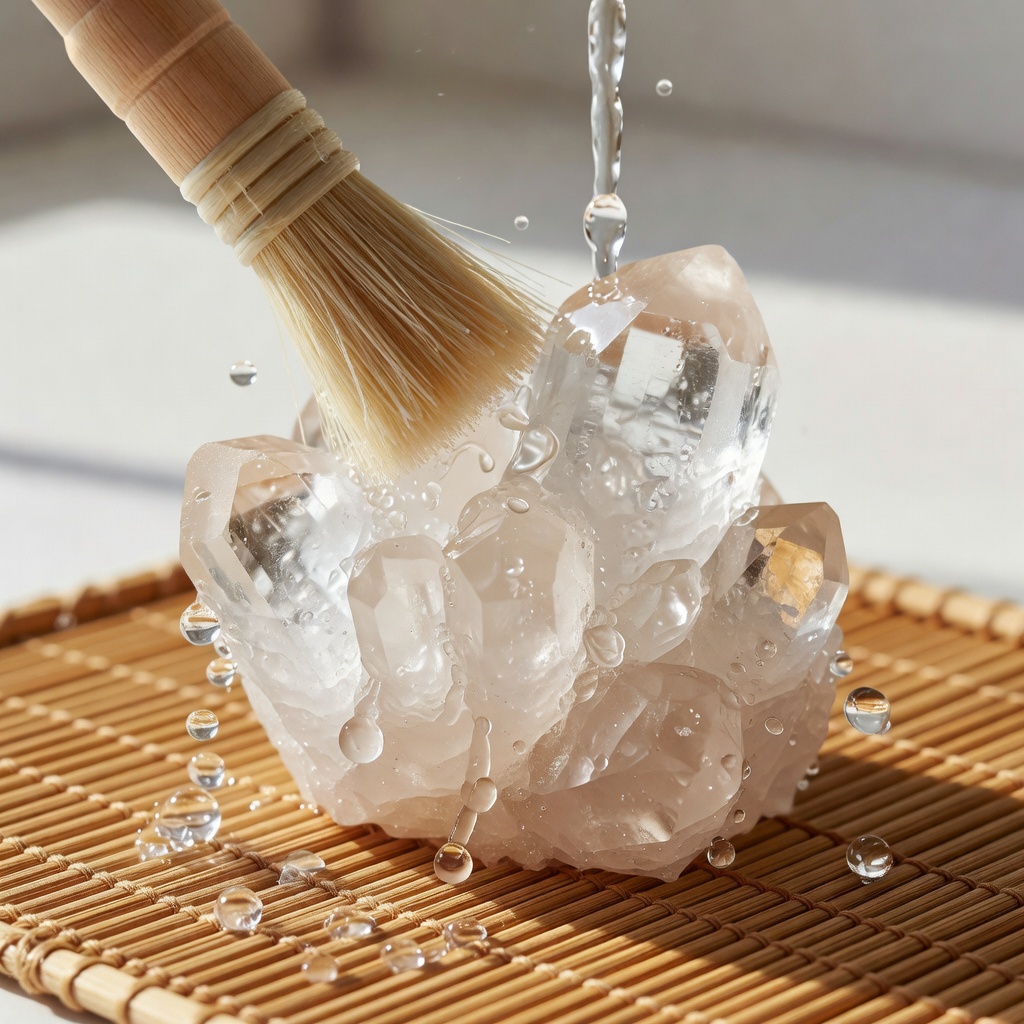
When surface dusting proves insufficient, knowing how to clean milky quartz safely through deep cleaning methods restores clarity without compromising structural integrity. Begin by preparing a lukewarm bath using only distilled water, avoiding tap water that contains chlorine, fluoride, and mineral deposits that can leave stubborn spots. Submerge your crystal for a maximum of five to ten minutes, as prolonged soaking may allow water to seep into microscopic fractures, potentially causing internal damage or loosening any matrix material attached to the specimen.
Add a single drop of pH-neutral soap to the water, then use your soft-bristled brush to work in gentle circular motions, following the natural contours of the crystal rather than scrubbing against grain lines or forced geometric patterns. Pay particular attention to termination points and natural etchings where oils accumulate, but apply minimal pressure to avoid flexing any delicate structures. Rinse thoroughly under lukewarm distilled water until all soap residue dissipates, then place the crystal on a soft towel in a well-ventilated area away from direct sunlight or heat sources, allowing it to air dry completely to prevent water spotting that could mar the milky quartz's characteristic cloudiness.
Removing Energetic Buildup from Your Crystal
Beyond physical maintenance, milky quartz energy cleansing addresses the subtle vibrations that practitioners believe accumulate during healing work, meditation, or simply absorbing environmental energies. The moonlight charging method offers the safest energetic reset, utilizing the full moon's natural frequencies to clear and recharge the crystal's matrix without physical risks. Place your milky quartz outside on a natural surface like wood or stone, or on a windowsill where direct moonlight can bathe the specimen overnight, retrieving it only after sunrise to avoid rapid temperature changes that might accompany morning dew or direct solar heating.
Sound bowl cleansing provides an effective alternative for those living in apartments or areas where outdoor placement isn't practical, using vibrational frequencies—particularly 528 Hz, associated with DNA repair and cellular regeneration—to break up stagnant energetic patterns. Gently strike your crystal singing bowl or tuning fork and hold the milky quartz within the sound field for three to five minutes, rotating the stone to ensure all faces receive equal vibrational exposure. For smoke cleansing, exercise caution with sage smudging by keeping the crystal several inches above the smoke stream rather than directly in the flame's heat, or consider palo santo wood as a gentler alternative that produces less heat and residue while effectively clearing energetic buildup.
Best Storage Practices for Long-Term Care
Proper storing milky quartz crystals requires attention to environmental conditions that prevent physical degradation and energetic contamination over extended periods. Maintain ambient temperatures between 60-75°F with relative humidity levels of 40-50%, avoiding attics, basements, or bathrooms where temperature fluctuations and moisture extremes can cause condensation within micro-fractures or encourage mold growth on attached matrix materials. Stable environmental conditions prevent the expansion and contraction cycles that stress the crystal lattice, preserving both clarity and structural integrity for decades.
Always store milky quartz separately from harder gemstones such as diamonds, corundum varieties (sapphires and rubies), and topaz, which can scratch the quartz surface even through soft padding if jostled during storage or transport. For display purposes, choose UV-protected glass cases that filter harmful rays while allowing visual appreciation, positioning the crystal away from direct sunlight that might create thermal stress. For long-term storage or travel, wrap individual specimens in unbleached cotton cloth or acid-free tissue before placing them in padded, fabric-lined boxes that cushion against impact while maintaining the stable microenvironment essential for quartz crystal maintenance.
5 Cleaning Mistakes to Avoid at All Costs
Understanding what not to do proves equally important as knowing proper milky quartz cleaning methods, as certain common practices can cause immediate irreversible damage. Never expose milky quartz to harsh chemical cleaners including bleach, ammonia, CLR, or oven cleaners, as these substances can etch the surface, dissolve natural inclusions, or create chemical reactions that permanently alter the stone's appearance and structure. Even brief contact with acidic substances like lemon juice or vinegar concentrates can create microscopic pitting that accumulates cloudiness over time, while alkaline drain cleaners may cause frosting or loss of luster.
Avoid subjecting your crystal to extreme temperature changes, including boiling water sterilization methods, freezing for "energy resetting," or moving quickly between hot and cold environments, as thermal shock causes internal fracturing and surface crazing. Resist the temptation to over-clean your specimens through daily wet washing, which increases the risk of micro-scratching and water infiltration; instead, limit deep cleaning to monthly or quarterly intervals depending on handling frequency. Finally, never use abrasive materials such as baking soda pastes, scouring pads, or ultrasonic jewelry cleaners, which can forcefully remove inclusions, scratch surfaces, or shatter delicate clusters through vibrational stress.
How to Fix Stains, Scratches, and Cloudiness
Even with diligent care, milky quartz may occasionally develop cosmetic issues that require targeted remediation techniques as part of ongoing quartz crystal maintenance. For oil stains resulting from excessive handling or environmental exposure, create a solution using mild dish soap diluted in distilled water, then employ a soft toothbrush with extra-gentle pressure in small circular motions, working systematically across the affected area before rinsing thoroughly. This method effectively breaks down organic residues without the harshness required for mineral deposits, restoring the stone's natural milky translucence.
Hard water spots resulting from accidental tap water exposure or environmental mineral deposits respond to a carefully diluted white vinegar rinse—mix one part white vinegar with ten parts distilled water, apply briefly with a soft cloth, then rinse immediately with pure distilled water to neutralize the acidity. However, if your milky quartz exhibits deep scratches, fractures, or persistent cloudiness that doesn't respond to gentle cleaning, consult a professional lapidary or gemologist who can assess whether polishing, oiling, or stabilization treatments are appropriate. Professional intervention becomes necessary when damage penetrates beyond superficial stains into the crystal structure, as DIY grinding or polishing attempts often exacerbate milky quartz properties damage rather than resolving it.
Your Monthly and Yearly Milky Quartz Care Plan
Establishing a structured maintenance calendar ensures consistent milky quartz care and cleaning without the risk of over-intervention that causes wear. Implement a weekly dusting routine using compressed air or soft brushes, followed by a monthly visual inspection under magnification to check for new scratches, inclusion changes, or cloudiness development. During these monthly checks, perform a brief energetic assessment, cleansing the crystal if it feels energetically heavy or after intense healing sessions, using moonlight or sound methods that don't require physical handling.
Schedule quarterly deep cleaning sessions based on your environment—more frequently for urban settings with higher pollution, less often for controlled indoor collections—following the lukewarm distilled water protocol outlined previously. Annually, conduct a comprehensive professional assessment for valuable specimen pieces, particularly those with natural matrix attachments, rare formations, or significant monetary or sentimental value, where expert evaluation can identify early signs of structural stress or mineral degradation. This tiered approach to storing milky quartz crystals and maintaining them ensures longevity while respecting the delicate balance between preservation and practical use.
Frequently Asked Questions
Can I wash milky quartz with regular soap and water?
Yes, but always use pH-neutral soap and lukewarm distilled water. Avoid harsh detergents, antibacterial soaps, or anything with added moisturizers. Gently scrub with a soft brush, rinse thoroughly, and air dry to prevent water spots.
How often should I clean my milky quartz to maintain its energy?
Physical cleaning monthly is sufficient for most pieces, while energy cleansing depends on usage. Cleanse energetically after intense healing sessions or monthly during the full moon. Over-cleaning physically can cause micro-scratches.
Will sunlight damage or fade my milky quartz crystal?
Direct sunlight won't fade milky quartz like colored crystals, but prolonged exposure can cause thermal stress and micro-fractures. Brief sun exposure (under 30 minutes) is safe for energy charging, but moonlight is preferred.
Is it safe to use vinegar or baking soda on milky quartz?
Avoid baking soda as it's abrasive. Diluted white vinegar (1:10 ratio with water) can remove hard water spots but should be used sparingly and rinsed immediately. Never soak in vinegar as its acidity can damage the crystal's surface over time.
What is the best method for cleansing milky quartz energy?
Moonlight cleansing is safest and most effective. Place your crystal outside or on a windowsill during a full moon overnight. Sound cleansing with singing bowls or tuning forks also works well without physical contact risks.
Should I store milky quartz in a box or display it openly?
For daily display, use a UV-protected glass case away from direct sunlight. For long-term storage, wrap in soft cotton cloth and place in a padded fabric-lined box. Keep away from harder stones and maintain stable temperature and humidity.
Can I submerge my milky quartz in salt water for cleansing?
Avoid salt water submersion. Salt can seep into micro-fractures and cause internal damage over time. Instead, use dry sea salt in a bowl and place the quartz on top, or use moonlight, sound, or smoke cleansing methods.
How can I tell if my milky quartz needs physical cleaning versus energy cleansing?
Physical cleaning is needed when you see visible dust, fingerprints, or dullness. Energy cleansing is needed when the crystal feels 'heavy,' less effective in meditation, or after being touched by many people. Trust your intuition and the crystal's appearance.