What Is Milky Quartz? Understanding Your Purchase
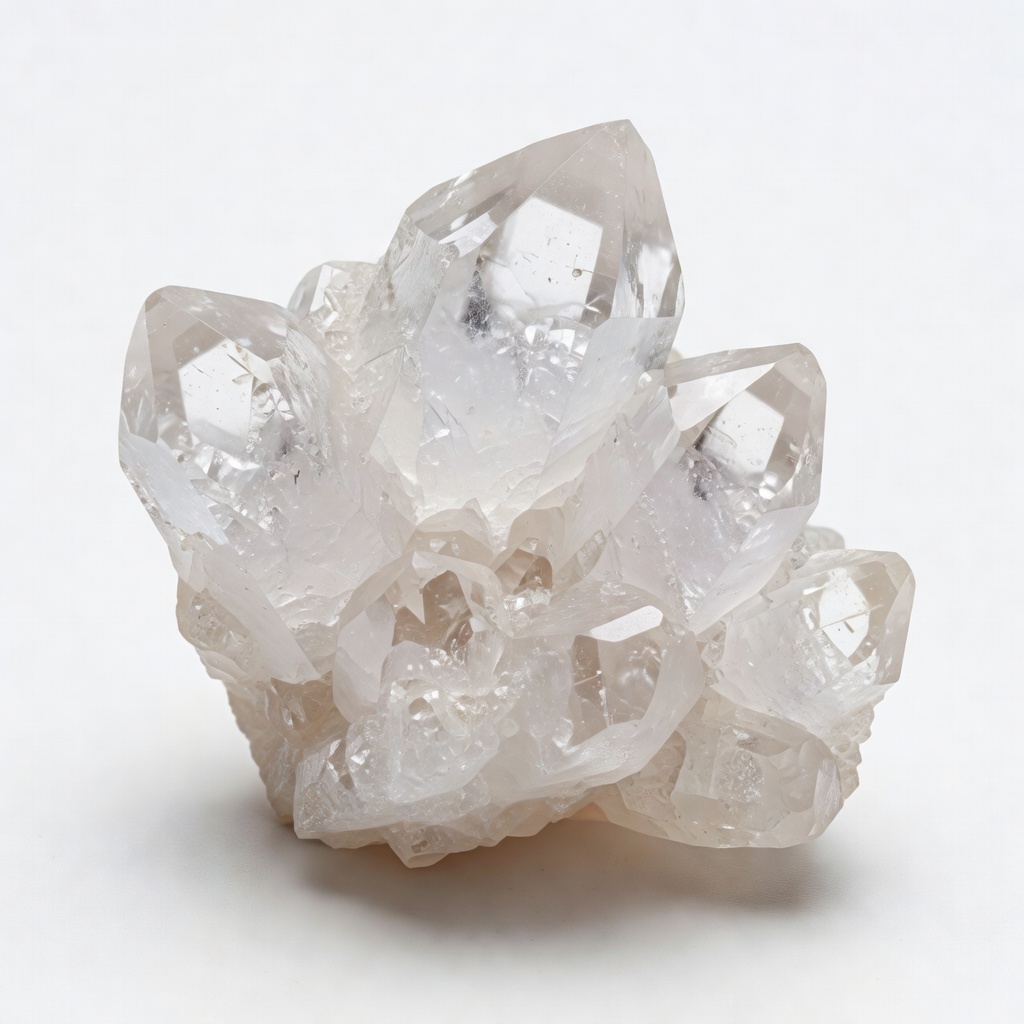
Milky quartz represents one of the most accessible yet visually striking varieties of crystalline quartz found in nature, characterized by its distinctive cloudy white appearance that ranges from pure snow-white to soft cream tones. This captivating gemstone forms when microscopic fluid inclusions, gas bubbles, and trace minerals become trapped within the crystal structure during its geological formation deep within the Earth's crust. Unlike its transparent counterparts, milky quartz properties include a unique ability to diffuse light softly, creating an ethereal glow that has made it popular across cultures for thousands of years.
Geologically speaking, milky quartz develops in hydrothermal veins and pegmatite formations where silica-rich solutions cool slowly over millennia, allowing the distinctive cloudiness to form consistently throughout the crystal matrix. The stone ranks seven on the Mohs hardness scale, making it durable enough for various applications while maintaining the chemical composition of silicon dioxide that defines all quartz varieties. Primary mining locations include Brazil's Minas Gerais region, Madagascar, the Swiss Alps, and several deposits throughout the United States, particularly in Arkansas and California, each source producing slightly different nuances in cloudiness patterns and color saturation.
When examining milky quartz identification characteristics, look for a consistent milky translucency that appears organic rather than painted on, with natural variations that distinguish genuine specimens from manufactured imitations. Beyond its aesthetic appeal in milky quartz jewelry such as pendants and beaded bracelets, collectors value large crystal clusters and geodes for display pieces, while metaphysical practitioners appreciate the stone for meditation and energy work. Understanding these fundamental aspects helps establish realistic expectations before diving into pricing and quality assessments.
Key Quality Factors: How to Evaluate Milky Quartz
Evaluating milky quartz quality requires understanding that not all cloudiness indicates high value, as the distinction between desirable opacity and problematic haziness significantly impacts both aesthetics and price. Premium specimens exhibit a uniform, creamy white cloudiness distributed evenly throughout the crystal, creating a soft glow reminiscent of moonlight filtering through clouds, whereas inferior pieces may show blotchy discoloration, brownish tints, or inconsistent transparency that suggests poor formation conditions or chemical impurities. When assessing loose stones or rough specimens, hold them against a diffused light source to observe how evenly the milkiness permeates the crystal structure.
Color consistency plays a crucial role in determining value, with the most sought-after pieces displaying a pure white to slightly bluish-white hue without yellowing, graying, or rusty discoloration that often indicates iron staining or environmental damage. Examine the crystal's surface integrity carefully, noting that natural milky quartz may contain minor surface pitting or etching from its geological extraction, but deep fractures, obvious crack lines, or crumbling edges significantly diminish both durability and value. For cabochons and faceted stones intended for jewelry settings, inspect the polish quality, ensuring the surface reflects light evenly without scratches, dull spots, or visible tool marks from the cutting process.
Size and cut quality interact dynamically to determine final valuation, with larger specimens maintaining consistent cloudiness throughout commanding premium prices compared to smaller stones or those with cloudy centers but clear edges. When considering milky quartz jewelry applications, verify that cabochons feature symmetrical domes with smooth curves rather than flat spots or uneven profiles, while faceted stones should display crisp edges and consistent facet junctions that maximize the stone's natural glow. Remember that completely opaque specimens often cost less than those with subtle translucency, as the semi-transparent quality that allows light to penetrate slightly creates the most desirable visual effect.
Milky Quartz Pricing Guide: What to Expect in 2024
Understanding milky quartz price structures helps prevent overpayment and ensures you receive fair value whether purchasing tumbled pocket stones or investment-grade display specimens. Entry-level tumbled stones and small rough pieces typically range from $2 to $5 per carat, making them accessible for beginners and bulk collectors, while medium-sized cabochons suitable for silversmithing generally fall between $8 and $15 per carat depending on cloudiness consistency and cut precision. Premium specimens exceeding two inches in diameter with exceptional cloudiness patterns, museum-quality crystal formations, or rare matrix associations can command $20 to $50 per carat or higher in specialized markets.
Several factors drive these price variations beyond basic size metrics, including the stone's origin, with Swiss Alpine specimens and certain Brazilian varieties often carrying premiums due to their historical significance and superior clarity patterns. Treatment status significantly impacts valuation, as untreated natural specimens command higher prices than heat-treated or dyed stones, though milky quartz rarely undergoes enhancement due to its naturally occurring appearance. Rarity factors emerge when specimens display unique characteristics such as phantom inclusions, rare twin crystal formations, or exceptional transparency combined with the characteristic milkiness, creating collector demand that elevates prices substantially above standard market rates.
When evaluating finished milky quartz jewelry, expect price ranges from $30 for simple sterling silver pendants with small stones to $200 or more for elaborate designer pieces featuring large, high-quality cabochons set in gold with accent diamonds. Raw specimens and crystal clusters follow different pricing models, often sold by weight rather than carat, with small display pieces starting around $15 and large cabinet specimens reaching several hundred dollars based on aesthetic appeal and crystal integrity. Always compare prices across multiple vendors, including specialized gem dealers, metaphysical shops, and mineral shows, as markups vary significantly between tourist-oriented gift shops and wholesale mineral dealers.
Authentic vs Fake: Spotting Genuine Milky Quartz
Mastering milky quartz identification techniques protects you from common scams involving glass imitations, plastic replicas, and treated clear quartz masquerading as natural milky varieties. Genuine specimens exhibit natural inclusions visible under magnification, including tiny fluid pockets, microscopic rutile needles, or irregular growth patterns that appear random rather than perfectly uniform, whereas manufactured glass fakes often contain round bubbles, swirl marks, or completely homogeneous cloudiness that lacks organic variation. When examining suspected imitations, look for evidence of natural crystal faces and terminations on rough specimens, as authentic quartz crystals display specific hexagonal prisms with pyramidal endings that prove difficult to replicate convincingly in molded materials.
Performing simple at-home tests provides additional verification beyond visual inspection, starting with the hardness scratch test where genuine milky quartz, ranking seven on the Mohs scale, will scratch glass and steel without sustaining damage itself, whereas glass imitations scratch easily and plastic fakes deform under pressure. The temperature test offers another reliable method, as natural quartz feels distinctly cool to the touch upon initial contact and warms slowly when held, unlike glass or plastic which quickly acclimate to room temperature or feel slightly warm immediately. UV light examination reveals another distinguishing feature, as natural milky quartz typically shows no fluorescence or only very weak reactions under ultraviolet light, while some treated stones and certain glass compositions display strong glowing colors.
Red flags during the purchasing process include specimens appearing too perfect with absolutely uniform cloudiness throughout, suspiciously low prices for supposedly rare large pieces, and sellers unable or unwilling to provide specific origin information or mining locality details. Be particularly wary when comparing milky quartz vs clear quartz treatments, as unethical dealers sometimes irradiate or heat-treat low-grade clear quartz to create artificial cloudiness that mimics natural milky quartz but lacks the depth and organic quality of genuine specimens. Always request certificates of authenticity for high-value purchases, and remember that reputable dealers welcome detailed questions about sourcing and testing methods.
Best Places to Buy Milky Quartz: Online & Offline Sources
Finding reputable sources when you want to buy milky quartz online requires careful vetting of digital marketplaces, with established gem dealers like GemSelect, The Arkenstone, and specialized Etsy sellers with thousands of verified reviews offering safer purchasing experiences than unknown social media vendors. Look for online listings featuring multiple high-resolution photographs showing different angles and lighting conditions, detailed measurements in millimeters and carats, and specific locality information that indicates knowledgeable sourcing rather than generic stock photos. Reputable online dealers typically provide generous return policies spanning at least seven to fourteen days, allowing you to inspect the stone in person and verify that the cloudiness and color match your expectations.
Gem and mineral shows present unparalleled opportunities for hands-on milky quartz identification before committing to purchases, with major events like the Tucson Gem and Mineral Show, Munich Mineral Show, and regional rockhound conventions bringing together hundreds of vendors offering everything from affordable tumbled stones to museum-grade specimens. The advantage of in-person shopping includes the ability to handle stones, compare multiple pieces simultaneously, and negotiate prices directly with miners and wholesalers who often offer better rates than retail shops. When attending these shows, bring a jeweler's loupe with 10x magnification, a small flashlight for checking translucency, and cash for negotiating the best deals with independent dealers.
Local crystal shops and metaphysical stores provide immediate access to inventory with the benefit of building relationships with knowledgeable staff who can educate you about specific pieces and their origins. When visiting brick-and-mortar establishments, ask specific questions about treatment status, mining locations, and the store's sourcing ethics to gauge seller expertise and transparency. Verify that physical retailers offer written receipts detailing the stone's characteristics and return policies, as even local purchases should include documentation protecting your investment against misrepresentation or undisclosed treatments.
Milky Quartz Jewelry vs Raw Specimens: Buying Considerations
Deciding between milky quartz jewelry and raw specimens depends largely on your intended use, budget constraints, and appreciation for either wearable art or natural geological formations. When examining finished jewelry pieces, scrutinize setting quality by checking that prongs grip the stone securely without cracks or chips, verifying that bezels wrap evenly around cabochons without gaps that could allow moisture infiltration, and confirming metal authenticity through stamps indicating sterling silver (925), 14K, or 18K gold content. High-quality settings protect the stone's edges while allowing maximum light penetration to showcase the characteristic cloudiness, whereas poorly constructed settings may obscure the milky quartz properties that make the stone desirable.
Collectible raw specimens demand different evaluation criteria, with serious collectors prioritizing crystal formation integrity, the presence of attractive matrix rock that provides geological context, and display appeal that considers aesthetic balance and viewing angles. Exceptional cabinet specimens feature intact terminations without damage points, multiple crystal points emerging from a common base, or rare formations such as double-terminated crystals or clustered druzy coatings that enhance visual interest. When purchasing raw pieces for display, consider the base stability and whether the specimen requires custom stands or can rest securely on existing shelving without risk of tipping.
Price comparisons reveal that while jewelry pieces command premiums for metalwork and labor, they often retain resale value better than common raw specimens unless the rough material exhibits exceptional rarity factors. Customization options expand significantly when working directly with jewelers to create bespoke milky quartz jewelry, allowing you to select specific cabochons and collaborate on setting designs that maximize the stone's unique cloudiness patterns. Consider commissioning pieces for significant occasions, as custom work often costs only marginally more than mass-produced items while resulting in unique heirlooms that showcase the stone's natural beauty more effectively than generic settings.
Caring for Your Milky Quartz Investment
Proper maintenance preserves both the aesthetic beauty and structural integrity of your milky quartz properties over decades of ownership, beginning with safe cleaning methods that avoid the harsh chemicals and ultrasonic cleaners that can damage surface polish or worsen existing fractures. Clean your stones using warm water mixed with mild dish soap and a soft-bristled brush, such as a baby toothbrush, working gently around setting edges if mounted in jewelry, then rinse thoroughly and pat dry with a lint-free cloth to prevent water spots that might dull the surface luster. Avoid steam cleaning or boiling methods sometimes recommended for other gemstones, as thermal shock from rapid temperature changes can cause milky quartz to crack due to internal stress from natural inclusions.
Storage techniques play crucial roles in preventing damage, with individual soft pouches or compartmentalized jewelry boxes preventing scratches from harder stones like diamonds or sapphires that could mar milky quartz surfaces. Keep specimens away from direct sunlight for extended periods, as prolonged UV exposure can potentially fade or alter the cloudiness patterns in some varieties, particularly those with trace mineral content that reacts to light exposure. For raw specimens and crystal clusters, display cases with stable bases prevent accidental knocks that could chip delicate terminations, while maintaining moderate humidity levels prevents drying and potential cracking in specimens with exposed matrix material.
Metaphysical practitioners who utilize milky quartz for energy work should consider cleansing methods that respect the stone's physical properties while addressing spiritual maintenance, such as smudging with sage or palo santo smoke, placing under moonlight during full moons, or using sound vibration from singing bowls or tuning forks. Unlike some softer minerals, milky quartz tolerates brief saltwater rinses, though prolonged salt exposure may affect surface polish over time, making sage smudging or moonlight methods preferable for regular energetic cleansing. Always dry stones thoroughly after any cleansing ritual to prevent moisture accumulation in setting crevices or natural surface pits that could encourage bacterial growth.
Milky Quartz vs Similar Stones: Avoiding Costly Confusion
Distinguishing milky quartz vs clear quartz variants requires understanding that while both share identical chemical compositions, their appearance and value propositions differ significantly, with clear quartz prized for transparency and milky varieties valued for their opaque, cloud-like aesthetic. Unlike rose quartz, which displays consistent pink coloration from manganese or titanium inclusions, or smoky quartz with its characteristic brown to gray translucent tones from natural irradiation, genuine milky quartz presents pure white to slightly bluish-white cloudiness without secondary color tints. These distinctions matter enormously when shopping, as unscrupulous sellers might attempt to pass off heavily included low-grade clear quartz as premium milky quartz, or dyed stones as natural colored varieties.
White chalcedony presents one of the most challenging identification puzzles, as this microcrystalline quartz variety shares similar white coloring but typically displays waxy luster rather than the vitreous sparkle of crystalline milky quartz, and often appears in botryoidal or banded formations rather than distinct hexagonal crystals. Moonstone exhibits adularescence, a billowy blue or white sheen that moves across the surface when rotated, whereas milky quartz maintains consistent cloudiness regardless of viewing angle, and moonstone belongs to the feldspar family with different hardness and cleavage properties. White opal shows play-of-color effects and typically appears more translucent or transparent in patches, lacking the uniform milkiness that characterizes genuine quartz specimens.
Developing a visual comparison checklist helps prevent costly mistakes, including checking for crystal structure in rough specimens, testing hardness against known materials, and examining luster quality under direct light. Be particularly wary when prices seem misaligned with stated identities, such as unusually inexpensive "moonstone" or expensive "milky quartz" that displays perfect clarity, as substitutions often occur when dealers capitalize on buyer confusion between white gemstones. Requesting specific locality information and examination under magnification usually reveals the truth, as each stone type displays distinctive inclusion patterns and structural characteristics impossible to fake convincingly to educated buyers.
Common Buying Mistakes & How to Avoid Them
Navigating the milky quartz buying guide successfully requires awareness of frequent pitfalls that trap both novice collectors and experienced gem enthusiasts, beginning with the tendency to overpay for treated or low-grade specimens that lack proper certification or documentation. Many buyers mistakenly assume that larger size automatically indicates higher value, purchasing massive but poorly formed chunks with blotchy discoloration and fractured surfaces when smaller, perfectly formed crystals would provide better aesthetic appeal and investment potential. Always request written documentation regarding treatment status, as undisclosed heating, dyeing, or irradiation significantly impacts value and indicates seller dishonesty that should prompt immediate withdrawal from the transaction.
Ignoring seller reputation represents another critical error, as the proliferation of online marketplaces has enabled fly-by-night operators to disappear after selling misrepresented stones, making verification of customer reviews, business longevity, and return policy details essential before transmitting payment. Research seller ratings across multiple platforms, looking specifically for reviews mentioning authenticity, accurate representation of cloudiness levels, and fair resolution of disputes, rather than focusing solely on positive star ratings that might reflect fast shipping rather than quality merchandise. When buying from individual collectors at shows or through forums, ask for references or membership verification in recognized mineralogical societies that enforce ethical standards.
Falling for inflated healing claims often drives buyers to pay premium prices for common stones marketed with extraordinary metaphysical properties, when in reality milky quartz remains abundant and affordable regardless of alleged energy amplification or spiritual significance. While personal belief systems validate the subjective experience of crystal healing, objective valuation should depend on physical characteristics, size, and quality rather than unsubstantiated claims about rare vibrations or ancient sourcing. Additionally, failing to verify return policies and authenticity guarantees before purchasing leaves buyers without recourse when stones arrive damaged, misrepresented, or clearly fake, making written confirmation of satisfaction guarantees and inspection periods non-negotiable aspects of every transaction.
Final Checklist: Smart Milky Quartz Shopping Summary
Implementing a systematic approach to purchasing ensures consistent satisfaction and value retention, beginning with a comprehensive 10-point inspection checklist to apply before every acquisition. Verify that the cloudiness appears natural and evenly distributed, check for surface integrity without major cracks, confirm hardness through scratch testing when possible, examine crystal structure for natural formations, assess color purity without undesirable tints, evaluate cut quality and polish on finished stones, verify setting security on jewelry pieces, confirm seller reputation through reviews, request written documentation of origin and treatment, and compare pricing against current market rates for similar quality specimens.
Prepare essential questions to ask any seller regarding their sourcing practices, including specific mine locations, extraction dates, whether the material came from primary deposits or secondary alluvial sources, and details about any post-extraction treatments applied to enhance appearance. Reputable dealers welcome these inquiries and provide detailed responses that demonstrate deep knowledge of their inventory, whereas evasive or vague answers suggest either ignorance or intentional misrepresentation that warrants caution. Request care instructions specific to the piece you purchase, as different formations and settings may require slightly different maintenance approaches.
Documentation you should receive includes detailed receipts specifying dimensions, weight, origin location, treatment status, and purchase price, along with any available certificates of authenticity from recognized gemological laboratories for high-value specimens. Photograph your new acquisition immediately upon receipt, documenting condition upon arrival to support potential return claims or insurance needs. Finally, recognize the circumstances that demand walking away from a deal, including prices significantly below market value that suggest stolen goods or fakes, pressure tactics demanding immediate decisions without inspection periods, sellers refusing to provide written guarantees, or specimens that appear chemically dyed, artificially irradiated, or constructed from composite materials rather than natural stone.
Frequently Asked Questions
What is milky quartz and how is it different from clear quartz?
Milky quartz is a variety of crystalline quartz characterized by its cloudy white appearance caused by microscopic fluid inclusions. Unlike clear quartz, which is transparent, milky quartz has a distinctive opaque to translucent look that diffuses light rather than transmitting it clearly.
How much should I expect to pay for quality milky quartz?
Price ranges from $2-$5 per carat for small tumbled stones to $20-$50 per carat for large, high-quality specimens with excellent cloudiness patterns. Jewelry pieces typically cost $30-$200 depending on metal settings and craftsmanship. Always compare prices across multiple sellers.
How can I tell if milky quartz is real or fake?
Genuine milky quartz feels cool to touch, has a hardness of 7 (scratches glass), and shows natural irregularities under magnification. Fake glass or plastic imitations often have bubbles, perfect uniformity, and warm quickly in your hand. When in doubt, request a certificate or buy from reputable dealers.
Where is the best place to buy authentic milky quartz?
Established online gem dealers with verified reviews, specialized crystal shops, and gem/mineral shows are your best options. Look for sellers offering detailed origin information, clear return policies, and authentic photos. Avoid unknown social media sellers or listings with stock images.
What should I look for when buying milky quartz jewelry?
Check that the stone is securely set without cracks, verify the metal stamp (925 for silver, 14K/18K for gold), and ensure the cloudiness is natural and consistent. Avoid pieces where the quartz appears dyed or coated. Ask about treatment status and request care instructions.
Is milky quartz durable enough for everyday wear in jewelry?
Yes, with a hardness of 7 on the Mohs scale, milky quartz is relatively durable for daily wear. However, protect it from hard knocks, extreme temperature changes, and harsh chemicals. Remove jewelry during activities like cleaning, sports, or swimming to prevent damage.
What are the most common mistakes when buying milky quartz?
The top mistakes include: paying premium prices for common low-grade pieces, trusting sellers without verified reviews, not checking return policies, confusing milky quartz with cheaper white stones, and buying based solely on size rather than quality factors like cloudiness pattern and crystal formation.
Does milky quartz have special meaning or healing properties?
In metaphysical circles, milky quartz is believed to promote emotional clarity, reduce stress, and enhance meditation. However, these properties don't affect the stone's physical value. Buy based on aesthetic appeal and quality first, not healing claims that may inflate prices unnecessarily.