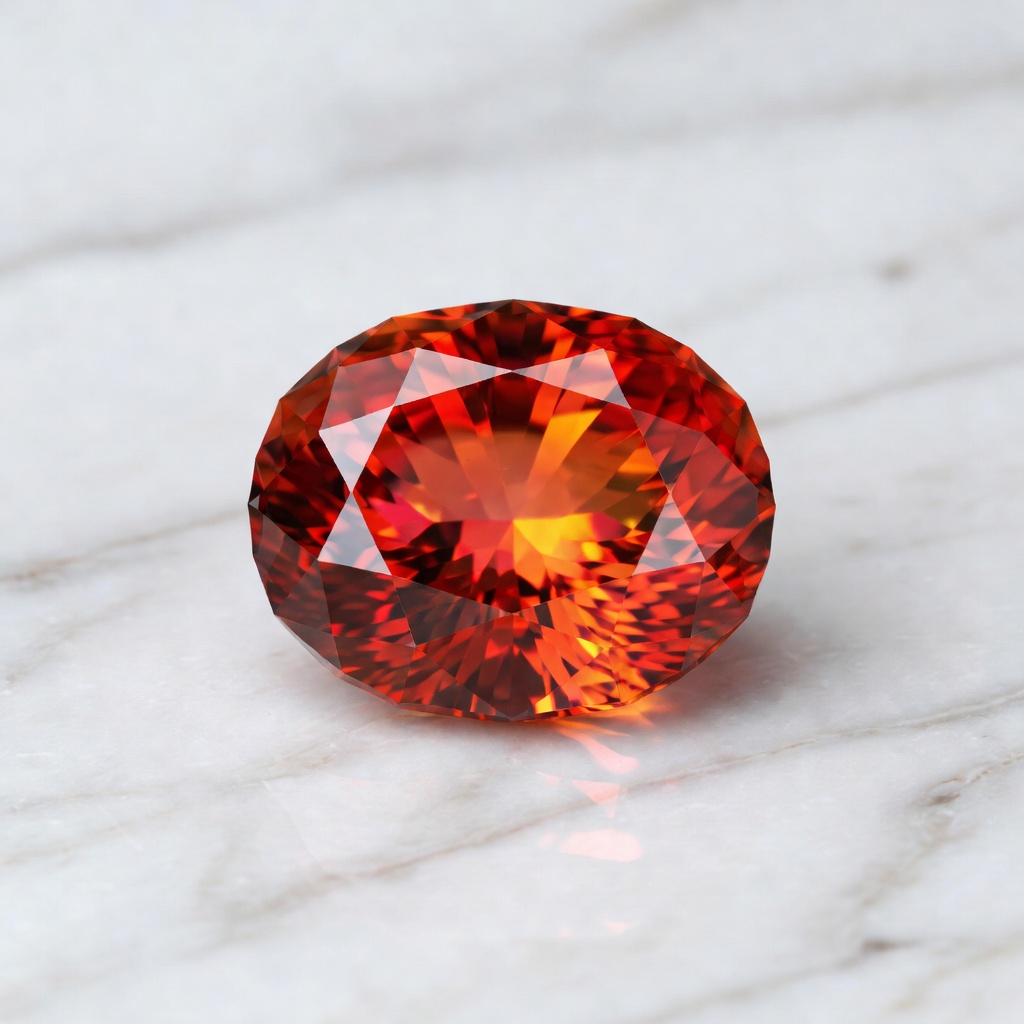
Introduction to Mandarin Garnet
Mandarin Garnet represents one of the most significant discoveries in modern gemology, emerging from the rugged mountains of Namibia in 1991 to captivate collectors and jewelry designers worldwide. This extraordinary gemstone is technically a premium variety of spessartine garnet, distinguished by its electrifying orange hue that immediately evokes the vivid coloration of ripe Mandarin oranges. Unlike traditional red or burgundy garnets that have dominated the market for centuries, this variety introduced a completely new color spectrum to the garnet family, combining exceptional brilliance with a warmth that flatters virtually every skin tone.
The nomenclature itself tells a compelling story of immediate visual recognition, as gem dealers witnessing the first rough crystals fresh from the earth drew instant comparisons to the bright citrus fruit. What elevates Mandarin Garnet beyond mere novelty is its remarkable combination of high refractive index and pure spectral color, creating a fire and brilliance that rivals far more expensive precious stones. Discerning buyers quickly learned to distinguish these specimens from hessonite garnet, which typically displays a brownish-orange or cinnamon tone, or the more common orange garnets that lack the intense saturation and clarity that define true Mandarin material.
Since its discovery, this gemstone has secured a permanent place in high-end jewelry collections, appearing in pieces by prestigious houses such as Tiffany & Co., Cartier, and Van Cleef & Arpels. The original Namibian deposits produced material of such extraordinary quality that they established the benchmark against which all subsequent finds are measured, creating an enduring legacy for this relatively young gemstone variety. For investors and enthusiasts seeking comprehensive Mandarin Garnet Properties and Information, understanding this gem's unique origin story provides essential context for its current market position and future potential.
Chemical Composition and Physical Properties
At the molecular level, Mandarin Garnet belongs to the nesosilicate mineral group with the chemical formula Mn₃Al₂(SiO₄)₃, where manganese serves as the primary chromophore responsible for the gemstone's distinctive orange coloration. The presence of manganese in the crystal lattice creates the pure orange spectrum that distinguishes premium specimens from other garnet varieties, though trace amounts of iron can modify the color toward reddish or brownish tones. This chemical composition places spessartine garnet within the larger garnet group, which encompasses several related species including almandine, pyrope, and grossular, yet the specific manganese dominance creates physical and optical properties unique to this variety.
Regarding durability, Mandarin Garnet registers between 6.5 and 7.5 on the Mohs hardness scale, making it suitable for most jewelry applications though requiring slightly more care than corundum or diamond. This hardness range indicates good resistance to scratching from everyday dust and debris, which typically contains quartz (hardness 7), though the gemstone may show wear over decades of continuous ring wear. The toughness of spessartine garnet is generally considered fair to good, lacking the cleavage planes that make some gemstones vulnerable to breaking upon impact, though internal inclusions in some specimens can create structural weaknesses.
Perhaps the most remarkable physical characteristic is the extremely high refractive index ranging from 1.79 to 1.81, which exceeds that of sapphire, ruby, and even emerald, contributing to the gemstone's exceptional brilliance and fire. This optical property, combined with a specific gravity between 4.12 and 4.18, gives cut stones a satisfying heft and substantial feel when handled. The isometric crystal system means that spessartine garnets form in the cubic crystal habit, often displaying well-formed dodecahedral or trapezohedral crystals in their rough state, though these original forms are rarely preserved in finished jewelry pieces.
Color Characteristics and Quality Grading
The defining characteristic of fine Mandarin Garnet is its signature Fanta orange coloration, a pure vivid orange without the brownish undertones that plague lesser spessartine material or the reddish modifiers seen in some African productions. This specific hue falls within a narrow spectrum that gemologists describe as resembling the color of the popular orange soft drink, representing the most desirable and valuable shade within the orange garnet family. Saturation levels play a crucial role in valuation, with the finest specimens displaying intense, vivid coloration that remains consistent under various lighting conditions, from natural daylight to incandescent indoor lighting.
Iron content significantly impacts the final appearance of these gemstones, with higher iron concentrations typically producing darker, more brownish tones that diminish the bright Mandarin character. Experienced gemologists evaluate potential purchases under multiple light sources, as some stones that appear beautifully orange in daylight may shift toward reddish or brownish tones under artificial lighting, a phenomenon known as metamerism. When comparing color profiles, fine Mandarin Garnet occupies a unique position between imperial topaz, which tends toward sherry or peachy orange, and padparadscha sapphire, which blends pink and orange in varying ratios.
Clarity expectations for Mandarin Garnet differ from those of aquamarine or topaz, as the geological conditions of formation often result in characteristic inclusions. While eye-clean specimens command premium prices, collectors often accept minor inclusions that do not significantly impact brilliance, provided the color saturation remains exceptional. Typical inclusion patterns include fine needle-like crystals, fingerprint patterns, and occasionally two-phase inclusions containing both liquid and gas bubbles, which serve as natural fingerprints confirming the gemstone's authenticity and untreated status.
Primary Sources and Geographic Origins
Namibia stands unrivaled as the premier source for the finest Mandarin Garnet specimens, particularly the original discoveries in the Lüderitz and Mariental regions that produced the vivid Fanta orange material defining the variety. The specific geological conditions in Namibia's Namib Desert, where pegmatite formations and metamorphic rocks created ideal environments for manganese-rich garnet crystallization, resulted in crystals with exceptional clarity and color purity. These deposits yielded the benchmark material that established Mandarin Garnet's reputation in the 1990s, though production has diminished significantly, making fine Namibian specimens increasingly scarce and valuable.
Nigerian deposits represent the second major source of high-quality spessartine, often producing slightly larger crystals than the Namibian mines, though the color typically differs with slightly more reddish or yellowish undertones. The Komu area in Nigeria's Oyo State has become particularly noted for producing clean, large rough crystals suitable for significant center stones, with some specimens exceeding 20 carats in cut form. While Nigerian material may lack the pure orange intensity of the finest Namibian stones, it often compensates with exceptional clarity and size availability, making it popular for statement jewelry pieces.
Tanzania and Madagascar also contribute to the global supply, with the Umba Valley in Tanzania producing spessartine that ranges from yellowish-orange to deep reddish-orange, and Madagascar yielding material that often requires heat treatment to improve color saturation. The geological formations where spessartine garnets form typically involve manganese-rich pegmatites, contact metamorphism between igneous intrusions and carbonate rocks, or alluvial deposits where weathering has concentrated heavy mineral gravels. Understanding these geographic distinctions helps collectors appreciate why Namibian material commands the highest spessartite garnet value, while Nigerian stones offer excellent alternatives for those seeking larger sizes.
Market Value and Investment Potential
The commercial value of Mandarin Garnet spans a considerable range, typically falling between $500 and $3,000 per carat for fine quality stones, with exceptional specimens commanding prices exceeding $5,000 per carat at auction houses and specialized dealers. This pricing structure reflects the gemstone's position as a semi-precious stone with precious stone characteristics, offering the brilliance and rarity of fine sapphire or spinel at relatively accessible price points. Investment-grade material must display the pure Fanta orange color without brownish modifiers, combined with high clarity and expert cutting that maximizes the stone's natural brilliance.
Size dramatically impacts valuation, creating an exponential pricing curve where stones exceeding 5 carats become exponentially rarer and more valuable per carat than smaller specimens. While 1 to 2 carat stones are relatively available in the market, finding clean, vividly colored material above 5 carats requires significant searching and substantial budgets, as such crystals were rarely preserved in the original Namibian rough. Collector demand increasingly focuses on untreated, naturally colored specimens, with documented provenance from specific mines adding premium value for serious connoisseurs.
When evaluating these gemstones using the 4Cs criteria adapted for colored stones, color constitutes approximately 60-70% of the value determination, followed by clarity, cut, and carat weight. Unlike diamonds, where precise grading scales dominate pricing, colored gemstones require subjective assessment of hue, tone, and saturation by experienced gemologists. Current investment trends indicate steady appreciation for fine Mandarin Garnet, driven by limited supply from diminishing primary deposits and growing recognition among jewelry designers who appreciate the stone's unique combination of durability, brilliance, and distinctive color that differentiates it from more common orange gemstones.
Metaphysical Properties and Crystal Healing
In crystal healing traditions, Mandarin Garnet holds a special association with the sacral chakra, the energy center located below the navel that governs creativity, sexuality, and emotional well-being. Practitioners believe that wearing or meditating with this vibrant orange stone stimulates this chakra, unlocking creative potential and encouraging the free flow of ideas and artistic expression. The warm, energizing color is thought to resonate with the body's creative centers, making it a favored stone among writers, artists, and musicians seeking to overcome blocks or find inspiration for new projects.
Emotionally, Mandarin Garnet healing properties are said to focus on building confidence and self-worth, helping individuals overcome shyness, fear of rejection, or feelings of inadequacy. Crystal therapists often recommend this stone for those recovering from depression or emotional trauma, as its sunny orange vibration is believed to dispel negativity and replace it with optimism and enthusiasm for life. The orange garnet meaning extends to matters of personal power and manifestation, with traditional beliefs suggesting that the stone attracts prosperity, success, and abundance while strengthening the will to achieve ambitious goals.
During meditation practices, practitioners may place Mandarin Garnet directly on the sacral chakra or hold it in the receiving hand to draw in its energizing vibrations. Some energy workers use the stone in crystal grids designed for creative projects or business ventures, combining it with citrine or carnelian to amplify its manifestation properties. Spiritual growth applications include using the stone during visualization exercises to enhance clarity of purpose and strengthen one's commitment to personal development, though these metaphysical properties should complement rather than replace conventional medical or psychological treatments.
Jewelry Design and Wearability
Jewelry designers favor specific cutting styles that maximize Mandarin Garnet's exceptional brilliance and color display, with cushion, oval, and round brilliant cuts being particularly popular for showcasing the material's fire. The cushion cut, with its rounded corners and larger facets, tends to display the pure orange color most effectively while maintaining good weight retention from the rough crystal. Oval shapes elongate the finger when set in rings and allow for excellent light return, while round brilliant cuts maximize scintillation though they typically result in higher carat weight loss during cutting.
Setting choices significantly impact the final appearance, with yellow gold and rose gold being the preferred precious metals for complementing the warm orange tones. Yellow gold enhances the gemstone's natural warmth and creates a classic, luxurious appearance, while rose gold provides a contemporary setting that softens the orange into a peachy glow. Platinum and white gold settings create striking contrast but may visually cool the stone's color, making them less common choices unless the designer seeks a specific color-blocking effect.
Durability considerations should guide jewelry selection, with rings intended for daily wear requiring protective settings such as bezels or substantial prongs to prevent chipping. While suitable for engagement rings for those seeking unique alternatives to diamonds, Mandarin Garnet rings benefit from occasional wear or protective settings rather than continuous daily exposure to hard knocks. Pendants and earrings represent ideal applications, keeping the gemstone safe from impact while positioning it near the face where the color can illuminate the wearer's complexion. Current high jewelry trends feature these stones in retro-inspired designs echoing the Art Deco period, as well as minimalist modern settings that emphasize the gem's natural beauty without excessive metalwork distraction.
Care, Cleaning and Maintenance
Proper garnet gemstone care begins with understanding the safe cleaning methods that preserve both the stone's polish and any potential fragile inclusions that might be present. The recommended cleaning procedure involves using warm water with a mild dish soap and a soft-bristled brush, such as a baby toothbrush, to gently remove accumulated oils and dirt from the surface and beneath the setting. This method effectively restores brilliance without subjecting the stone to thermal shock or mechanical vibrations that could damage internal features or loosen the setting.
Owners must strictly avoid ultrasonic cleaners and steam cleaning equipment when caring for Mandarin Garnet, as these methods can cause significant damage. Many spessartine garnets contain liquid inclusions or feather-like fractures that may expand or shatter under ultrasonic vibrations or extreme heat, potentially destroying the stone's clarity or causing actual breakage. Similarly, steam cleaners can cause thermal shock, particularly if the stone has been treated with oils or resins to improve clarity appearance, leading to internal cracking or "crazing" of the surface.
Storage recommendations include keeping Mandarin Garnet jewelry separate from harder gemstones such as diamonds, rubies, and sapphires, which can scratch the garnet's surface if stored together in a jewelry box. Individual soft pouches or compartmentalized jewelry boxes prevent contact damage while protecting the setting from deformation. Professional inspection every six to twelve months allows jewelers to check prong integrity, especially for ring settings that experience daily wear, ensuring that the stone remains secure and that minor scratches can be polished out before they accumulate and dull the surface luster.
Authentication and Buying Guide
When seeking authentic Mandarin Garnet, understanding the difference between natural inclusions and synthetic production markers helps buyers avoid fraudulent or misrepresented material. Natural spessartine typically displays characteristic inclusion patterns including fine needle-like rutile crystals, apatite crystals, or curved growth lines, whereas synthetic versions grown in laboratories often show curved color banding or metallic flux inclusions that look distinctly different under magnification. Experienced gemologists use refractometers and specific gravity testing to confirm identity, as the high refractive index of spessartine differs significantly from look-alike stones such as hessonite or citrine.
Fortunately for buyers, most Mandarin Garnets on the market remain untreated, as heat treatment rarely improves spessartine color and may actually degrade the pure orange hue into brownish tones. However, buyers should watch for clarity enhancement through oiling or glass-filling of surface-reaching fractures, treatments that reduce value and require special care. Some dealers may attempt to sell irradiated stones or dyed specimens as natural Mandarin Garnet, though these are relatively rare due to the material's natural abundance in lower qualities.
Certification from reputable laboratories such as the Gemological Institute of America (GIA), American Gemological Laboratories (AGL), or Gübelin Gem Lab provides essential verification of authenticity, origin, and treatment status. These reports confirm whether the stone is natural spessartine garnet and may indicate geographic origin for fine specimens. Visual differentiation from hessonite garnet, which typically shows lower brilliance and a "heat wave" or "scotch and water" effect due to strain, or orange sapphire, which has different crystal habits and optical properties, becomes easier with practice and proper gemological training.
Conclusion: Why Mandarin Garnet Stands Out
Mandarin Garnet distinguishes itself in the crowded gemstone marketplace through an extraordinary convergence of rarity, optical performance, and captivating color that few other stones can match. The combination of high refractive index creating diamond-like brilliance, the pure Fanta orange color unique to the finest spessartine, and the limited supply from primary deposits creates a compelling proposition for both jewelry lovers and serious collectors. Unlike trend-driven gemstones that fluctuate wildly in popularity, Mandarin Garnet has demonstrated staying power since its 1991 discovery, securing permanent placement in major jewelry houses while maintaining accessibility for knowledgeable first-time buyers.
For collectors considering their first significant purchase, focusing on color saturation and clarity within one's budget proves more rewarding than pursuing size alone, as a smaller, vividly colored stone outperforms a larger, muddy specimen in both beauty and investment potential. First-time buyers should prioritize certified stones from reputable dealers, ensuring that the premium paid reflects genuine quality rather than marketing hype. The future market outlook remains strong for high-quality specimens, particularly as Namibian deposits deplete and Nigerian material becomes the primary source, potentially changing the availability of the purest orange tones.
Remember that preserving this gemstone's vibrant appearance requires consistent, gentle care and awareness of its physical limitations compared to harder stones like sapphire or diamond. By following proper garnet gemstone care protocols and securing appropriate insurance for valuable pieces, owners can ensure that their Mandarin Garnet jewelry maintains its exceptional fire and color for generations. Whether chosen for its striking beauty, investment potential, or metaphysical associations with creativity and prosperity, this remarkable gemstone continues to justify its reputation as one of the most exciting discoveries in modern gemology.
Frequently Asked Questions
What exactly is Mandarin Garnet?
Mandarin Garnet is a rare, vivid orange variety of spessartine garnet, named after the color of Mandarin oranges. It was first discovered in Namibia in 1991 and is prized for its exceptional brilliance due to a high refractive index and pure orange saturation without brown undertones.
How rare is Mandarin Garnet compared to other garnets?
Mandarin Garnet is significantly rarer than common red almandine or pyrope garnets. High-quality specimens over 3 carats are exceptionally scarce, and fine material from the original Namibian mines commands premium prices due to limited supply and increasing demand from collectors.
What are the main healing properties of Mandarin Garnet?
Mandarin Garnet is associated with the sacral chakra and is believed to stimulate creativity, boost confidence, and attract prosperity. It is thought to help overcome depression, encourage optimism, and strengthen the will to achieve goals while providing emotional balance.
How should I clean and care for my Mandarin Garnet jewelry?
Clean Mandarin Garnet using warm water with mild soap and a soft brush. Avoid ultrasonic cleaners and steam cleaning due to potential liquid inclusions. Store separately from harder gemstones like diamonds or sapphires to prevent scratching, and remove before heavy physical activity.
What is the difference between Mandarin Garnet and regular Spessartine?
While all Mandarin Garnets are spessartine, not all spessartines qualify as Mandarin. The term specifically refers to spessartine with a pure, vivid orange color (often called Fanta orange) without brown or reddish modifiers. Regular spessartine tends to be lighter, more yellowish, or brownish-orange.
How much does high-quality Mandarin Garnet cost per carat?
Prices typically range from $500 to $3,000 per carat, with exceptional specimens exceeding $5,000 per carat. Factors include color saturation (pure orange commands highest prices), clarity, cut quality, and carat weight, with stones over 5 carats being extremely rare and valuable.
Which countries produce the best Mandarin Garnet?
Namibia produces the finest Mandarin Garnets with the most vivid Fanta orange color. Nigeria is the second major source, often producing slightly larger stones with excellent clarity but sometimes with slightly different color tones. Tanzania and Madagascar also produce material but generally of lower saturation.
Are there treatments or synthetic versions I should watch out for?
Most Mandarin Garnets on the market are natural and untreated, which adds to their value. However, be cautious of heat-treated stones or glass-filled fractures. Synthetic spessartine exists but is rare; always request certification from reputable labs like GIA or AGL when purchasing investment-grade pieces.