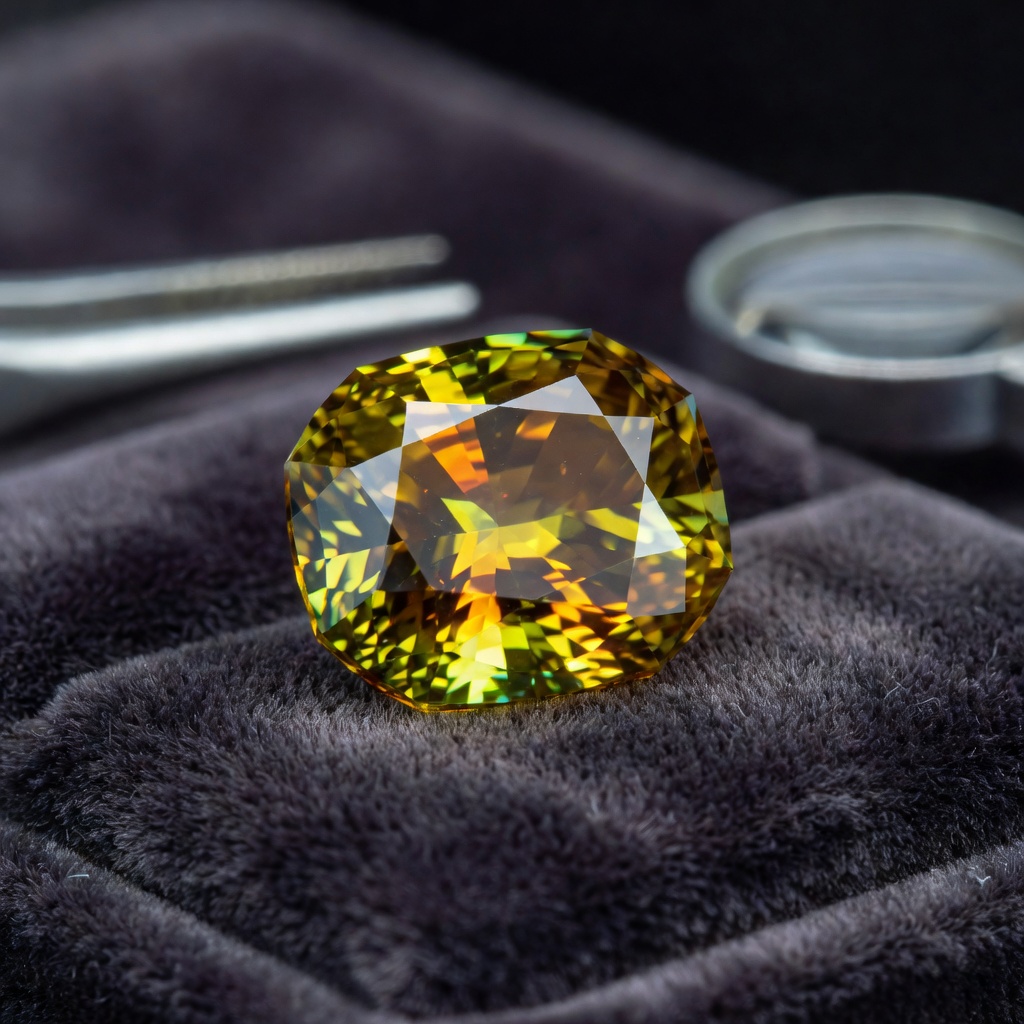
Introduction to Mali Garnet: A Unique Hybrid Gemstone
Mali garnet represents one of the most fascinating discoveries in modern gemology, emerging as a rare hybrid that bridges two distinct garnet species. First unearthed in 1994 along the alluvial deposits of Mali's Kayes Region in West Africa, this exceptional gemstone quickly captured the attention of collectors and jewelry designers worldwide. Unlike traditional single-species garnets, Mali garnet gemstone specimens possess a unique genetic makeup that combines the best optical characteristics of both grossular and andradite varieties. Collectors prize these stones for their exceptional brilliance and fire, which often rivals more expensive precious gems while maintaining a distinctive golden to greenish hue that sets them apart in the marketplace.
The discovery of Mali garnet properties and information regarding their formation has provided gemologists with valuable insights into the complex geological processes that create hybrid gemstones. Miners initially confused these stones with demantoid garnets due to their similar dispersion and luster, but subsequent laboratory analysis revealed their distinct chemical signature. Today, Mali garnet stands as a testament to nature's ability to create unexpected beauty through the combination of mineral species, offering jewelry enthusiasts a relatively new yet historically significant addition to the garnet family that continues to appreciate in both popularity and value.
Chemical Composition and Crystal Structure
Understanding the internal architecture of Mali garnet requires examining its status as a true Grossular andradite hybrid, representing a continuous chemical series between two end members. The gemstone's composition varies significantly depending on the specific ratios of calcium aluminum silicate (Ca3Al2Si3O12), characteristic of grossular, and calcium iron silicate (Ca3Fe2Si3O12), typical of andradite. This hybrid nature means individual specimens may lean toward either parent species, resulting in subtle variations in color, density, and optical performance that gemologists use to classify and value these stones.
Crystallographically, Mali garnet belongs to the isometric crystal system, forming dodecahedral or trapezohedral crystals that contribute to its excellent light-handling capabilities. The random distribution of aluminum and iron within the crystal lattice creates a unique structural environment that affects how light interacts with the material. Advanced spectroscopic analysis reveals characteristic absorption patterns resulting from this hybrid Mali garnet composition, distinguishing it definitively from pure grossular or andradite specimens. Gemological laboratories utilize these structural fingerprints to authenticate stones and determine their position along the grossular-andradite continuum, providing crucial documentation for valuation and identification purposes.
Physical Properties and Durability Factors
When considering Mali garnet hardness and its implications for jewelry use, gem enthusiasts should note its rating of 6.5 to 7 on the Mohs scale, positioning it between orthoclase feldspar and quartz in terms of scratch resistance. This moderate hardness makes the gemstone suitable for various jewelry applications, though it requires thoughtful setting choices to prevent damage during daily wear. The specific gravity of Mali garnet typically ranges between 3.63 and 3.70, noticeably higher than many common gemstones, giving mounted pieces a satisfying heft that signals quality to experienced collectors.
The exceptional Mali garnet durability characteristics extend beyond simple hardness measurements to include impressive toughness and stability under normal wearing conditions. With a refractive index ranging from 1.76 to 1.82, these stones exhibit remarkable brilliance that rivals more expensive alternatives like sapphire or spinel. However, prospective buyers should understand that while Mali garnet resists scratching reasonably well, it can chip if struck against hard surfaces, making protective settings advisable for rings intended for daily wear. Gem cutters often favor brilliant cuts for these stones to maximize light return, taking advantage of the material's high refractive index to create lively, sparkling finished gems that showcase the hybrid's optical superiority.
Color Spectrum and Optical Characteristics
The mesmerizing Mali garnet colors span a delightful spectrum that includes vibrant yellow-green, rich golden honey, and sophisticated champagne tones, with the most prized specimens displaying intense saturation and medium to medium-dark tones. Unlike tsavorite, which tends toward pure emerald green, or hessonite's cinnamon warmth, Mali garnet occupies a unique chromatic niche that combines the brightness of citrus hues with the depth of precious metals. Color-change varieties represent the rarest and most valuable expressions of this gemstone, exhibiting remarkable shifts from blue-green in daylight to purplish-red or pink under incandescent lighting, a phenomenon caused by the unique interaction of trace elements within the hybrid structure.
Optically, Mali garnet distinguishes itself through an exceptionally high dispersion rate of 0.057, which exceeds that of diamond and creates noticeable fire—the rainbow flashes of color seen when light splits within the stone. This optical property, combined with the high refractive index mentioned previously, produces a "life" and scintillation that captivates viewers even under subdued lighting conditions. Gemologists evaluating Mali garnet optical properties look for clean, transparent specimens free from inclusions that might interfere with light transmission, as clarity significantly impacts the stone's ability to display its characteristic brilliance. When properly cut and polished, these gemstones can outshine many traditionally precious gems, offering an affordable alternative for those seeking maximum optical performance without the premium price tags of diamonds or alexandrites.
Geographic Origins and Mining Sources
The primary source of Mali garnet mining operations remains concentrated in the Kayes Region of western Mali, specifically along ancient alluvial plains where weathering has concentrated these dense minerals into workable deposits. These alluvial deposits, formed by centuries of erosion and water action, yield primarily water-worn pebbles and rough crystals that require careful sorting and evaluation by local miners. The specific geological conditions necessary for forming this Grossular andradite hybrid occur rarely, requiring precise combinations of calcium-rich host rocks, aluminum and iron sources, and the metamorphic or pegmatitic environments that facilitate garnet crystallization.
While Mali garnet origin remains predominantly West African, secondary discoveries have emerged in neighboring regions, though these deposits typically produce smaller quantities and different quality grades than the original Malian sources. The limited geographic distribution contributes significantly to the gemstone's rarity and market positioning, as political instability and infrastructure challenges in Mali have restricted mining operations and export capabilities. Unlike diamonds or sapphires with multiple global sources, Mali garnet's restricted production creates natural scarcity that appeals to collectors seeking exclusive additions to their portfolios. Ethical sourcing has become increasingly important in this market segment, with reputable dealers establishing direct relationships with Malian mining cooperatives to ensure fair trade practices while securing the finest rough material for cutting and distribution.
Gemological Identification and Authentication
Professional Mali garnet identification relies on several distinctive gemological characteristics that separate authentic specimens from simulants and less valuable garnet varieties. The refractive index range of 1.76 to 1.82 serves as a primary diagnostic tool, falling between pure grossular (1.73-1.75) and demantoid andradite (1.88-1.89), creating a unique "signature" that identifies the hybrid nature of the stone. Spectroscopic examination reveals absorption features unique to the Mali garnet composition, typically showing bands in the blue-violet region that differ from both parent species, providing definitive proof of the gemstone's hybrid status when viewed through a spectroscope.
Comprehensive Mali garnet testing protocols also include specific gravity measurements, microscopic examination of inclusion patterns, and ultraviolet fluorescence reactions to build a complete identification profile. While treatments remain relatively uncommon for this gemstone type, buyers should remain vigilant regarding potential synthetics or assembled stones that attempt to mimic the hybrid's distinctive appearance. Reputable gemological laboratories such as GIA, AGL, and GRS provide certification services that document these characteristics, offering peace of mind for significant purchases. When acquiring high-value specimens, insist on reports that specifically note the grossular-andradite hybrid composition, as this documentation protects your investment and ensures you receive the genuine article rather than a less valuable single-species garnet passed off as the rare hybrid.
Jewelry Design Applications and Setting Recommendations
Designers working with Mali garnet jewelry must balance the stone's exceptional beauty with practical considerations regarding its moderate hardness and potential fragility. Ideal applications include pendants, earrings, and brooches where the gemstone faces minimal risk of impact or abrasion during normal wear, allowing the stone's brilliance to shine without constant exposure to hard knocks. For those desiring Mali garnet in rings, protective bezel settings or halo designs that surround the center stone with a metal rim provide essential protection against chipping while complementing the gem's warm color palette with complementary metalwork.
Regarding Mali garnet settings, white metals such as platinum and white gold create striking contrasts with the yellow-green to golden hues, enhancing the stone's perceived brightness and modern appeal. Alternatively, yellow gold settings emphasize the honey and champagne tones within the gems, creating cohesive, warm designs that reference vintage aesthetics. When designing with these stones, jewelers should consider the high specific gravity, ensuring that mountings provide adequate support without overwhelming the gem's visual presence. Prong settings, while allowing maximum light entry, require thicker, more robust prongs than those used for harder stones like diamonds to prevent metal fatigue and potential stone loss. Custom designs often incorporate accent diamonds or colorless sapphires to highlight the Mali garnet's fire, creating pieces that maximize the hybrid's optical advantages while ensuring longevity through thoughtful engineering.
Professional Care and Maintenance Guidelines
Proper Mali garnet care begins with understanding that while these gemstones possess reasonable hardness, they require gentler handling than corundum or diamond specimens. The safest cleaning method involves using warm soapy water—mild dish detergent works excellently—combined with a soft-bristled brush to remove accumulated oils and debris from the stone's surface and setting crevices. This straightforward approach effectively restores brilliance without risking thermal shock or chemical damage that might affect more aggressive cleaning methods, making it ideal for routine maintenance of your precious Mali garnet pieces.
Professional Mali garnet maintenance protocols specifically recommend avoiding ultrasonic cleaners, particularly for stones containing visible inclusions or internal fractures that could expand under vibrational stress. Steam cleaning should also be avoided due to potential thermal shock risks and the possibility of exacerbating existing inclusions. Storage practices prove equally important; keep Mali garnet jewelry separate from harder gemstones like diamonds, rubies, or sapphires to prevent scratching, ideally in individual soft pouches or compartmentalized jewelry boxes. When traveling, carry these pieces in padded containers that prevent movement and contact with metal items that might abrade the surface. Annual professional inspections by qualified jewelers ensure that settings remain secure and allow for expert cleaning that addresses areas home care might miss, preserving both the beauty and structural integrity of your Mali garnet jewelry for generations.
Market Value, Pricing, and Investment Potential
Current Mali garnet value assessments place retail prices between $100 and $500 per carat for fine quality stones, though exceptional specimens with rare color-change properties or unusually large sizes can command significantly higher premiums. Several factors influence this pricing structure, with color intensity ranking as the primary value determinant—stones displaying vivid yellow-green to golden honey hues with strong saturation fetch top prices, while pale or brownish examples sell for considerably less. Clarity significantly impacts Mali garnet price calculations, as eye-clean stones allow maximum light return and fire display, whereas included material may require creative cutting or sell at substantial discounts despite acceptable color.
The investment potential of Mali garnet stems from its limited supply chain and increasing recognition among collectors who appreciate both its beauty and geological uniqueness. Unlike diamonds with controlled supply or common garnets with abundant sources, Mali garnet's restricted geographic origin and hybrid rarity create natural scarcity that typically supports price stability and gradual appreciation. Market analysts note growing demand from Asian markets particularly, where consumers increasingly seek alternatives to traditional gemstones with unique stories and optical characteristics. For investors considering Mali garnet, focus on acquiring certified stones above two carats with exceptional color and clarity, as these parameters historically demonstrate the strongest value retention and liquidity in the secondary market. As mining challenges continue in West Africa and no significant new deposits have emerged, existing high-quality material likely represents a finite resource with compelling long-term appreciation prospects.
Comparative Analysis with Other Garnet Varieties
When examining Mali garnet vs tsavorite, collectors immediately notice distinct differences despite both belonging to the grossular family. Tsavorite maintains pure grossular composition, resulting in a characteristic emerald green color absent the yellow modifiers often seen in Mali specimens, while lacking the exceptional dispersion that gives Mali garnet its diamond-like fire. Tsavorite typically commands higher prices per carat due to its association with classic green gemstones, though Mali garnet offers superior brilliance and a broader color palette that appeals to those seeking something beyond traditional green garnets.
Comparisons between Mali garnet and demantoid—the green andradite variety—reveal interesting contrasts in rarity and optical performance. While demantoid possesses higher dispersion (0.057 vs. Mali's 0.057, though demantoid's body color often masks this fire) and iconic horsetail inclusions, it typically shows a more yellowish-green base color and commands significantly higher prices due to historical prestige and Russian origin associations. The hybrid garnet varieties like Mali offer advantages over pure species by combining grossular's hardness and color range with andradite's exceptional brilliance and fire, creating a "best of both worlds" scenario that provides durability superior to demantoid while offering optical performance exceeding standard grossular. For jewelry applications requiring both beauty and practicality, Mali garnet often represents the optimal choice within the green garnet family, delivering 90% of demantoid's visual impact at roughly 20% of the cost while maintaining better availability than either of its pure-species counterparts.
Frequently Asked Questions About Mali Garnet Properties and Information
What is Mali garnet composed of?
Mali garnet is a hybrid gemstone composed of a mixture between grossular and andradite garnet species, typically containing calcium aluminum silicate and calcium iron silicate in varying ratios.
How durable is Mali garnet for everyday jewelry wear?
With a Mohs hardness of 6.5 to 7, Mali garnet is moderately durable but best suited for pendants and earrings. If used in rings, protective settings like bezels are recommended to prevent chipping.
What colors are most valuable in Mali garnet?
The most valuable Mali garnets display intense yellow-green to golden honey colors with high saturation. Rare color-change varieties that shift between blue-green and purple command premium prices.
How can I distinguish authentic Mali garnet from imitations?
Authentic Mali garnet can be identified by its high refractive index (1.76-1.82), specific gravity (3.63-3.70), and distinctive spectroscopic features. Professional gemological testing is recommended for verification.
Is Mali garnet considered a rare gemstone?
Yes, Mali garnet is considered rare due to limited production from primarily one geographic location in Mali, West Africa, and the specific geological conditions required for its hybrid formation.
What is the best way to clean Mali garnet jewelry?
Clean Mali garnet using warm soapy water and a soft brush. Avoid harsh chemicals, steam cleaners, and ultrasonic cleaning for stones with visible inclusions to prevent damage.
Does Mali garnet exhibit any special optical phenomena?
While most Mali garnets display exceptional fire due to high dispersion, rare specimens exhibit color-change phenomena, appearing blue-green in daylight and purplish-red under incandescent lighting.
Where can I purchase certified Mali garnet?
Certified Mali garnet can be purchased from reputable gem dealers, specialized online gemstone retailers, and auction houses. Always request gemological certification from recognized laboratories like GIA or AGL.