Understanding Mali Garnet: The Hybrid Gemstone Requiring Specialized Attention
Mali garnet represents one of the most fascinating discoveries in modern gemology, emerging from the West African nation of Mali in the 1990s as a rare natural hybrid of grossular and andradite garnet. This unique composition gifts the stone with exceptional optical properties, including a higher refractive index than traditional almandine or pyrope garnets, resulting in remarkable brilliance and fire that rivals fine demantoid garnets. The distinctive color palette ranges from golden honey yellows to vibrant lime greens, with some specimens displaying fascinating color-shift phenomena under different lighting conditions. Understanding these fundamental properties is essential for proper Grossular andradite garnet care, as the very characteristics that make Mali garnet desirable also necessitate specific maintenance protocols to preserve its optical performance.
Unlike single-species garnets, the hybrid nature of Mali garnet creates a complex internal structure that responds differently to environmental stressors and cleaning agents. The exceptional dispersion that creates rainbow-like flashes of color can become obscured by accumulated oils and debris, making regular maintenance crucial for maintaining the stone's signature sparkle. When caring for this rare gemstone, owners must balance the need for cleanliness with the understanding that aggressive cleaning methods can compromise both the stone's surface integrity and its setting security. Proper Mali Garnet Care and Cleaning routines acknowledge that this gemstone, while durable enough for jewelry, requires a gentler touch than harder stones like diamonds or sapphires.
Mali Garnet Durability and Hardness Factors
When evaluating Mali garnet durability for daily wear, gemologists reference the Mohs hardness scale, where this hybrid garnet typically ranks between 6.5 and 7. This places it in the same category as quartz and slightly softer than tourmaline or spinel, making it suitable for rings, pendants, and earrings while requiring mindful protection from harder materials. The hardness rating indicates resistance to scratching, but Mali garnet possesses distinct cleavage planes—internal directions along which the stone can split under sufficient impact—that demand protection from sharp blows or pressure points. Understanding these physical limitations helps owners make informed decisions about when to remove their jewelry to prevent structural damage.
Thermal sensitivity presents another critical consideration for Mali garnet preservation, as extreme temperature fluctuations can induce thermal shock and create internal fractures within the stone. For example, wearing a Mali garnet ring while moving from a hot sauna into cold water, or leaving jewelry near heating vents during winter, subjects the gemstone to stress that may not cause immediate visible damage but can weaken its internal structure over time. The gemstone hardness of 6.5-7 means that while daily wear is possible, activities involving potential impact against hard surfaces—such as rock climbing, weightlifting, or even aggressive handwashing against porcelain sinks—should prompt removal of the jewelry. Regular inspection for chips or cracks along the girdle (the outer edge) can catch early signs of damage before they compromise the entire stone.
Daily Mali Garnet Care Best Practices
Implementing consistent Mali garnet jewelry maintenance begins with adopting the "last on, first off" principle, ensuring your gemstone never encounters cosmetics, perfumes, or hairsprays that can leave residue on its surface. These beauty products often contain alcohols, oils, and chemicals that create a microscopic film over the stone, diminishing its brilliance and potentially causing long-term surface etching if left unattended. When preparing for the day, place your Mali garnet jewelry on only after applying makeup, styling hair, and allowing lotions to fully absorb into the skin. This simple habit significantly reduces the frequency of deep cleaning needed and preserves the stone's natural luster.
Physical activities present significant risks to Mali garnet settings and the stones themselves, necessitating removal before gardening, household cleaning, sports, or any manual labor. A practical case study involves a collector who wore her Mali garnet engagement ring while replanting her garden; an accidental strike against a landscaping rock resulted in a chip along the table facet that required professional repolishing to restore. Additionally, weekly inspections using a jeweler's loupe or magnifying glass should examine prongs for looseness, checking that the stone does not wobble or rotate within its setting. Catching a loose prong early prevents the catastrophic loss of the stone during daily activities, as the combination of the garnet's weight and daily movement can gradually work a weakened prong away from the gemstone.
Safe Home Cleaning Methods for Mali Garnet
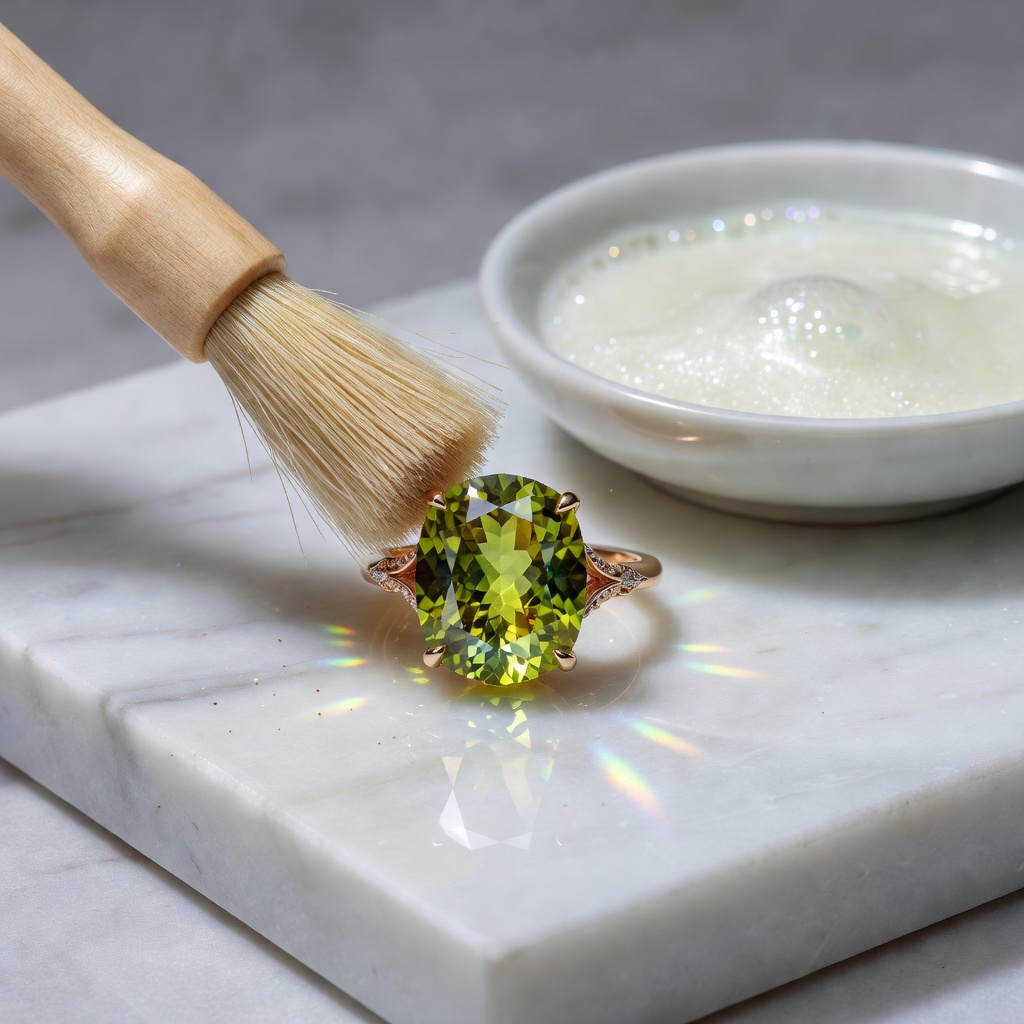
Establishing effective Mali garnet cleaning methods at home requires assembling the proper tools and understanding the delicate balance between thoroughness and gentleness. Begin by preparing a solution of lukewarm water—never hot, as thermal shock remains a risk—and mild pH-neutral dish soap, avoiding detergents, ammonia-based cleaners, or abrasive pastes that can etch the stone's surface. Submerge the jewelry for ten to fifteen minutes to loosen accumulated oils and debris, particularly in the hard-to-reach pavilion (bottom portion) where skin cells and soap scum typically collect. This soaking period prepares the stone for gentle mechanical cleaning without requiring excessive scrubbing force.
Using a soft-bristled baby toothbrush, gently scrub the Mali garnet, paying special attention to the area behind the stone where the pavilion meets the setting, as this junction traps the majority of dulling residue. Work in small circular motions with minimal pressure, allowing the bristles to dislodge debris rather than forcing them against the stone. After cleaning, rinse thoroughly under lukewarm running water, ensuring all soap residue washes away completely, as leftover film can attract dust and create future buildup. Pat dry immediately with a lint-free microfiber cloth, avoiding paper towels that can scratch the surface, and allow the piece to air dry completely before storing. For optimal brilliance, incorporate this cleaning routine every two to four weeks depending on wear frequency, with pieces worn daily requiring the shorter interval.
Professional Mali Garnet Maintenance Services
While home care maintains daily brilliance, professional gemstone cleaning and inspection services provide the deep maintenance necessary for long-term preservation. Jewelers equipped with specialized knowledge of Mali garnet properties will specifically avoid ultrasonic and steam cleaning methods, despite their popularity for other gemstones. The intense vibrations of ultrasonic cleaners can loosen prongs or worsen existing inclusions, while steam heat can cause thermal shock fractures in thermally sensitive stones. Instead, request ionic cleaning systems or professional-grade soft brush methods that remove embedded debris without subjecting the stone to mechanical or thermal stress.
Schedule comprehensive professional inspections every six to twelve months, during which a qualified jeweler will tighten prongs, check for loose stones, and examine the setting for wear patterns that might indicate future failure. During one such inspection, a master jeweler might discover that a Mali garnet ring's daily wear has caused the gallery (the decorative metalwork beneath the stone) to thin, requiring reinforcement before the stone becomes loose. For stones that have developed surface scratches or lost their polish through years of wear, professional repolishing services can restore the original luster by removing microscopic layers of damaged material. This process requires expertise specific to Grossular andradite garnet care, as improper polishing angles or excessive heat generation can permanently damage the stone's optical properties.
Proper Storage Solutions for Mali Garnet Jewelry
Effective Mali garnet storage tips begin with understanding the Mohs hardness hierarchy and the vulnerability of your gemstone to abrasion from harder materials. Always store individual Mali garnet pieces in soft fabric pouches, lined jewelry boxes with separate compartments, or anti-tarnish cloth wraps that prevent contact with other jewelry items. Harder gemstones such as diamonds, sapphires, rubies, and even some varieties of topaz can scratch Mali garnet's surface if jumbled together in a jewelry box, creating permanent damage that reduces both beauty and value. Consider investing in a jewelry organizer with designated padded slots that keep each piece suspended and separated.
Environmental factors significantly impact gemstone storage, requiring stable humidity levels and protection from direct sunlight exposure that could potentially affect color saturation over extended periods. For pieces set in sterling silver, include anti-tarnish strips within storage containers to prevent oxidation that can creep beneath prongs and loosen settings. Silica gel packets help control moisture in humid climates, preventing the buildup of condensation that can affect both the stone and its metal mounting. When traveling, utilize hard-sided travel cases with foam inserts rather than soft pouches alone, as luggage handling can subject jewelry to crushing forces. A collector traveling with a valuable Mali garnet pendant should ensure the piece is secured in a case that prevents movement, protecting not just the gemstone but also the delicate chain and clasp mechanisms.
Chemicals and Activities to Avoid
Protecting your investment requires vigilance regarding chemical exposures that can permanently damage Mali garnet jewelry. Never expose these gemstones to chlorine bleach, ammonia, acetone, or alcohol-based solvents, as these substances can etch the surface, dull the polish, or react with inclusions within the stone. Household cleaning products, including abrasive powders and baking soda paste mixtures often recommended for other cleaning tasks, can scratch the 6.5-7 hardness surface of Mali garnet. Even seemingly benign substances like lemon juice or vinegar, with their acidic properties, can gradually erode the stone's surface luster with repeated exposure.
Remove Mali garnet jewelry before swimming in chlorinated pools or soaking in hot tubs, as concentrated chlorine can discolor both the gemstone and its metal setting over time. Similarly, avoid wearing these pieces during activities involving extreme heat sources, including sauna sessions, cooking over open flames, or using hair dryers and styling tools in close proximity to the stone. A practical example illustrates this risk: a wearer who consistently dried her hands with a Mali garnet ring while using high-heat hand dryers eventually noticed internal fracturing caused by repeated thermal cycling. Additionally, avoid contact with abrasive cleaning materials, including scouring pads, rough towels, or even certain types of beach sand that can scratch the surface during summer activities.
Recognizing When Your Mali Garnet Needs Attention
Developing observational skills for Mali garnet cleaning signs enables owners to address maintenance needs before minor issues escalate into costly repairs. Visible cloudiness or a greasy film appearing behind the stone, particularly noticeable when viewed through the table (top facet), indicates accumulated skin oils, lotion residue, and environmental pollutants that require immediate cleaning. Compare the current brilliance and fire of your gemstone against photographs from when you first acquired it; a noticeable reduction in sparkle or dispersion (the rainbow flashes) signals that light transmission is being blocked by surface debris or internal clouding. This dullness often manifests first in indoor lighting conditions where the stone previously displayed vivid color play.
Mechanical warning signs demand immediate professional intervention rather than home cleaning attempts. If the stone wobbles within its setting, if prongs snag on clothing or fabric, or if you hear clicking sounds when gently tapping the jewelry, these indicate loosening settings that risk complete stone loss. Inspect the table facet regularly for scratches visible to the naked eye, which indicate the need for professional repolishing to restore optical clarity. One owner noticed her Mali garnet ring catching on silk blouses, prompting immediate jeweler consultation that revealed a lifted prong which, if ignored, would have released the stone within days. Addressing these physical symptoms promptly preserves both the gemstone and the security of its mounting.
Long-Term Preservation and Value Protection
Strategic long-term gemstone care extends beyond daily maintenance to include documentation, insurance, and setting modifications that protect your Mali garnet for future generations. Maintain updated appraisals every two to three years from a certified gemologist who understands the specific value factors of Mali garnet, including color saturation, clarity, and the distinctive dispersion that separates fine specimens from commercial quality stones. These appraisals serve dual purposes for insurance coverage and value tracking, as the rarity of high-quality Mali garnet continues to influence market prices. Document unique characteristics such as color shift phenomena, inclusion patterns visible under magnification, and specific dispersion ratings to create a permanent record for authentication and future valuation.
For pieces intended for daily wear, consider upgrading to protective bezel settings that encircle the girdle with metal, minimizing the risk of edge chipping that commonly affects prong-set stones. While bezel settings may slightly reduce light entry compared to open prong settings, they provide superior protection for active lifestyles. When gifting or inheriting Mali garnet heirlooms, include written care instructions detailing the specific needs of Grossular andradite garnet care, ensuring subsequent owners understand the importance of avoiding ultrasonic cleaners and chemical exposures. Establishing a relationship with a jeweler who specializes in colored gemstones ensures that your Mali garnet receives appropriate maintenance throughout its lifetime, preserving both its monetary value and sentimental significance for decades to come.
Frequently Asked Questions
Can I clean my Mali Garnet with an ultrasonic cleaner?
No, ultrasonic cleaners are not recommended for Mali garnet. While the stone itself may withstand the vibrations, the heat and cavitation can loosen prongs, worsen existing fractures, or damage inclusions within the gemstone. Stick to gentle hand washing with mild soap and water.
How often should I clean my Mali Garnet jewelry?
Clean Mali garnet jewelry every 2-4 weeks with regular wear, or immediately after exposure to lotions, sunscreens, or cooking oils. For pieces worn occasionally, cleaning every 2-3 months is sufficient. Professional deep cleaning is recommended annually or whenever home cleaning doesn't restore brilliance.
Is it safe to wear Mali Garnet every day?
Yes, with proper precautions. Mali garnet ranks 6.5-7 on the Mohs hardness scale, making it durable enough for daily wear in rings and pendants. However, remove it during heavy physical work, sports, or activities involving harsh chemicals to prevent scratches, chips, or chemical damage.
Can I shower or swim with Mali Garnet jewelry?
Showering with mild soap is generally safe, but swimming is not recommended. Chlorine in pools and hot tubs can damage both the garnet and metal settings over time. Additionally, cold water can cause fingers to shrink, increasing the risk of losing rings. Always rinse thoroughly after saltwater exposure.
What is the safest way to clean Mali Garnet at home?
Mix lukewarm water with a few drops of mild dish soap, soak for 10-15 minutes, gently scrub with a soft-bristled toothbrush (especially behind the stone), rinse under lukewarm water, and dry with a lint-free cloth. Avoid hot water, harsh detergents, and abrasive materials.
Does Mali Garnet fade in sunlight?
Mali garnet is generally stable in light and does not fade significantly with normal sunlight exposure. However, prolonged intense heat and UV exposure over many years could potentially affect some treated stones. Store jewelry away from direct sunlight and heat sources to maintain optimal color saturation.
Can Mali Garnet be damaged by household chemicals?
Yes, household chemicals including bleach, ammonia, acetone, and abrasive cleaners can etch the surface or damage the luster of Mali garnet. Always remove jewelry before cleaning, and never use commercial jewelry dips designed for harder stones like diamonds or sapphires.
When should I take my Mali Garnet to a professional jeweler?
Visit a professional immediately if you notice loose prongs, a wobbling stone, visible chips or cracks, or if the setting becomes bent. Schedule annual check-ups for prong tightening, professional cleaning, and inspection for wear patterns that could lead to stone loss.