What Is Malachite? Understanding the Basics
Malachite stands as one of the most recognizable and historically significant minerals in the world of gemstones and crystals, classified scientifically as a copper carbonate hydroxide mineral. This striking green stone derives its name from the Greek word molochitis, which references the mallow plant due to the stone's resemblance to the plant's distinctive green leaves. Ancient civilizations first documented this mineral thousands of years ago, with evidence of its use appearing in Egyptian hieroglyphics and early metallurgical texts that described its copper extraction capabilities. When exploring comprehensive malachite properties and information, it becomes immediately apparent that this mineral occupies a unique position bridging geological significance, ornamental beauty, and metaphysical applications.
The primary mining locations for high-quality malachite specimens include the Democratic Republic of Congo, which produces some of the world's most vivid banded examples from the Katanga Copperbelt region. Zambia represents another significant source, particularly for specimens exhibiting exceptional concentric patterning and deep emerald coloration. Russia's Ural Mountains have historically yielded magnificent malachite deposits that supplied the Imperial Court with material for elaborate decorative objects, while additional sources in Australia, Arizona, and Namibia contribute to the global supply of this distinctive green mineral.
Geological Formation and Mineral Composition
Understanding malachite mineral composition reveals fascinating insights into copper geochemistry and secondary mineral formation processes. The chemical formula Cu₂CO₃(OH)₂ identifies malachite as a copper carbonate hydroxide, formed through complex weathering processes that occur when primary copper sulfide minerals undergo oxidation. This transformation typically takes place in the upper zones of copper ore deposits, where groundwater rich in carbonic acid reacts with copper-bearing rocks over thousands of years, creating these beautiful green formations through precipitation and crystallization.
The development of malachite specifically requires oxidized environments within copper deposits, where exposure to air and moisture initiates chemical alterations in the surrounding rock matrix. These conditions allow copper ions to combine with carbonate and hydroxide groups, forming the characteristic botryoidal masses and stalactitic growths that collectors prize. Geologists frequently observe malachite in association with other secondary copper minerals, most notably azurite (a deep blue copper carbonate), chrysocolla (a hydrated copper silicate), and cuprite (copper oxide), creating spectacular mineral assemblages that display nature's artistic palette.
Physical Properties and Visual Characteristics
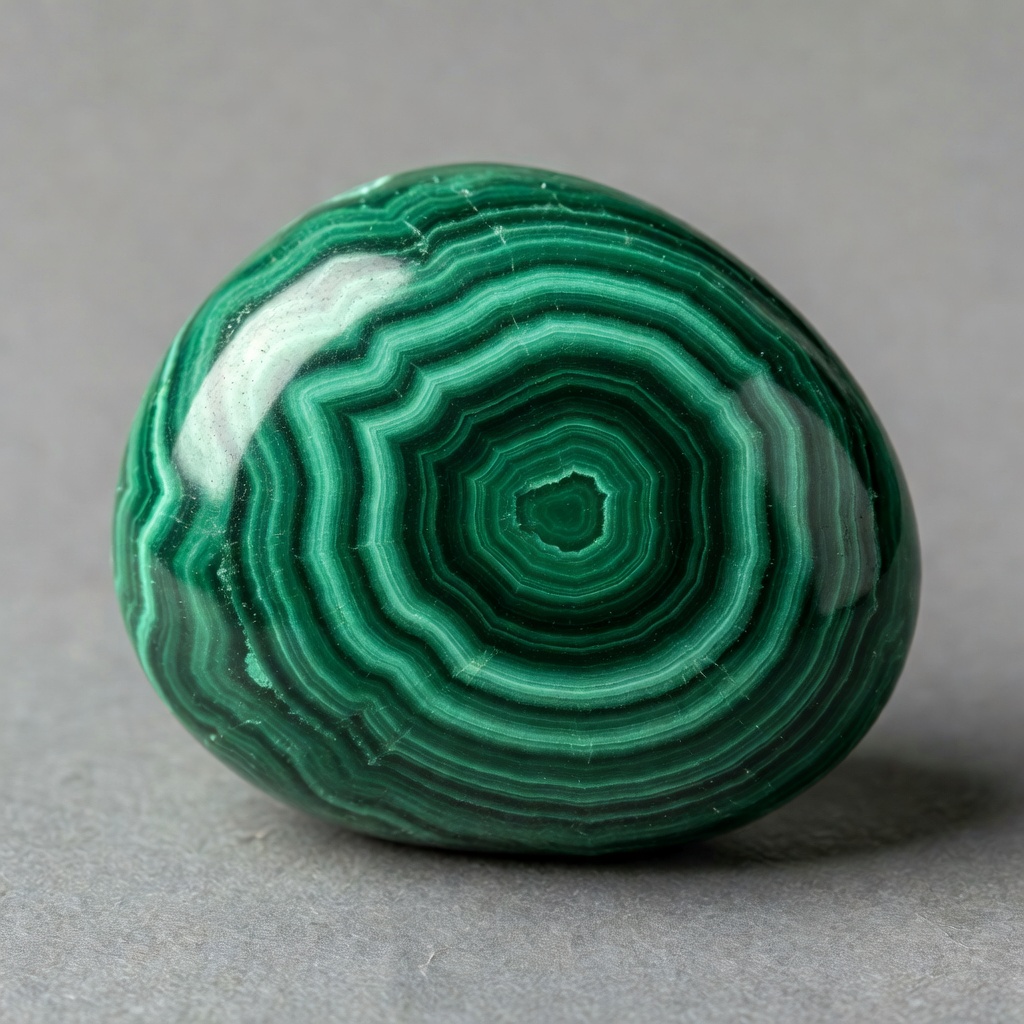
The unmistakable appearance of malachite stems from its distinctive concentric banding patterns, which display alternating light and dark green shades in swirling, eye-like formations known as "bull's eyes" or peacock feather patterns. These bands form through rhythmic crystallization processes where variations in water chemistry, temperature, and mineral concentration create layered deposits over geological time scales. The specific gravity of malachite ranges between 3.6 and 4.0, giving genuine specimens a satisfyingly dense, heavy feel when held in the hand that distinguishes them from lighter imitations.
With a Mohs hardness rating of 3.5 to 4, malachite falls into the category of relatively soft gemstones that require protective settings when used in jewelry applications. The mineral exhibits an adamantine to vitreous luster when polished, creating a silky, reflective surface that enhances the depth of its green coloration. Perfect cleavage in one direction means that malachite can split along specific planes, though lapidaries typically work around this characteristic by orienting cuts to maximize the stone's durability. These physical characteristics contribute significantly to the malachite stone benefits for collectors and jewelers who appreciate both its aesthetic beauty and workability for intricate carvings.
Malachite Healing Properties and Benefits
Practitioners of crystal healing recognize malachite healing properties as particularly potent for facilitating deep emotional transformation and assisting individuals in breaking unwanted behavioral patterns. The stone operates as an emotional mirror, reflecting subconscious blockages and suppressed feelings to the surface where they can be acknowledged and released through conscious processing. Many therapists and energy workers recommend keeping malachite nearby during periods of significant life changes, such as career transitions, relationship endings, or spiritual awakenings, as it supports the courage necessary to move beyond comfort zones and embrace personal growth.
Physically, malachite has traditionally been associated with supporting the female reproductive system, particularly in alleviating menstrual cramps and discomfort associated with hormonal fluctuations. Holistic practitioners also connect this mineral with immune system support, suggesting that it stimulates the body's natural defense mechanisms and enhances detoxification processes. Additionally, modern crystal enthusiasts frequently employ malachite as a protective talisman against electromagnetic radiation from electronic devices and negative environmental energies, placing specimens near computer workstations or wearing them as shields during travel through densely populated urban areas.
Metaphysical and Spiritual Properties
The malachite metaphysical properties center predominantly around heart chakra activation, establishing this mineral as a primary tool for emotional balance and the cultivation of unconditional love. When placed over the heart center during meditation or energy work, malachite facilitates the release of past traumas and resentment while opening channels for compassion and empathy toward oneself and others. This heart-centered energy makes it particularly valuable for individuals working through grief, heartbreak, or trust issues, as it gently dissolves emotional armor without overwhelming the sensitive energetic body.
Beyond personal healing, malachite serves as a conduit for connecting with nature spirits and devic energies that oversee plant growth and ecosystem health. Gardeners and agricultural intuitives often place malachite stones near houseplants or in garden soil (wrapped in protective cloth) to stimulate growth and protect vegetation from environmental stressors. During deep meditation practices, malachite acts as a portal for accessing subconscious wisdom and receiving spiritual guidance, helping practitioners decode dream symbolism and integrate shadow aspects of the psyche into conscious awareness for holistic spiritual development.
Historical Significance and Cultural Uses
Ancient Egyptian civilization revered malachite for both practical and spiritual applications, grinding the mineral into fine powder to create kohl eye makeup that served protective and aesthetic purposes simultaneously. Archaeological excavations have uncovered elaborate malachite amulets and scarabs placed within sarcophagi to safeguard the deceased during their journey through the afterlife, reflecting beliefs in the stone's powerful protective capabilities. Egyptian healers also utilized malachite in medicinal preparations, recognizing early connections between copper compounds and antimicrobial properties long before modern science confirmed these effects.
The Russian Imperial Court elevated malachite to unprecedented heights of luxury during the 18th and 19th centuries, commissioning massive decorative objects including tabletops, urns, and architectural inlays for palaces throughout St. Petersburg. Master craftsmen developed intricate techniques for cutting and matching malachite veneers to create seamless patterns that adorned the famous Malachite Room in the Winter Palace. Meanwhile, various Native American tribes, particularly those in the southwestern United States, incorporated malachite into spiritual ceremonies as a stone of transformation and utilized it as a form of currency in trade networks that extended across the continent.
How to Use Malachite in Daily Life
Incorporating green malachite crystal into daily routines requires thoughtful consideration of the stone's energetic properties and physical characteristics. For jewelry applications, pendants worn close to the heart chakra maximize the stone's emotional healing benefits, while bracelets allow for continuous energy exchange throughout the day. When selecting malachite jewelry, choose bezel settings or protective designs that shield the relatively soft stone from hard impacts, and avoid wearing pieces during rigorous physical activities or household cleaning that might expose the mineral to harsh chemicals or acids.
Feng shui practitioners recommend placing malachite in the east and southeast sectors of living spaces to activate growth, abundance, and family harmony energies. Positioning a malachite sphere or freeform specimen on a desk or workspace supports focus and protects against electromagnetic stress from electronic equipment. For those practicing crystal grid work, malachite serves as a powerful center stone for grids designed to facilitate transformation, protection, or emotional healing, working synergistically with clear quartz amplifiers and grounding stones like black tourmaline to create balanced energetic matrices.
Caring for Your Malachite Stone
Proper malachite care and cleaning requires strict adherence to dry methods exclusively, as this copper carbonate mineral exhibits water solubility that can damage its surface polish and structural integrity over time. Exposure to water, especially acidic or mineral-rich varieties, can cause malachite to slowly dissolve or develop a dull, chalky appearance as the copper compounds react with moisture. Instead of water-based cleaning, gently dust specimens using a soft, dry microfiber cloth or a soft-bristled brush to remove accumulated debris without scratching the relatively soft surface.
Storage solutions for malachite must account for its Mohs hardness of 3.5-4, meaning harder stones like diamonds, sapphires, or quartz can easily scratch its polished surface. Always store malachite jewelry and specimens in individual soft cloth bags or lined compartments within jewelry boxes, keeping pieces separated from other minerals. For energetic cleansing and recharging, avoid water-based methods in favor of moonlight exposure during the full moon, placement on selenite charging plates, or smudging with sage, palo santo, or sweetgrass smoke to clear accumulated energies without risking physical damage to the stone.
Identifying Genuine vs. Fake Malachite
Distinguishing authentic malachite from synthetic imitations requires careful visual inspection of the banding patterns, as genuine specimens display irregular, organic-looking concentric circles with natural variations in shade and width. Natural malachite properties and information reveal that authentic stones never show perfectly uniform or machine-precise patterns; instead, they feature subtle imperfections, color gradations, and occasional inclusions that testify to their geological origins. Common fraudulent substitutes include dyed howlite (which lacks the depth and translucency of real malachite), plastic resin composites (often too lightweight and warm to the touch), and reconstructed stone powder mixed with binders.
Physical testing methods provide additional verification, as genuine malachite feels noticeably cold and heavy for its size due to its high copper content and specific gravity of 3.6-4.0. The cold touch test involves holding the stone against your cheek or wrist; authentic malachite quickly absorbs body heat and maintains a cool sensation, whereas plastic imitations warm rapidly. When examining potential purchases, look for natural surface texture variations under magnification, as real malachite shows crystalline structure and occasional pitting, while fakes often display perfectly smooth surfaces or mold marks from manufacturing processes.
Frequently Asked Questions
What Are the Main Healing Properties of Malachite?
Malachite is known for powerful emotional healing, helping to release negative patterns and trauma. It supports physical healing related to cramps, inflammation, and immune function while providing protection from electromagnetic radiation and environmental pollutants.
Is Malachite Toxic or Dangerous to Handle?
Raw malachite contains copper carbonate which can be toxic if ingested or inhaled as dust, but polished stones are safe for normal handling. Avoid creating dust through grinding or cutting, and wash hands after handling raw specimens. Polished malachite jewelry is completely safe to wear.
How Can I Tell if My Malachite Is Real or Fake?
Genuine malachite displays irregular, concentric banding with varying shades of green and natural imperfections. Fake malachite often shows perfectly uniform patterns, feels unusually light or warm to touch, and may have a plastic-like appearance. Real malachite feels cold and heavy for its size.
What Chakra Is Malachite Associated With?
Malachite primarily resonates with the heart chakra (Anahata), promoting emotional balance, compassion, and unconditional love. It also works with the solar plexus and third eye chakras to facilitate transformation and enhance intuition during spiritual growth.
Can Malachite Go in Water for Cleansing?
No, malachite should never be submerged in water for cleansing. As a copper carbonate mineral, it is water-soluble and can release toxic copper compounds when wet. Use dry methods like smudging, sound cleansing, or placing on selenite charging plates instead.
Where Does the Best Quality Malachite Come From?
The finest quality malachite specimens traditionally come from the Democratic Republic of Congo, particularly the Katanga Copperbelt. Other notable sources include Zambia, Australia, Russia (Ural Mountains), and Arizona, USA, though Congo produces the most vivid banded specimens.
What Is the Difference Between Malachite and Azurite?
While both are copper carbonate minerals often found together, malachite is green (copper carbonate hydroxide) while azurite is deep blue (copper carbonate). Malachite is more common and stable, whereas azurite weathers into malachite over time when exposed to moisture and air.
How Should I Store My Malachite Jewelry?
Store malachite jewelry separately in soft cloth pouches or lined jewelry boxes away from harder gemstones (diamonds, sapphires, quartz) that could scratch its surface. Keep away from direct sunlight to prevent fading and avoid humid environments to preserve its polish.