Introduction to Malachite Pricing Trends
The global malachite market has experienced significant shifts throughout 2024, driven by increasing demand from both jewelry designers and mineral collectors seeking this distinctive copper carbonate mineral. Understanding current Malachite Price Guide trends requires examining the delicate balance between dwindling supplies from historic mines and surging interest in sustainable, ethically sourced gemstones. Prices vary dramatically across the marketplace, ranging from a few dollars for small tumbled stones to tens of thousands of dollars for museum-grade specimens, creating a complex pricing landscape that confuses many first-time buyers.
Several factors contribute to these substantial price discrepancies between sellers, including variations in material quality, treatment processes, and geographic provenance. While mass-market retailers often sell stabilized or reconstituted malachite at standardized rates, specialized mineral dealers command premium prices for untreated, naturally banded specimens from specific localities. The 2024 pricing environment particularly favors collectors who understand the distinction between decorative-grade material suitable for casual jewelry and investment-grade specimens that appreciate over time, making education essential before making significant purchases.
Key Factors That Determine Malachite Value
When evaluating malachite specimens, collectors must assess multiple quality indicators that directly impact market valuation. The most critical malachite value factors include the intensity and contrast of the characteristic concentric banding patterns, with specimens displaying sharp transitions between deep forest green and lighter emerald tones commanding the highest premiums. Chatoyancy, or the cat's eye effect visible in certain high-quality pieces when properly cut and polished, can increase values by 200-300% compared to standard material due to its rarity and visual appeal.
Size and dimensional proportions play equally important roles in pricing structures, with large intact specimens free from fractures or matrix inclusions representing the most valuable category. Natural, untreated malachite consistently outsells stabilized material, which involves impregnating porous stone with plastic resins to enhance durability. Experienced collectors learn to identify these treatments through microscopic examination, as untreated stone maintains both historical integrity and long-term investment potential that treated material cannot match.
Color Intensity and Banded Pattern Analysis
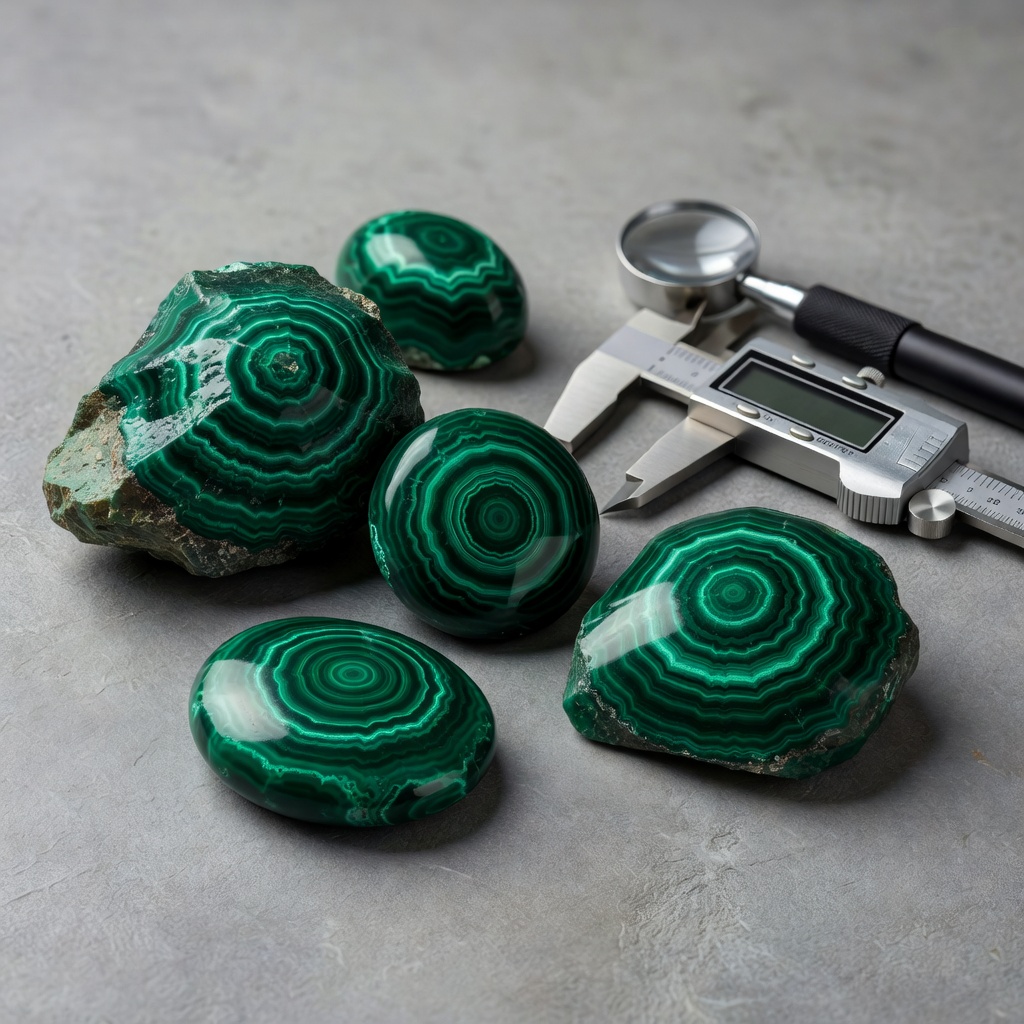
The distinctive concentric rings that characterize fine malachite result from the mineral's formation in copper deposits over thousands of years, creating unique fingerprints that no two specimens share. Premium valuations target stones exhibiting bold, well-defined banding with minimal blurring between color zones, particularly those displaying the desirable "bull's eye" patterns. Dull, uniform green coloring without structural variation typically indicates lower-grade material or excessive treatment, significantly reducing both aesthetic appeal and monetary value.
Natural Versus Treated Material Distinctions
Stabilization processes, while making malachite more durable for jewelry applications, fundamentally alter the stone's natural properties and typically reduce values by 40-60%. Natural specimens retain the subtle surface irregularities and specific gravity characteristics that collectors prize, whereas stabilized material often appears overly uniform and feels slightly plastic-like when handled. When building a serious collection, prioritize dealers who explicitly disclose treatment statuses and provide documentation for high-value untreated pieces.
Malachite Price Per Carat and Gram Breakdown
Understanding malachite price per carat structures requires familiarity with both metric systems commonly used in the trade, as bulk rough material typically sells by the kilogram or gram, while finished gemstones use carat measurements. Entry-level commercial grade malachite suitable for basic jewelry or educational collections generally ranges from $2 to $10 per gram, translating to approximately $0.40 to $2 per carat given that one gram equals five carats. Mid-grade collector specimens featuring quality banding patterns and minimal matrix inclusions command between $20 and $80 per gram, representing the sweet spot for serious hobbyists seeking display-worthy pieces.
Premium museum-grade specimens with exceptional color saturation, large size, and rare formations can fetch $100 to $500+ per gram, particularly when sourced from depleted historic mines. When calculating raw malachite cost versus finished goods, remember that lapidary processing typically yields only 20-30% of the original rough weight, explaining why cut cabochons command significantly higher per-gram prices than rough material. Smart buyers always request weight specifications in both grams and carats to accurately compare pricing across different vendors and product categories.
Commercial Grade Pricing Tiers
Mass-market malachite beads and small cabochons dominate the entry-level segment, offering accessible price points for jewelry makers and casual collectors. These pieces typically feature stabilized material with acceptable but not exceptional banding, making them ideal for fashion jewelry where durability matters more than investment potential. When purchasing at this level, focus on structural integrity and setting quality rather than expecting significant appreciation in value.
Investment-Grade Specimen Valuations
High-end collectors target specimens exceeding 100 grams with perfect structural integrity and provenance documentation from specific mines like those in the Democratic Republic of Congo. These pieces often appreciate independently of the broader gemstone market, following the scarcity curves of fine art rather than commodity pricing. Auction records from houses specializing in mineral specimens provide the most accurate benchmarks for this elite category, with exceptional pieces occasionally exceeding $1,000 per gram.
Raw vs. Polished Malachite: Cost Comparison
The decision between purchasing raw malachite cost options versus finished pieces involves weighing aesthetic preferences against budget constraints and intended use. Rough malachite specimens, particularly those showing matrix combinations with azurite, chrysocolla, or native copper, often appeal to mineral collectors who value natural crystal formations over processed appearances. These raw pieces typically cost 40-60% less than equivalent weight in polished cabochons, offering budget-conscious collectors greater material volume for their investment.
Professional cabochon cutting and polishing adds significant value through skilled labor, with master lapidaries charging $30-$100 per hour depending on complexity and risk factors involved in working with malachite's relative softness (3.5-4 on the Mohs scale). Carved malachite sculptures, vases, and decorative objects command additional premiums based on artistic merit, with intricate pieces by recognized lapidary artists fetching prices disproportionate to material weight. When evaluating polished pieces, examine the quality of the finish carefully, as poorly executed polishing can trap grit in surface pores or create uneven contours that diminish both beauty and natural malachite value.
Matrix Combinations and Rough Specimens
Rough malachite embedded in host rock matrix often displays fascinating associations with other copper minerals, creating specimens prized for scientific and educational value. These matrix pieces provide geological context that polished cabochons cannot match, particularly when they show crystalline formations or pseudomorphs after azurite. While generally less expensive per gram than solid malachite cabochons, exceptional matrix specimens with aesthetic mineral combinations can exceed standard pricing tiers.
Lapidary Work Quality Indicators
Superior polishing on malachite should create a mirror-like surface that clearly reveals banding patterns without visible scratches or dull spots. Examine edges and girdles for chips or uneven cutting, which indicate rushed or amateur work that compromises structural integrity. High-quality lapidary work preserves maximum weight while optimizing the stone's optical properties, justifying the premium pricing that skilled cutting commands.
Malachite Jewelry Pricing Guide
Malachite jewelry pricing extends far beyond the intrinsic value of the gemstone itself, incorporating metal costs, design complexity, and brand recognition into final retail prices. Sterling silver settings typically add $50-$200 to base stone costs depending on metal weight and craftsmanship, while 14k or 18k gold mountings can increase total piece values by $300-$2,000 or more based on current precious metal markets. Designer collections from renowned houses like David Yurman or Van Cleef & Arpels command substantial premiums for malachite pieces, often pricing similar material at 500-1000% above wholesale gemstone costs due to brand equity and design exclusivity.
Bead strand assemblies represent another popular category, with pricing determined by bead size, shape uniformity, and banding consistency throughout the strand. High-quality malachite beads measuring 8-10mm with matching patterns typically retail for $80-$300 per strand, while graduated necklaces or complex woven designs incorporating multiple gemstones reach into the thousands. Vintage and antique malachite jewelry carries additional premiums based on historical provenance, with Art Deco pieces from the 1920s and Russian imperial-era carvings representing particularly sought-after categories that appreciate independently of raw material values.
Metal Setting Impact Analysis
The choice between silver and gold settings significantly affects not only initial purchase price but also long-term maintenance and resale considerations. While silver provides an affordable complement to malachite's green tones, it requires frequent polishing to prevent tarnish that can temporarily stain the porous stone surface. Gold settings, though more expensive initially, offer superior protection and typically maintain better resale values, particularly in 18k formulations that resist scratching and deformation.
Designer Versus Mass Production Valuations
Handcrafted artisan jewelry featuring malachite typically commands 40-60% premiums over mass-produced imports due to unique settings and ethical sourcing transparency. However, celebrity-endorsed designer pieces may carry markups exceeding 1000%, making them poor investments despite their aesthetic appeal. When purchasing for investment purposes, prioritize pieces where the malachite itself represents the majority of value rather than the setting or brand name.
Rare Varieties: Azurite-Malachite and Stalactites
The most spectacular and valuable malachite varieties command prices that dwarf standard material, creating distinct submarkets for specialized collectors. Azurite malachite price premiums reflect the rarity of specimens displaying distinct blue azurite crystals intergrown with green malachite matrix, particularly those from Arizona's Bisbee district or select Congolese localities. These hybrid specimens can reach $200-$1,000 per carat for exceptional pieces with sharp color contrast and crystalline definition, representing the pinnacle of copper carbonate collectibility.
Botryoidal "velvet" malachite formations, characterized by tiny crystalline structures creating a shimmering, fabric-like surface, command significant premiums over standard banded material. Stalactite cross-sections, particularly slices exceeding six inches in diameter displaying perfect concentric rings, represent another high-value category with prices ranging from $500 to $10,000+ depending on size and pattern perfection. Collector specimen rarity indices maintained by mineralogical societies track these exceptional pieces, with documented provenance from depleted mines adding substantial historical premiums to already rare material.
Azurite-Malachite Hybrid Specimens
The striking contrast between azurite's royal blue and malachite's forest green creates visually arresting specimens that serve as centerpieces for serious collections. Premium pricing correlates directly with the distinctness of the color boundary and the presence of crystalline azurite rather than massive formations. Specimens from the Congo showing secondary malachite replacement of primary azurite crystals particularly fascinate collectors, as they illustrate the geological transition between these related copper minerals.
Stalactite and Botryoidal Formations
Malachite stalactites form over millennia in copper mine caves, creating elongated formations that display spectacular concentric rings when sliced perpendicular to their growth axis. Complete uncut stalactites rarely appear on the market, but cross-sectional slices make stunning display pieces that command prices based on diameter, ring clarity, and polish quality. Botryoidal specimens with their velvety luster require specialized cleaning and display considerations to preserve their delicate surface structures, justifying the premium prices they command.
Geographic Origins and Mining Source Impacts
Provenance significantly influences natural malachite value, with specimens from certain localities commanding automatic premiums based on color quality and historical significance. The Democratic Republic of Congo currently produces the finest gem-quality malachite, with material from the Katanga Province exhibiting the deep, saturated green tones and tight banding patterns most prized by collectors. Zambian malachite often displays lighter, more variegated coloring suitable for decorative objects, while Australian specimens frequently show unique associations with other minerals that appeal to specialist collectors.
Russian malachite, particularly from the historically significant Ural Mountains deposits now largely depleted, carries substantial premiums based on scarcity and imperial historical associations. Ethical mining certifications increasingly impact pricing structures, with Fair Trade and environmentally responsible extraction practices adding 15-25% to base material costs while ensuring sustainable community support. When evaluating vintage pieces, documentation proving origin from specific depleted mines like Russia's Mednorudyanskoye or Arizona's Bisbee can multiply values several times over equivalent quality contemporary material.
Congo Material Premiums
Katanga Province malachite sets the global standard for gem quality, characterized by intense color saturation and fine, regular banding patterns rarely matched by other sources. Modern export restrictions and mining challenges have tightened supply chains, driving prices upward for quality rough material from this region. Collectors specifically seek Congo material for investment-grade purchases, recognizing its superior stability and colorfastness compared to material from secondary sources.
Historic Mine Provenance Values
Specimens from mines closed decades or centuries ago, such as Russia's legendary Ural Mountain deposits that supplied the Tsar's courts, exist in finite quantities that appreciate as collector demand grows. Documentation proving such provenance requires careful chain-of-custody records or distinctive mineralogical characteristics unique to specific localities. These historical pieces often trade within specialized collector networks rather than open markets, with prices established through private negotiations rather than standard retail structures.
Authentication and Quality Verification
Protecting investments in malachite value factors requires vigilant authentication practices, as the market suffers from significant misrepresentation regarding treatments and synthetic substitutes. Synthetic malachite, manufactured in laboratories for industrial applications, occasionally enters the decorative stone market, displaying overly perfect banding patterns and uniform coloration that distinguish it from natural material. Plastic resins and dyes used to enhance low-quality rough material create simulants that fool casual observers but lack the specific gravity, hardness, and thermal properties of genuine malachite.
Quality grading systems ranging from Grade A (acceptable commercial quality with minor treatments) to AAA (exceptional natural material with perfect patterns) help standardize evaluations, though these designations lack universal regulatory oversight. For purchases exceeding $500, insist on certification from recognized gemological laboratories such as GIA (Gemological Institute of America) or IGI (International Gemological Institute), which can identify treatments and confirm natural origin. Simple home tests, including checking for cold thermal conductivity (plastic feels warm, stone feels cold) and examining banding under 10x magnification for natural irregularities, provide preliminary screening against obvious simulants.
Synthetic and Treated Stone Identification
Manufactured malachite typically shows banding that appears painted on rather than structurally integrated, with colors that seem to float on the surface rather than penetrate the material. Dyed stones may show color concentrations in fractures or porous areas, visible as darker lines when examined with a loupe. Professional spectroscopic analysis remains the only definitive method for detecting sophisticated treatments, justifying certification costs for significant investments.
Quality Grade Classifications
Grade A material represents stabilized commercial quality suitable for fashion jewelry, while AA indicates better color and minimal treatment. AAA grade reserved for untreated specimens with exceptional patterns should command prices three to five times higher than Grade A material. Understanding these distinctions prevents overpayment for commercial-grade pieces misrepresented as collector quality.
Investment Potential and Market Outlook
High-quality natural malachite has demonstrated consistent appreciation trends over the past decade, with fine specimens showing annual value increases of 5-8%, outperforming many traditional savings instruments while providing tangible aesthetic enjoyment. This Malachite Price Guide analysis indicates that investment-grade material, particularly from depleted sources or showing exceptional characteristics, maintains liquidity within specialized collector markets even during broader economic downturns. Unlike precious metals or diamonds, malachite benefits from relatively stable supply constraints, as significant new discoveries of fine material remain rare and existing mines face increasing environmental and political challenges.
Storage considerations significantly impact long-term investment values, as malachite's relative softness and chemical sensitivity require careful handling away from acidic environments and potential physical impacts. Insurance riders for mineral collections should specifically cover accidental damage and theft, with appraisals updated every three to five years to reflect market appreciation. Portfolio diversification benefits include malachite's low correlation with stock market fluctuations, providing stability during volatile economic periods while offering the psychological benefits of owning beautiful natural objects.
Historical Appreciation Trends
Analysis of auction records from major houses like Heritage Auctions and Bonhams reveals steady price escalation for fine malachite specimens over the past fifteen years, with rare varieties showing compound annual growth rates exceeding 10%. While commercial jewelry pieces show minimal appreciation due to market saturation, museum-grade specimens function similarly to fine art, with values driven by rarity and collector demand rather than commodity pricing.
Liquidity and Resale Considerations
Converting malachite collections back to cash requires access to appropriate sales channels, including mineral shows, specialized auction houses, and collector networks. High-value pieces may require six to twelve months to locate appropriate buyers, unlike gold or diamonds that offer immediate liquidity. Building relationships with reputable dealers who offer consignment services provides the most reliable exit strategy for significant collections.
Smart Buying Strategies and Final Recommendations
Timing purchases strategically can significantly impact malachite price per carat expenditures, with major mineral shows like the Tucson Gem and Mineral Show or Munich Mineral Show offering 20-30% discounts below retail pricing as dealers seek to avoid shipping unsold inventory home. Developing relationships with direct importers or lapidary artists through platforms like Instagram or specialized forums often yields better values than retail purchases, though requiring greater due diligence regarding authenticity. When negotiating private sales, knowledge of current market rates empowers buyers to recognize fair pricing, while cash payments often secure additional 10-15% discounts from motivated sellers.
Red flags indicating overpriced or misrepresented specimens include vague origin descriptions, refusal to provide treatment disclosures, prices significantly below market rates (suggesting synthetic material), and high-pressure sales tactics claiming imminent price increases. Building a quality collection within budget constraints requires prioritizing fewer high-quality pieces over numerous mediocre specimens, as a single exceptional 50-gram specimen typically appreciates better than ten average 5-gram pieces. Focus initial purchases on classic banded malachite from established sources before exploring exotic varieties, ensuring a solid foundation of universally recognized quality before specializing.
Mineral Show Season Timing
The international mineral show calendar creates predictable pricing fluctuations, with the best deals typically available during the final days of major exhibitions when travel costs motivate dealers to reduce inventory. January through February represents prime buying season in Tucson, Arizona, where thousands of vendors converge, creating competitive pricing pressure. Budget-conscious collectors should plan major acquisitions during these windows while using online research during off-seasons to establish target prices.
Building Collections Within Budget Constraints
Beginning collectors should allocate 70% of their budget to one or two exceptional specimens rather than dispersing funds across numerous small pieces of questionable quality. Intermediate collectors benefit from specializing in specific categories, such as Congo material or Arizona azurite-malachite, developing expertise that identifies undervalued pieces within their niche. Regardless of budget, maintain detailed records of purchases including vendor information, prices paid, and any treatment disclosures to support future valuations and insurance claims.
Frequently Asked Questions
How much is malachite worth per carat in 2024?
Malachite typically ranges from $0.50 to $5 per carat for commercial grade, while high-quality specimens with distinct banding can command $10-$50 per carat. Rare formations like azurite-malachite or stalactite slices may reach $100+ per carat depending on size and pattern quality. Remember that carat pricing usually applies to cut gemstones, while rough material and decorative objects typically sell by the gram, requiring conversion calculations (1 gram = 5 carats) when comparing different product categories.
What makes some malachite pieces more expensive than others?
The most expensive malachite features vivid, contrasting green banding patterns, large intact specimens without fractures, rare formations like velvet or botryoidal structures, and provenance from premium mines in the Congo. Treatment-free natural specimens always command higher prices than stabilized or dyed material. Additionally, historical significance, such as specimens from depleted Russian imperial mines, can multiply values regardless of intrinsic material quality.
Is raw malachite cheaper than polished cabochons?
Generally yes, raw malachite costs 40-60% less than professionally cut cabochons due to labor and material loss during cutting. However, exceptional raw specimens with unique matrix combinations or crystal formations can exceed the value of standard polished pieces, particularly among mineral collectors. The decision between raw and polished ultimately depends on intended use, with rough material appealing to specimen collectors while cabochons serve jewelry applications better.
How can I tell if malachite pricing is fair when buying?
Compare prices across multiple reputable dealers, examine banding pattern clarity under magnification, verify the stone is untreated through certification for expensive pieces, and calculate price per gram to standardize comparisons. Be wary of prices significantly below market rates, which often indicate synthetic or dyed material. Establish relationships with established dealers who provide detailed provenance information and fair return policies.
Does malachite increase in value over time?
High-quality natural malachite has shown steady appreciation of 5-8% annually over the past decade, particularly specimens from depleted mines. While not as volatile as precious gems, collectible malachite maintains value well, though commercial-grade jewelry pieces may not appreciate significantly due to market saturation. Investment potential correlates directly with quality, rarity, and documentation, making proper authentication essential for value retention.
Where is the best place to buy malachite for competitive prices?
Mineral and gem shows offer the best prices for collectors (20-30% below retail), followed by direct purchases from lapidary artists on specialized platforms. Avoid tourist shops and general jewelry chains where markups reach 300-500%. Online marketplaces work for small purchases, but require careful authentication verification and should be supplemented with independent appraisals for significant investments.
What is the most expensive type of malachite available?
Azurite-malachite combinations from Arizona or the Congo command the highest prices, particularly specimens showing distinct blue azurite crystals on green malachite matrix. Additionally, large malachite stalactite cross-sections over 10 inches diameter with perfect concentric rings can sell for $10,000+ at specialty auctions. Russian imperial-era carved pieces from depleted Ural Mountain mines also reach premium prices due to historical significance and extreme scarcity.