Understanding Malachite's Unique Physical Properties
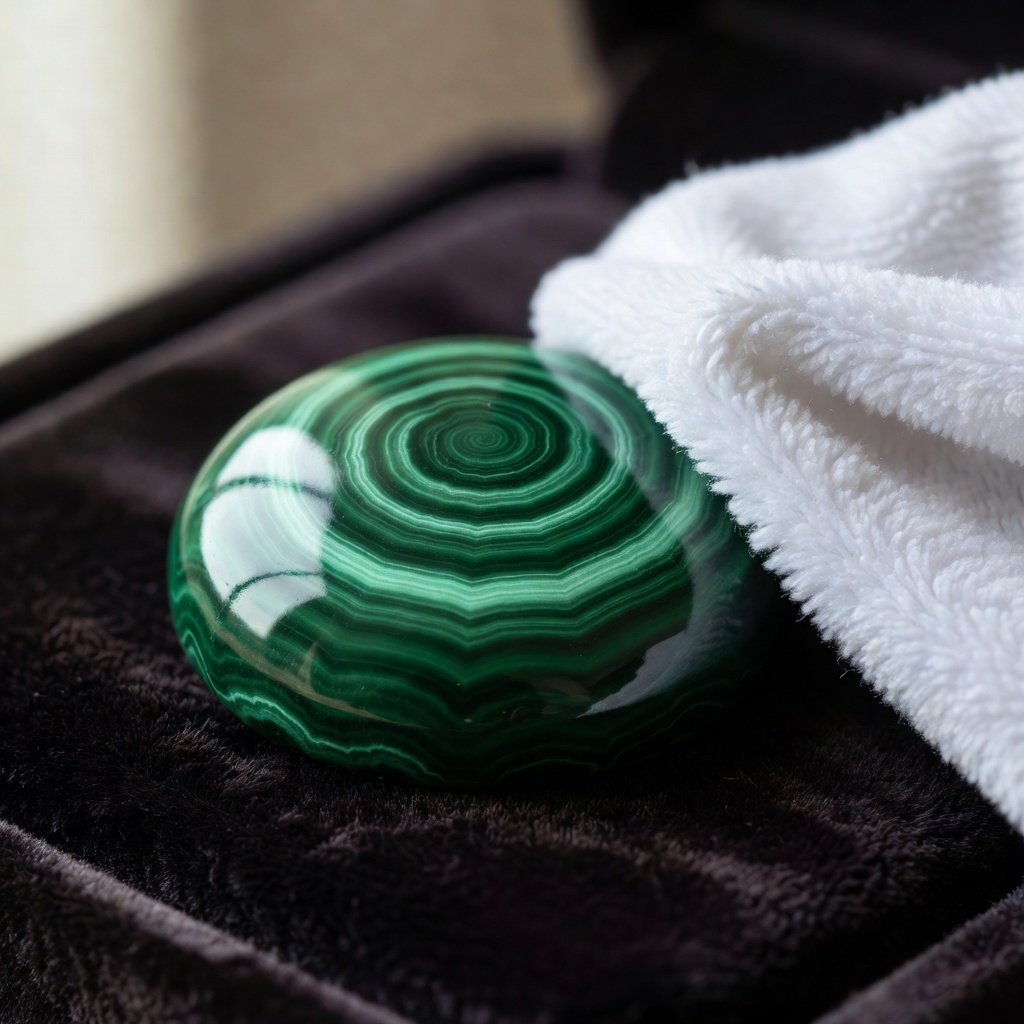
Before diving into specific care routines, understanding the fundamental characteristics of this striking green stone is essential for preserving its beauty. Malachite is a copper carbonate hydroxide mineral, which means its chemical composition makes it particularly reactive to environmental factors that wouldn't affect harder gemstones. This copper-based structure gives malachite its distinctive banded appearance ranging from light to dark green, but it also creates specific vulnerabilities that owners must respect to prevent permanent damage. Recognizing these inherent properties forms the foundation of proper malachite care and cleaning practices.
The Mohs hardness rating of malachite falls between 3.5 and 4, placing it among the softer stones used in jewelry and decorative arts. For comparison, this means malachite is softer than common household items like a steel nail or window glass, making it susceptible to scratches from everyday contact. This relatively low hardness also means the stone possesses perfect cleavage in one direction, creating internal planes where the material can fracture under stress. When handling malachite specimens or jewelry, always remember that even minor impacts against hard surfaces can cause chipping or cracking that detracts from the stone's value and appearance.
Porosity represents another critical consideration in malachite stone maintenance, as the stone contains microscopic channels that can absorb liquids and chemicals. This porous nature makes malachite extremely sensitive to acids, including mild acids found in household cleaning products, citrus fruits, and even perspiration. Additionally, prolonged exposure to heat can cause dehydration of the mineral structure, potentially leading to cracking or color fading, while extended water contact may weaken the stone's integrity over time. Understanding these physical limitations helps explain why gentle, controlled cleaning methods are non-negotiable for preserving malachite's distinctive banded patterns and vibrant green coloration.
Essential Tools and Supplies for Safe Cleaning
Proper malachite cleaning tools make the difference between maintaining a brilliant specimen and accidentally causing irreversible damage. Start by assembling a dedicated cleaning kit that includes several soft, lint-free microfiber cloths specifically reserved for your malachite pieces. Natural bristle brushes, such as those made from goat hair or soft camel hair, prove invaluable for removing dust from intricate carvings or rough specimens without scratching the surface. Avoid synthetic brushes or anything labeled as "stiff-bristled," as these can create microscopic scratches that accumulate over time and dull the stone's natural luster.
Water quality plays a surprisingly significant role in safe cleaning supplies for malachite care. Always use lukewarm distilled water rather than tap water, as municipal water supplies often contain minerals, chlorine, and fluoride that can deposit residue within malachite's porous structure. These mineral deposits not only cloud the surface but can also trigger chemical reactions with the copper content over time. Keep a dedicated spray bottle filled with distilled water for your cleaning routine, ensuring you never accidentally use hard tap water or hot water that could cause thermal shock to the stone.
When selecting cleaning agents, choose pH-neutral mild soaps such as unscented castile soap or specialized stone soaps formulated for delicate minerals. Commercial jewelry cleaners, even those marketed as "gentle" or "all-purpose," typically contain ammonia, alcohol, or other solvents that can etch malachite's surface or strip protective finishes. Similarly, avoid dish soaps containing degreasers, antibacterial agents, or moisturizers, as these additives can leave filmy residues that attract dust and diminish the stone's natural shine. A simple solution of one drop of mild soap per cup of distilled water provides sufficient cleaning power without risking chemical damage to your valuable specimens.
Step-by-Step Daily Malachite Cleaning Process
Implementing a consistent daily care routine prevents the buildup of oils and debris that can permanently stain malachite's porous surface. Begin the malachite cleaning steps by performing dry dusting using a soft natural bristle brush, working gently in circular motions to lift away surface particles. For jewelry pieces, pay special attention to the back of cabochons and underneath bezels where skin oils and lint tend to accumulate. This dry method should constitute your primary cleaning approach after each wearing or handling, as it removes contaminants without introducing moisture that could seep into microscopic fractures.
When visible smudges or fingerprints require more than dry dusting, employ the damp cloth method using minimal water contact. Lightly mist a microfiber cloth with distilled water—never spray water directly onto the stone—and gently wipe the surface using smooth, linear motions rather than circular scrubbing. For how to clean malachite effectively without risking water damage, ensure the cloth is merely damp, not wet, and avoid pressing hard against the surface. This technique works particularly well for polished cabochons in jewelry settings or smooth display specimens that have accumulated atmospheric dust and handling oils.
Proper air-drying procedures prove just as critical as the cleaning itself to prevent moisture-related damage. After wiping with a damp cloth, immediately follow with a dry microfiber cloth to remove any residual moisture, then place the malachite in a well-ventilated area away from heat sources, direct sunlight, or drafts. Never use hair dryers, heat lamps, or place malachite on radiators to speed drying, as rapid temperature changes can cause internal fracturing. The recommended cleaning frequency varies based on usage: jewelry worn regularly benefits from light dusting after each use and damp cleaning monthly, while display pieces typically require only quarterly maintenance unless housed in particularly dusty environments.
Deep Cleaning Methods for Stubborn Grime
Occasionally, malachite specimens accumulate stubborn grime in crevices or develop a dull film that requires more intensive intervention than daily maintenance provides. For deep cleaning malachite safely, create a diluted solution using one part pH-neutral mild soap to twenty parts lukewarm distilled water. Dip a soft cloth into this solution and wring it until barely damp, then gently wipe the stone's surface without saturating any porous areas or matrix material. This approach effectively removes accumulated oils and environmental pollutants while maintaining the chemical integrity of the copper carbonate structure.
Cleaning carved malachite or specimens with natural matrix requires additional patience and specialized technique due to intricate details and surface variations. Use a soft natural bristle brush dipped in the diluted soap solution to gently work into crevices and undercuts where dirt accumulates, taking care not to scrub aggressively against the soft stone. For specimens with crystalline formations or rough surfaces, hold the piece under gently running distilled water for no more than a few seconds, immediately followed by careful blotting with absorbent cloths. Never submerge malachite completely or allow water to pool in carved depressions, as trapped moisture can lead to internal deterioration or copper oxidation that appears as dark spots.
Drying protocols following deep cleaning must address potential moisture trapped within fractures or matrix cavities. After surface drying with cloths, place the malachite on a clean, dry towel in a room-temperature environment with good air circulation for at least 24 hours before returning it to storage or display cases. For valuable specimens or those with visible internal fractures, consider consulting professional lapidary cleaning services who possess specialized equipment to safely remove deep-seated dirt without risking structural damage. These professionals can also assess whether the stone requires stabilization treatments to prevent future contamination of porous areas.
Specialized Care for Malachite Jewelry
Jewelry settings introduce additional complexities to malachite care and cleaning that require specific attention to metal components and wear patterns. Before beginning any cleaning procedure, carefully examine prongs, bezels, and clasps to ensure settings remain secure, as the cleaning process itself can dislodge loose stones. After cleaning, perform this inspection again, paying particular attention to malachite rings where daily wear subjects both the stone and setting to mechanical stress. If you notice any wobbling or gaps between the stone and metal, discontinue wearing the piece immediately and consult a jeweler to prevent loss or further damage during subsequent cleaning attempts.
Protecting malachite from cosmetics, lotions, and perfumes represents a crucial aspect of malachite jewelry cleaning and long-term preservation. Always apply beauty products, hairspray, and perfume before putting on malachite jewelry, allowing these substances to dry completely before contact with the stone. The alcohols, acids, and oils present in these products can etch the malachite surface or cause permanent discoloration, particularly along edges and high-contact points. When storing jewelry overnight, wipe pieces with a soft cloth to remove any residual skin oils or product transfer that occurred during wearing.
Specific care considerations for malachite beads and stringing materials prevent catastrophic loss of valuable strands. Silk and nylon threads can weaken over time when exposed to the copper residues present in malachite dust, necessitating regular inspection of bead necklaces and bracelets for fraying. When cleaning malachite bead jewelry, avoid immersing the entire strand in water, as moisture can deteriorate the thread and promote metal clasp corrosion. Instead, clean beads individually while supporting the strand, and plan for professional restringing every 12 to 18 months for frequently worn pieces to prevent breakage and bead loss.
Proper Storage and Environmental Control
Implementing appropriate malachite storage tips extends beyond simply placing stones in a jewelry box to encompass environmental factors that affect long-term stability. Wrap each piece individually in acid-free tissue paper or place within soft cloth pouches made from unbleached cotton or velvet to prevent surface abrasion and minimize contact with reactive materials. Avoid storing malachite in plastic bags or containers, as plastics can off-gas chemicals over time that may react with the copper content, potentially altering the stone's vibrant green coloration. For display specimens, consider archival-quality display cases with inert padding materials that provide both protection and aesthetic presentation.
Physical separation from other gemstones prevents accidental scratching and abrasion damage. Always store malachite separately from harder gemstones such as diamonds, sapphires, rubies, and even quartz, which can scratch the relatively soft malachite surface merely through contact in a jewelry box drawer. Implement a storage system using individual compartments, soft cloth rolls, or dedicated trays that keep malachite pieces isolated from each other and from metal jewelry that might cause impact damage. This separation strategy proves particularly important for malachite preservation in collections containing mixed gemstones of varying hardness levels.
Environmental control regarding humidity and light exposure significantly impacts malachite longevity and appearance. Maintain moderate humidity levels between 40-50% to prevent the copper content from oxidizing, which can cause darkening or blackening of the stone surface over time. Excessive dryness may lead to dehydration cracking, while high humidity promotes copper carbonate reactions. Additionally, limit light exposure to preserve the vibrant green banding characteristic of high-quality malachite; prolonged direct sunlight can fade the color intensity, particularly in thin slices or translucent specimens used in stained glass applications or backlit displays.
Critical Mistakes to Avoid During Cleaning
Understanding what not to do with malachite proves equally important as knowing proper cleaning techniques, as certain common practices can cause instantaneous and irreversible damage. Never subject malachite to ultrasonic cleaning machines, regardless of how convenient this method seems for other jewelry. The intense ultrasonic vibrations create stress waves that exploit malachite's perfect cleavage and internal fracture planes, potentially causing visible cracks to expand or creating new internal damage that compromises the stone's structural integrity. Even if the stone appears undamaged immediately after ultrasonic cleaning, microscopic internal fracturing may have occurred that weakens the specimen over time.
Steam cleaning represents another prohibited technique that subjects malachite to dangerous thermal shock and moisture infiltration. The combination of high heat and pressure forces water vapor into porous areas and microscopic fractures, where condensation can later cause internal cracking or promote chemical reactions within the copper carbonate structure. Similarly, avoid using acidic household cleaners including vinegar, lemon juice, or bleach, which react violently with the basic copper carbonate composition of malachite. These substances can etch the surface, remove polish, and create pitting that permanently mars the stone's appearance.
Abrasive scrubbing tools such as toothbrushes, scouring pads, or polishing compounds designed for harder stones will scratch malachite's relatively soft surface, creating a network of microscopic abrasions that dull the luster. Even "soft" toothbrushes contain synthetic bristles that are too aggressive for this 3.5-4 Mohs hardness material. Among the most critical malachite cleaning mistakes is the assumption that harder cleaning methods produce better results; in reality, the gentlest approach yields the best preservation of this delicate mineral's natural beauty and value.
Safety Protocols: Understanding Malachite Toxicity
While polished malachite jewelry poses minimal risk to wearers, understanding malachite toxicity safety becomes crucial when cleaning rough specimens, handling raw material, or performing maintenance that creates dust. Malachite contains significant copper content in the form of copper carbonate hydroxide, which can be toxic if inhaled as dust or ingested. Polished and sealed specimens present minimal hazard during normal handling, but cutting, grinding, or sanding malachite releases copper-bearing particles that can irritate respiratory systems and cause serious health issues with prolonged exposure. Always treat raw or rough malachite with the same caution you would apply to any toxic mineral specimen.
When cleaning rough or dusty malachite, particularly specimens with exposed matrix or crystalline formations, wear appropriate respiratory protection such as an N95 mask or respirator rated for fine particulates. Work in well-ventilated areas or outdoors to prevent the accumulation of airborne copper carbonate dust. After handling malachite specimens, especially raw material or carved pieces with unpolished areas, wash your hands thoroughly with soap and water before eating, smoking, or touching your face. This precaution prevents accidental ingestion of copper compounds that can cause gastrointestinal distress or more serious systemic effects with repeated exposure.
Safe disposal of malachite cleaning water and dust requires environmental consciousness due to the copper content. Never pour water used for cleaning rough malachite down household drains where it can contaminate water systems; instead, collect this water in sealed containers and dispose of it according to local hazardous waste guidelines. Similarly, dust collected from brushing or cleaning malachite should be contained in sealed bags rather than released into household vacuum systems where it can become airborne again. For handling malachite safely in collections, consider displaying rough specimens under glass domes or in sealed cases that minimize dust accumulation and reduce the frequency of cleaning required.
Restoring Luster and Professional Polishing
Over time, even well-cared-for malachite may develop a dull appearance due to microscopic surface scratches, accumulated skin oils, or environmental film buildup. For temporary enhancement of appearance, apply a tiny amount of mineral oil using a soft cloth, buffing gently to restore the deep green glow and make banding more visible. This malachite polishing technique provides immediate visual improvement but requires reapplication every few weeks as the oil gradually evaporates or wipes away during handling. Use only pure mineral oil without additives, fragrances, or vitamins, as these additional ingredients can react with the stone surface or turn rancid over time.
Professional buffing versus DIY polishing presents significant risk considerations for malachite owners. While tempting to attempt restoration using jeweler's rouge or commercial polishing compounds, improper technique can round edges, remove material unevenly, or generate excessive heat that damages the stone. Professional lapidaries possess the specialized equipment, including soft wheels and proper speed controls, necessary to restore malachite shine without causing thermal shock or removing excessive material. They can also assess whether the stone has been treated with stabilizing resins that might react poorly to heat or pressure during polishing.
Addressing dullness caused by skin oils and environmental contaminants requires identifying the source before attempting restoration. If dullness results from surface contamination rather than physical abrasion, gentle cleaning with pH-neutral soap often restores appearance without aggressive polishing. However, when the surface has sustained significant scratching from wear, professional repolishing becomes necessary. Recognizing when repolishing requires professional intervention involves assessing the depth of scratches and the value of the piece; deep scratches or valuable antique pieces warrant expert attention to preserve integrity and value, while minor surface clouding on inexpensive pieces might benefit from simple oil treatment.
Long-Term Maintenance Schedule
Establishing a consistent malachite maintenance schedule ensures that small issues receive attention before developing into serious problems requiring costly restoration. Implement a monthly inspection checklist for malachite jewelry that includes examining settings for looseness, checking for new surface scratches or chips, and assessing any color changes that might indicate chemical exposure or oxidation. For display specimens, monthly checks should focus on dust accumulation, environmental changes in the display area, and the condition of supporting stands or mounts. Document these inspections in a logbook noting the date, condition observations, and any cleaning performed.
Annual professional assessment by a qualified gemologist or lapidary provides expert evaluation of valuable specimens and frequently worn jewelry. These professionals can identify early signs of structural weakness, recommend stabilization treatments for deteriorating pieces, and perform deep cleaning using techniques unavailable to collectors. For museum-quality specimens or investment-grade malachite, consider professional evaluation every six months to ensure optimal preservation conditions. This proactive approach to long-term malachite care often prevents the irreversible damage that occurs when problems go unnoticed for extended periods.
Documentation of cleaning dates and any treatments applied creates a valuable history for insurance purposes and future sale considerations. Maintain records of when pieces were cleaned, what methods were used, and whether professional services were employed, as these details affect valuation and authentication. Additionally, establish restringing schedules for malachite bead necklaces and bracelets before visible wear appears; plan to restring silk-threaded pieces annually and nylon-threaded pieces every 18-24 months depending on wear frequency. This preventive maintenance schedule protects not only the stones themselves but also the investment value of your entire malachite collection.
Frequently Asked Questions
Can I use water to clean my malachite stone?
Yes, but with extreme caution. Use only lukewarm distilled water briefly with a damp soft cloth, then dry immediately. Never soak malachite or leave it wet, as prolonged water exposure can damage the stone's porous structure and cause discoloration.
Is malachite toxic to touch or wear as jewelry?
Finished, polished malachite jewelry is generally safe to wear and handle. However, raw malachite dust contains copper carbonate which can be toxic if inhaled or ingested. Always wash your hands after handling rough specimens, and avoid creating dust when cleaning unpolished pieces.
Can I put malachite in an ultrasonic cleaner?
Absolutely not. Malachite has perfect cleavage and internal fractures that make it vulnerable to ultrasonic vibrations. The intense vibrations can cause existing fractures to expand or create new internal cracks, permanently damaging your stone.
Why is my malachite losing its shine and becoming dull?
Dullness usually results from accumulated skin oils, soap residue, or exposure to cosmetics and household chemicals. The soft surface (3.5-4 Mohs) can also accumulate microscopic scratches that reduce luster. A gentle cleaning with mineral oil can temporarily restore shine, but professional polishing may be needed for deeply dulled specimens.
How should I store malachite to prevent damage?
Store malachite separately from other jewelry, especially harder gemstones like diamonds or sapphires that can scratch it. Wrap pieces individually in soft cloth or acid-free tissue, keep them in a cool, dry place away from direct sunlight, and maintain moderate humidity to prevent the copper content from oxidizing.
Can I wear malachite in the shower or while swimming?
No. Never wear malachite in showers, pools, or hot tubs. Chlorine, salt water, soaps, and temperature fluctuations can all damage the stone. Hot water can cause thermal shock, while chemicals can react with the copper carbonate composition, potentially altering the color or finish.
What should I do if my malachite gets scratched?
Do not attempt to buff or polish deep scratches yourself, as improper technique can cause more damage. Minor surface marks may be improved by a professional lapidary with proper equipment. For valuable pieces, consult a gemologist who specializes in soft stones to assess whether repolishing is safe and worthwhile.
How often should I clean my malachite jewelry?
Wipe malachite jewelry with a soft dry cloth after each wearing to remove skin oils and dust. Perform a deeper cleaning with damp cloth and mild soap only when visibly dirty, typically every 1-3 months for frequently worn pieces, or every 6 months for display items. Over-cleaning can be as harmful as neglect.