The Complete Malachite Buying Guide for Collectors and Jewelry Enthusiasts
Malachite has captivated civilizations for millennia with its mesmerizing green swirls and distinctive banded patterns, making it one of the most recognizable gemstones in the mineral kingdom. Whether you are seeking a statement piece for your jewelry collection or a rare specimen for your mineral cabinet, understanding the nuances of this copper carbonate mineral is essential before making an investment. This comprehensive Malachite Buying Guide will equip you with the knowledge needed to evaluate quality, identify authentic specimens, and navigate the marketplace with confidence. From recognizing high-quality malachite to understanding malachite price per carat fluctuations, every aspect of acquiring this beautiful but delicate stone requires careful consideration.
Understanding Malachite: Formation and Key Characteristics
Malachite forms through the weathering of copper ore deposits in the upper oxidized zones of copper mines, creating one of nature's most striking copper carbonate hydroxide minerals over thousands of years. This geological process occurs when carbonated water percolates through copper-bearing rocks, gradually depositing layers of copper carbonate that build up into the characteristic banded formations we recognize today. The distinctive malachite stone properties include its vibrant green coloration ranging from light to dark forest green, often displaying chatoyancy effects that create an almost silky luster when polished. Understanding malachite formation helps collectors appreciate why certain specimens command premium prices, as the specific geological conditions required for high-quality banding are relatively rare and occur in limited locations worldwide.
When evaluating potential purchases, remember that malachite registers only 3.5 to 4 on the Mohs hardness scale, making it significantly softer than quartz or even opal. This inherent softness means the stone is highly susceptible to scratching from everyday household dust, which typically contains microscopic quartz particles. Additionally, malachite demonstrates extreme sensitivity to acids, including mild solutions like vinegar or lemon juice, and can be damaged by heat exposure or prolonged contact with water. These physical characteristics make malachite less suitable for certain jewelry applications but contribute to its unique appeal as a display mineral and carefully worn ornamental stone.
Quality Grading: What Makes Premium Malachite
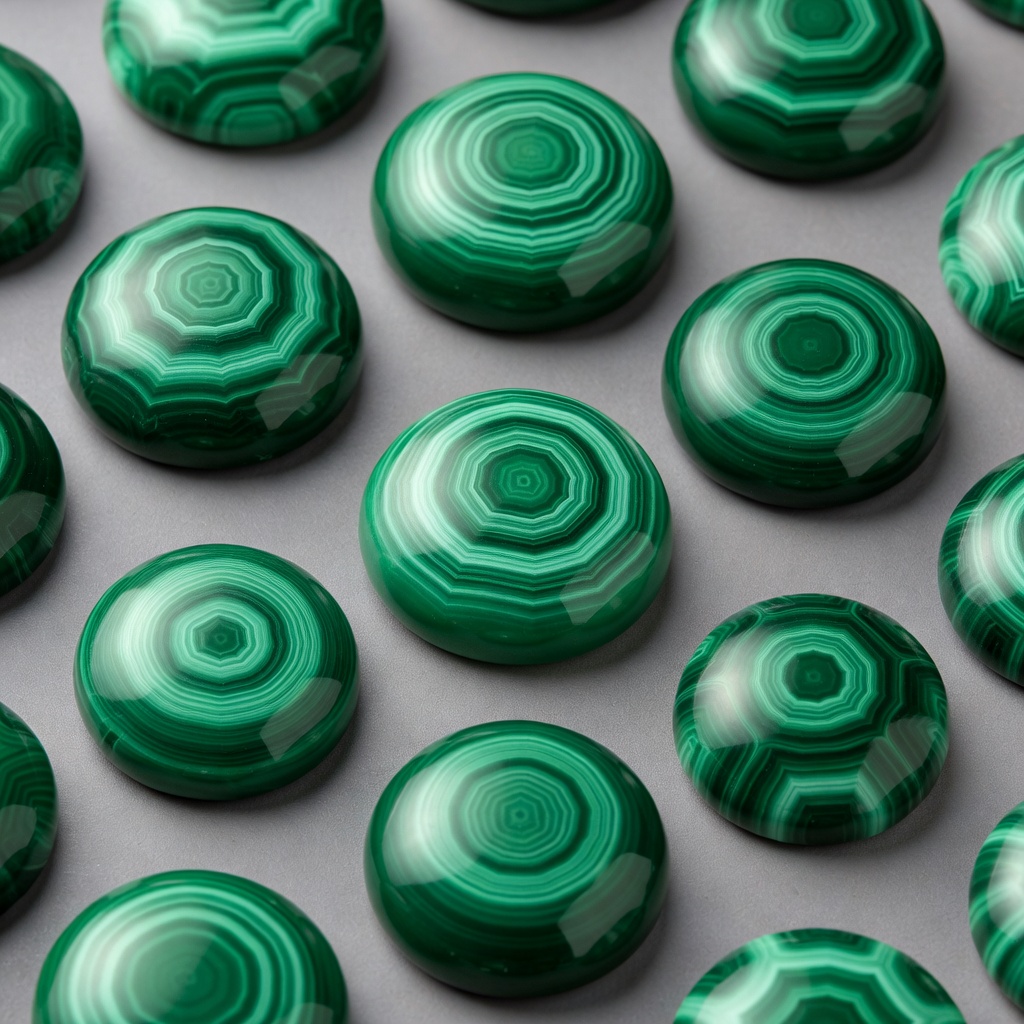
Establishing malachite quality grading standards requires examining several visual and tactile characteristics that separate museum-grade specimens from commercial material. Premium malachite exhibits deep, saturated forest green colors with intense pigmentation throughout the stone, while lower quality material may appear pale, chalky, or washed out with inconsistent color distribution. The most valuable specimens display defined, symmetrical concentric banding patterns often described as "bull's-eye," "peacock," or "flowing" designs, where alternating light and dark green bands create hypnotic visual movement across the polished surface.
Surface quality represents another critical factor in determining value, as high quality malachite should present a mirror-like polish free from cracks, pitting, or surface irregularities. When examining cabochons or carved pieces, rotate the stone under a single light source to check for consistent polish quality and absence of surface-breaking fractures that could compromise structural integrity. Top-tier specimens also demonstrate translucency at thin edges, allowing light to penetrate slightly and reveal the depth of color saturation within the stone. Buyers should expect to pay significantly more for specimens exhibiting all these characteristics simultaneously, particularly when the pattern complexity includes rare formations like simultaneous azurite inclusions.
Natural vs. Synthetic: Spotting Fake Malachite
Mastering fake malachite identification techniques has become increasingly important as sophisticated imitation materials flood the market, particularly in tourist destinations and online marketplaces. Authentic malachite displays irregular, asymmetrical banding patterns with natural variations in line width, color intensity, and spacing that never repeat perfectly, whereas synthetic versions often show mechanical precision with stripes that look too uniform and regular. When examining potential purchases, look for the subtle imperfections nature creates, including slight color bleeding between bands, microscopic inclusions, and organic flow patterns that defy perfect symmetry.
Conducting simple physical tests can help distinguish authentic malachite vs synthetic imitations made from plastic, resin, or reconstituted powder. Genuine malachite feels distinctly cold to the touch initially and carries substantial weight for its size due to its copper content and specific gravity of 3.6-4.0, while plastic fakes feel warm and noticeably lightweight. Common imitation materials include dyed banded calcite or onyx, which often shows surface color concentration in cracks, and reconstituted malachite powder mixed with resin, which lacks the depth and dimensional quality of solid natural material. Under magnification, authentic malachite reveals complex crystalline structures within the bands, whereas imitations may show air bubbles, dye concentrations, or a homogenous texture without natural mineral variation.
Color Variations and Their Impact on Value
Understanding malachite color grading is essential for assessing fair market value, as color intensity and pattern type significantly influence pricing tiers within the gemstone market. Deep forest green specimens with rich, saturated coloration command premium prices, while stones exhibiting yellowish-green, pale mint, or blue-green tones generally represent lower quality or different mineral compositions. The most valuable malachite shades feature high contrast between alternating bands, creating dramatic visual impact through sharp delineation between dark emerald and lighter grass-green zones.
Pattern rarity also affects valuation, with concentric "bull's-eye" formations typically commanding higher prices than simple parallel banding due to their visual complexity and cutting challenges. Flowing, cloud-like patterns resemble landscapes or abstract art and appeal to collectors seeking unique display pieces, while chatoyant specimens showing cat's-eye effects occur rarely and carry substantial premiums. Particularly valuable are specimens containing azurite inclusions, which create striking blue patches against the green malachite background, or chrysocolla associations that add turquoise blue tones to the matrix. These combination stones represent some of the most sought-after material in the mineral collecting world, often fetching prices several times higher than solid malachite of equivalent size.
Understanding Malachite Pricing and Market Value
Developing realistic expectations regarding malachite price per carat requires understanding the broad spectrum from commercial jewelry material to rare collector specimens. Current market trends place commercial-grade cabochons suitable for pendants and earrings between $1 to $20 per carat, depending on size and setting quality, while fine jewelry-grade material with exceptional patterning ranges from $20 to $100 per carat. Museum-quality specimens featuring rare formations, large size, or exceptional artistry in carving can exceed $500 per carat, particularly for pieces originating from depleted mines like those in the Ural Mountains of Russia.
Several malachite value factors influence these price variations beyond basic quality metrics, including geographic origin, with Russian and Zambian material historically commanding premiums over Congolese or Australian specimens. The size and thickness of the piece significantly affect value, as larger solid pieces without internal fracturing become exponentially rarer and more valuable. Craftsmanship quality in carved pieces or jewelry settings adds substantial value, with master lapidary work transforming rough material into artistic objects worth many times the raw stone value. While malachite rarely appreciates dramatically as a short-term investment, exceptional specimens from classic localities or featuring unique mineral combinations maintain steady value and liquidity among serious collectors.
Treatments and Enhancements: What Buyers Should Know
Understanding the prevalence of treated malachite and stabilized malachite stones is crucial for making informed purchasing decisions, as most commercial material undergoes some form of enhancement to improve durability and appearance. Stabilization involves impregnating porous or fractured malachite with clear resins or polymers, a common practice that prevents crumbling during cutting and wearing while maintaining the stone's natural appearance. While acceptable for jewelry applications, stabilization should always be disclosed by reputable sellers, and stabilized pieces should command lower prices than naturally solid specimens of equivalent visual quality.
Additional treatments include waxing or oiling to enhance color saturation and luster, similar to techniques used on emeralds and other porous gemstones. These temporary treatments improve surface appearance but may degrade over time or alter the stone's interaction with light. Some dealers apply surface dyes to pale material to simulate the coveted deep green of premium specimens, a practice that constitutes misrepresentation when undisclosed. When purchasing significant pieces, request documentation regarding any treatments applied, and examine stones under magnification to detect surface coatings or filled fractures that indicate enhancement beyond basic cutting and polishing.
Where to Buy Malachite: Trusted Sources and Red Flags
Knowing where to buy malachite safely requires distinguishing between established gemstone dealers with industry reputations and tourist trap vendors offering overpriced or misrepresented material. Reputable sources include established gem and mineral shows where you can examine specimens personally, certified gemologists with physical storefronts, and established online dealers providing detailed photography and return policies. Trusted malachite dealers will gladly provide origin information, treatment disclosures, and certification for high-value pieces without hesitation or defensive responses.
When evaluating potential sellers, ask specific questions about the stone's mining locality, any stabilization or dye treatments applied, and the return policy if the piece doesn't match expectations upon arrival. Red flags include vague answers about origin, refusal to provide detailed photographs showing pattern consistency throughout the stone, and pressure tactics claiming the piece is the "last one available" or from a "rare new discovery." Avoid purchasing from airport gift shops, cruise ship ports, or street vendors in mining regions, where synthetic material and heavily treated stones are routinely sold as natural high-grade specimens at inflated prices. Always verify that expensive purchases include written documentation regarding authenticity and any treatments, providing recourse if the material proves misrepresented.
Common Scams and How to Avoid Overpaying
Protecting yourself from malachite scams requires awareness of common deceptions including mislabeled "rare" varieties that don't actually exist in mineralogical literature. Be particularly wary of sellers marketing "Blue Malachite" (typically dyed calcite or amazonite), "Red Malachite" (often dyed banded onyx or jasper), or "Black Malachite" (usually psilomelane or dyed stone), as these are trade names designed to confuse buyers rather than legitimate mineral varieties. Another prevalent scam involves selling stabilized rough material at prices appropriate for naturally solid specimens, exploiting buyer ignorance about the prevalence of resin stabilization in commercial malachite.
High-pressure sales tactics frequently employ false scarcity claims, suggesting that malachite mines are closing or that particular green shades are becoming extinct to justify inflated pricing. In reality, while specific historic localities may be depleted, malachite remains relatively abundant in the current market, and sudden "limited time" offers usually indicate overpriced inventory rather than genuine opportunity. When evaluating potential malachite buying mistakes to avoid, never purchase based solely on provided certificates without understanding the issuing authority's credibility, as some disreputable dealers create fraudulent documentation. Always compare prices across multiple vendors for similar quality pieces, and remember that if a deal seems too good to be true for supposedly high-end material, the stone is likely dyed, synthetic, or misrepresented.
Caring for Your Purchase: Maintenance Essentials
Implementing proper malachite care guide protocols ensures your investment maintains its beauty for generations, given the stone's inherent chemical and physical vulnerabilities. Never expose malachite to ultrasonic cleaners, steam cleaners, or commercial jewelry dips containing ammonia or acids, as these will permanently damage the surface and potentially dissolve the stone's structure. Instead, follow proper cleaning malachite jewelry procedures using only a soft, damp cloth with mild soap if necessary, followed by immediate thorough drying to prevent water absorption into microscopic surface pores.
Storage requirements involve keeping malachite pieces separated from harder gemstones and metals that could scratch its relatively soft surface, ideally in individual soft pouches or lined jewelry boxes with compartments. Avoid storing malachite in direct sunlight or high-heat environments, as prolonged exposure can dehydrate the stone and cause surface crazing or color fading. When wearing malachite jewelry, apply cosmetics, perfumes, and hairsprays before putting on the piece to prevent chemical interactions, and remove rings or bracelets before washing hands or cleaning with household products. These precautions, while requiring mindfulness, preserve the distinctive beauty that makes malachite such a treasured addition to any collection.
Final Checklist: Making Your Malachite Purchase
Before finalizing any acquisition, consult this malachite purchase checklist to ensure you have thoroughly evaluated all critical factors for your specific intended use. For online purchases, request multiple photographs in different lighting conditions including natural daylight and indoor lighting, along with specific dimensions, weight, and video showing the stone's pattern from various angles. In-person inspections should include examination under magnification for surface integrity, verification that the stone feels cold and heavy rather than warm or plastic-like, and confirmation that banding patterns show natural irregularities rather than mechanical uniformity.
Documentation requirements should include written statements regarding the stone's natural versus synthetic origin, any stabilization or enhancement treatments applied, and the specific geographic locality if known. Set realistic expectations regarding this soft, fragile gemstone, understanding that even with careful handling, surface scratches may develop over time and require professional repolishing. Whether acquiring a modest cabochon for a pendant or an investment-grade specimen for display, approaching the purchase with educated skepticism and verified information protects both your financial investment and your appreciation for this remarkable green mineral.
Frequently Asked Questions About Buying Malachite
How can I tell if malachite is real or fake?
Real malachite exhibits irregular, complex banding patterns with variations in width and color intensity. It feels cold to the touch and heavy for its size. Fake malachite often shows perfectly uniform stripes, feels warm or plastic-like, and may have air bubbles visible under magnification.
What is a fair price range for quality malachite?
Commercial-grade malachite jewelry typically ranges from $5-$50 per carat, while high-quality specimens with exceptional banding can command $50-$200 per carat. Rare collector pieces or those with unique azurite combinations may exceed $500 per carat depending on size and artistry.
Is malachite safe to wear as jewelry?
Yes, malachite is safe to wear in jewelry, but it requires care due to its softness (3.5-4 Mohs). The copper content makes it toxic only if ingested or inhaled as dust during cutting. Finished, polished stones in pendants, earrings, and occasional-wear rings are perfectly safe.
What color patterns are most valuable in malachite?
The most valuable malachite displays deep, saturated forest green colors with distinct, concentric 'bull's-eye' or 'peacock' banding. Specimens showing sharp contrasts between dark and light green bands, or rare combinations with blue azurite, command premium prices in the collector market.
Can malachite be worn every day?
Malachite is not recommended for daily wear in rings or bracelets due to its relative softness and susceptibility to scratching, chipping, and damage from household chemicals. It's better suited for pendants, earrings, or occasional-wear pieces that won't encounter hard knocks or abrasion.
How do I clean malachite without damaging it?
Clean malachite using only a soft, damp cloth with mild soap if necessary. Never use ultrasonic cleaners, steam cleaners, ammonia, vinegar, or commercial jewelry dips. Avoid prolonged water exposure, and always dry thoroughly immediately after cleaning to prevent surface damage.
Should I buy stabilized malachite?
Stabilized malachite is acceptable for jewelry as the process (infusing porous stone with resin) improves durability without significantly altering appearance. However, stabilization should be disclosed by the seller, and stabilized pieces should cost less than untreated, naturally solid specimens of similar appearance.
What questions should I ask when buying malachite online?
Ask about the stone's origin, whether it's natural or stabilized, if it has been dyed or treated, request multiple photos in different lighting, inquire about return policies, and ask for specific dimensions and weight. Reputable sellers will gladly provide this information and certification for expensive pieces.