Understanding Lepidolite Properties and Information: A Complete Guide to the Lithium Mica Stone
Lepidolite stands as one of the most fascinating and therapeutically valued minerals in the crystal healing community, distinguished by its shimmering lilac and purple hues along with its remarkable chemical composition. As a lithium-rich mica mineral, this stone bridges the gap between geological science and metaphysical practice, offering both physical beauty and purported emotional healing capabilities. Whether you are a seasoned crystal collector seeking to expand your knowledge of lithium mica stone varieties or a spiritual practitioner exploring lepidolite crystal benefits for emotional wellness, understanding the comprehensive properties of this mineral enhances both its practical application and appreciation. This guide explores everything from the geological formation and physical characteristics to the deeper lepidolite meaning in spiritual traditions, providing actionable insights for integrating this powerful stone into your daily life.
What Is Lepidolite? An Introduction to the Lithium Mica
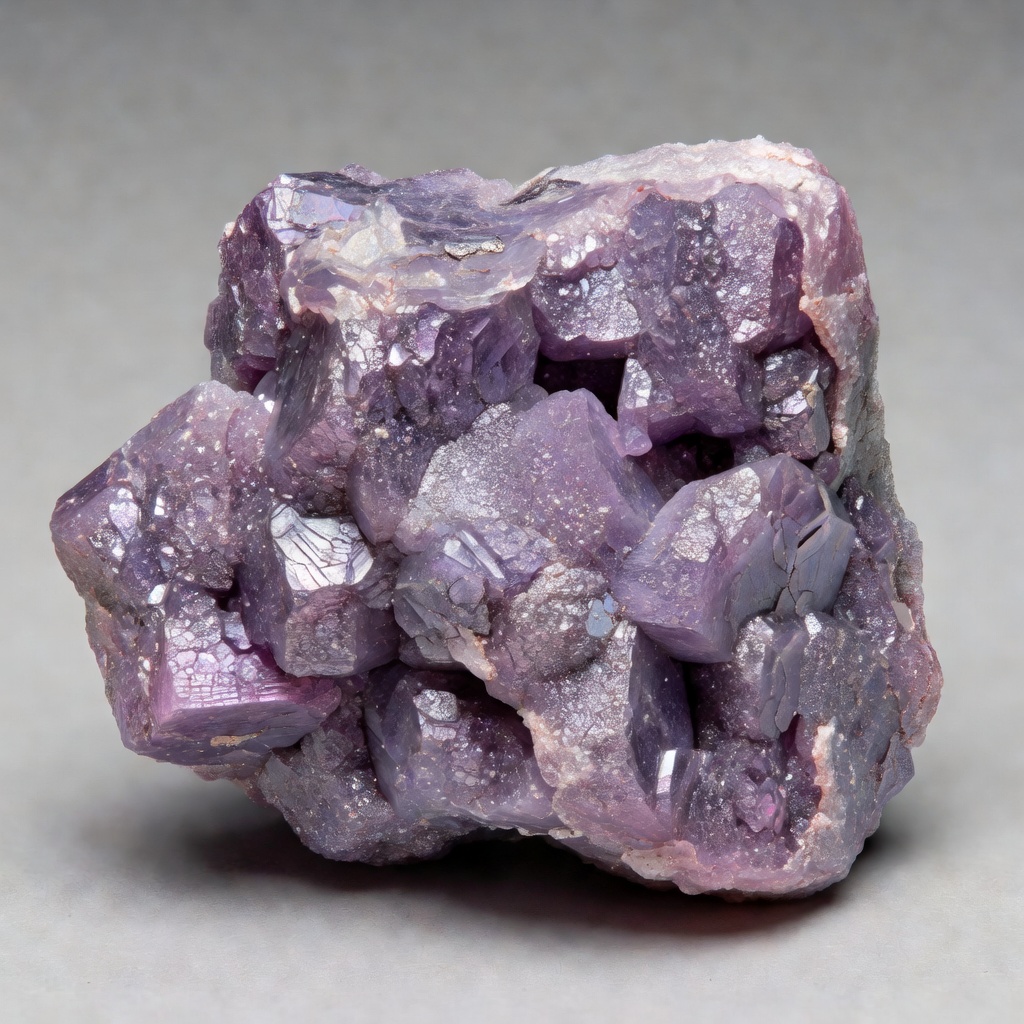
Lepidolite represents a phyllosilicate mineral belonging to the mica group, characterized by its perfect basal cleavage and distinctive scaly appearance that gives it a glittering, book-like structure when split. Chemically classified as a potassium lithium aluminum silicate hydroxide fluoride, this mineral contains up to 5.76% lithium oxide, making it one of the most important commercial sources of lithium extraction worldwide. The name derives from the Greek word lepidos, meaning "scale," which perfectly describes the mineral's tendency to split into thin, flat sheets resembling fish scales or the pages of a book.
Historically, lepidolite was first documented in the 18th century, though it gained significant recognition during the 19th century when scientists identified its valuable lithium content. Unlike other lithium-bearing minerals such as petalite or spodumene, which form in distinct crystal habits, lepidolite occurs as masses of platy crystals with a pearly luster. While petalite presents as more transparent and prismatic, and spodumene forms in elongated crystals (including the prized kunzite and hiddenite varieties), lepidolite remains unmistakable due to its flaky, layered structure and characteristic purple to pink coloration.
Geological Formation and Classification
This lithium mica stone typically forms in granite pegmatites, where slow cooling allows for the growth of large crystals and the concentration of rare elements like lithium, rubidium, and cesium. Lepidolite commonly associates with other pegmatite minerals including tourmaline, spodumene, and beryl, often occurring as an alteration product of spodumene when lithium-rich fluids interact with existing minerals. The mineral's formation requires specific geological conditions where lithium becomes concentrated enough to crystallize within the mica structure, replacing aluminum in the crystal lattice and creating the distinctive lavender to violet colors that make purple lepidolite so sought after by collectors.
Physical Properties and Identification
Identifying genuine lepidolite requires attention to several distinctive physical characteristics that distinguish it from look-alike minerals or dyed imitations. The stone exhibits a color range spanning from deep violet and lilac purple to soft pink, rose-gray, and occasionally colorless or yellow varieties, with the most prized specimens displaying intense purple saturation caused by manganese impurities. Unlike harder gemstones that withstand daily wear, lepidolite registers only 2.5 to 4 on the Mohs hardness scale, making it softer than fingernails in some specimens and requiring careful handling to prevent scratching or damage.
The mineral's most diagnostic feature remains its perfect basal cleavage, allowing it to split easily along one plane into extremely thin, flexible sheets that feel slightly elastic. This scaly crystal habit creates a distinctive texture where the stone appears composed of countless tiny plates stacked together, producing a glittering effect when light strikes the surface. Lepidolite typically exhibits a specific gravity between 2.8 and 3.3, feeling relatively lightweight for its size compared to denser minerals like quartz or tourmaline. Transparency varies from translucent to opaque, with gem-quality specimens sometimes fashioned into cabochons or decorative objects despite their softness.
Distinguishing Features for Collectors
When examining potential specimens, look for the characteristic pearly to vitreous luster on cleavage surfaces, combined with the flaky texture that separates easily when probed with a pin. True lepidolite will not scratch glass significantly due to its low hardness, and it often shows associated minerals like pink tourmaline or cleavelandite (white albite) in matrix specimens from quality localities such as Minas Gerais, Brazil. Be wary of specimens that appear uniformly colored without the natural variation or scaly texture, as these may be dyed agate or synthetic materials lacking the genuine lithium mica stone structure.
Metaphysical Properties and Spiritual Significance
Within crystal healing traditions, lepidolite meaning centers profoundly on emotional equilibrium and spiritual transformation, largely attributed to its natural lithium content that connects the mineral to calming and mood-stabilizing energies. Practitioners regard this stone as an essential ally during periods of intense life transition, including divorce, career changes, relocation, or the grieving process, providing a stabilizing presence that helps navigate uncertainty without becoming overwhelmed by anxiety or depression. The stone's energy signature supports deep emotional healing by encouraging the release of old behavioral patterns, psychological dependencies, and stagnant energies that no longer serve one's highest good.
Working with lepidolite healing properties facilitates the cultivation of self-love and acceptance, helping individuals recognize their intrinsic worth while releasing self-critical thoughts and destructive habits. During meditation practices, holding or placing this stone nearby promotes a state of deep relaxation and mindfulness, quieting the mental chatter that often prevents entry into higher states of consciousness. Many practitioners report enhanced dream recall and more restful sleep when incorporating lepidolite into their bedtime routine, attributing these effects to the mineral's ability to soothe the nervous system and calm an overactive mind.
Emotional Trauma Recovery Applications
For those processing past trauma or PTSD, lepidolite serves as a gentle yet powerful companion that encourages emotional integration without forcing confrontation before readiness. Crystal therapists often recommend creating a "transition altar" featuring lepidolite alongside photographs or symbols representing the change being navigated, allowing the stone to absorb and transmute fearful energies while anchoring intentions for positive transformation. Case studies within holistic healing communities suggest that carrying a small tumbled stone in a pocket during stressful appointments or difficult conversations provides a tangible reminder to breathe deeply and maintain energetic boundaries.
Chakra Associations and Energy Work
Lepidolite chakra connections primarily activate and align the upper energy centers, specifically resonating with the Third Eye (Ajna) and Crown (Sahasrara) chakras to enhance spiritual awareness, intuition, and cosmic consciousness. When placed on the forehead during meditation or energy healing sessions, purple lepidolite stimulates the Third Eye, facilitating clearer psychic visions, enhanced intuition, and the ability to perceive subtle energetic patterns that remain invisible to ordinary awareness. At the Crown chakra, this stone opens pathways to higher guidance, divine wisdom, and universal connection, making it invaluable for those seeking to deepen their spiritual practice or explore consciousness expansion.
Beyond the upper chakras, lepidolite maintains a significant secondary influence on the Heart chakra (Anahata), particularly in its pink varieties, promoting emotional balance, compassion, and the healing of relationship wounds. Reiki practitioners frequently incorporate this stone into healing layouts by placing it above the head and on the heart center simultaneously, creating a circuit of energy that connects spiritual insight with emotional healing. When constructing crystal grids for anxiety relief or spiritual growth, combining lepidolite with amethyst amplifies the calming frequencies, while pairing it with rose quartz enhances heart-centered healing and self-acceptance.
Advanced Energy Techniques
Experienced energy workers utilize lepidolite in cord-cutting ceremonies, placing the stone between themselves and a photograph or representation of a person or situation they wish to release, visualizing the lithium-rich energy dissolving energetic attachments. For those working on developing psychic abilities, holding lepidolite in the receptive hand (typically the left for right-handed individuals) while practicing automatic writing or tarot reading creates a clearer channel for intuitive information. Some practitioners also place lepidolite under their pillow with a piece of clear quartz to prevent nightmares while enhancing prophetic dreaming capabilities.
Healing Benefits: Emotional and Physical Support
The lepidolite crystal benefits extend across multiple dimensions of wellbeing, combining the scientifically recognized properties of lithium with traditional healing applications for comprehensive support. While the lithium content in the stone is not bioavailable through touch alone (unlike pharmaceutical lithium), the metaphysical community attributes natural mood-stabilizing effects to the mineral's vibrational frequency, suggesting it helps recalibrate emotional extremes and promote inner peace. Individuals struggling with insomnia or sleep disorders often place lepidolite under their pillow or on their bedside table, reporting improved sleep quality and reduced nighttime anxiety due to the stone's calming energetic signature.
Support for addiction recovery represents another significant application, with many recovery programs and holistic therapists incorporating lepidolite into treatment protocols for substance abuse, eating disorders, and behavioral addictions. The stone encourages the breaking of negative habits by raising awareness of triggers and providing energetic support during moments of craving or withdrawal. Additionally, some practitioners use lepidolite to mitigate the effects of electromagnetic pollution from computers, smartphones, and Wi-Fi routers, placing specimens near workstations or wearing them as jewelry to create a protective energetic barrier against electronic stress.
Physical Healing Traditions
While never replacing medical treatment, traditional crystal healing associates lepidolite with supporting the nervous system, reducing symptoms of nerve pain, and stabilizing mood disorders. Some herbalists and crystal healers create indirect gem elixirs (never direct, due to lithium content) to incorporate the stone's energetic signature into healing waters used for auric sprays or ritual baths. The stone also finds application in relieving symptoms of menopause, PMS, and hormonal imbalances, with women often carrying pink or purple specimens during times of hormonal transition to ease emotional volatility and physical discomfort.
Color Variations and Their Unique Meanings
While most people envision purple lepidolite when considering this mineral, the stone actually occurs in several color variations, each carrying distinct energetic signatures and healing applications. Deep purple specimens, ranging from violet to lavender, align most strongly with spiritual development and psychic enhancement, stimulating the upper chakras and facilitating connection with higher realms. These darker varieties prove particularly effective for meditation practices, past-life regression work, and accessing the Akashic records, providing the depth of energy necessary for serious spiritual exploration.
Pink lepidolite, often resulting from higher manganese content, resonates primarily with the Heart chakra, offering gentle support for relationship healing, self-love cultivation, and emotional vulnerability. This variety works exceptionally well for those healing from heartbreak or learning to open their hearts after trauma, providing a softer energy than the more cerebral purple forms. Gray lepidolite varieties offer grounding and practical support, helping individuals make logical decisions during emotional times and maintaining connection to physical reality while undergoing spiritual growth. Rare yellow lepidolite, caused by specific oxidation states or mineral inclusions, connects to the Solar Plexus chakra, enhancing personal power, confidence, and the ability to manifest intentions into physical reality.
Selecting Colors for Specific Intentions
When choosing a specimen, consider your primary healing goals: select deep purple for spiritual awakening and anxiety relief, pink for relationship work and heart healing, gray for grounding during chaotic transitions, and yellow (if available) for confidence building and personal empowerment. Many collectors maintain a complete spectrum of lepidolite colors, using them in rotation based on daily needs or creating rainbow layouts that address multiple chakras simultaneously. Bicolor specimens showing transitions between purple and pink offer particularly powerful energy for those working on integrating spiritual insights with heart-centered living.
Practical Uses: How to Work With Lepidolite
Integrating lepidolite into daily practice requires understanding both its metaphysical applications and its physical limitations due to relative softness. For meditation, hold a palm stone or tumbled piece in your dominant hand while visualizing lavender light dissolving tension, or place a specimen directly on the Third Eye or Heart chakra while lying down for 15-20 minutes of deep energetic alignment. Many practitioners create a "worry stone" by rubbing their thumb across a tumbled lepidolite during stressful moments, using the physical sensation combined with the mineral's energy to anchor mindfulness and prevent anxiety spirals.
Jewelry options for daily wear include pendants that rest over the Heart chakra, promoting constant emotional support, or rings that allow for frequent tactile contact throughout the day. However, due to the Mohs hardness of 2.5-4, lepidolite jewelry requires protective settings and mindful wear—avoid wearing rings during manual labor, cooking, or cleaning, and remove necklaces before showering or swimming. For home placement, position specimens in bedrooms to promote restful sleep, in meditation spaces to enhance spiritual practice, or on office desks to reduce work-related stress and electromagnetic interference from electronic devices.
Creating Safe Gem Elixirs
While lepidolite contains actual lithium, making direct immersion in drinking water potentially unsafe, practitioners can create indirect gem elixirs by placing the stone in a sealed glass container within a larger bowl of water, allowing the energetic signature to transfer without chemical leaching. Alternatively, place lepidolite near (but not touching) bathwater for a soothing ritual soak, or use the indirect method to create aura sprays by placing the charged water in a mister bottle with essential oils like lavender or chamomile. Never place raw lepidolite directly in water intended for consumption or prolonged skin contact, as the flaky structure may break down and the lithium content, while not immediately toxic in crystal form, violates safe preparation standards.
Cleansing, Charging, and Care Instructions
Proper maintenance of lepidolite properties requires avoiding water-based cleansing methods that could damage the soft, flaky structure of this mica mineral. Instead of rinsing under tap water or using salt water (which can cause deterioration or dissolution), cleanse your specimens using dry methods such as moonlight exposure, particularly during the full moon when lunar energies complement the stone's intuitive vibrations. Smudging with sage, palo santo, or sweetgrass effectively clears accumulated energies, as does placing the stone on a selenite charging plate or burying it in dry brown rice for 24 hours to absorb negativity.
Charging lepidolite involves placing it near high-vibration stones such as amethyst clusters, clear quartz points, or celestite geodes, allowing these minerals to amplify and refresh the lithium mica stone's energetic signature. Store lepidolite separately from harder stones to prevent scratching, wrapping individual specimens in soft cloth or keeping them in padded compartments within your crystal collection. Due to its perfect cleavage, avoid dropping lepidolite on hard surfaces, as it may split along its natural planes or create additional flaky layers. Signs that your stone requires energetic clearing include a dull appearance, feeling heavy or warm to the touch, or intuitively sensing that it has absorbed maximum negativity.
Long-Term Preservation Strategies
For museum-quality specimens or rare formations, maintain stable humidity levels and avoid direct sunlight exposure that might fade the delicate purple or pink coloration over time. When traveling with lepidolite, wrap it in bubble wrap or soft fabric and place it in carry-on luggage rather than checked bags to prevent temperature extremes and rough handling. If your specimen begins to shed small flakes—a natural characteristic of mica minerals—collect these in a small pouch, as even the "lepidolite dust" retains energetic properties and can be used to create magical sachets or scattered in sacred spaces for peace and tranquility.
Sources and Purchasing Guide
Understanding lepidolite properties includes knowing its geographical origins, with major deposits located in Minas Gerais, Brazil, producing some of the world's finest purple specimens with rich color and large crystal formations. Madagascar yields exceptional pink and lavender varieties often found in association with tourmaline and quartz, while Afghanistan produces unique matrix specimens prized by collectors. Within the United States, significant deposits occur in California (particularly San Diego County), Maine, and New Mexico, often discovered in abandoned lithium mines where the mineral occurs in pegmatite formations.
When purchasing lepidolite, examine specimens for natural variation in color and the characteristic scaly texture that indicates genuine mica structure rather than dyed substitutes. Fake specimens often consist of dyed agate, colored glass, or compressed stone powder lacking the flaky cleavage and lightweight feel of true lithium mica stone. Price ranges vary significantly based on color intensity (deep purple commands higher prices), crystal size and formation quality, and matrix associations, with small tumbled stones available for $5-15 while large museum-quality clusters may cost $100-500 or more.
Ethical Sourcing Considerations
Support fair-trade crystal suppliers who maintain transparent supply chains, ensuring that miners receive living wages and that environmental damage from extraction remains minimized. Ask suppliers directly about sourcing practices, seeking stones from regulated mining operations rather than exploitative or environmentally destructive sources. Consider purchasing from small family-owned mines in Brazil or Madagascar when possible, as these operations often maintain better working conditions than large industrial-scale mining. High-quality lepidolite should display natural color zoning rather than uniform artificial-looking saturation, and reputable dealers will disclose any stabilization treatments or dye applications.
Frequently Asked Questions
What is lepidolite good for?
Lepidolite is primarily used for emotional healing, stress relief, and anxiety reduction due to its natural lithium content. It's excellent for supporting life transitions, improving sleep quality, and promoting deep relaxation during meditation practices. The stone helps release old behavioral patterns, supports addiction recovery, and creates a calming atmosphere in homes and workplaces when placed near electronic devices or in meditation spaces.
Can lepidolite be worn daily?
Yes, lepidolite can be worn daily as jewelry, particularly as pendants or bracelets. However, because it has a Mohs hardness of only 2.5-4, it should be protected from hard impacts, harsh chemicals, and prolonged water exposure to prevent damage. Choose protective settings that cover the edges of cabochons, remove rings before manual labor or showering, and store pieces separately from harder gemstones to prevent scratching.
Is lepidolite the same as lithium quartz?
No, they are different minerals. Lepidolite is a lithium-rich mica (phyllosilicate mineral), while lithium quartz is quartz crystal that contains lithium inclusions. Lepidolite appears flaky and layered with perfect cleavage, whereas lithium quartz maintains the hexagonal quartz structure with lavender coloring and typically registers 7 on the Mohs hardness scale compared to lepidolite's softer 2.5-4 rating.
What chakra is lepidolite associated with?
Lepidolite primarily resonates with the Third Eye and Crown chakras, enhancing spiritual awareness and intuition. It also connects with the Heart chakra for emotional healing, and some practitioners use it for the Solar Plexus to calm anxiety. The specific color variation determines the strongest chakra association, with purple targeting the upper chakras and pink emphasizing the Heart center.
Can lepidolite get wet?
Lepidolite should not be submerged in water for extended periods or cleansed with salt water. As a soft mica mineral (Mohs 2.5-4), it can deteriorate, flake, or dissolve with prolonged water exposure. Use dry cleansing methods like smudging, moonlight, or selenite charging instead, and avoid wearing lepidolite jewelry while swimming, bathing, or washing dishes.
Is lepidolite rare or common?
Lepidolite is relatively common compared to precious gemstones, though high-quality specimens with deep purple coloration and large crystal formations are less common. It's more abundant than many rare minerals but valued specifically for its lithium content and metaphysical properties. While small tumbled pieces are readily available, matrix specimens with associated minerals like tourmaline or large book-like formations command higher prices due to their scarcity.
How can you tell if lepidolite is real?
Genuine lepidolite exhibits a distinctive scaly, flaky texture with perfect cleavage (splits into thin sheets), has a pearly to vitreous luster, and feels relatively lightweight. It typically shows purple, pink, or gray colors with natural variations. Fake specimens may be dyed agate or glass lacking the characteristic mica structure, feeling heavier than authentic lepidolite and failing to display the perfect cleavage that allows the stone to split into thin, flexible sheets.
Does lepidolite contain actual lithium?
Yes, lepidolite is one of the most important commercial sources of lithium, containing up to 5.76% lithium oxide. This natural lithium content is what gives the stone its reputation for calming energy and mood-stabilizing metaphysical properties, though the lithium isn't bioavailable through touch alone. The lithium occurs within the mineral's chemical structure, replacing aluminum in the crystal lattice and contributing to the stone's distinctive purple and pink colorations.