
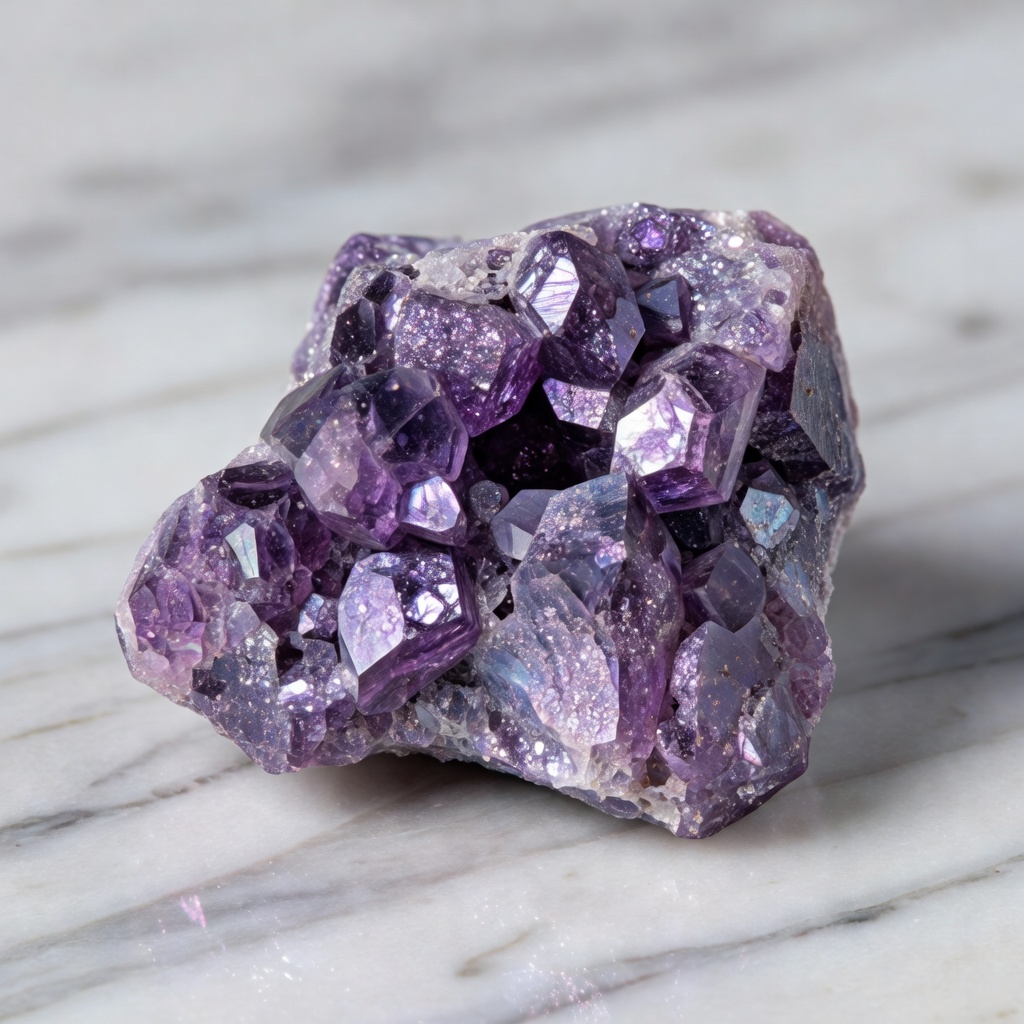
Introduction to Lepidolite Pricing
Lepidolite, a lithium-rich mica mineral renowned for its distinctive purple hues and flaky crystalline structure, has emerged as one of the most sought-after specimens in both the metaphysical healing and mineral collecting communities. This unique Lepidolite Price Guide serves as an essential resource for understanding how this delicate yet captivating gemstone is valued across diverse market segments. Whether you are a crystal healer seeking affordable tumbled stones for client sessions or a serious mineral collector hunting for museum-quality clusters, comprehending current pricing structures ensures you make informed purchasing decisions while avoiding overinflated retail markups.
The market for this purple mica crystal spans an extraordinarily wide price spectrum, ranging from accessible craft-grade material sold by the kilogram for under fifty dollars to rare collector specimens commanding thousands of dollars for exceptional formations. Unlike traditional precious gemstones such as diamonds or sapphires, lepidolite pricing remains relatively accessible to entry-level enthusiasts, though premium specimens with intense color saturation and perfect crystal formations can appreciate significantly in value. Understanding these price differentials requires examining not only the intrinsic geological qualities of the stone but also the supply chain dynamics that influence costs from Brazilian mines to American retail displays.
Current Market Prices for Lepidolite
Navigating the contemporary market for lithium mica requires familiarity with standardized pricing metrics that vary significantly based on form factor and quality grade. Current retail markets demonstrate that lepidolite value per carat fluctuates dramatically depending on whether you are purchasing rough mineral specimens, polished cabochons, or faceted gemstones intended for fine jewelry applications. Standard commercial-grade rough material typically trades between $0.50 and $2.00 per gram at wholesale levels, while retail consumers might expect to pay $1.00 to $5.00 per gram for small quantities of unpolished clusters with reasonable color saturation.
When evaluating gem-quality specimens suitable for cutting and polishing, the pricing structure shifts to the carat-based system familiar to gemstone traders. Faceted lepidolite stones or high-grade cabochons generally command between $2 and $20 per carat, with the lower end representing pale lilac material containing visible inclusions and the upper range reserved for deep purple translucent pieces with exceptional clarity. Industrial-grade material, often crushed for lithium extraction or used in mica manufacturing applications, trades at significantly lower price points of $0.10 to $0.30 per gram, though this material lacks the aesthetic qualities mineral collectors typically seek.
Factors Affecting Lepidolite Value
Determining the monetary worth of any specific lepidolite specimen requires careful assessment of several critical geological characteristics that directly impact market desirability. The most significant lepidolite quality factors include color intensity, crystal formation integrity, and the presence of associated minerals that might enhance or detract from visual appeal. Deep magenta-purple specimens displaying uniform coloration without matrix interference consistently achieve premium pricing, while pale lavender or grayish-lilac samples with abundant host rock inclusions fall into budget-friendly categories suitable for bulk purchasing.
Crystal formation quality represents another crucial valuation metric, with well-formed hexagonal books of mica sheets commanding substantial premiums over massive or granular material lacking visible crystalline structure. Specimens exhibiting the characteristic scaly, platy texture of high-quality lepidolite allow light to reflect between layers creating a subtle shimmer effect that enhances aesthetic value. Additionally, size considerations play a pivotal role in pricing matrices, as large intact clusters weighing several kilograms with minimal damage to crystal terminations can fetch prices exponentially higher than the equivalent weight in smaller fragments.
Color Saturation and Rarity Premiums
The spectrum of lepidolite coloration ranges from nearly colorless white-pink through soft lilac to intense violet-purple, with occasional rare occurrences of hot pink or golden-yellow hues that command exceptional premiums. Standard commercial material typically exhibits pale purple tones resulting from moderate lithium and manganese content, while the most valuable specimens display rich, saturated magenta colors indicating optimal trace element concentrations. Collectors should note that untreated natural color consistently outperforms heat-treated or dyed material in long-term value retention, making authentication of color origin essential when purchasing investment-grade pieces.
Lepidolite Quality Grades and Classifications
Understanding standardized grading systems helps buyers navigate the often-confusing landscape of purple mica crystal price variations across different vendors and marketplaces. The industry generally recognizes three primary tiers: AAA gem-grade, commercial jewelry-grade, and craft or industrial-grade material, each serving distinct market niches with corresponding price structures. AAA grade lepidolite exhibits exceptional translucency when held to light, uniform vivid coloration without zoning, and perfect crystal formations with sharp edges and unblemished surfaces, typically reserved for high-end collectors and custom jewelry applications.
Commercial grade standards accommodate the needs of jewelry manufacturers and bead makers, featuring acceptable color consistency with minor inclusions and small surface imperfections that do not compromise structural integrity for cabochon cutting. This mid-tier material represents the sweet spot for many crystal healing practitioners seeking quality tumbled stones without paying collector premiums. Craft-quality lepidolite, while still beautiful, contains significant matrix material, fractures, or pale coloring suitable for educational displays, orgonite crafting, or bulk decorative applications where individual specimen perfection remains less critical than volume pricing.
Certification and Authentication Standards
Serious collectors and investors should prioritize specimens accompanied by laboratory certification from recognized gemological institutions such as GIA (Gemological Institute of America) or independent mineral laboratories specializing in lithium silicates. Certified specimens command 15-30% price premiums over uncertified material of equivalent visual quality due to guaranteed authenticity and documented provenance. Documentation becomes particularly crucial when purchasing rare pink or yellow varieties, as these command significant premiums and occasionally face misrepresentation through dyed or heat-treated common purple material.
Price Comparison: Raw vs Tumbled vs Jewelry
The physical form in which lepidolite is sold creates dramatic price differentials that reflect labor costs, material loss during processing, and value-added services along the supply chain. Raw clusters attached to their original matrix rock offer the most economical entry point for collectors, with lepidolite wholesale cost structures favoring large, unprocessed specimens sold by kilogram rather than individual piece pricing. These natural formations showcase the mineral's characteristic hexagonal crystal books and often include aesthetically pleasing associations with tourmaline, quartz, or feldspar that enhance display value without additional processing expenses.
Tumbled stones undergo significant material reduction during the polishing process, with rough material losing 40-60% of its original weight to achieve smooth, rounded forms suitable for pocket stones or crystal grids. This processing labor, combined with the costs of industrial tumbling equipment and polishing media, results in retail prices typically ranging from $3 to $15 per ounce depending on quality grade. Finished jewelry incorporating lepidolite commands the highest retail premiums, with typical markup percentages ranging from 200% to 400% over raw material costs to account for metalwork, design labor, and retail overhead expenses.
Bulk Purchasing Economics
Healing practitioners and retail shop owners benefit significantly from understanding bulk pricing structures when establishing inventory. Purchasing raw material by the kilogram directly from importers often reduces per-gram costs by 60-70% compared to individual specimen pricing, while bulk tumbled stone orders exceeding five kilograms frequently qualify for wholesale rates of $20-$40 per kilogram versus retail prices of $100-$150 for equivalent quantities. These economies of scale make volume purchasing essential for businesses while offering individual collectors opportunities to reduce costs through group buys or mineral club collective purchasing agreements.
Regional Price Variations and Sources
Geographic origin profoundly influences lithium mica gemstone pricing due to variations in color quality, mining economics, and export regulations that create distinct market tiers across different producing regions. Brazilian lepidolite currently dominates global supply chains, particularly from the Minas Gerais region, offering competitive pricing advantages due to established infrastructure, abundant deposits, and efficient export logistics. Brazilian material typically exhibits the classic lilac to purple coloration that defines commercial standards, with pricing stability supported by consistent production volumes and multiple competing export operations.
African sources, specifically Zimbabwe and Namibia, produce lepidolite with notably intense color saturation that commands significant premiums over Brazilian material of equivalent size and clarity. Zimbabwean specimens often display deeper violet tones with exceptional crystal definition, while Namibian material occasionally yields the rare pink and yellow variations highly prized by serious collectors. However, political instability, fluctuating export restrictions, and higher mining costs in these regions contribute to price premiums of 25-50% above comparable Brazilian specimens. Additionally, emerging deposits in Afghanistan and Pakistan introduce further pricing variables based on limited supply and challenging logistics that restrict consistent market availability.
Impact of Mining Regulations
Environmental compliance costs and evolving lithium extraction regulations increasingly influence raw material pricing as governments implement stricter oversight of mica mining operations. Brazil's recent enforcement of sustainable mining practices has modestly increased export costs while ensuring ethical labor standards, whereas inconsistent regulatory frameworks in some African regions create supply volatility that periodically spikes international prices. Buyers should monitor legislative developments in major producing countries, as restrictions on lithium-bearing mineral exports could significantly impact availability and pricing structures within the decorative stone market distinct from industrial lithium supply chains.
Where to Buy Lepidolite at Fair Prices
Navigating the purchasing landscape requires strategic evaluation of vendor types to align with specific budget constraints and quality requirements while monitoring current lepidolite market trends. Reputable online crystal retailers specializing in wholesale mineral distribution typically offer the most transparent pricing structures, with detailed grade classifications and origin documentation that justify cost differentials between inventory items. These digital marketplaces eliminate the overhead costs associated with brick-and-mortar metaphysical shops, passing savings directly to consumers while providing access to global inventory that local stores cannot match.
Gem and mineral shows represent prime opportunities for significant cost savings, particularly when purchasing directly from importers or mine owners who bypass distributor markups. Successful show purchasing requires preparation including research on current wholesale pricing, cash payment capabilities for additional discounts, and willingness to negotiate volume breaks for purchases exceeding one kilogram. Direct importer relationships offer maximum pricing advantages for serious collectors, though these arrangements typically require minimum order commitments and established business credentials that may exceed individual consumer needs.
Evaluating Seller Credibility
Before committing to significant purchases, buyers should verify seller reputation through mineralogical association memberships, customer review analysis, and requests for detailed photographs showing wet and dry specimen conditions to accurately assess color saturation. Legitimate dealers willingly provide origin information and treatment disclosures, while questionable vendors often use vague descriptors like "purple mica from Africa" or offer prices significantly below market rates that suggest synthetic substitutes or dyed material. Establishing relationships with multiple suppliers allows price comparison and quality benchmarking that protects against inflated retail pricing or substandard material misrepresented as premium grade.
Investment Potential and Resale Value
While lepidolite does not function as a liquid investment vehicle comparable to precious metals or blue-chip gemstones, high-grade specimens demonstrate respectable appreciation potential within niche collecting markets. Rare color variations including bi-color purple-pink specimens, intense golden-yellow lithium mica, and large flawless clusters exceeding five kilograms have historically appreciated at annual rates of 3-5%, outpacing inflation while providing aesthetic enjoyment during ownership periods. Unlike traditional investment gems, lepidolite value remains closely tied to metaphysical community interest and mineralogical collector demand rather than industrial applications, creating market dynamics that favor long-term holding periods over quick resale strategies.
Market liquidity for lepidolite remains limited compared to diamonds or sapphires, with resale typically occurring through specialized mineral auctions, collector forums, or metaphysical shop consignment rather than mainstream jewelry liquidation channels. Investment-grade specimens require climate-controlled storage away from direct sunlight, as excessive UV exposure can fade the manganese-derived purple coloration over decades, significantly impacting value. Serious investors should focus on documented, certified specimens with exceptional size or rarity factors rather than commercial-grade material, which maintains stable but modest values primarily suitable for personal enjoyment rather than portfolio diversification.
Price Negotiation Tips for Buyers
Securing optimal pricing when you buy lepidolite online or in person requires sophisticated negotiation strategies tailored to different purchasing contexts and vendor relationships. Volume discounts represent the most powerful leverage tool, with many wholesalers offering 15-25% reductions for single purchases exceeding one kilogram of rough material or equivalent volumes of processed stones. Seasonal timing significantly impacts negotiation success, as suppliers often provide favorable terms during post-holiday inventory liquidation periods or immediately following major trade shows when cash flow priorities outweigh margin maximization.
Laboratory certification serves dual purposes in price negotiations, providing authentication that justifies premium pricing for sellers while offering buyers verification that prevents overpayment for misrepresented material. When negotiating at mineral shows, cash payments frequently unlock additional 5-10% discounts by eliminating credit card processing fees and providing immediate liquidity to vendors. Building long-term relationships with specific suppliers creates opportunities for first-refusal rights on new inventory, payment plan options for high-value specimens, and insider access to pre-show pricing before material reaches general market exposure.
Seasonal Demand Considerations
Awareness of cyclical demand patterns enables strategic purchasing that avoids peak pricing periods typically occurring during November and December holiday gift seasons when metaphysical interest surges. Conversely, purchasing during summer months or immediately following major gem shows often yields 10-20% price advantages as dealers reduce inventory before new stock arrivals. Bulk buyers should coordinate acquisition timing with Brazilian harvest seasons, typically March through June, when fresh mining output creates temporary supply gluts that depress wholesale pricing before international distribution channels absorb new production.
Conclusion and Future Price Forecast
This comprehensive Lepidolite Price Guide reveals a gemstone market characterized by accessibility for entry-level enthusiasts alongside significant appreciation potential for rare, high-quality specimens. Future pricing trajectories appear strongly influenced by the expanding electric vehicle industry's demand for lithium, which may gradually divert lower-grade lepidolite deposits from decorative markets toward industrial processing, potentially constricting supply for collectors. Simultaneously, growing awareness of ethical mining practices and sustainability concerns will likely increase costs associated with certified conflict-free material while enhancing the premium commanded by documented responsible sourcing.
Budget-conscious collectors should prioritize Brazilian commercial-grade material for immediate collecting needs while reserving 20-30% of acquisition budgets for rare color variations that demonstrate stronger long-term appreciation curves. As global lithium demand continues reshaping mineral markets, early investment in museum-quality specimens may prove particularly prudent, though buyers should maintain realistic expectations regarding liquidity and treat lepidolite primarily as a passion investment rather than a speculative financial instrument. By applying the pricing knowledge and negotiation strategies outlined herein, collectors at every investment level can build meaningful collections while avoiding the inflated costs that often accompany uninformed purchasing decisions in the metaphysical marketplace.
Frequently Asked Questions
How much does lepidolite cost per carat?
Lepidolite typically ranges from $2 to $20 per carat depending on quality. Standard commercial grade with pale coloring costs $2-$5 per carat, while gem-grade deep purple specimens with excellent clarity can command $10-$20 per carat. Raw rough material is usually sold by gram or kilogram rather than carat weight.
Is lepidolite expensive compared to amethyst or quartz?
Lepidolite is generally more affordable than high-grade amethyst but pricier than common clear quartz. While amethyst can reach $50+ per carat for premium specimens, quality lepidolite usually caps around $20 per carat. However, rare pink or yellow lepidolite varieties may exceed standard purple amethyst prices due to scarcity.
What color of lepidolite is most valuable?
Deep magenta-purple lepidolite commands the highest prices, followed by rare pink and yellow varieties. The most valuable specimens display intense, uniform color without white or gray matrix interference. Pale lilac shades are more common and affordable, while bi-color specimens showing purple and pink zoning can fetch premium prices from collectors.
Where can I find the best lepidolite prices?
The best prices are typically found at mineral shows directly from importers, or through wholesale crystal suppliers selling by the kilogram. Online marketplaces like Etsy offer competitive pricing for small quantities, while specialty gem dealers provide certified high-grade specimens at premium but fair market rates. Avoid tourist trap metaphysical shops with 300%+ markups.
Does lepidolite hold its value over time?
While not a traditional investment gemstone like sapphire or emerald, high-grade lepidolite specimens have shown steady appreciation of 3-5% annually over the past decade. Rare color variations and large museum-quality clusters retain value best, while common tumbled stones for crystal healing maintain stable but modest resale values primarily within the metaphysical community.
How can I tell if lepidolite is real before buying?
Authentic lepidolite displays perfect basal cleavage (splits into thin sheets), a pearly to vitreous luster, and ranges from 2.5 to 4 on the Mohs hardness scale. It should feel relatively light for its size due to lithium content. Be wary of dyed agate or glass imitations—real lepidolite shows natural mica flaking and will not have uniform artificial coloring throughout.
Why do lepidolite prices vary so much between sellers?
Price variations stem from source location (Brazilian vs African), treatment status (natural vs heat-treated), seller overhead costs (retail store vs direct importer), and grade classification. Additionally, unscrupulous sellers may inflate prices using misleading names like "purple lithium" or "lavender stone" to obscure the common nature of lower-grade material while charging premium rates.
Is raw or polished lepidolite more expensive?
Raw lepidolite clusters typically offer better value per gram, especially for collectors seeking natural formations. However, polished cabochons and tumbled stones command higher per-gram prices due to labor costs—usually 2-3 times the raw material cost. For jewelry making, pre-polished stones save time and equipment costs, justifying the premium for artisans.


