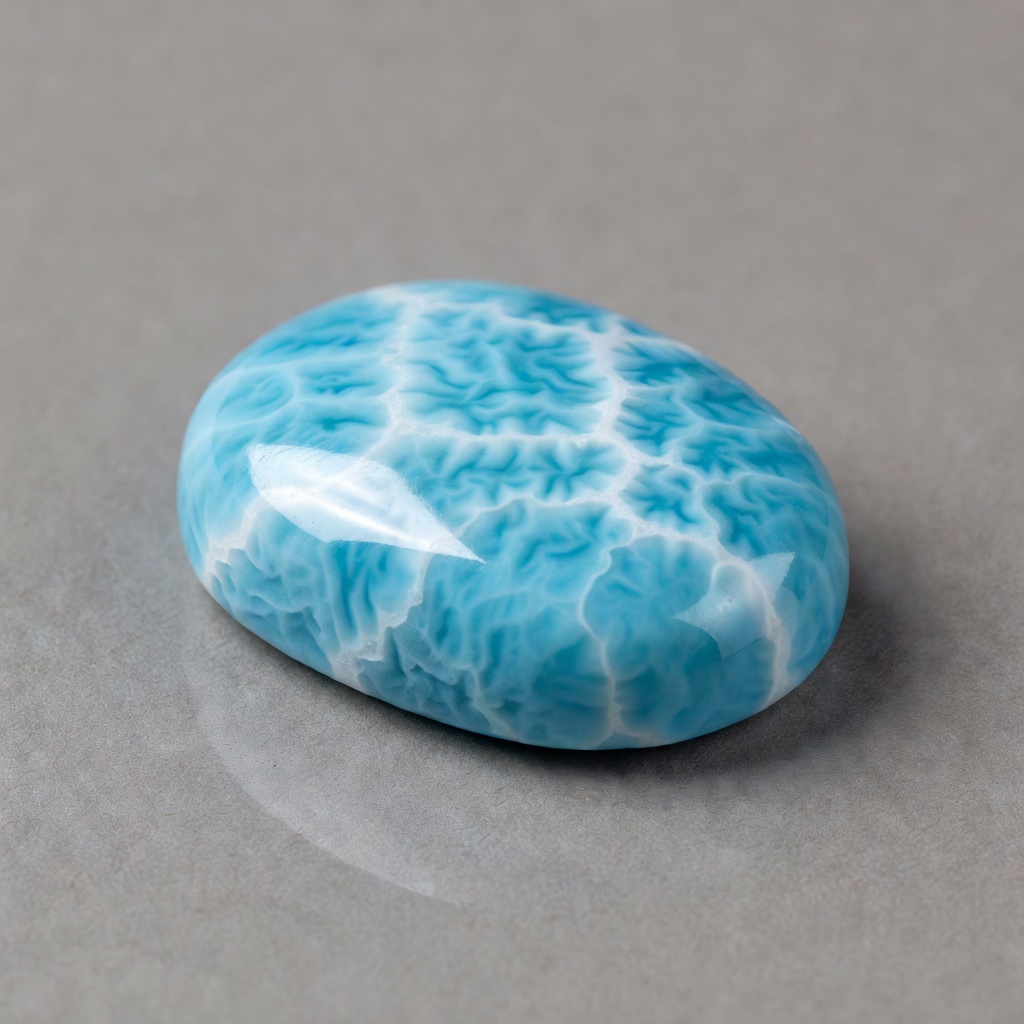
Introduction to Larimar: The Caribbean Gemstone
Larimar represents one of the most captivating discoveries in modern gemology, a rare blue variety of pectolite that captures the essence of Caribbean waters in solid form. Unlike most gemstones found across multiple continents, this exquisite stone occurs exclusively in a remote mountain range of the Dominican Republic, making it a true geological anomaly. The stone's unique chemical composition and striking appearance have elevated it from a local curiosity to an internationally coveted collector's item within just a few decades.
The official discovery of larimar traces back to 1974 when Miguel Méndez, a local artisan, and Norman Rilling, a Peace Corps volunteer, found blue stones washed up on the Bahoruco beaches. Méndez named the stone by combining his daughter's name, Larissa, with the Spanish word for sea, "mar," creating a poetic tribute to the gem's oceanic hues. This discovery transformed the local economy and established the Dominican Republic as the sole source of what many gemologists now consider the country's national stone.
Today, larimar stands among the most sought-after collector gemstones due to its singular geographic origin and rapidly depleting supply. Jewelry designers prize it for statement pieces that command attention, while crystal healers seek it for its purported metaphysical properties. As mining operations face increasing challenges and environmental restrictions, high-quality specimens continue to appreciate in value, making larimar not just a beautiful adornment but potentially a wise investment for gemstone enthusiasts.
Physical and Chemical Properties
Understanding the physical limitations and characteristics of larimar proves essential for anyone considering adding this gemstone to their collection. As a variety of pectolite, larimar registers between 4.5 and 5 on the Mohs hardness scale, placing it in the same category as apatite and turquoise. This relatively soft composition means that while larimar creates stunning jewelry pieces, it requires protective settings and mindful wear to prevent surface scratches and abrasions that could diminish its luminous polish.
The chemical composition of larimar reveals sodium calcium silicate hydroxide with trace copper substitutions that create its signature coloration. This copper content, replacing calcium in the crystal lattice during formation, produces the mesmerizing blue tones ranging from pale sky blue to deep volcanic blue that collectors covet. Some specimens also display greenish tints caused by iron inclusions, though these typically command lower prices than the pure blue varieties.
When examining blue pectolite properties, gemologists note the stone's triclinic crystal system and vitreous to silky luster that enhances its visual appeal. The material often occurs with characteristic white calcite matrix patterns that create cloud-like or turbulent wave formations within the stone. Master cutters must carefully orient these cabochons to showcase the most attractive color distribution while minimizing visible inclusions, as the stone's opacity varies from nearly transparent to completely opaque depending on mineral density.
Geological Origins and Mining
The story of Dominican Republic larimar begins deep within the volcanic formations of the Bahoruco Mountains, where unique geological conditions created this singular deposit. Approximately 30 million years ago, volcanic activity pushed pectolite-rich basalts into the mountain range, where hydrothermal fluids containing copper permeated the stone, creating the distinctive blue coloration found nowhere else on Earth. This exclusive formation means that despite extensive geological surveys across the Caribbean and beyond, no other deposits of gemstone-quality blue pectolite have ever been discovered.
Modern mining operations face significant challenges as miners must navigate steep terrain and limited road access to reach the narrow veins of larimar-bearing rock. Local miners, known as "larimareros," often work in small cooperatives using hand tools to carefully extract the material without damaging the delicate crystals. Environmental concerns have prompted the Dominican government to implement stricter regulations on mining practices, including reforestation requirements and water management protocols that, while necessary for sustainability, have further restricted the already limited supply entering the market.
The volcanic formation process that created larimar resulted in highly localized deposits that vary dramatically in quality within meters of each other. Miners might encounter pockets of intense volcanic blue material worth thousands of dollars per kilogram, immediately adjacent to white or greenish stone suitable only for tourist trinkets. This unpredictable distribution makes larimar mining locations particularly risky investments, as companies cannot guarantee consistent yields from their excavation efforts, contributing to the gemstone's premium pricing structure.
Metaphysical Properties and Crystal Healing
Practitioners of larimar crystal healing associate this distinctive stone primarily with the throat chakra, believing it facilitates clear communication and authentic self-expression. Energy workers often recommend placing larimar on the throat during meditation sessions to remove blockages that prevent individuals from speaking their truth or setting healthy boundaries. Public speakers and performers sometimes carry tumbled stones in their pockets, reporting increased confidence and fluidity when addressing audiences.
Beyond its communication associations, larimar stone meaning extends deeply into emotional healing and stress relief applications. The gem's calming blue vibrations are said to cool tempers, soothe frayed nerves, and provide solace during periods of major life transition. Many crystal therapists suggest creating an elixir (using the indirect method to avoid water contact with the stone) or simply holding larimar during anxiety attacks to promote a sense of tranquility reminiscent of floating in calm Caribbean waters.
Spiritual practitioners often describe larimar as embodying dolphin energy and the divine feminine principle, connecting users to the nurturing aspects of the ocean and maternal consciousness. Some meditation guides incorporate larimar into water-based ceremonies, placing the stone near bathtubs or fountains to enhance the flow of feminine wisdom and intuitive knowledge. Dolphin therapists and marine conservationists sometimes wear larimar jewelry as a symbolic commitment to ocean preservation, believing the stone strengthens their connection to cetacean consciousness and aquatic ecosystems.
Quality Grading and Value Factors
Establishing larimar gemstone value requires understanding the strict color hierarchy that dominates the marketplace. Volcanic blue specimens, displaying intense deep blue saturation reminiscent of a stormy Caribbean sea, command the highest prices and are considered investment-grade material. Conversely, stones exhibiting predominantly greenish tints due to iron content or heavy white matrix patterns represent commercial grades suitable for casual jewelry, often selling for a fraction of the price commanded by top-tier blue material.
Pattern clarity significantly impacts pricing, with collectors particularly seeking specimens that display the characteristic "turtleback" pattern—intersecting white calcite veins creating geometric shapes against the blue background. Translucency also plays a crucial role in valuation, as semi-transparent material that allows light to penetrate slightly creates a glowing effect highly prized in fine jewelry. However, completely opaque stones with uniform color distribution often prove more durable for daily wear, presenting a practical trade-off between aesthetic brilliance and longevity.
Size considerations and cutting decisions profoundly affect value retention in larimar quality grading. Large cabochons exceeding 20 carats with consistent color are exceptionally rare and can fetch premium prices from collectors seeking statement pieces. Skilled lapidaries must balance the desire to maximize carat weight against the need to remove inclusions and matrix lines that could weaken the stone or detract from its visual appeal. When purchasing, examine the cut quality carefully—well-executed cabochons should feature uniform domes without flat spots or asymmetrical grinding that indicates rushed production.
Authenticity and Identification
The growing popularity of larimar has unfortunately spawned a market flooded with imitations, making genuine larimar identification skills essential for prospective buyers. Dyed howlite represents the most common counterfeit, as this naturally white, porous mineral readily accepts blue dye to mimic larimar's appearance. However, close inspection reveals that dyed howlite typically displays unnaturally uniform color saturation and lacks the characteristic white calcite veining and cloud-like patterns that define authentic material.
Visual inspection techniques for distinguishing fake vs real larimar include examining the stone under magnification for natural mineral inclusions and color zoning. Genuine larimar exhibits subtle variations in blue intensity, with natural swirling patterns that never repeat perfectly, whereas glass imitations often contain air bubbles and show perfectly uniform color distribution. Additionally, natural larimar feels cool to the touch and has a specific gravity between 2.7 and 2.9, making it noticeably heavier than plastic or resin alternatives of similar size.
For expensive acquisitions, insist on certification from reputable gemological laboratories such as the GIA (Gemological Institute of America) or IGI (International Gemological Institute). These certificates should explicitly state that the stone is natural pectolite without indications of treatment, as some dealers attempt to enhance lower-grade material through heat treatment or polymer stabilization. When purchasing from online marketplaces, request high-resolution photographs showing the stone from multiple angles under natural light, and be wary of prices that seem disproportionately low compared to established market rates for similar quality specimens.
Jewelry Applications and Durability
Given larimar's relative softness, selecting appropriate larimar ring settings requires careful consideration of protective design elements. Bezel settings, which surround the stone's perimeter with a metal rim, offer superior protection compared to prong settings that leave edges exposed to impact. For those desiring larimar rings for daily wear, consider designs where the stone sits slightly recessed within the band, reducing the likelihood of scratching the surface against hard surfaces during everyday activities.
Pendants and earrings represent the optimal jewelry applications for showcasing larimar's beauty while minimizing damage risks. These pieces experience less physical trauma than rings or bracelets, preserving the stone's polish and preventing the chips that commonly occur on ring-mounted specimens. Many contemporary designers create striking larimar necklace designs featuring large freeform cabochons suspended in sterling silver or gold settings that evoke marine themes, complementing the stone's oceanic origins while ensuring longevity.
Regardless of setting type, larimar jewelry care necessitates avoiding exposure to harsh chemicals commonly found in household cleaners, chlorine pools, and beauty products like hairspray or perfume. Ultrasonic cleaners and steam cleaning systems pose particular dangers, as the vibrations and heat can cause internal fractures or loosen settings. Remove larimar jewelry before engaging in physical activities, gardening, or cooking, and store pieces separately from harder gemstones such as diamonds or sapphires that could scratch the relatively soft pectolite surface.
Proper Care and Maintenance
Maintaining the luminous appearance of larimar requires adherence to specific cleaning protocols that preserve both the stone and its setting. The safest method involves using mild soap, such as gentle dish detergent, diluted in lukewarm water with a soft brush—baby toothbrushes work excellently for reaching beneath bezels without scratching the metal or stone. After gently scrubbing to remove accumulated oils and debris, rinse thoroughly under lukewarm running water and pat dry with a soft, lint-free cloth to prevent water spots from forming on the polished surface.
Storage practices significantly impact the longevity of larimar pieces, as contact with harder gemstones can cause irreparable surface damage. Store larimar jewelry in individual soft pouches or lined compartments within your jewelry box, ensuring that diamonds, rubies, or even quartz pieces cannot come into contact with the pectolite. When traveling, wrap pieces in soft cloth and place them in rigid containers to prevent crushing, as larimar can fracture under significant pressure despite its reasonable toughness.
Perhaps the most critical aspect of how to clean larimar involves recognizing environmental threats that can permanently alter the stone's appearance. Prolonged exposure to direct sunlight or excessive heat can cause the blue color to fade over time, transforming vibrant specimens into washed-out versions of their former selves. Never leave larimar jewelry on windowsills, in hot cars, or near heating vents, and avoid wearing pieces to tanning beds or saunas. If your stone does fade, consult a professional gemologist immediately, as some advanced techniques might restore color, though prevention remains the only guaranteed preservation method.
Buying Guide and Market Trends
Navigating the process of buying larimar gemstones requires understanding the various channels through which this material enters the marketplace. Purchasing directly from Dominican artisans or mine cooperatives often yields the best value for loose stones, as middleman markups are eliminated, though buyers must possess sufficient knowledge to assess quality independently. Established jewelry retailers and online vendors specializing in Caribbean gemstones offer greater consumer protections and return policies, albeit at higher price points that reflect their expertise and operational costs.
Current larimar market value fluctuates based on mining yields and global economic conditions, but general pricing tiers remain relatively consistent. Commercial grade material with significant white matrix or greenish tones typically ranges from $1 to $5 per carat, while fine quality stones displaying uniform sky blue colors command $10 to $20 per carat. Exceptional volcanic blue specimens with high translucency and minimal inclusions can exceed $50 per carat, with museum-quality pieces reaching even higher valuations as the supply of top-tier material diminishes.
Ethical sourcing considerations increasingly influence purchasing decisions, with conscious buyers seeking dealers who support local mining communities and adhere to environmental standards. The Larimar Museum in Santo Domingo and certified fair-trade cooperatives provide documentation tracing stones from mine to market, ensuring that miners receive fair compensation while adhering to safety and ecological protocols. When investing in higher-value pieces, request information about the stone's provenance and the mining conditions under which it was extracted, as supporting sustainable practices helps preserve this limited resource for future generations while ensuring the economic vitality of Dominican mining communities.
Conclusion: Why Larimar Remains Unique
Larimar Properties and Information reveal a gemstone that transcends typical mineral classification to embody a perfect confluence of geological rarity, aesthetic beauty, and cultural significance. Unlike diamonds, sapphires, or emeralds that occur across multiple continents, larimar's exclusive restriction to the Bahoruco Mountains ensures that each specimen carries the singular fingerprint of Caribbean volcanic activity. This extreme geographic limitation, combined with increasingly difficult mining conditions and environmental regulations, guarantees that high-quality material will only become scarcer and more valuable as existing deposits deplete.
The multifaceted appeal of larimar extends from the scientific community, which studies its unique copper substitution patterns, to metaphysical practitioners who utilize its calming vibrations for healing work. Whether admired for its captivating blue hues that mirror tropical waters, collected as a geological curiosity, or worn as a talisman for communication and tranquility, larimar offers something for every type of enthusiast. Its relatively accessible price point for entry-level pieces allows novice collectors to participate in the market, while extraordinary specimens challenge the most discerning connoisseurs.
For prospective buyers and enthusiasts, approaching larimar with knowledge and respect ensures a rewarding relationship with this exceptional gemstone. Prioritize protective settings for jewelry applications, commit to proper maintenance routines, and always verify authenticity when making significant investments. By understanding the full spectrum of larimar's characteristics—from its chemical composition to its spiritual associations—collectors can fully appreciate why this Dominican treasure continues to captivate the world decades after its discovery, securing its place as one of the most distinctive gemstones available in the modern market.
Frequently Asked Questions About Larimar
What Exactly Is Larimar and Where Is It Found?
Larimar is a rare blue variety of the mineral pectolite, found exclusively in the Dominican Republic's Bahoruco Mountains. Its distinctive blue color comes from copper substitution during volcanic formation, and it remains the only pectolite deposit of gemstone quality in the world.
What Are the Metaphysical Healing Properties of Larimar?
Larimar is associated with the throat chakra and is believed to enhance communication, public speaking, and emotional expression. It's also prized for its calming energy, often used for stress relief, anxiety reduction, and connecting with divine feminine or dolphin energies.
How Can I Tell If My Larimar Stone Is Authentic?
Genuine larimar displays natural color variations from white to deep blue with characteristic swirling or cloud-like patterns. It feels cool to the touch and has a specific gravity of 2.7-2.9. Be wary of pieces with uniform color (likely dyed howlite or glass) or prices that seem too good to be true.
What Is the Hardness of Larimar and Can It Be Worn Daily?
Larimar ranks 4.5-5 on the Mohs hardness scale, making it relatively soft and susceptible to scratching. While it can be worn, it's best suited for pendants and earrings rather than rings. If worn in rings, protective bezel settings are recommended, and the stone should be removed during physical activities.
Why Is Larimar So Expensive Compared to Other Gemstones?
Larimar's high price reflects its single-source location, limited supply, difficult mining conditions, and increasing demand. The most valuable specimens display intense volcanic blue coloring without inclusions. Additionally, as the mine's resources deplete, high-quality material becomes scarcer, driving prices upward.
How Do I Properly Clean and Care for Larimar Jewelry?
Clean larimar using mild soap and lukewarm water with a soft brush or cloth. Avoid ultrasonic cleaners, steam cleaning, harsh chemicals, and prolonged exposure to direct sunlight which can cause fading. Store separately from harder gemstones (diamonds, sapphires, quartz) to prevent scratching.
What Colors Does Natural Larimar Come In?
Natural larimar ranges from white and pale blue to deep volcanic blue, with some specimens showing greenish tints due to iron content. The most prized color is intense sky blue to volcanic blue with minimal white matrix. Green larimar is less valuable but still genuine, while pure white material is typically lower grade.
Is Larimar Treated or Enhanced in Any Way?
Most high-quality larimar is sold untreated, as heating or chemical treatments often destroy its value. However, some lower-grade material may be color-enhanced or stabilized. Always ask sellers about treatments and request certification for expensive pieces to ensure you're buying natural, untreated stone.