
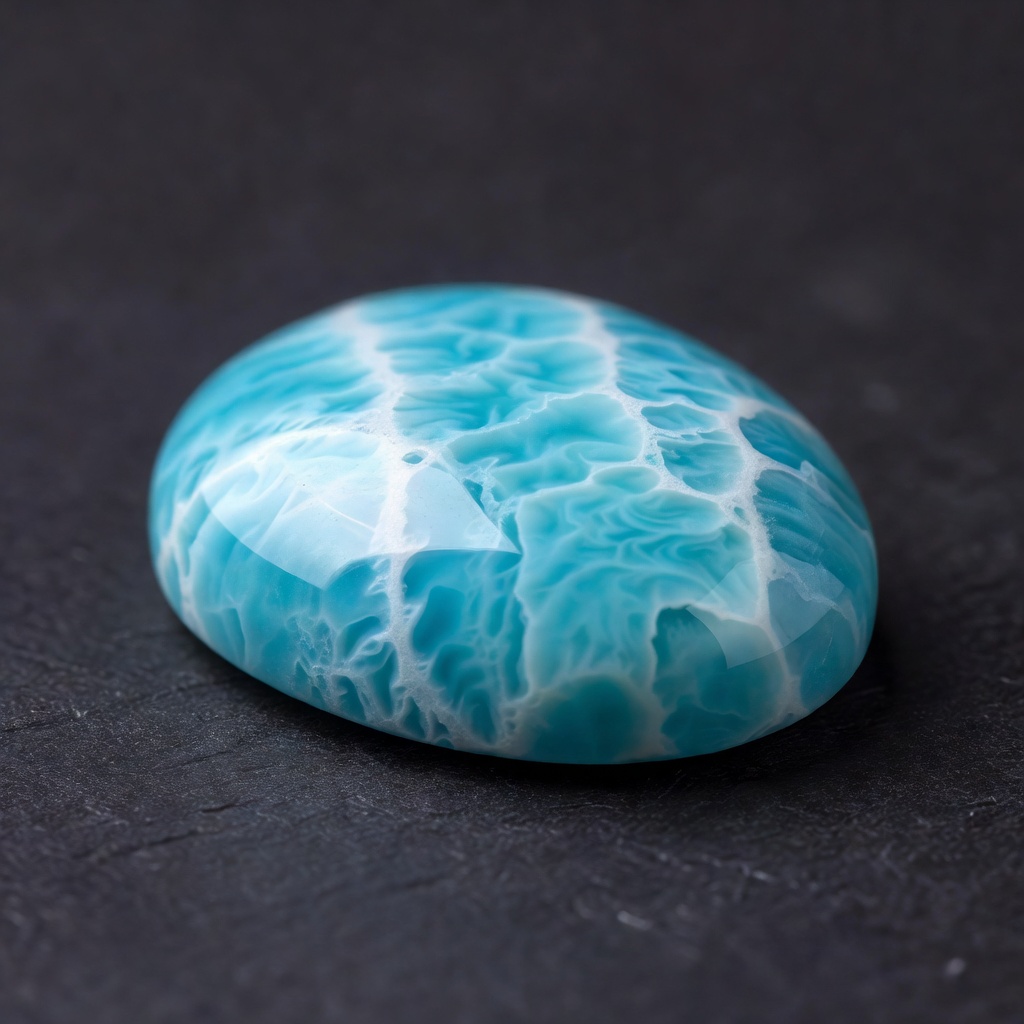
What Is Larimar? Understanding the Caribbean Gemstone
Larimar represents one of the rarest gemstones on earth, existing exclusively as a unique variety of blue pectolite found only within the rugged terrain of the Dominican Republic. This extraordinary mineral formed through millions of years of volcanic activity deep within the Caribbean crust, where hot gases pushed crystallized minerals into the cavities of basaltic rock. Unlike standard white or gray pectolite found in various locations worldwide, Dominican Republic larimar owes its mesmerizing blue coloration to copper substitution within its calcium-silicate structure, creating hues that mirror the tropical waters surrounding its island home. The gemstone's chemical composition consists primarily of calcium sodium silicate with traces of copper, resulting in a hardness of 4.5 to 5 on the Mohs scale, which classifies it as relatively soft compared to sapphires or diamonds.
The discovery of larimar in 1974 marked a significant moment in gemological history when Miguel Méndez and Norman Rilling found blue stones washed into the Bahoruco River, eventually tracing them back to volcanic tubes in the mountains. Mendez coined the name by combining his daughter Larissa's name with "mar," the Spanish word for sea, perfectly capturing the stone's oceanic appearance. Local folklore and metaphysical communities often refer to larimar as the "Atlantis Stone" or "Dolphin Stone," believing it embodies the lost continent's energy and promotes communication with sea creatures. Historically, the indigenous Taíno people likely knew of these blue stones centuries before their official discovery, though documented mining only began in the late twentieth century, making larimar one of the newest additions to the precious gemstone market.
Essential Quality Factors for Larimar Evaluation
When evaluating Dominican Republic larimar for purchase, understanding the established larimar quality grades proves essential for making informed investment decisions. The gemstone industry typically categorizes these stones into commercial, AAA, and collector grades based on four primary criteria: color intensity, pattern distinctiveness, clarity characteristics, and quality of cut. Deep volcanic blue specimens command the highest premiums in the market, with stones displaying intense saturation and minimal green tinting fetching prices three to five times higher than pale, washed-out varieties. Professional gemologists examine these stones under standardized lighting conditions to assess whether the blue appears electric and vivid or diluted and grayish, as this color factor significantly impacts both aesthetic appeal and resale value.
Pattern assessment distinguishes ordinary larimar from museum-quality specimens, with collectors specifically seeking the renowned "turtleback" pattern featuring intricate white spiderweb veining against blue backgrounds. These natural formations resemble ocean waves breaking on shore or the distinctive shells of sea turtles, creating visual interest that transforms simple cabochons into artistic statements. Clarity standards for blue pectolite differ from diamonds; while natural inclusions and cloudy sections are expected and often desirable, visible surface cracks or structural weaknesses compromise the stone's durability and value. Master cutters typically fashion larimar into smooth cabochon shapes rather than faceted cuts, as domed surfaces maximize the display of color patterns while protecting the soft stone's edges from chipping during daily wear.
How to Identify Authentic Larimar and Avoid Fakes
The increasing popularity of this Caribbean treasure has unfortunately spawned a market flooded with counterfeit specimens, making authentication skills crucial for any serious collector. Common imitations include dyed howlite, which mimics larimar's webbed patterns but lacks the depth and translucency of genuine volcanic blue gemstone material. Unscrupulous sellers also utilize dyed calcite, glass composites, or even plastic resins to replicate larimar's distinctive appearance at significantly lower price points. Recognizing these fakes requires careful examination of color distribution; authentic larimar exhibits natural color zoning with gradual transitions between blue and white areas, whereas dyed materials display unnaturally uniform color saturation or bleeding along fracture lines.
Physical testing methods provide definitive identification when visual inspection proves inconclusive. Authentic larimar possesses a specific gravity ranging between 2.7 and 2.9, feeling notably heavier than plastic imitations but lighter than similarly sized glass counterfeits. A simple hardness test using a copper penny (3.5 Mohs) or pocketknife (5.5 Mohs) can verify authenticity, as genuine blue pectolite scratches easily with steel but resists copper, whereas softer howlite scratches with both. Reputable dealers should provide certificates of authenticity specifying Dominican Republic origin, ideally accompanied by laboratory reports from recognized gemological institutes. When purchasing high-value specimens, insist on documentation that verifies the stone came from the Los Chupaderos mine in the Bahoruco Mountains, as this single-source origin constitutes a primary value determinant.
Understanding Larimar Pricing and Value Metrics
The larimar price per gram varies dramatically based on quality tiers, with commercial-grade material typically ranging from $3 to $10 per gram while AAA-grade specimens command $50 or more per gram. This pricing structure reflects the extreme rarity of high-quality rough material; estimates suggest that only five percent of mined larimar qualifies as gem-grade, with the majority being too pale, fractured, or heavily included for fine jewelry use. Color premium factors create the most significant price differentials, as intense volcanic blue stones with minimal green tinting regularly sell for three to five times the price of white or pale blue varieties. Large cabochons exceeding fifty carats without internal cracks or matrix inclusions represent the pinnacle of the market, sometimes achieving prices exceeding $500 per gram due to their exceptional scarcity.
Size and rarity correlation follows an exponential rather than linear progression in larimar valuation, meaning that a fifty-gram specimen of consistent quality costs significantly more per gram than five ten-gram stones of similar grade. This phenomenon occurs because finding large pieces without structural flaws becomes increasingly difficult as mining operations must dig deeper into the volcanic tubes where these stones formed. Market trends indicate continued price appreciation as mining restrictions tighten and accessible deposits deplete; the Dominican government has already limited new mining permits, ensuring that existing high-grade material becomes progressively scarcer. Savvy collectors should monitor auction results from major houses and track price-per-gram metrics across different grades to identify undervalued specimens before the broader market recognizes their investment potential.
Color Variations and Pattern Grading Systems
The volcanic blue gemstone spectrum encompasses a surprisingly diverse range of hues, each carrying distinct value implications within established larimar quality grades. The most coveted specimens display deep azure to electric turquoise blue, often described as "volcanic blue" or "Caribbean blue," representing the optimal copper concentration during formation. Secondary color variations include sky blue, which offers a lighter, more ethereal appearance, and green-blue tones that occur when additional iron or manganese substitutes into the crystal structure. While pure blue commands premium prices, certain collectors specifically seek "turtleback" specimens featuring dramatic white marbling patterns resembling spiderwebs or ocean foam against blue backgrounds, creating artistic compositions that transcend simple color evaluation.
Red and brown spotting presents a nuanced valuation factor, as these marks result from iron oxidation within the host rock and generally decrease commercial value when they obscure the blue matrix. However, some artistic cutters and collectors appreciate these inclusions when they create landscape-like scenes resembling shorelines or aerial ocean views, occasionally paying premiums for particularly picturesque patterns. Transparency levels significantly impact rarity assessment, as most larimar appears opaque to slightly translucent, with fully translucent specimens representing extreme rarities that command collector-level prices. When evaluating pattern grading, examine stones under natural daylight and incandescent lighting, as some patterns appear more pronounced under specific wavelengths, and ensure that any veining enhances rather than disrupts the overall visual harmony of the piece.
Choosing the Right Larimar Jewelry Settings
Selecting appropriate mountings for larimar jewelry requires balancing aesthetic presentation with protective considerations due to the stone's relatively soft composition. Protective setting configurations prove essential for longevity, with full bezel settings providing superior protection compared to prong mountings that leave edges exposed to impacts. Bezel settings wrap the gemstone's perimeter in metal, preventing the chipping and scratching that commonly afflict prong-set stones during daily activities. For rings specifically, consider raised bezels that elevate the stone slightly above the band, protecting the pavilion while allowing light to enter and illuminate the blue interior.
Best jewelry types for daily wear prioritize pendants and earrings over rings, as these locations experience less mechanical stress and abrasion than hand jewelry. When selecting rings for occasional wear, choose designs where the larimar sits in a protected "nest" setting rather than protruding significantly from the band. Metal pairing significantly affects the visual impact of volcanic blue gemstone specimens, with sterling silver providing a cool, contemporary contrast that enhances the stone's oceanic tones, while white gold offers similar benefits with increased durability. Yellow gold creates a warmer, more traditional aesthetic that complements green-blue larimar varieties particularly well, though the metal color should ultimately reflect personal preference and skin tone considerations.
Trusted Sources: Where to Buy Quality Larimar
Procuring authentic larimar requires navigating a marketplace filled with both legitimate dealers and opportunistic sellers offering inferior material. Direct purchasing from the Dominican Republic offers the most reliable provenance, particularly through established mining cooperatives in the Bahoruco region where the Los Chupaderos mine operates. However, tourists should exercise extreme caution when shopping in Punta Cana resort areas, where heavily marked-up, low-grade material commonly targets visitors unfamiliar with quality indicators. Reputable dealers in Santo Domingo's jewelry district often provide better values and authentic documentation than beachfront vendors, though prices still exceed wholesale levels.
Reputable online dealers require careful vetting, with red flags including prices significantly below market rates, stock photos rather than images of specific stones, and vague return policies. Legitimate e-commerce sellers provide high-resolution videos showing stones from multiple angles under natural light, detailed descriptions of color grades, and certificates of authenticity from Dominican Republic mining authorities. Gem shows and exhibitions, particularly the Tucson Gem and Mineral Show or the Denver Gem and Mineral Showcase, offer opportunities to examine specimens personally and negotiate directly with cutters who source rough material. When considering auction purchases, verify seller ratings meticulously and request independent gemological reports, as secondary market pieces sometimes lack proper documentation or have undergone undisclosed treatments that affect value.
Care and Maintenance for Longevity
Proper maintenance protocols ensure that larimar jewelry retains its distinctive luster and structural integrity across generations of ownership. Cleaning should involve only lukewarm water and a soft, lint-free microfiber cloth, gently wiping the surface to remove oils and debris without applying excessive pressure. Never subject these stones to ultrasonic cleaners, steam cleaning devices, or chemical jewelry dips, as the heat and vibrations can cause internal fractures to propagate or surface pits to expand. Chemical sensitivity represents a particular concern, as exposure to perfumes, lotions, hair sprays, and household cleaning agents can etch the stone's surface or cause permanent discoloration through chemical reaction with the copper content.
Storage recommendations emphasize isolation from harder gemstones such as diamonds, sapphires, or rubies, which can scratch larimar's relatively soft surface even through casual contact in a jewelry box. Store pieces individually in soft cloth pouches or dedicated compartments lined with non-abrasive materials. Remove larimar jewelry before swimming in chlorinated pools or saltwater, as both environments can damage the polish and potentially weaken any adhesive used in the setting. Professional maintenance should include annual inspections by qualified jewelers who can check for loose settings and provide repolishing services when surface scratches accumulate, restoring the stone's original vitreous luster without compromising its structural integrity.
Investment Potential and Collecting Strategies
The investment outlook for high-grade authentic larimar remains exceptionally bullish due to fundamental supply constraints and increasing global recognition. Rarity factors center on the single-source dependency; unlike diamonds or sapphires available from multiple global deposits, gem-quality blue pectolite occurs exclusively within the volcanic tubes of the Dominican Republic's Bahoruco Mountains. Mining limitations imposed by the Dominican government restrict extraction depth and volume, while geological surveys indicate that accessible high-grade deposits continue depleting at rates exceeding new discoveries. This supply inelasticity suggests that specimen-grade pieces with intense volcanic blue coloration will appreciate significantly as current mines exhaust their productive capacity.
Collector's market dynamics distinguish between commercial jewelry grades and museum-quality specimens, with the latter category showing the strongest appreciation trajectories. Serious collectors should prioritize acquiring documented pieces with established provenance papers tracing the stone from specific mining claims through cutting facilities. Investment-grade material typically exceeds fifty carats with consistent AAA color, minimal matrix inclusions, and distinctive turtleback patterning that ensures recognizability and desirability. Future outlook projections indicate that as the global luxury market increasingly values ethically sourced, single-origin gemstones, larimar's unique narrative and limited supply will drive continued price appreciation, potentially establishing it as the "blue amber" of the Caribbean with comparable investment returns to that rare Dominican resin.
Frequently Asked Questions About Larimar
How can I tell if larimar is real or fake?
Authentic larimar exhibits natural color zoning with varying shades of blue and white, while fakes like dyed howlite show uniform color. Real larimar feels cool to the touch, has a specific gravity of 2.7-2.9, and may show tiny natural pits under magnification. Always request certificates from Dominican Republic sources when purchasing high-value pieces.
What is the best color for high-quality larimar?
The most valuable larimar displays intense 'volcanic blue' or deep turquoise color with minimal green tinting. Premium specimens feature distinct white marbling patterns resembling turtle shells or ocean waves. The rarest and most expensive pieces show translucent, saturated blue without brown or red iron spots.
Why is larimar expensive compared to other blue stones?
Larimar commands premium prices due to its single-source origin in the Dominican Republic, limited mining output, and increasing scarcity. Only 5% of mined material qualifies as high-grade, and the volcanic blue color caused by copper substitution is unique to this pectolite variety. Mining restrictions and depth extraction challenges further limit supply.
Can larimar be worn every day in rings or bracelets?
Due to its 4.5-5 hardness on the Mohs scale, larimar is relatively soft and susceptible to scratching. While suitable for occasional wear in rings, it's better suited for pendants and earrings for daily use. If worn daily in rings, choose protective bezel settings and remove during physical activities, cleaning, or bathing.
Is larimar only found in the Dominican Republic?
Yes, gem-quality larimar is exclusively found in the Los Chupaderos mine in the Bahoruco Mountains of the Dominican Republic. Small pectolite deposits exist elsewhere, but only the Dominican mine produces the characteristic blue color caused by specific copper volcanic conditions. This single-source rarity contributes significantly to its value.
How much should I expect to pay for quality larimar jewelry?
Commercial-grade larimar jewelry typically ranges $50-$200, while high-grade pieces with deep blue color cost $300-$1,000+. Raw specimens command $10-$50 per gram for commercial quality and $50-$150 per gram for AAA grade. Large cabochons over 50 carats with intense color can exceed $500 per gram due to rarity.
Does larimar have any special healing or metaphysical properties?
While scientifically unverified, crystal healing practitioners associate larimar with throat chakra activation, stress reduction, and oceanic calming energies. It's often called the 'Atlantis Stone' or 'Dolphin Stone' in metaphysical circles, believed to promote communication and emotional healing. These beliefs influence demand but don't affect geological value.
How do I care for and clean my larimar gemstone?
Clean larimar using only lukewarm water and a soft, lint-free cloth. Avoid ultrasonic cleaners, steam, acids, and harsh chemicals that can damage the stone. Store separately from harder gemstones (diamonds, sapphires) to prevent scratching. Remove larimar jewelry before swimming, exercising, or applying lotions and perfumes to preserve its polish.


