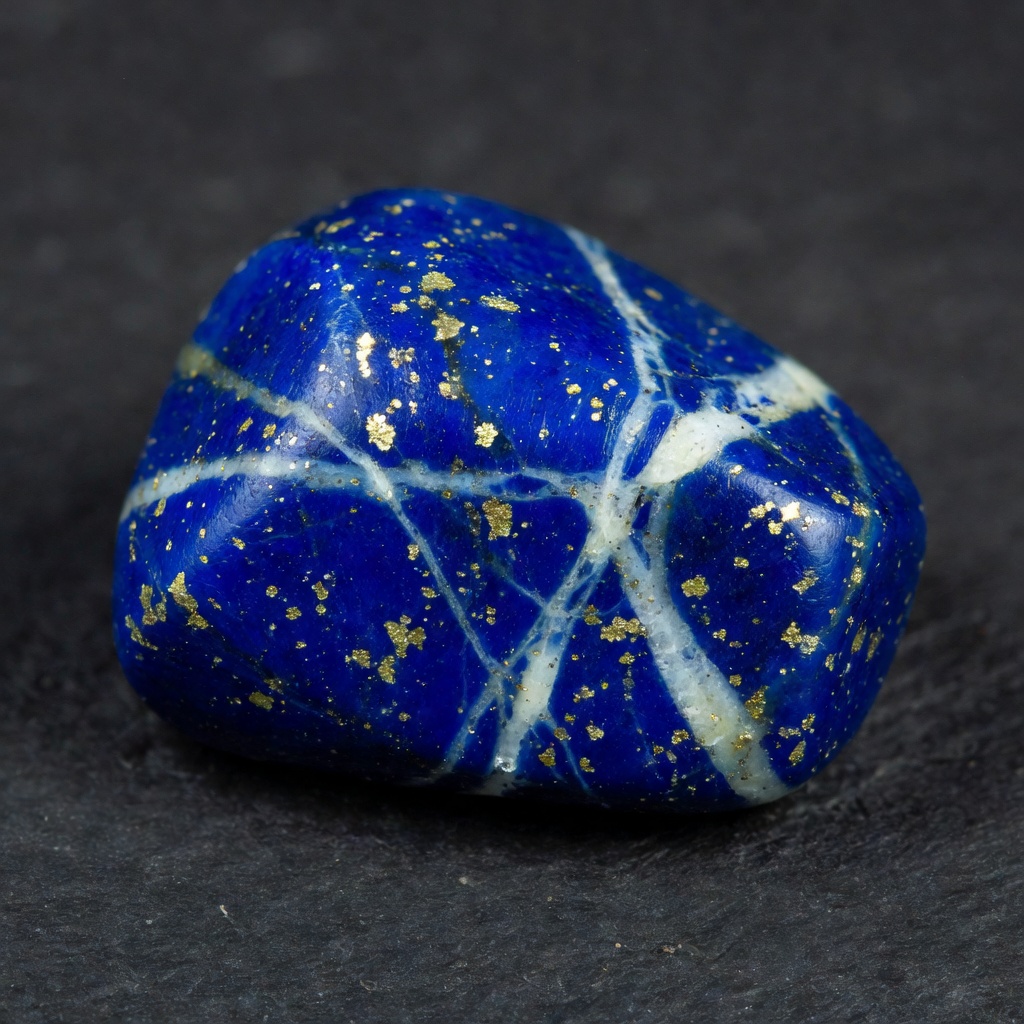
Introduction to Lapis Lazuli: The Stone of Royalty
Lapis lazuli has captivated human civilization for over six millennia with its mesmerizing deep blue hue and golden pyrite inclusions that resemble stars scattered across a twilight sky. When exploring lapis lazuli properties and information, one discovers a remarkable gemstone that bridges the gap between scientific mineralogy and profound metaphysical traditions. This comprehensive guide examines every aspect of this royal stone, from its geological formation deep within the earth's crust to its revered status in crystal healing practices worldwide. Whether you are a collector seeking genuine specimens, a spiritual practitioner exploring lapis lazuli meaning, or simply drawn to its aesthetic beauty, understanding the multifaceted nature of this crystal reveals why it remains one of humanity's most treasured minerals.
Geological Properties and Chemical Composition
Understanding the geological properties of lapis lazuli requires examining its complex mineral composition that creates the stone's distinctive appearance. Genuine lapis lazuli is technically a metamorphic rock rather than a single mineral, composed primarily of lazurite (25% to 40%), which provides the intense blue coloration, combined with calcite (white veining), pyrite (metallic gold flecks), and trace amounts of diopside, mica, and hornblende. On the Mohs hardness scale, lapis ranks between 5.0 and 5.5, making it relatively soft compared to quartz or diamond, which significantly impacts how it should be set in jewelry and handled during daily use. The finest specimens originate from the Sar-e-Sang mines in the Badakhshan province of Afghanistan, where mining operations have continued for over 7,000 years, while significant deposits also exist in Chile's Andes Mountains and Russia's Lake Baikal region, each producing slightly different color variations based on local mineral compositions.
Physical Characteristics and Color Variations
The physical characteristics of lapis lazuli immediately distinguish it from other blue gemstones through its signature ultramarine color that ranges from deep royal blue to slightly violet or greenish-blue tones depending on the lazurite concentration. High-quality specimens display evenly distributed pyrite inclusions that appear as brassy gold flecks, creating the illusion of a starry night sky, while the presence of white calcite veins typically indicates lower grade material though these natural markings authenticate the stone's organic origins. Gemologists classify lapis into several quality grades: AAA grade exhibits intense deep blue color with minimal calcite and abundant pyrite, while commercial grade contains significant white calcite patches and sparse pyrite inclusions. When comparing blue lapis stone benefits to similar minerals, sodalite lacks the characteristic pyrite flecks and typically shows a lighter, more denim-blue coloration, whereas azurite possesses a brighter azure tone but lacks the gold speckling and is significantly softer, making proper identification crucial for collectors and healers seeking specific energetic properties.
Historical Significance Through Ancient Civilizations
The lapis lazuli history stretches back to ancient civilizations where it was valued more highly than gold, with archaeological evidence revealing its use in Mesopotamian artifacts dating to 7,000 years ago and extensive mining operations in Afghanistan's Badakhshan region that supplied the ancient world through treacherous Silk Road trade routes. Ancient Egyptian royalty particularly revered this stone, using it extensively in the burial mask of Tutankhamun, carving it into protective amulets like the Eye of Horus, and grinding it into ultrafine powder for Cleopatra's signature eye makeup, which was believed to provide spiritual protection and enhanced intuition. During the European Renaissance, the pigment derived from genuine lapis lazuli, known as ultramarine, became the most expensive color in an artist's palette, reserved exclusively for depicting the Virgin Mary's robes in religious masterpieces by Vermeer, Michelangelo, and Titian, with some paintings containing lapis worth more than the artist's commission. The stone's journey along ancient trade networks from Afghanistan to Mediterranean civilizations established it as a universal symbol of wisdom, divine favor, and regal authority that transcended cultural boundaries throughout human history.
Metaphysical Properties and Spiritual Meaning
Modern crystal practitioners explore lapis lazuli metaphysical properties through the lens of its historical reputation as the "Stone of Truth" and "Stone of Royalty," believing it activates the higher mind and stimulates the desire for knowledge and understanding. The gem is strongly associated with inner vision and psychic abilities, making it a favored tool for those seeking to enhance intuition, access past life memories, or develop clairvoyant skills during deep meditation practices. Many spiritual traditions connect lapis lazuli meaning to the concept of sovereignty—not merely earthly power, but the recognition of one's inner divine authority and the courage to speak one's truth with conviction and honor. Practitioners often report that working with this crystal creates a protective shield against psychic attacks and energy vampirism while simultaneously encouraging the release of repressed anger and emotional baggage that prevents authentic self-expression. Case studies in crystal healing circles frequently document profound breakthroughs in self-awareness when individuals meditate with lapis placed on the third eye, describing experiences of enhanced dream recall and sudden clarity regarding long-standing life patterns or spiritual purposes.
Healing Benefits and Emotional Properties
The lapis lazuli healing properties extend across physical, emotional, and mental domains, making it a versatile tool in holistic wellness practices. Physically, practitioners associate this blue crystal with throat health, thyroid regulation, and immune system support, often recommending it for conditions involving the larynx, vocal cords, and respiratory system, while also using it to alleviate insomnia, migraine headaches, and menstrual discomfort. Emotionally, the stone serves as a powerful ally for those struggling with anger management, anxiety, or depression, as its calming vibrations help release deep-seated emotional trauma and promote feelings of serenity and self-acceptance. Mentally, users report enhanced clarity, objectivity, and creative problem-solving abilities, making it an excellent crystal for students, writers, and professionals engaged in complex decision-making processes. A practical example involves placing lapis lazuli on a desk during negotiations or difficult conversations, where its energy is believed to facilitate honest communication while maintaining emotional composure, allowing speakers to articulate their needs without aggression or fear.
Chakra Alignment and Energy Work Applications
Understanding lapis lazuli chakra connections reveals why this stone remains fundamental in energy healing practices, as it primarily resonates with the third eye chakra (Ajna) and the throat chakra (Vishuddha), creating a powerful bridge between intuition and expression. When placed on the third eye during meditation, practitioners believe it stimulates the pineal gland, enhances psychic perception, and opens channels to higher consciousness, while throat chakra placement supports truthful communication, creative expression, and the ability to speak one's authentic truth without fear of judgment. Advanced energy workers often use lapis in crystal grid configurations designed for spiritual protection, placing it at the cardinal points around a home or meditation space to create an energetic boundary that filters negative influences while allowing higher vibrational energies to flow freely. For chakra balancing rituals, one effective technique involves lying down and placing lapis on the throat while holding clear quartz in each hand, visualizing a blue light connecting the throat and third eye centers, thereby harmonizing the ability to perceive spiritual truths and communicate them effectively to others. Some traditions also associate lapis with the crown chakra during deep mystical work, using it to facilitate connection with guardian spirits, spirit guides, and the collective unconscious.
How to Use Lapis Lazuli in Daily Life
Integrating lapis lazuli into daily routines requires thoughtful consideration of both its physical softness and its energetic properties, with jewelry placement playing a crucial role in maximizing its benefits throughout the day. Wearing lapis as a necklace positions the stone directly over the throat chakra, supporting clear communication during meetings, presentations, or difficult conversations, while rings allow for constant skin contact and energy exchange, though they require protective settings due to the stone's 5.5 Mohs hardness rating. For meditation practices, holding a polished palm stone or placing a piece on the third eye while reclined can deepen the meditative state, particularly when combined with visualization techniques imagining royal blue light flooding the mind and dissolving mental clutter. In home décor applications, Feng Shui practitioners place lapis in the northern bagua area to support career advancement and life path clarity, or in office spaces to promote honest business dealings and intellectual focus, while smaller specimens can be placed on altars or sacred spaces to enhance spiritual connection. A practical case study involves public speakers keeping a small lapis tumble stone in their pocket to touch before presentations, reporting increased confidence, reduced anxiety, and improved articulation during high-pressure speaking engagements.
Care, Cleaning, and Maintenance Guidelines
Proper lapis lazuli care requires understanding its chemical composition and relative softness, as the stone's calcite content makes it vulnerable to acids, heat, and harsh cleaning methods that could damage its surface or fade its vibrant color. For routine cleaning, gently wipe the stone with a soft cloth dampened with lukewarm water and mild soap, avoiding ultrasonic cleaners, steam cleaning, or chemical jewelry solutions that can dissolve the calcite matrix or damage the pyrite inclusions. Storage practices should include keeping lapis separate from harder gemstones like diamonds, rubies, or quartz to prevent scratching, ideally wrapping pieces in soft cloth or storing them in individual compartments within a jewelry box. To maintain its energetic properties, practitioners recommend recharging lapis lazuli under the light of a full moon for several hours, placing it on a selenite charging plate, or smudging with sage or palo santo to clear accumulated energetic debris, while avoiding prolonged exposure to direct sunlight which can cause the blue color to fade over time. A monthly maintenance routine might involve cleansing the stone in fresh water, drying it immediately with a soft towel, and placing it overnight on a bed of hematite or clear quartz to restore its vibrational frequency.
Identifying Genuine vs. Synthetic Lapis Lazuli
Mastering genuine lapis lazuli identification protects consumers from the widespread market of imitations that include dyed howlite, plastic composites, and artificially colored jasper designed to mimic the appearance of this valuable stone at a fraction of the cost. Visual inspection should focus on the pyrite inclusions: in authentic specimens, these appear as metallic gold flecks distributed throughout the stone with irregular patterns, whereas imitations often feature perfectly uniform gold spots painted on the surface or gold-colored glitter suspended in resin. The acetone test provides a reliable verification method—applying rubbing alcohol or nail polish remover to a cotton swab and rubbing an inconspicuous area will remove dye from fake stones but will not affect genuine lapis lazuli, though this test should be performed carefully to avoid damaging finished jewelry settings. Price serves as a significant indicator, as authentic high-grade Afghan lapis typically commands $20 to $100 per carat depending on quality, while specimens sold for significantly less likely contain synthetic materials or dyed substitutes lacking the metaphysical properties collectors seek. When purchasing investment pieces, always request certification from reputable gemological laboratories such as GIA or IGI, and examine the stone for natural imperfections like calcite veins or irregular pyrite distribution, as perfect uniformity often indicates laboratory-created material rather than earth-formed crystal.
Frequently Asked Questions About Lapis Lazuli
What Are the Main Healing Properties of Lapis Lazuli?
Lapis lazuli is renowned for promoting mental clarity, emotional healing, and physical wellness. It's believed to support the immune system, regulate thyroid function, and alleviate insomnia. Emotionally, it helps release stress, brings deep peace, and encourages self-expression and authentic communication.
How Can I Tell If My Lapis Lazuli Is Real?
Genuine lapis lazuli exhibits natural variations including gold pyrite flecks and occasional white calcite veins. Real stones feel cool to the touch and heavy for their size. Perform an acetone test—rubbing alcohol on a cotton swab won't remove color from authentic lapis, but will from dyed imitations. Natural lapis also lacks perfect uniformity found in synthetic versions.
Which Chakra Is Lapis Lazuli Associated With?
Lapis lazuli primarily resonates with the third eye chakra (Ajna) and the throat chakra (Vishuddha). It stimulates psychic abilities and inner vision through the third eye, while enhancing truthful communication and self-expression through the throat chakra. Some practitioners also use it for the crown chakra during deep meditation.
Can Lapis Lazuli Be Worn Every Day?
While lapis lazuli can be worn daily, it requires care due to its 5-5.5 Mohs hardness rating. Remove before swimming, showering, or exercising to avoid chemical exposure and physical impact. It's best set in protective jewelry settings and removed during sleep to prevent scratching. Regular cleansing maintains its energetic properties for daily wear.
What Is the Spiritual Meaning of Lapis Lazuli?
Spiritually, lapis lazuli represents wisdom, truth, and royalty. Known as the "Stone of Truth," it encourages self-awareness and honest communication. It has been used for millennia to connect with divine energies, enhance spiritual vision, and protect against psychic attacks. Many believe it helps reveal one's inner divine nature and soul purpose.
How Do I Cleanse and Charge My Lapis Lazuli Stone?
Cleanse lapis lazuli using lukewarm water and mild soap, avoiding harsh chemicals and salt water. For energetic cleansing, use sage smudging, placing it on a selenite slab, or burying it in brown rice overnight. Charge it under moonlight (preferably full moon) for several hours, or place it near clear quartz. Avoid prolonged direct sunlight which can fade its color.
Is Lapis Lazuli Expensive?
Lapis lazuli varies widely in price depending on quality. Lower grade material with significant calcite (white patches) costs $1-5 per carat, while high-grade deep blue Afghan lapis with minimal calcite and abundant pyrite can cost $20-100+ per carat. Synthetic and dyed versions are significantly cheaper but lack metaphysical and collectors' value.
What Zodiac Signs Benefit Most From Lapis Lazuli?
Lapis lazuli is traditionally associated with Sagittarius and Libra, though it benefits all signs. Sagittarians appreciate its wisdom-enhancing properties for their philosophical nature, while Libras value its truth-promoting qualities for relationship harmony. It's also considered a birthstone for December and September in various traditions, and supports Virgo's communication needs.