
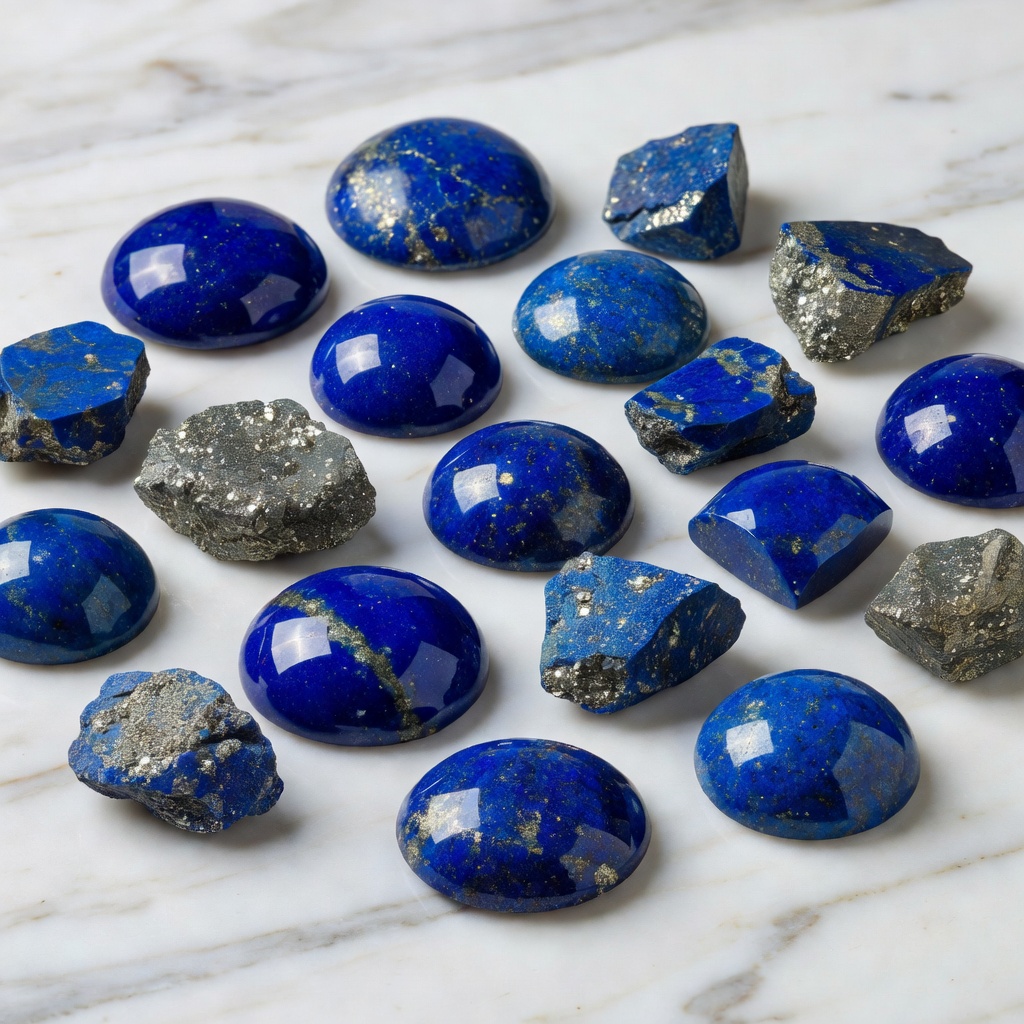
Introduction to Lapis Lazuli Pricing
Lapis lazuli stands as one of humanity's oldest treasured gemstones, with archaeological evidence suggesting trade routes existed over 6,500 years ago connecting ancient Afghanistan to Egypt and Mesopotamia. This ultramarine blue stone adorned the funeral mask of Tutankhamun and provided the precious pigment for Renaissance masterpieces, cementing its status as a cultural and artistic cornerstone throughout history. Understanding the Lapis Lazuli Price Guide requires appreciating this rich heritage while navigating the complex modern market where authenticity and origin play crucial roles in valuation.
Current market values for lapis lazuli demonstrate remarkable diversity, ranging from as little as $1 per carat for commercial-grade material to well over $100 per carat for exceptional specimens. This wide spectrum reflects not only variations in quality but also differences in treatment, provenance, and cut. As we progress through 2024, collectors and jewelry enthusiasts alike must understand that factors such as mining restrictions in Afghanistan and increasing demand for untreated natural stones continue to reshape pricing structures across all quality tiers.
Understanding Lapis Lazuli Quality Grades
The gemstone industry categorizes lapis lazuli into distinct lapis lazuli quality grades that directly correlate with market pricing and appropriate uses. AAA Grade represents the pinnacle of quality, characterized by a deep, saturated azure blue coloration with minimal to no visible white calcite veining. These premium specimens feature optimal pyrite distribution—fine, evenly scattered golden flecks that create a subtle starry-night effect without overwhelming the base color, making them ideal for high-end jewelry and collector investment pieces.
AA Grade lapis occupies the middle market, presenting medium to good blue coloration with some acceptable white calcite veining that does not significantly detract from the overall appearance. These stones often display attractive pyrite patterns and prove excellent for fine jewelry settings where the stone's natural character adds visual interest without compromising beauty. Commercial Grade material, conversely, exhibits pale blue coloring with heavy calcite presence and minimal pyrite, typically priced affordably for bead production, cabochons for silver jewelry, and ornamental carvings where color intensity matters less than the stone's workability.
When evaluating quality, buyers must balance color uniformity against striking pyrite patterns according to their intended application. While investment-grade collectors prioritize solid, intense blue fields with sparse pyrite, jewelry designers sometimes prefer AA stones with dramatic golden veining that creates unique, conversation-starting pieces. Understanding these nuanced preferences helps explain why two stones of similar technical grade might command different prices based on current fashion trends and collector demand.
Key Factors Affecting Lapis Lazuli Prices
Several critical lapis lazuli value factors determine whether a specimen commands premium prices or falls into budget categories. Color intensity stands paramount, with deep violet-blue specimens reminiscent of twilight skies earning the highest premiums in the marketplace. Stones displaying this coveted "Persian Blue" or "Royal Blue" hue without greenish or grayish undertones consistently outperform lighter materials, particularly when the color remains consistent throughout the entire cabochon or rough piece.
Pyrite content requires careful evaluation, as these golden metallic inclusions can either enhance or diminish value depending on their distribution and form. Ideal specimens feature fine, dust-like pyrite particles evenly scattered throughout the blue matrix, creating a subtle shimmer effect. However, when pyrite appears in heavy clusters or thick bands, it may indicate structural weaknesses or create an unbalanced appearance that reduces commercial desirability. Master cutters often orient rough material to maximize attractive pyrite visibility while minimizing calcite exposure.
Calcite presence significantly impacts valuation, as white streaks or clouds within the blue matrix represent the most common detractor from premium pricing. While small calcite inclusions prove the stone's natural origin, extensive veining creates a "diluted" appearance that collectors and high-end jewelers avoid. Additionally, cut quality and polish finish play crucial roles in maximizing light reflection and color saturation. Poorly executed cuts with uneven domes or scratches on the surface can reduce a stone's apparent value by half, regardless of material quality, while expert lapidary work can enhance even modest material to achieve better market positioning.
Lapis Lazuli Price Per Carat Breakdown
Understanding the lapis lazuli price per carat structure helps buyers budget appropriately for different applications and quality expectations. The budget range of $1 to $5 per carat encompasses commercial-grade beads, rough material suitable for tumbling, and lower-quality cabochons intended for casual silver jewelry. These stones typically display lighter blue tones with visible calcite and minimal pyrite, serving well for fashion jewelry, mala beads, and decorative inlay work where the distinctive blue color matters more than gemological perfection.
The mid-tier market commands $10 to $50 per carat for jewelry-quality cabochons and calibrated stones suitable for gold or high-end silver settings. At this price point, buyers should expect consistent medium-to-deep blue coloration with minimal calcite interference and attractive pyrite patterns. These stones represent the sweet spot for designers creating bespoke engagement rings, statement pendants, and heirloom-quality pieces where durability and appearance justify moderate investment.
Collector-grade specimens fetch $100 to $300 or more per carat, representing museum-quality rough or finished pieces with intense azure coloring, minimal calcite, and optimal pyrite distribution. These investment-grade stones often come with documented provenance from specific Afghan mines and appeal to serious collectors and connoisseurs. Wholesale purchasing offers significant advantages, with bulk rough material often trading at 40-60% below retail prices, though such transactions require gemological expertise to assess quality accurately without individual inspection.
Afghan vs. Other Sources: Price Differences
The Afghan lapis lazuli price premium reflects centuries of mining history at the legendary Sar-e-Sang mines in the Badakhshan province, which have produced the world's finest material for over 7,000 years. Afghan stones command higher prices due to their intense, slightly violet-blue coloration that remains the industry standard for "true" lapis quality. Mining challenges, political instability, and export restrictions have further constrained supply, driving prices upward for verified Afghan material, particularly specimens exhibiting the coveted minimal calcite and fine pyrite characteristics.
Chilean lapis from the Andes mountains offers a more affordable alternative, typically trading at 30-50% below comparable Afghan grades. These stones often display unique greenish undertones or lighter azure coloring with more prominent calcite veining, appealing to buyers seeking the lapis aesthetic at accessible price points. While Chilean material rarely achieves the top grades of Afghan stones, it provides excellent value for large statement pieces, carvings, and jewelry where size matters more than intense color saturation.
Russian and Siberian sources contribute limited quantities to the market, with material from the Lake Baikal region occasionally appearing in specialty collections. The scarcity of these stones creates variable pricing dependent on current availability and specific quality characteristics. Savvy collectors recognize that documented provenance significantly influences value, with Afghan material accompanied by mine certificates or reliable dealer documentation commanding substantial premiums over stones of uncertain origin, even when visual characteristics appear similar.
Natural vs. Treated Lapis: Value Comparison
Understanding the distinction between natural vs treated lapis proves essential for making informed purchasing decisions and appropriate valuation. Dyeing techniques involve impregnating pale or white calcite-heavy material with blue coloring agents to simulate high-grade Afghan appearance. While dyed stones offer affordable access to the lapis aesthetic, they lack the depth and permanence of natural color, often appearing unnaturally uniform and potentially fading over time with exposure to sunlight or skin oils. Market acceptance varies, with dyed material generally restricted to costume jewelry and decorative objects rather than fine jewelry applications.
Stabilization treatments using clear resins or polymers represent a different category, improving the durability of naturally colored but structurally weak material without significantly altering appearance. This process fills surface-reaching fractures and binds friable pyrite, making otherwise fragile stones suitable for daily wear in rings and bracelets. Professional jewelers often prefer stabilized natural-color lapis for commercial jewelry production, as it reduces breakage risks during setting and customer wear while maintaining authentic coloration.
The price differential between treated and natural material typically ranges from 30% to 60%, with untreated, high-grade Afghan stones maintaining premium positions in the investment market. Ethical buying considerations demand full disclosure from sellers regarding any treatments, as undisclosed enhanced material represents a significant consumer protection issue. Reputable dealers provide certification or written guarantees of natural origin for expensive purchases, while treated stones should be clearly labeled and priced accordingly to maintain market transparency and buyer trust.
Common Lapis Lazuli Scams and Red Flags
Navigating the lapis market requires vigilance against common substitutions and deceptive practices that plague inexperienced buyers. Sodalite, a deep blue mineral often containing white calcite, frequently masquerades as lapis lazuli in tourist markets and online auctions, though it lacks the characteristic pyrite inclusions. Similarly, dyed howlite or marble presents another common fraud, with unscrupulous sellers applying blue dye to white porous stones to simulate high-grade lapis at bargain prices. These fakes typically feel lighter than genuine lapis and display color concentrations in surface cracks rather than natural mineral distribution.
Reconstituted material presents a more sophisticated deception, manufactured by crushing low-grade lapis or lapis dust, mixing it with resin and dye, then pressing it into blocks for cutting. While technically containing lapis components, these stones lack the natural crystalline structure and value of solid rough material. Tourist locations, particularly in gem-producing regions and airport shops, notoriously overcharge for low-grade material, often applying 300-500% markups to commercial-grade beads and cabochons based on exotic location appeal rather than actual quality.
Lapis lazuli buying tips emphasize the importance of laboratory certification for purchases exceeding $500, with reputable gemological laboratories such as GIA or AGL providing treatment reports and authenticity verification. Buyers should examine stones under magnification for natural mineral inclusions, request specific gravity testing when possible, and be wary of prices that seem disproportionately low for claimed quality grades. Establishing relationships with trusted dealers who offer reasonable return policies provides the best protection against costly mistakes in this historically significant but occasionally treacherous market.
Where to Buy Quality Lapis Lazuli
Securing authentic, fairly priced lapis lazuli requires careful source selection and due diligence throughout the purchasing process. Reputable gem dealers and established jewelry stores with transparent return policies offer the safest entry point for significant investments, allowing physical examination of color, weight, and natural characteristics before commitment. Professional dealers maintain direct relationships with mining operations or rough wholesalers, providing chain-of-custody documentation that verifies Afghan origin or other provenance claims essential for valuation.
The Tucson Gem and Mineral Show, held annually in Arizona, represents the premier international venue for sourcing lapis directly from Afghan exporters and specialized dealers, offering competitive pricing and vast selection across all quality grades. Similar professional trade events in Hong Kong, Basel, and Jaipur provide opportunities for wholesale purchasing and networking with reputable suppliers. These venues allow buyers to compare dozens of specimens simultaneously, developing the visual literacy necessary to distinguish between grades and detect treatments effectively.
Online marketplaces offer convenience but require enhanced precautions: scrutinize high-resolution photos for natural color variation rather than uniformity, verify seller ratings and review histories, and insist on certification for expensive pieces. When engaging with sellers, specific questions should address treatment disclosure ("Has this stone been dyed or stabilized?"), origin verification ("Can you confirm this material came from Afghan mines?"), and return policies. Reputable vendors welcome these inquiries and provide detailed responses, while evasive sellers often indicate potential problems with authenticity or quality misrepresentation.
Investment Potential and Care
Market analysis reveals steady appreciation for untreated, high-grade Afghan lapis lazuli value factors related to scarcity and cultural significance. As mining operations in the Badakhshan region face increasing regulatory and security challenges, supply constraints continue driving prices upward for top-tier material, particularly specimens exceeding 10 carats with intense color and minimal calcite. However, this investment potential applies primarily to untreated, well-documented stones; treated material and lower grades show minimal appreciation and function better as wearable jewelry than stored assets.
Proper storage practices preserve both beauty and value, requiring protection from prolonged direct sunlight that can fade natural coloration over decades and isolation from household chemicals including perfumes, cleaning agents, and cosmetics. Store lapis jewelry in soft cloth pouches separate from harder gemstones like diamonds or sapphires that might scratch the relatively soft surface (5-5.5 on the Mohs scale). Maintain stable humidity levels to prevent the stone's pyrite components from oxidizing, which can cause surface discoloration or structural weakening over time.
Cleaning requires gentle handling using only lukewarm water and mild soap applied with a soft brush, avoiding ultrasonic cleaners that can loosen fillings in stabilized stones or damage natural inclusions. Never expose lapis to steam cleaning or harsh chemical dips designed for harder gemstones. For specimens valued over $1,000, specialized jewelry insurance riders provide protection against loss or damage, with appraisals updated every three to five years to reflect current market values. This combination of careful maintenance and appropriate insurance ensures that quality lapis lazuli remains both a wearable treasure and a stable store of value for future generations.
Frequently Asked Questions
How much does high-quality lapis lazuli cost per carat?
Premium AAA-grade Afghan lapis lazuli typically ranges from $50 to $300 per carat depending on color depth and pyrite distribution. Mid-quality jewelry-grade stones usually cost between $10-$50 per carat, while commercial beads can be found for $1-$5 per carat.
Why is Afghan lapis lazuli more expensive than Chilean varieties?
Afghan lapis from the Sar-e-Sang mines commands higher prices due to its intense royal blue color with minimal calcite and optimal golden pyrite inclusions. Chilean lapis tends to have lighter blue tones with more visible calcite and sometimes greenish undertones, making it less valuable in the collector market.
How can I tell if lapis lazuli is real or fake?
Genuine lapis lazuli feels cold to the touch, shows natural color variations under magnification, and may have calcite inclusions. Fake lapis (often sodalite or dyed howlite) appears too uniform in color. The hot needle test can detect plastic resins, and authentic lapis will not fade in acetone while dyed stones will.
Is treated lapis lazuli worth buying?
Treated lapis can be worthwhile for jewelry purposes if properly disclosed and priced accordingly. Stabilized lapis (impregnated with resin) is more durable for daily wear, while dyed stones should be avoided unless for costume jewelry. Expect to pay 30-60% less for treated material compared to natural specimens.
What is the most valuable color of lapis lazuli?
The most valuable lapis lazuli displays a deep, intense azure or violet-blue color often described as 'Persian Blue' or 'Royal Blue.' This color should be uniform without white calcite streaks, though subtle, evenly distributed golden pyrite flecks are desirable and add to the stone's value.
How do I calculate lapis lazuli price per gram?
To convert carat prices to grams, multiply the per-carat price by 5 (since 1 gram equals 5 carats). For example, if lapis costs $20 per carat, the gram price would be approximately $100. Bulk purchases of rough material are often priced by kilogram rather than carat weight.
Does lapis lazuli increase in value over time?
Untreated, high-grade Afghan lapis lazuli has shown steady appreciation due to mining restrictions and diminishing supply. However, treated stones and lower grades do not typically appreciate significantly. Rarity of top-color material with minimal calcite drives long-term investment potential.
Where should I avoid buying lapis lazuli?
Avoid purchasing from tourist traps, airport shops, or unverified online sellers offering 'too good to be true' prices. Be particularly cautious of sellers who cannot provide origin information or treatment disclosure. Always buy from dealers offering return policies and certification for expensive specimens.


