Understanding Lapis Lazuli: History and Significance
Lapis lazuli stands as one of humanity's most treasured gemstones, with a legacy stretching back over six millennia to the ancient civilizations of Egypt and Mesopotamia. Ancient Egyptian pharaohs adorned themselves with intricate scarabs and pectorals crafted from this mesmerizing blue stone, while the legendary ultramarine pigment derived from genuine lapis lazuli transformed Renaissance painting, appearing in masterpieces by Vermeer and Michelangelo. The stone's name itself derives from the Latin "lapis" (stone) and the Persian "lazhuward" (blue), reflecting its deep connection to trade routes that connected Afghanistan to the Mediterranean world.
Beyond its aesthetic applications, lapis lazuli has long been associated with metaphysical properties centered on wisdom, truth, and intellectual clarity. Crystal practitioners believe the stone activates the third eye chakra, enhancing intuition and facilitating honest communication, which explains its historical use in royal seals and sacred amulets across diverse cultures. Modern artisans continue to value lapis for its applications in fine jewelry, decorative boxes, and inlaid furniture, where its distinctive golden pyrite inclusions create the illusion of stars scattered across a twilight sky. Whether you seek a meaningful birthstone alternative for December or an investment-grade mineral specimen, understanding this rich heritage provides essential context for evaluating quality in today's marketplace.
Quality Grading: Decoding AAA, AA, and Commercial Grades
Navigating the lapis lazuli market requires familiarity with standardized grading terminology that separates museum-quality specimens from decorative material. The lapis lazuli quality grades system categorizes stones based on color intensity, calcite content, and pyrite distribution, with AAA representing the pinnacle of natural beauty and commercial grades serving costume jewelry needs. Professional gemologists evaluate these specimens under standardized lighting conditions to assess the depth of blue saturation and the presence of undesirable white veining that diminishes both aesthetic appeal and market value.
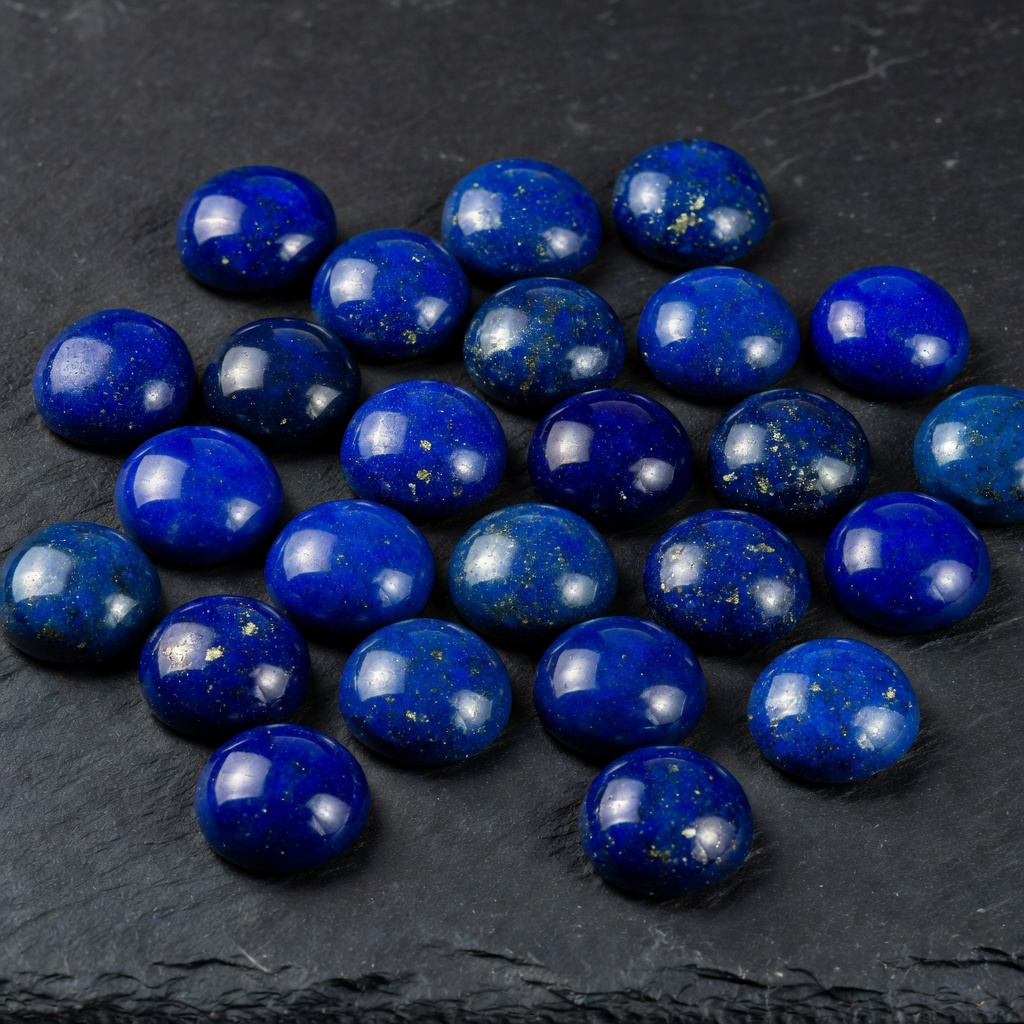
AAA grade lapis lazuli commands premium prices due to its intense, uniform violet-blue to royal blue coloration with virtually no visible calcite interference. These top-tier stones feature strategically scattered golden pyrite inclusions that enhance rather than overwhelm the base color, creating the coveted "starry night" effect prized by collectors. AA grade material offers excellent value for fine jewelry, displaying moderate pyrite distribution with slight color variation and minimal calcite veining that remains subtle rather than dominant. Commercial grade stones, while affordable, exhibit heavy white calcite streaking, dull gray-blue coloring, and either excessive pyrite that appears muddy or insufficient metallic flecks, making them suitable for beaded necklaces and casual wear rather than investment pieces.
Origin Matters: Afghan vs Chilean vs Russian Sources
Geographic provenance significantly influences both the aesthetic characteristics and market valuation of lapis lazuli specimens, with certain mining regions commanding substantial premiums over others. Afghan lapis lazuli, specifically material extracted from the legendary Sar-e-Sang mines in the Badakhshan province, represents the gold standard against which all other sources are measured. These deposits, situated in the remote Hindu Kush mountains at elevations exceeding 10,000 feet, have produced the world's finest ultramarine pigment material for over 7,000 years, yielding stones with incomparable deep blue saturation and minimal calcite contamination.
Chilean lapis lazuli, mined primarily in the Andes Mountains near Ovalle, offers a distinctly different aesthetic with lighter, sometimes slightly greenish-blue tones and characteristic heavy calcite veining. While Chilean material can produce beautiful cabochons and beads, it typically commands lower lapis lazuli price per carat than Afghan specimens due to its softer coloration and higher white matrix content. Russian deposits, particularly those in the Lake Baikal region and Siberia, produce lapis with excellent color density rivaling Afghan material, though limited production volumes and export restrictions make these specimens rarer and often more expensive in Western markets. Secondary sources including Pakistan, Angola, and Italy yield material that varies widely in quality, emphasizing the importance of country-of-origin documentation when making significant purchases.
The Four Cs of Evaluation: Color, Clarity, Cut, and Carat
Applying diamond grading principles to lapis lazuli provides a systematic framework for assessing value and quality before committing to a purchase. Color reigns supreme in lapis evaluation, with the most desirable specimens displaying a saturated violet-blue to royal blue often described as "Afghan blue" or "Persian blue" in trade terminology. Stones leaning toward turquoise or greenish-blue hues generally indicate lower quality or alternative mineral compositions, while excessive white calcite creates a "denim" appearance that significantly reduces commercial value regardless of carat weight.
Clarity in lapis lazuli operates differently than in transparent gemstones, where inclusions represent flaws; instead, strategic pyrite distribution enhances desirability when the metallic flecks appear as discrete crystals rather than overwhelming streaks. Master cutters optimize rough material through cabochon cuts that maximize color uniformity and minimize visible calcite veining, though high-quality rough may also become precision-faceted stones for designer jewelry. Carat weight affects pricing non-linearly, with clean cabochons exceeding 20 carats commanding significant premiums due to the rarity of finding large pieces without internal fractures or excessive calcite. When examining beads or carved objects, uniform color matching across the entire strand indicates careful material selection and higher overall lapis lazuli quality grades.
Authentication Techniques: Spotting Fakes and Synthetics
The proliferation of imitations necessitates vigilant testing procedures to ensure you acquire genuine lapis lazuli rather than dyed howlite, marble, or plastic composites. The acetone swab test provides immediate preliminary results: apply a cotton swab soaked in nail polish remover to an inconspicuous surface area, then examine the swab for blue residue, which indicates dyed material since natural lapis is colorfast. Real lapis lazuli feels noticeably cool to the touch and heavy for its size due to its dense mineral composition, whereas plastic imitations feel warm and lightweight, often showing perfect color uniformity that rarely occurs in nature.
UV fluorescence examination reveals polymer resins used in reconstituted or stabilized fakes, which often glow under ultraviolet light while natural lapis remains inert. Under 10x magnification, authentic pyrite inclusions appear as distinct crystalline structures with metallic luster and irregular shapes, while painted imitations display perfectly round gold dots or superficial glitter applications that lack three-dimensional depth. Advanced testing methods include specific gravity measurements, with genuine lapis lazuli typically registering between 2.7 and 2.9, significantly heavier than plastic alternatives or chalk-like howlite. When purchasing high-value specimens, always request laboratory certification from recognized institutions such as GIA or AGL, which verify not only authenticity but also disclosure of any lapis lazuli treatments.
Treatment Disclosure: What Every Buyer Must Know
Understanding enhancement practices proves essential for making informed purchasing decisions and maintaining realistic price expectations in the lapis lazuli marketplace. Traditional lapis lazuli treatments include waxing or oiling, where colorless paraffin or natural oils fill surface-reaching fractures to improve luster and mask minor calcite veining; these practices are generally acceptable in the trade if properly disclosed and do not significantly affect value. However, modern dyeing techniques present more serious concerns, as unscrupulous dealers impregnate pale or white calcite-rich material with blue aniline dyes to simulate high-grade Afghan coloration, creating stones that may fade rapidly when exposed to sunlight or cleaning solutions.
Reconstituted lapis represents another category requiring careful scrutiny, manufactured by crushing low-grade material, mixing it with binding resins and dyes, then compressing the mixture into blocks for cutting. These composites display unnaturally uniform texture, perfectly consistent color lacking natural variation, and density measurements that differ significantly from natural stone. When evaluating potential purchases, examine edges and drill holes for dye concentrations, check for the "hot spot" effect where surface color appears more intense than interior material, and request written documentation regarding any enhancements. Treated stones serve appropriate purposes in fashion jewelry when priced accordingly, but collectors seeking investment-grade specimens should prioritize untreated natural material with full disclosure certificates.
Pricing Guide: From Budget Beads to Investment Specimens
The lapis lazuli price per carat spectrum spans an enormous range, reflecting the vast differences between commercial bead material and museum-quality cabochons suitable for serious collectors. Entry-level commercial grade rough and beads typically trade between $1 and $5 per carat, featuring prominent white calcite veining, pale blue coloring, and minimal pyrite content suitable for costume jewelry and craft applications. Mid-grade AA material with decent color and moderate inclusions generally commands $10 to $20 per carat, offering excellent value for custom jewelry pieces where individual stone characteristics add organic charm rather than detract from appearance.
Premium AAA grade Afghan material with intense ultramarine color, minimal calcite, and strategic pyrite distribution can reach $20 to $100+ per carat, with exceptional specimens exceeding 50 carats potentially commanding significantly higher premiums due to rarity. Vintage and antique lapis pieces require separate valuation considerations, where provenance, craftsmanship, and historical significance may outweigh raw material quality; Victorian-era carved cameos or Egyptian Revival pieces often sell for multiples above their intrinsic mineral value. When budgeting for significant purchases, remember that cutting style affects pricing, with simple cabochons generally costing less than precision-faceted stones or intricate carvings that result in higher material loss during manufacturing.
Trusted Purchasing Channels: Online Dealers and Local Markets
Sourcing genuine lapis lazuli requires selecting reputable vendors who provide transparency regarding origin, treatments, and return policies. Established e-commerce platforms specializing in colored gemstones typically offer superior buyer protection compared to general auction sites, providing high-resolution photography, certification options, and reasonable return windows for examination. Look for dealers who specialize specifically in lapis lazuli or Afghan gemstones, as these specialists possess the expertise to accurately grade material and source directly from mining cooperatives in Badakhshan province, ensuring both authenticity and ethical provenance.
International gem shows, particularly the Tucson Gem and Mineral Show in Arizona and the Bangkok Gem and Jewelry Fair, offer opportunities to examine material personally and negotiate bulk pricing, though navigation requires knowledge of market norms and quality indicators. When attending these events, visit established wholesale dealers in permanent showrooms rather than temporary booth vendors, and request references from previous customers before committing to large purchases. Exercise extreme caution at tourist markets in places like Istanbul, Jaipur, or Kabul, where dyed howlite and reconstituted material frequently masquerade as high-grade Afghan lapis; red flags include prices that seem too good for claimed quality, vendors who resist magnification testing, and stones offered without any documentation in high-pressure sales environments.
Long-term Care: Preserving Value and Beauty
Proper maintenance ensures your lapis lazuli investment retains both its aesthetic appeal and market value across generations. This relatively soft gemstone, ranking 5 to 5.5 on the Mohs hardness scale, exhibits significant chemical sensitivity to acids, including common household substances like vinegar, lemon juice, and perfume, which can etch surfaces or remove protective wax coatings. Never expose lapis to ultrasonic cleaners, steam cleaning, or harsh chemical dips designed for harder gemstones like diamonds or sapphires, as these processes can fracture the stone or drive cleaning solutions into porous calcite areas, causing permanent discoloration.
Storage practices significantly impact longevity, with individual soft pouches or compartmented jewelry boxes preventing scratches from harder gemstones like diamonds, rubies, or even quartz. When wearing lapis jewelry, apply perfumes and cosmetics before putting on pieces, and remove rings before washing hands or handling cleaning products. Over time, surface wear may dull the polish on cabochons or beads, but professional lapidaries can often restore original luster through gentle re-polishing techniques that remove microscopic surface scratches without significantly reducing carat weight. By understanding these care requirements and purchasing appropriately graded material from the outset, collectors ensure their lapis lazuli quality grades remain stable and beautiful for decades of enjoyment.
Frequently Asked Questions
How much should I expect to pay for genuine lapis lazuli?
Quality genuine lapis lazuli typically ranges from $1 to $5 per carat for commercial grade with visible calcite, while AAA grade Afghan material with intense blue color and strategic pyrite can command $20 to $100+ per carat depending on size and cut.
What is the difference between AAA and AA grade lapis lazuli?
AAA grade lapis displays a uniform, intense violet-blue to royal blue color with minimal white calcite and evenly distributed pyrite inclusions. AA grade shows slight color variation, moderate calcite veining, and acceptable but less optimal pyrite distribution, making it suitable for jewelry but less valuable for investment.
How can I tell if my lapis lazuli is real or fake?
Test genuine lapis by rubbing it with acetone-soaked cotton (dyed imitations will transfer color), checking for cool stone temperature versus plastic warmth, and examining pyrite inclusions under magnification—real pyrite appears as crystalline flecks, while fakes often show painted gold dots or perfect glitter distribution.
Is treated lapis lazuli worth buying?
Waxed or oiled lapis is acceptable for jewelry if disclosed and priced accordingly, but dyed or reconstituted material should be avoided for investment purposes. Always request treatment disclosure and expect lower prices for enhanced stones compared to untreated natural specimens.
Which country produces the highest quality lapis lazuli?
Afghanistan, specifically the Sar-e-Sang mines in the Badakhshan province, produces the world's finest lapis lazuli characterized by intense ultramarine blue color and minimal calcite. Chilean material tends toward lighter blues with more calcite, while Russian deposits offer good quality but limited availability.
What color of lapis lazuli is most valuable?
The most valuable lapis lazuli displays a deep, saturated violet-blue to royal blue often described as 'Afghan blue' or 'Persian blue.' Stones should show minimal white calcite veining and contain strategically scattered golden pyrite inclusions that resemble stars in a night sky without overwhelming the base color.
Can I wear lapis lazuli jewelry every day?
While lapis ranks 5-5.5 on the Mohs hardness scale and can be worn regularly, it requires protection from hard impacts, acids (including perfume and household cleaners), and extreme temperature changes. Reserve rings for occasional wear and choose pendants or earrings for daily use to prevent surface scratching.