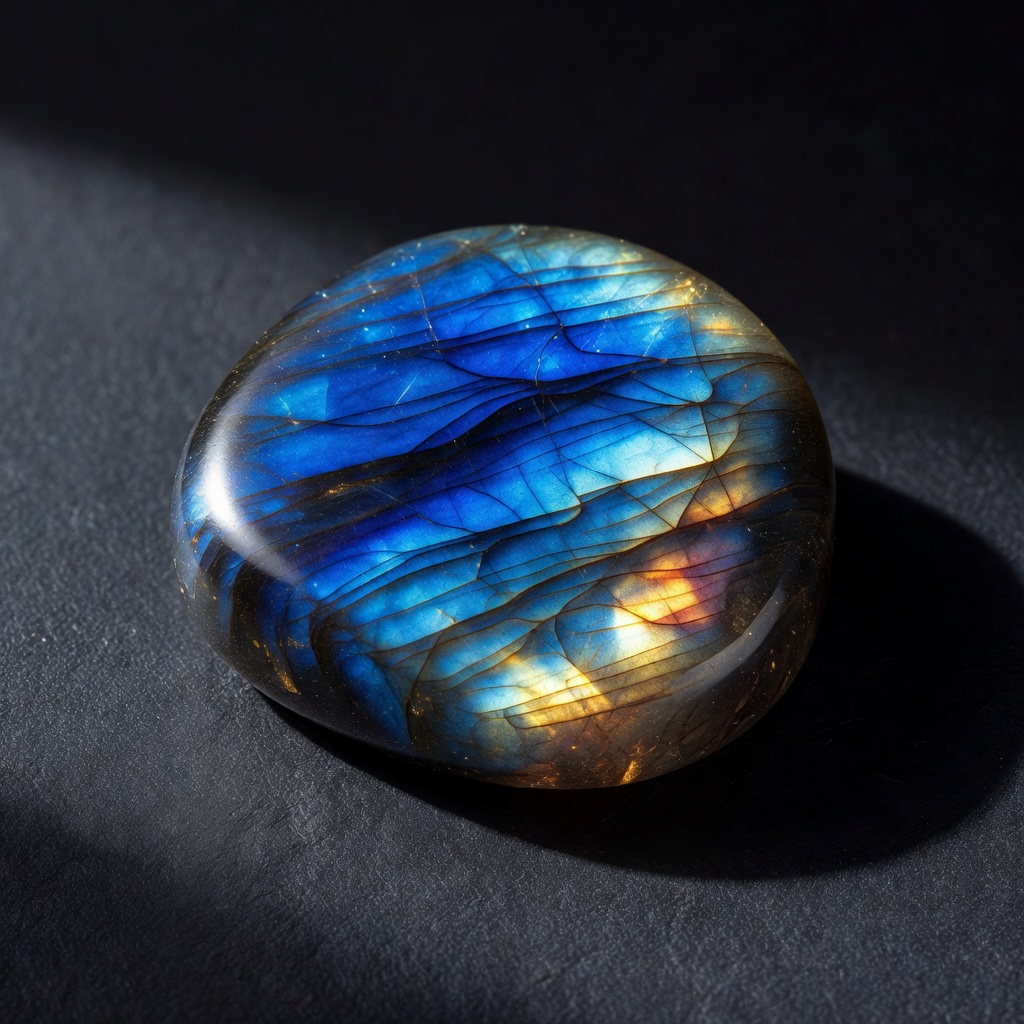
What Is Labradorite? Understanding the Basics
Labradorite stands as one of the most visually captivating minerals within the feldspar family, specifically classified as a calcium sodium feldspar mineral within the plagioclase series. This extraordinary gemstone was first discovered in 1770 on the Isle of Paul near Labrador, Canada, by Moravian missionaries who were immediately struck by its otherworldly appearance and geological significance. The stone's name pays homage to its Canadian origins, though deposits have since been identified across multiple continents, each offering slightly different variations in color intensity and matrix patterns.
The defining characteristic that separates labradorite from other feldspar minerals is its unique optical phenomenon called labradorescence, which creates breathtaking iridescent color flashes across its surface. Unlike the consistent coloration found in stones like sapphire or emerald, labradorite displays an ephemeral play of light that seems to dance beneath the stone's surface, shifting and changing as you move the specimen under different lighting conditions. This interplay of colors has contributed significantly to the labradorite meaning throughout various cultures, often associated with the Northern Lights or Aurora Borealis that illuminate the same Canadian skies where the stone was first unearthed.
Physical Properties and Gemstone Characteristics
Understanding the technical labradorite properties and information is essential for both collectors and jewelry enthusiasts who wish to properly care for this delicate yet stunning feldspar mineral. On the Mohs hardness scale, labradorite registers between 6 and 6.5, which makes it moderately durable but still susceptible to scratching from harder materials like quartz or topaz, necessitating protective settings when incorporated into rings or bracelets that might encounter daily wear. This relative softness means that labradorite requires thoughtful consideration in jewelry design, typically favoring protective bezel settings or pendants and earrings that minimize impact and abrasion.
Crystallographically, labradorite belongs to the triclinic crystal system, featuring perfect cleavage in two directions that creates natural planes of separation within the stone structure. The specific gravity ranges from 2.68 to 2.72, giving genuine specimens a satisfying heft when held in the hand that distinguishes them from lighter plastic or glass imitations. The base colors of labradorite typically range from dark gray to black, though some rare specimens may appear nearly colorless or yellowish, with translucent to transparent qualities that allow light to penetrate and interact with the internal crystal structures responsible for its famous optical effects.
The Science Behind Labradorescence
The mesmerizing visual effect known as labradorescence represents one of the most fascinating optical phenomena in the mineral kingdom, occurring when light enters the stone and encounters microscopic lamellar twinning structures within the crystal lattice. These ultra-thin, alternating layers of different feldspar compositions act as diffraction gratings, causing light waves to interfere with one another and producing the brilliant spectral colors that seem to emanate from within the stone itself. When you rotate a high-quality specimen under a light source, you can observe how the angle of incidence changes the visible colors, demonstrating the physics of light interference that makes this feldspar mineral so prized among collectors.
The color spectrum displayed through labradorescence spans from electric blue and peacock green to warm gold and orange, with rare specimens exhibiting unusual purple or pink flashes that command premium prices in the gemstone market. It is crucial to distinguish between true labradorescence and similar phenomena like adularescence seen in moonstone, which produces a billowy, cloud-like sheen rather than the sharp, directional flashes characteristic of high-quality labradorite. While both effects result from light interference within layered crystal structures, labradorescence typically presents more vibrant and varied colors compared to the milky blue glow associated with adularescent moonstone varieties.
Metaphysical Properties and Spiritual Significance
Within spiritual and healing communities, labradorite has earned the revered title of "Stone of Transformation," serving as a powerful ally for individuals navigating significant life changes, personal growth periods, and spiritual awakening processes. The stone's energy is believed to create a protective barrier around the auric field, effectively preventing energy leakage and shielding the wearer from negative influences or psychic attacks that might deplete their vital force. Many practitioners recommend carrying labradorite during times of transition—whether changing careers, ending relationships, or relocating—to maintain energetic stability and clarity when facing the unknown.
From a chakra perspective, labradorite maintains primary associations with the Third Eye (Ajna) and Crown (Sahasrara) energy centers, facilitating enhanced intuition, psychic perception, and connection to higher consciousness. Meditation practitioners often place labradorite directly on the forehead between the eyebrows to stimulate the pineal gland and open channels of inner vision, while others wear it as pendants resting near the heart to bridge the gap between earthly existence and spiritual realms. The stone's reputation for enhancing synchronicity and coincidence awareness makes it particularly valuable for those pursuing creative endeavors or seeking to deepen their understanding of universal mysteries.
Types, Varieties, and Geographic Sources
The world of labradorite encompasses several distinct varieties and sources, each offering unique characteristics that appeal to different aesthetic preferences and metaphysical applications. Spectrolite, the premium variety found exclusively in Finland, represents the pinnacle of labradorite quality, displaying the full rainbow spectrum of colors including rare and highly coveted purple, pink, and vivid orange flashes against an exceptionally dark base material. Finnish spectrolite commands respect in the gemstone community not only for its intense color play but also for its cultural significance, as Finland has designated it as their national stone and carefully regulates its extraction to preserve this geological treasure.
Madagascar has emerged as another major source for high-grade labradorite, particularly varieties featuring the electric blue flash that many collectors consider the classic representation of this stone's beauty. Canadian deposits in Labrador and Newfoundland continue to produce the traditional dark-base material with strong schiller effects, while Norwegian and Russian sources offer specimens with more subtle but equally beautiful labradorescence and distinctive matrix patterns. Rainbow labradorite, a term often used to describe stones showing multiple colors simultaneously, appears across these various localities, though Madagascar and Finland consistently produce the most vivid multicolor specimens that showcase the stone's full optical potential.
Healing Properties and Wellness Benefits
Advocates of crystal healing attribute numerous physical wellness benefits to labradorite, particularly regarding eye health, brain function, and metabolic regulation, though these applications should complement rather than replace conventional medical treatment. Traditional healers have utilized labradorite to address eye disorders and vision problems, believing that the stone's play of light stimulates the optic nerves and supports overall ocular health. Additionally, some practitioners suggest that the stone's energy resonates with the brain and nervous system, potentially aiding in balancing neurological functions and supporting mental acuity during periods of intense study or intellectual work.
Emotionally, labradorite offers profound support during times of transition, helping to reduce anxiety responses and stabilize mood fluctuations that often accompany major life changes. The stone acts as an emotional balancer, grounding the user while simultaneously lifting heavy, negative thought patterns that might otherwise spiral into depression or stagnation. Many creative professionals keep labradorite on their desks to banish mental blocks and boost innovative thinking, as the stone is believed to activate the imagination and encourage the exploration of new ideas without the paralyzing effects of self-doubt or fear of judgment.
How to Identify Genuine Labradorite
As labradorite has grown in popularity, the market has seen an influx of imitations and treatments designed to mimic its distinctive appearance, making genuine labradorite identification skills essential for serious collectors. Authentic labradorite exhibits natural labradorescence that shifts and changes color and intensity when rotated under a light source, whereas fakes often display painted or foil-backed surfaces with static colors that remain constant regardless of viewing angle. When examining a potential purchase, rotate the stone slowly under a single light source; genuine material will reveal different colors or intensity changes as the internal crystal layers catch the light at various angles.
Physical examination should include looking for natural inclusions, cleavage planes, and fracture patterns that are characteristic of this feldspar mineral and rarely present in glass or plastic imitations. Genuine labradorite feels cool to the touch initially and possesses substantial weight for its size due to its specific gravity of 2.68-2.72, while plastic resins feel warmer and lighter. You can perform a simple hardness test by attempting to scratch the stone with a steel knife (hardness 5.5); real labradorite, ranking 6-6.5 on the Mohs scale, should resist scratching, whereas glass imitations may show marks or fail to exhibit the natural cleavage patterns visible under magnification.
Practical Uses and Daily Applications
Incorporating labradorite into daily life extends beyond mere aesthetic appreciation, offering practical applications in jewelry design, meditation practices, and environmental energy management. When designing or selecting labradorite jewelry, prioritize protective bezel settings or designs that shield the stone's edges, as the mineral's perfect cleavage makes it vulnerable to chipping or splitting if struck against hard surfaces. Pendants worn over the heart or Third Eye chakra provide constant energetic contact with the skin, while earrings place the stone near the temples to enhance mental clarity and intuitive perception throughout the day.
Meditation practitioners utilize labradorite to deepen their practice by holding the stone in the receptive left hand while visualizing its protective light surrounding their energy field, effectively creating a shield against psychic debris during astral travel or deep trance work. In feng shui applications, placing labradorite near entryways creates a protective barrier for the home, filtering out negative energies while allowing positive vibrations to flow freely. Workplace environments benefit from labradorite placement on desks or in creative studios, where it serves to filter out office politics and electromagnetic stress while simultaneously boosting innovative thinking and problem-solving capabilities.
Proper Care, Cleansing, and Maintenance
Maintaining the beauty and energetic integrity of labradorite requires understanding its physical vulnerabilities and respecting the delicate nature of this feldspar mineral. Avoid prolonged water exposure, as moisture can seep into microscopic fractures and weaken the stone's structure over time, particularly along its cleavage planes. Similarly, avoid ultrasonic cleaners and harsh chemical detergents, which can damage the surface polish and potentially cause internal fracturing due to the stone's sensitivity to rapid temperature changes and vibrational stress.
For energetic maintenance, safe cleansing methods include placing labradorite under the light of the full moon overnight to recharge its vibrational frequency without risking physical damage. Smudging with white sage, palo santo, or sweetgrass effectively clears accumulated negative energies while honoring the stone's connection to spiritual realms. When storing labradorite, wrap individual specimens in soft cloth to prevent scratching from harder stones like diamonds or sapphires, and keep them away from direct sunlight which can, over extended periods, cause fading of the base material or diminish the intensity of the labradorescence effect.
Buying Guide: Quality Factors and Valuation
Navigating the labradorite market requires understanding specific quality factors that significantly impact both aesthetic appeal and monetary value. When evaluating specimens, prioritize the intensity of the color flash and the direction of the schiller effect—the most valuable pieces display vivid, full-face flashes that cover large surface areas rather than small, isolated spots of color. The body tone darkness also plays a crucial role, with darker gray to black bases providing better contrast for the labradorescence than lighter-colored matrix materials, making the colors appear more brilliant and saturated.
Clarity standards for labradorite differ from those of transparent gemstones like diamonds, as natural inclusions are expected and accepted, though surface-reaching fractures should be avoided as they compromise structural integrity. Price ranges vary dramatically based on carat weight, with larger specimens commanding premium prices, particularly those from prestigious origins like Finland or Madagascar. The dominance of blue versus multicolor flashes also affects valuation—while electric blue remains the most commercially popular color, specimens displaying rare purple, pink, or full rainbow effects typically achieve higher prices per carat among serious collectors seeking unique pieces for their mineral collections.
Frequently Asked Questions About Labradorite
What are the main labradorite properties I should know about?
Labradorite is a calcium sodium feldspar mineral with a hardness of 6-6.5, displaying unique labradorescence—an iridescent optical effect showing blue, green, gold, or purple flashes. Metaphysically, it's known as a transformation stone that enhances intuition, protects the aura, and connects to the Third Eye and Crown chakras.
How can I tell if my labradorite is real or fake?
Genuine labradorite exhibits natural labradorescence that changes color and intensity when rotated under light, while fakes often have painted surfaces with static colors. Real specimens feel cool and heavy for their size, show natural inclusions or cleavage planes, and won't scratch easily with a steel knife (hardness 6-6.5).
What is the difference between labradorite and spectrolite?
Spectrolite is a premium variety of labradorite found specifically in Finland, distinguished by its full spectrum of colors including rare purples, pinks, and vibrant oranges alongside the standard blues and greens. While all spectrolite is labradorite, not all labradorite qualifies as spectrolite due to the latter's intense, multicolor labradorescence and darker base material.
Which chakras are associated with labradorite?
Labradorite primarily resonates with the Third Eye (Ajna) and Crown (Sahasrara) chakras. It helps open these upper energy centers to enhance psychic abilities, spiritual connection, and higher consciousness while providing grounding protection during spiritual work and meditation.
Can labradorite get wet or be cleansed with water?
While brief water contact won't immediately damage labradorite, prolonged soaking is not recommended due to its cleavage planes which can weaken over time. Safe cleansing methods include placing it under moonlight (especially full moon), smudging with sage or palo santo, or resting it on selenite charging plates.
What are the best ways to use labradorite for healing?
Wear labradorite as jewelry near the skin—particularly as pendants over the heart or Third Eye—to maintain constant energetic contact. Meditate while holding the stone to enhance intuition, place it on your forehead during energy work, or keep it in your workspace to filter out negative energies while boosting mental clarity and creative thinking.
Where is the best quality labradorite found?
Finland produces the finest spectrolite with the most vivid full-spectrum color play. Madagascar is renowned for high-quality blue flash labradorite with excellent clarity, while Canada (specifically Labrador and Newfoundland) offers the classic dark-base material with strong schiller. Norway and Russia also produce specimens with subtle but beautiful labradorescence.
Does labradorite need to be charged, and how often?
Yes, labradorite benefits from monthly energetic cleansing and charging, particularly after intense healing sessions or when the stone feels energetically heavy or dull. Charge it using full moonlight, burying it in dry earth for 24 hours, or placing it on clear quartz or selenite clusters overnight to restore its vibrational frequency.