Complete Guide to Labradorite Care and Cleaning
Labradorite captivates jewelry enthusiasts and crystal collectors alike with its mesmerizing play of spectral colors known as labradorescence. This calcium-rich feldspar mineral requires specific care protocols to preserve its optical magic and structural integrity over decades of enjoyment. Whether you own a delicate labradorite pendant or a statement cocktail ring, understanding proper maintenance techniques ensures your investment retains its mystical blue-green flash and polished luster. This comprehensive guide covers everything from daily wear protocols to professional restoration methods, helping you protect your labradorite treasures for generations.
Understanding Labradorite's Unique Properties and Vulnerabilities
Before implementing any Labradorite Care and Cleaning routine, understanding the stone's distinctive physical characteristics proves essential for preventing accidental damage. Labradorite ranks between 6 and 6.5 on the Mohs hardness scale, making it softer than quartz or sapphire but harder than opal or pearl, which creates specific vulnerabilities during wear and maintenance. The stone exhibits perfect cleavage in two directions, meaning it can split cleanly along specific planes when struck or subjected to pressure, unlike stones with fracture patterns that break randomly. Additionally, the mesmerizing labradorescence that makes labradorite valuable depends entirely on maintaining pristine surface conditions, as microscopic scratches can scatter light and diminish the stone's signature flash.
The optical phenomenon known as labradorescence results from light interference within microscopic lamellar structures inside the stone, requiring smooth surface conditions to display properly. Labradorite properties include sensitivity to thermal shock, meaning rapid temperature changes can cause internal stress fractures that compromise both beauty and durability. Many specimens also display slight porosity, allowing absorption of oils, cleaning agents, or water if exposed for extended periods, which may alter appearance or cause internal degradation. When handling raw or rough labradorite specimens, these vulnerabilities intensify, as unpolished surfaces more readily absorb contaminants and show damage from environmental exposure.
Daily Wear Guidelines for Labradorite Jewelry
Implementing consistent Labradorite jewelry care protocols during daily activities significantly extends the lifespan of your pieces while preserving their optical brilliance. Always remove labradorite rings before engaging in physical activities such as gym workouts, gardening, or household chores, as impact against hard surfaces can exploit the stone's cleavage planes causing chips or complete breaks. Chemical exposure presents another significant risk, as perfumes, lotions, hairsprays, and household cleaning agents can etch the surface or build up residue that dulls labradorescence over time. Establish a dressing sequence where labradorite jewelry goes on last after applying cosmetics and comes off first when returning home, minimizing contact with potentially damaging substances.
Regular inspection of settings prevents catastrophic stone loss, particularly for labradorite rings that experience more impact than pendants or earrings. Check prongs monthly by gently tapping the stone near your ear to detect rattling, or examine bezel settings for gaps where the stone might have shifted. For beaded labradorite necklaces and bracelets, inspect the stringing material for fraying or stretching, as these pieces often contain drilled stones that can crack if the strand breaks suddenly. Consider the specific cut of your labradorite when planning activities; cabochons with high domes protrude further and risk more contact than flat table cuts, while rough specimens require extra protection due to irregular surfaces that catch on fabrics.
Case Study: The Gym Membership Mistake
A collector learned about daily wear tips the hard way after wearing a labradorite cocktail ring during weightlifting sessions for three months. The repeated impact against metal barbells caused microscopic fractures along cleavage planes that eventually resulted in a visible crack across the stone's flash plane, reducing the value by sixty percent. Switching to silicone ring covers during workouts and reserving the labradorite piece for social occasions preserved the replacement stone perfectly for over five years.
Step-by-Step Safe Cleaning Process
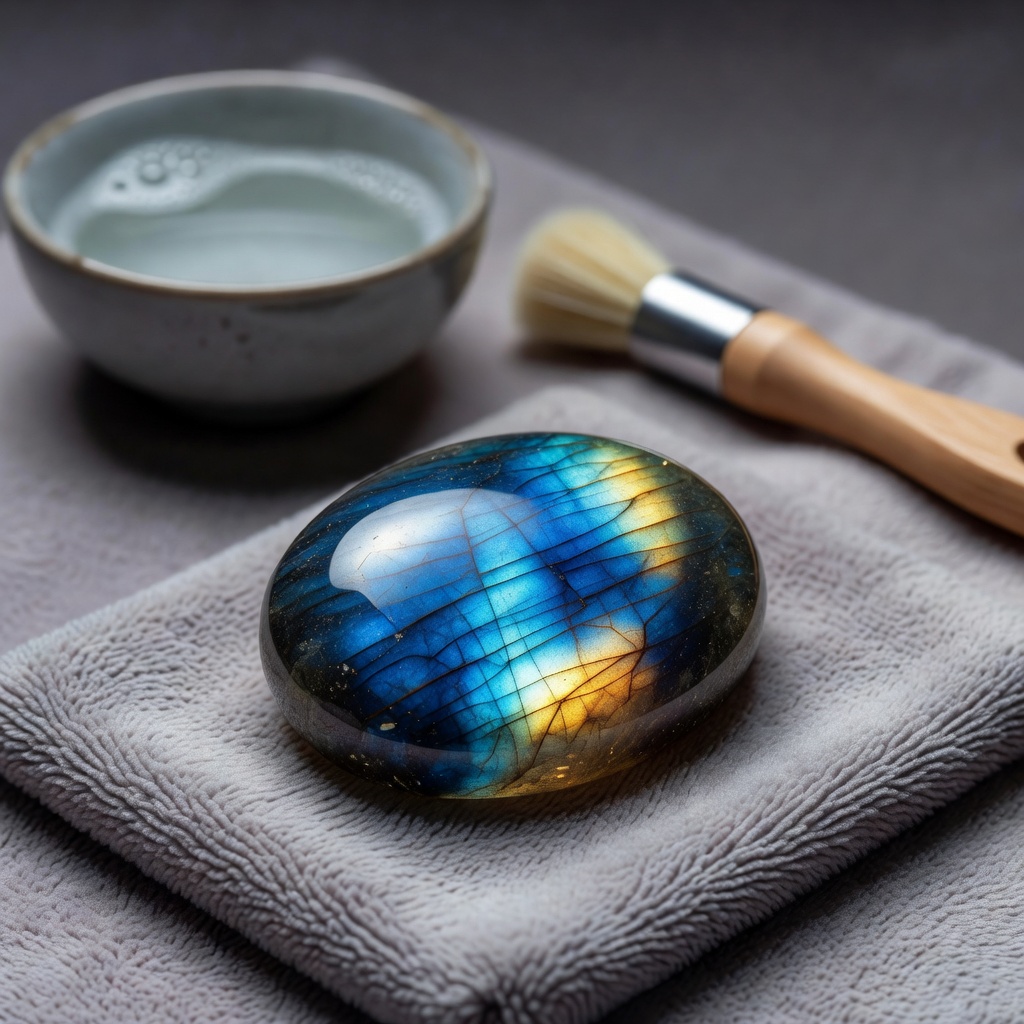
Mastering how to clean labradorite properly requires gentle techniques that remove buildup without compromising the stone's delicate surface structure. Begin by preparing a cleaning solution using lukewarm water—not hot—and a few drops of mild, phosphate-free dish soap in a clean bowl, avoiding harsh detergents that might leave residue or chemically react with the feldspar mineral composition. Submerge your labradorite jewelry briefly, then use a soft microfiber cloth or untreated natural-bristle baby toothbrush to clean using gentle circular motions, applying minimal pressure to avoid stress on settings or the stone itself. Pay special attention to cleaning around settings and crevices where skin oils and soap scum accumulate, using the soft brush to reach under bezels or between prongs without scrubbing aggressively.
Cleaning labradorite stone effectively demands thorough rinsing under lukewarm running water to eliminate all soap residue that could attract future dirt or create films that dull labradorescence. Hold the piece securely with a soft cloth to prevent accidental drops down the drain, rotating it to ensure water reaches all sides and underneath gallery work where debris hides. For pieces with complex metalwork or multiple stones, use a bulb syringe to direct water into tight spaces rather than increasing water pressure, which might loosen settings. Never soak labradorite for more than a few minutes, as extended water exposure risks absorption into microscopic fractures or porous areas that could cause internal damage or discoloration over time.
Practical Example: The Weekly Routine
Establish a weekly cleaning ritual by placing your labradorite jewelry in a designated ceramic bowl with the soap solution while showering, then rinsing immediately afterward using the shower's handheld attachment set to gentle flow. This method ensures consistent maintenance without requiring separate cleaning sessions, though you must remember to remove the pieces before applying hair products or body wash that might contaminate the cleaning process.
Water Safety and Temperature Considerations
Understanding Labradorite water safety protocols prevents accidental thermal shock or water damage that compromises the stone's structural integrity. Brief water exposure during cleaning poses minimal risk provided you avoid prolonged soaking that allows water penetration into microscopic fissures or porous surface areas. Always use lukewarm water approximately matching room temperature, as hot water can expand the stone unevenly while cold water causes contraction, creating internal stress that exploits natural cleavage planes. When rinsing, ensure the water stream remains gentle rather than high-pressure, which might force moisture into settings or chip vulnerable edges.
Temperature sensitivity requires allowing labradorite to acclimate gradually to environmental changes rather than subjecting it to rapid thermal shifts. After cleaning, pat the stone dry immediately using soft, lint-free microfiber cloths rather than abrasive paper towels that might scratch the surface, then allow air-drying away from direct heat sources like radiators, hair dryers, or sunlight. Direct heat exposure can cause "sweating" where trapped moisture expands inside microscopic fractures, potentially widening cracks or causing surface eruptions. For pieces with intricate metal settings, ensure complete dryness before storing to prevent tarnish or moisture trapping that could affect both the metal and stone over time.
Harmful Methods to Avoid
Avoiding Labradorite cleaning mistakes requires understanding which popular jewelry cleaning methods actually damage feldspar minerals rather than preserving them. Never use ultrasonic cleaners on labradorite, as the intense high-frequency vibrations create microscopic shockwaves that travel through the stone's cleavage planes, potentially causing internal fractures invisible to the naked eye until the stone eventually splits. Steam cleaning presents similar risks, as the combination of intense heat and pressure can cause thermal shock while forcing moisture into existing inclusions or fractures that expand and compromise structural integrity. These methods particularly endanger labradorite specimens with visible internal features or those that have undergone previous stress.
Household remedies often recommended for other gemstones prove disastrous for labradorite, requiring strict avoidance of abrasive cleaners, baking soda paste, vinegar, or lemon juice applications. Acids found in vinegar and citrus fruits can etch the polished surface of labradorite over time, creating microscopic pitting that scatters light and permanently diminishes labradorescence. Similarly, abrasive powders or baking soda create scratches that diffuse the optical effect, while commercial jewelry cleaning solutions containing ammonia or alcohol can react chemically with the stone's composition. Even toothpaste, sometimes suggested for quick polishing, contains abrasive silica particles that scratch softer gemstones like labradorite, gradually transforming a mirror finish into a dull, lifeless surface.
Case Study: The Ultrasonic Disaster
A jewelry owner placed a vintage labradorite brooch in an ultrasonic cleaner for five minutes to remove "dirt" before an important gala. While the metal settings emerged sparkling, the labradorite developed a visible internal crack that bisected the flash color, rendering the heirloom unsuitable for wear. Professional assessment revealed that vibrations had widened a previously microscopic inclusion into a full fracture, demonstrating why ultrasonic cleaners remain strictly prohibited for labradorite regardless of how dirty the piece appears.
Deep Cleaning and Professional Restoration
Recognizing when home care proves insufficient marks the difference between maintaining valuable labradorite and requiring expensive restoration. Seek Professional labradorite cleaning when you notice persistent dullness that doesn't respond to gentle soap cleaning, indicating possible subsurface buildup or beginning etching that requires professional-grade equipment. Professional jewelers possess steam cleaners with controlled temperature and pressure parameters safe for labradorite, along with ultrasonic alternatives like high-frequency sound baths specifically calibrated for softer stones. They can also inspect settings using magnification to identify loose stones before they fall out during wear.
Deep cleaning methods available to professionals include ionic cleaning systems that remove tarnish and buildup without mechanical vibration, along with targeted steam applications using distilled water at precisely controlled temperatures. For scratched or dulled surfaces, professional re-polishing using fine diamond grit compounds can restore labradorescence by removing the damaged surface layer, though this process slightly reduces stone weight and should only occur once or twice in a gem's lifetime. Specimen-grade labradorite pieces, particularly those used in crystal healing practices or mineral collections, benefit from consultation with certified gemologists who understand feldspar-specific preservation techniques, including proper oiling protocols for raw specimens that enhance flash without damaging the stone.
Proper Storage Solutions
Implementing appropriate Labradorite storage tips prevents the majority of damage that occurs when jewelry isn't being worn. Store each labradorite piece individually in soft cloth pouches, fabric-lined jewelry boxes, or acid-free tissue paper to prevent scratching from contact with harder gemstones like diamonds, sapphires, or even quartz. Harder materials can easily scratch labradorite's surface during drawer movement or travel, creating permanent marks that scatter light and reduce the stone's characteristic flash. For extensive collections, consider compartmentalized jewelry boxes with padded dividers that keep pieces separated while allowing air circulation to prevent moisture buildup.
Environmental factors significantly impact long-term preservation, requiring storage away from direct sunlight that can fade some treated or enhanced labradorite specimens over years of exposure. Maintain stable humidity levels between forty and sixty percent to prevent the stone from drying out and potentially crazing, or absorbing excess moisture that promotes internal degradation. Include silica gel packets in storage containers for jewelry organization in humid climates, replacing them regularly to maintain effectiveness. For valuable pieces, store in dark, temperature-stable environments like interior closets rather than bathrooms or exterior walls where temperature fluctuations and humidity swings occur daily.
Practical Example: The Travel Roll Method
Create a dedicated labradorite storage system using a soft jewelry roll with individual padded pockets, rolling the piece gently without folding or creasing chains. This method works particularly well for labradorite bead strands that tangle easily, keeping each necklace or bracelet separated while providing cushioning during drawer storage or travel.
Maintaining the Iridescent Flash Long-Term
Preserving the mesmerizing optical effects of labradorite requires specific Labradorite maintenance protocols focused on surface protection and periodic inspection. Preventing surface scratches remains paramount, as even microscopic abrasions scatter incoming light and diminish the vibrant blue, green, or gold flash that makes labradorite desirable. Remove labradorite rings before activities involving abrasive materials like sand, metal files, or rough ceramics, and avoid stacking labradorite bracelets with metal bangles that might clatter against the stone during movement. For labradorite maintenance of beaded items, check drill holes monthly for sharp edges where friction has worn the stringing material, as these rough areas can eventually split the bead.
Understanding oil enhancement helps collectors maintain specimen-grade pieces, as some raw or rough labradorite benefits from light mineral oil application to enhance labradorescence visibility. Apply only a tiny amount of clear, scentless mineral oil using a soft cloth, wiping away excess immediately to prevent dust attraction, and never oil jewelry pieces that will contact clothing as oil stains fabric permanently. Establish monthly inspection routines for beaded labradorite necklaces and bracelets, examining not just the stones but also clasps, crimps, and stringing material for wear that precedes breakage. Document your labradorite's original appearance using high-resolution photographs under consistent lighting conditions, creating a baseline for comparison that helps you notice gradual dulling or damage requiring professional attention.
Travel Care and Transportation Best Practices
Traveling with labradorite requires additional precautions beyond standard storage to protect against the unique stresses of transit and climate changes. Always transport valuable labradorite pieces in carry-on luggage rather than checked bags, maintaining physical control and avoiding the temperature extremes found in cargo holds that can cause thermal shock. Use padded jewelry rolls with individual secure pockets or hard-shell jewelry cases with foam inserts that prevent movement during turbulence or handling, ensuring stones cannot impact against metal clasps or harder gemstones stored nearby. When flying, declare valuable labradorite specimens to TSA agents before screening to request hand inspection, preventing potential damage from conveyor belt mechanisms or screening equipment.
Climate change acclimation proves crucial when traveling between extreme environments, such as moving from air-conditioned hotels to tropical humidity or winter cold to heated interiors. Allow labradorite jewelry to adjust to new temperatures gradually by keeping pieces in insulated cases for thirty minutes before wearing, preventing condensation or rapid expansion that stresses cleavage planes. Secure comprehensive insurance appraisals and photographic documentation before traveling with high-value labradorite, ensuring coverage for loss, theft, or damage during your journey. Consider carrying a small soft pouch in your day bag for temporary removal of labradorite rings during activities like beach walks or museum tours where impact risks increase unexpectedly.
Case Study: The Honeymoon Heirloom
A bride wore her grandmother's labradorite pendant throughout a two-week Mediterranean cruise, storing it in the cabin's safe when not worn. However, she failed to account for air conditioning transitioning to outdoor heat, causing repeated thermal shock cycles that resulted in a network of fine surface cracks visible under magnification. Now she transports the restored piece in an insulated pouch, allowing twenty minutes of acclimation before wearing, preserving the flash perfectly during subsequent travels.
Frequently Asked Questions About Labradorite Care
Can labradorite get wet during cleaning?
Yes, labradorite can safely get wet with lukewarm water during brief cleaning sessions. However, prolonged soaking should be avoided as labradorite is slightly porous and may absorb water or cleaning agents. Always dry your stone immediately with a soft cloth after rinsing.
Can I use ultrasonic cleaners on my labradorite jewelry?
No, ultrasonic cleaners are not recommended for labradorite. The intense vibrations can exploit the stone's natural cleavage planes, causing internal fractures or chips. The heat generated by ultrasonic cleaners can also cause thermal shock. Always stick to gentle hand cleaning with mild soap and water.
Why does my labradorite look dull and lack its blue flash?
Dullness usually results from a buildup of skin oils, soap residue, or microscopic surface scratches that scatter light rather than reflect it. Try cleaning with mild soap and warm water using a soft brush. If flash doesn't return, the stone may need professional re-polishing or re-oiling if it's a specimen piece.
Is it safe to wear labradorite every day?
While labradorite has moderate hardness (6-6.5 Mohs), daily wear is possible with precautions. Remove labradorite rings during activities that might cause impact, exposure to chemicals, or abrasion. Earrings and pendants typically fare better than rings for everyday wear due to less contact with hard surfaces.
Can I use vinegar or lemon juice to clean labradorite?
No, acidic cleaners like vinegar or lemon juice can etch the surface of labradorite over time, permanently damaging its polish and reducing labradorescence. Stick to pH-neutral, mild dish soap and water. Avoid all acidic, alkaline, or abrasive household cleaners.
How should I store labradorite to prevent damage?
Store labradorite separately from harder gemstones in individual soft cloth pouches or fabric-lined jewelry box compartments. Keep away from direct sunlight and extreme temperature fluctuations. For long-term storage, include a silica gel packet to control humidity and prevent moisture damage.
Does labradorite need to be oiled to maintain its flash?
Most polished labradorite jewelry does not require oiling. However, raw specimens or cabochons sometimes benefit from light mineral oil application to enhance labradorescence. If oiling, use only a tiny amount of clear mineral oil, wipe excess immediately, and never oil jewelry that will contact clothing.
How often should I clean my labradorite jewelry?
Clean labradorite jewelry every 2-4 weeks with regular wear, or immediately after exposure to sweat, cosmetics, or household chemicals. Inspect settings monthly for loose stones. Deep professional cleaning is recommended annually for frequently worn pieces to remove buildup from hard-to-reach areas.