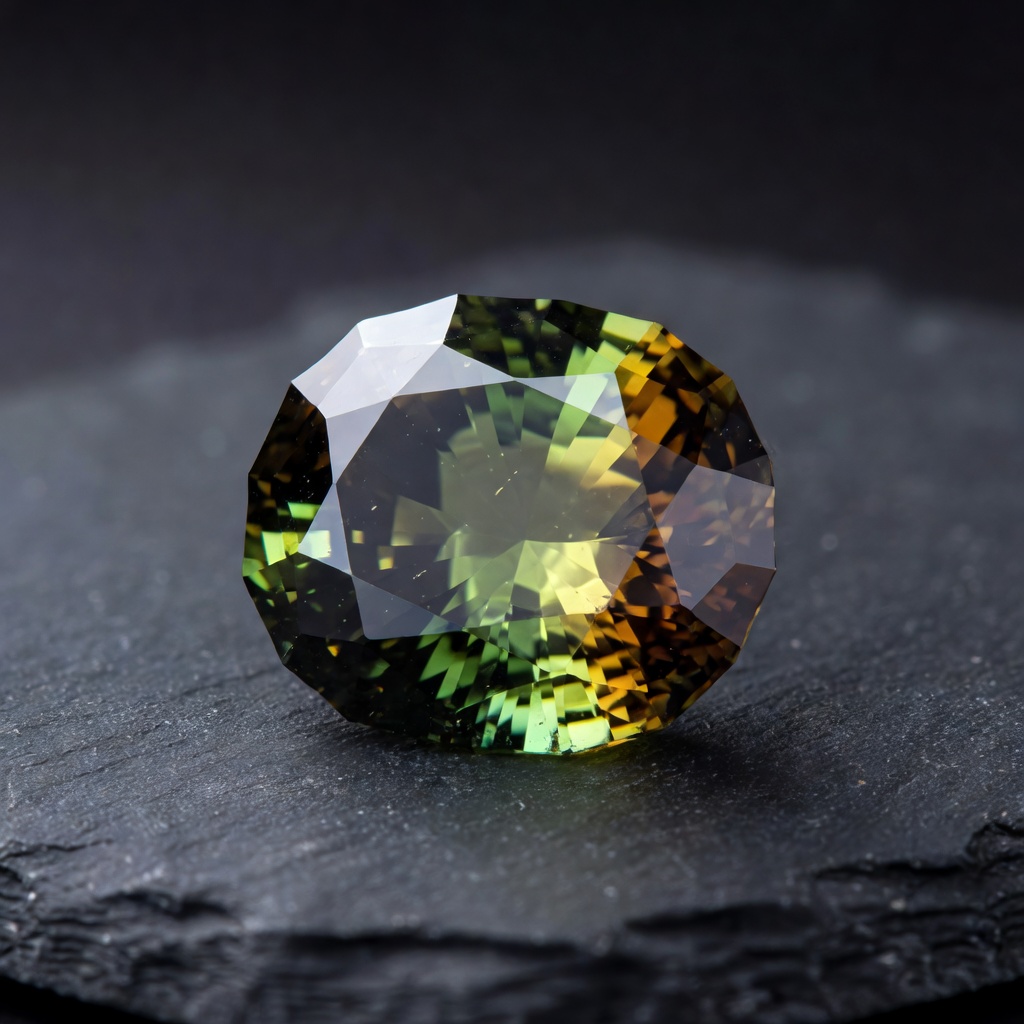
Introduction to Kornerupine: A Hidden Gemological Treasure
Kornerupine stands as one of the gem world's best-kept secrets, a rare borosilicate mineral that captivates collectors and connoisseurs with its extraordinary optical properties and scarcity. Named in honor of Danish geologist Andreas Nikolaus Kornerup, who first documented significant deposits in Greenland during the late 19th century, this Kornerupine gemstone remains elusive even among seasoned gemologists. Unlike mainstream precious stones such as sapphire, emerald, or ruby that dominate jewelry counters worldwide, kornerupine maintains an air of exclusivity due to limited deposits and the rarity of crystals suitable for faceting.
The Kornerupine Properties and Information available to modern gemologists reveal a stone that challenges conventional expectations of colored gemstones. While most consumers seek consistency in color, kornerupine delights in displaying multiple hues simultaneously, creating a dynamic visual experience that changes with every movement. Current market availability reflects its scarcity, with only a handful of specialty dealers offering fine specimens annually, primarily sourced from Sri Lanka and Myanmar. For collectors seeking something beyond the ordinary, kornerupine represents the pinnacle of rarity, offering both aesthetic beauty and the satisfaction of owning a true geological oddity.
Physical and Chemical Composition
Understanding the fundamental makeup of kornerupine requires delving into complex mineral chemistry, specifically the formula (Mg,Fe2+)4(Al,Fe3+)6(SiO4,BO4)5(O,OH)2. This intricate arrangement of magnesium, iron, aluminum, silicon, boron, oxygen, and hydroxyl groups creates a dense, durable structure that distinguishes kornerupine from superficially similar stones. The variable iron content significantly influences the final coloration, with higher concentrations typically producing the deeper green and brown varieties prized by collectors, while lower iron levels result in the rare colorless or pale blue specimens.
On the Mohs hardness scale, kornerupine registers between 6.5 and 7, placing it in the same durability category as peridot and tanzanite but below corundum varieties. This moderate hardness demands respect during cutting and setting, though it proves sufficient for most jewelry applications when properly protected. The mineral crystallizes in the orthorhombic system, typically forming as elongated prismatic crystals with distinct striations parallel to the c-axis, though well-formed crystals exceeding several centimeters remain exceptionally uncommon. Specific gravity measurements range from 3.28 to 3.35, giving kornerupine a satisfying heft when handled, noticeably denser than quartz but lighter than sapphire.
Optical Phenomena: Understanding Pleochroism
The optical characteristics of kornerupine elevate it from merely rare to genuinely extraordinary, particularly its pronounced trichroism that causes the stone to display three distinct colors depending on the viewing angle. When examined through a dichroscope or simply rotated in natural light, fine specimens reveal a mesmerizing interplay of emerald green, colorless or pale yellow, and reddish-brown or deep blue hues. This phenomenon occurs because kornerupine's crystal structure absorbs different wavelengths of light along its three optical axes, creating a color-shifting effect that makes each stone a miniature kaleidoscope.
Master gem cutters must navigate these optical complexities carefully, as the orientation of the rough crystal determines which color dominates the face-up appearance of the finished gemstone. Refractive index values ranging from 1.66 to 1.68, combined with birefringence of 0.012 to 0.017, create subtle doubling effects visible under magnification that help distinguish kornerupine from look-alike stones such as tourmaline or peridot. When evaluating Kornerupine optical properties, gemologists observe these characteristics alongside the stone's vitreous luster and occasional chatoyancy in cabochon-cut specimens, though asterism remains exceedingly rare.
Color Varieties and Geographic Sources
The Kornerupine color varieties span a spectrum that includes some of the most sought-after hues in the gem trade, with origin significantly influencing both color intensity and market value. Sri Lankan (Ceylon) deposits historically produce the most desirable emerald-green specimens, displaying saturated coloration that rivals fine tourmaline or even emerald itself. These stones often exhibit the strongest pleochroic effects, shifting between deep forest green and golden yellow depending on lighting conditions, making them particularly prized by collectors seeking maximum optical drama.
Myanmar (Burma) yields similarly intense green kornerupine, occasionally producing the extremely rare kornerupine stone exhibiting blue coloration that commands premium prices at auction. Conversely, Madagascar and East African deposits, including those in Kenya and Tanzania, typically generate yellowish-brown, honey-colored, or near-colorless crystals that, while beautiful, generally fetch lower prices than their green counterparts. The geological conditions necessary for high-quality crystal formation require specific combinations of aluminum-rich metamorphic rocks, boron availability, and precise temperature-pressure relationships that occur in only a handful of locations worldwide, explaining the mineral's persistent scarcity.
Geological Formation and Mining Locations
Kornerupine forms exclusively within high-grade metamorphic environments, particularly in rocks subjected to intense heat and pressure during regional metamorphism or within boron-rich pegmatites. These formation conditions typically occur at depths of 15-30 kilometers within the Earth's crust, where aluminum silicates interact with boron-bearing fluids under temperatures exceeding 600°C. The resulting crystals often develop within schists, gneisses, or calc-silicate rocks, frequently associated with other indicator minerals that signal extreme metamorphic conditions.
Primary mining locations include the alluvial gem gravels of Sri Lanka, where erosion releases crystals from their host rocks, and the Mogok Stone Tract of Myanmar, famous for producing exceptional colored stones. Greenland's Fiskenaesset complex represents the type locality where kornerupine was first scientifically described, though specimens from this region typically remain mineralogical specimens rather than cutting rough. Madagascar's deposits continue to yield commercial quantities of lighter-colored material, while sporadic discoveries in Canada, Australia, and East Africa contribute to the limited global supply. Associated minerals often include sapphire, spinel, sapphirine, and sillimanite, creating complex mineral assemblages that challenge miners to separate kornerupine from visually similar species.
Cutting Challenges and Jewelry Applications
Transforming rough kornerupine into finished Kornerupine jewelry requires exceptional skill due to the stone's strong pleochroism and distinct cleavage planes. Cutters must orient the rough crystal carefully to maximize the most desirable color—typically the green hue—while minimizing the brown or yellow components that may appear less commercially appealing. This orientation process often results in significant weight loss during cutting, contributing to the scarcity of large finished stones and explaining why most faceted kornerupines weigh less than one carat.
Popular cutting styles include cushion, oval, and emerald cuts, which help minimize cleavage risks while showcasing the stone's color variations. Protective settings prove essential for this gemstone; bezel settings or designs with substantial prongs protect the stone's edges from impacts that could cause chipping. While Kornerupine jewelry makes stunning pendants, earrings, and occasional rings, the stone's moderate hardness and perfect cleavage in one direction suggest limiting everyday wear in rings. Collectors often prefer kornerupine as a display piece or special-occasion jewelry, preserving its pristine condition while enjoying its remarkable color-shifting properties.
Metaphysical Properties and Crystal Healing
Within crystal healing traditions, Kornerupine healing properties center on emotional equilibrium and spiritual advancement, with practitioners valuing the stone for its reputed ability to facilitate deep introspection. Crystal healers often associate kornerupine with the heart chakra and third eye chakra simultaneously, suggesting it bridges emotional awareness with intuitive insight. This dual connection supposedly helps individuals recognize patterns in their emotional responses while developing the clarity to release negative attachments or limiting beliefs.
The Kornerupine crystal meaning extends to meditation practices, where the stone's pleochroic nature serves as a physical metaphor for viewing situations from multiple perspectives. Healers recommend placing kornerupine on the forehead during visualization exercises or wearing it close to the heart to encourage self-acceptance and compassion. Historical records indicate that Greenlandic Inuit communities may have used local kornerupine specimens in shamanic practices, though modern crystal therapy primarily draws on New Age interpretations that emphasize the stone's capacity to enhance inner vision and support personal transformation during periods of significant life change.
Identification, Treatments, and Authentication
Distinguishing genuine kornerupine from similar-looking gemstones requires careful observation of optical properties and, when necessary, laboratory analysis. Tourmaline, peridot, and andalusite share visual similarities with kornerupine but differ in crystal system, refractive index, and pleochroic strength. While tourmaline crystallizes in the trigonal system and displays different optic characteristics, andalusite shows weaker pleochroism and different refractive indices. Professional gemologists utilize refractive index testing, specific gravity measurements, and spectroscopic analysis to confirm identification conclusively.
Treatment detection remains crucial when purchasing kornerupine, as some specimens undergo heat treatment to improve color or fracture filling to enhance apparent clarity. Heat-treated stones may show altered pleochroic colors or distinctive inclusion patterns visible under magnification, while filled fractures often display flash effects or iridescence when viewed with fiber-optic lighting. Reputable laboratories such as GIA, AGL, or Gubelin provide certification that documents any treatments and confirms geographic origin when possible. Given the significant value differential between treated and natural specimens, buyers should insist on comprehensive laboratory reports when investing in fine Kornerupine gemstone material.
Proper Care and Maintenance Guidelines
Maintaining the beauty of kornerupine requires adherence to specific care protocols that acknowledge the stone's physical vulnerabilities. Cleaning should involve only mild soap and lukewarm water using a soft brush, followed by thorough rinsing and gentle patting with a lint-free cloth. This simple method effectively removes oils and debris without risking thermal shock or chemical damage. Owners must avoid ultrasonic cleaners and steam cleaning equipment, as the vibrations and heat can exacerbate existing fractures or cause liquids trapped in inclusions to expand, potentially shattering the stone.
Storage practices significantly impact longevity; kornerupine should reside separately from harder stones such as diamonds, rubies, or sapphires to prevent scratching. Soft pouches or individual compartments in jewelry boxes provide adequate protection. For set jewelry pieces, annual professional inspections help identify loose settings or developing chips before they result in stone loss. When wearing kornerupine rings, removal during household cleaning, gardening, or sports activities prevents impact damage that could cleave the crystal along its perfect cleavage plane.
Market Value, Pricing, and Investment Potential
The market for rare kornerupine stone specimens follows distinct pricing tiers based on color intensity, clarity, and carat weight, creating opportunities for both entry-level collectors and serious investors. Commercial quality material, typically displaying pale colors or significant inclusions, ranges from $100 to $500 per carat, offering accessible entry points for enthusiasts. Fine emerald-green specimens from Sri Lanka or Myanmar command substantially higher prices, often reaching $1,000 to $3,000 per carat for stones exceeding one carat with excellent clarity and strong pleochroism.
Size dramatically affects value in kornerupine, as clean crystals large enough to yield faceted stones over two carats remain exceptionally scarce, with such specimens occasionally selling for $5,000 per carat or more at specialized auctions. Rare blue varieties represent the pinnacle of the market, with prices varying widely based on hue saturation and size. Investment outlook remains cautiously optimistic; while kornerupine lacks the liquidity of diamonds or rubies, increasing scarcity of new material combined with growing collector interest suggests that fine specimens from classic localities may appreciate steadily. Factors driving future scarcity include depletion of known deposits, increasing environmental restrictions on mining, and the stone's inherent rarity in nature.
Frequently Asked Questions
What is kornerupine and why is it considered rare?
Kornerupine is a rare borosilicate mineral valued as a gemstone, prized for its strong pleochroism displaying multiple colors depending on viewing angle. It's considered rare because gem-quality crystals are uncommon, and large faceted stones over 2 carats are exceptionally scarce in the market.
What colors does kornerupine display?
Kornerupine exhibits strong trichroism, typically showing green, colorless, and reddish-brown or blue hues when viewed from different angles. The most valuable specimens display intense emerald-green or rare blue colors, primarily sourced from Sri Lanka and Myanmar.
How hard is kornerupine compared to other gemstones?
Kornerupine ranks 6.5-7 on the Mohs hardness scale, making it softer than sapphire (9) and ruby (9) but similar to peridot and slightly harder than opal. This moderate hardness requires protective settings for jewelry and careful handling to prevent scratches.
Where are the primary sources of kornerupine found?
The finest gem-quality kornerupine primarily comes from Sri Lanka (Ceylon) and Myanmar (Burma). Other significant deposits exist in Madagascar, Greenland, Kenya, and Tanzania, though these typically produce smaller or less intensely colored specimens.
What are the metaphysical properties associated with kornerupine?
Crystal healers associate kornerupine with emotional healing, spiritual growth, and enhanced intuition. It's believed to open the heart and third eye chakras, promote self-acceptance, and support meditation practices by facilitating deeper inner vision and clarity.
How can you identify genuine kornerupine versus similar stones?
Genuine kornerupine can be identified by its strong trichroism (showing three distinct colors), orthorhombic crystal system, and specific refractive index (1.66-1.68). It's often confused with tourmaline or andalusite, but laboratory testing can confirm its unique chemical composition and optical properties.
Is kornerupine suitable for engagement rings?
While kornerupine's beauty makes it tempting for engagement rings, its moderate hardness (6.5-7 Mohs) and perfect cleavage make it less ideal for daily wear compared to harder stones like diamonds or sapphires. If used, protective bezel settings and occasional wear are recommended.
How much does kornerupine cost per carat?
Kornerupine prices vary significantly based on color and clarity, ranging from $100-$500 per carat for commercial quality to $1,000-$3,000+ per carat for fine emerald-green specimens over 1 carat. Rare blue varieties or large clean stones command premium prices due to extreme scarcity.