Understanding Kornerupine: Properties and Rarity
Kornerupine stands as one of the gemstone world's most captivating yet underappreciated treasures, prized by collectors for its remarkable pleochroism and scarcity in the jewelry market. This rare green gemstone exhibits a fascinating optical phenomenon where it displays different colors—ranging from deep forest green to honey brown or even bluish-green—depending on the viewing angle. First discovered in Greenland in the late 19th century and named after Danish geologist Andreas Nikolaus Kornerup, this gem remains a coveted choice for those seeking distinctive alternatives to more common stones like emeralds or peridots.
With a Mohs hardness rating between 6.5 and 7, kornerupine occupies a delicate middle ground regarding durability, making proper Kornerupine gemstone maintenance essential for preserving its beauty over decades. While this hardness level allows for occasional daily wear, it also means the stone remains susceptible to scratching from harder materials like diamonds, rubies, or even household dust containing silica particles. Understanding these physical limitations helps owners appreciate why protective settings and mindful handling become crucial aspects of rare green gemstone care, ensuring that the stone's distinctive optical properties remain pristine for future generations.
Daily Kornerupine Care and Handling Essentials
Establishing consistent daily habits forms the foundation of effective Kornerupine Care and Cleaning, significantly extending the lifespan of your precious jewelry pieces. One of the most effective practices involves adopting the "last on, first off" rule, where you put your kornerupine jewelry on after applying makeup, hairspray, perfume, and lotion, then remove it immediately when returning home. This simple habit prevents chemical buildup on the gemstone's surface, as cosmetics and fragrances often contain alcohols and oils that can create a dull film over time, diminishing the stone's natural brilliance and pleochroic display.
Physical activities present another significant risk factor for kornerupine jewelry, necessitating removal before engaging in sports, household cleaning, or manual labor. Consider the case of a collector who wore her kornerupine ring while gardening, only to discover later that abrasive soil particles had created microscopic scratches across the table facet, permanently affecting the stone's light performance. Additionally, daily jewelry maintenance should include checking that prongs remain secure and that the stone doesn't feel loose in its setting, as catching the jewelry on clothing or furniture can gradually weaken mountings and risk stone loss.
Safe At-Home Cleaning Methods for Kornerupine
Performing regular cleaning kornerupine jewelry at home requires minimal supplies but demands attention to detail and gentle handling techniques. Begin by filling a small bowl with lukewarm water—not hot, as thermal shock can stress certain inclusions—and adding a few drops of mild, phosphate-free dish soap, creating a gentle cleaning solution that effectively removes oils without harsh chemicals. Submerge your kornerupine piece for approximately 15 to 20 minutes, allowing the soapy water to penetrate behind the stone and loosen accumulated debris from daily wear.
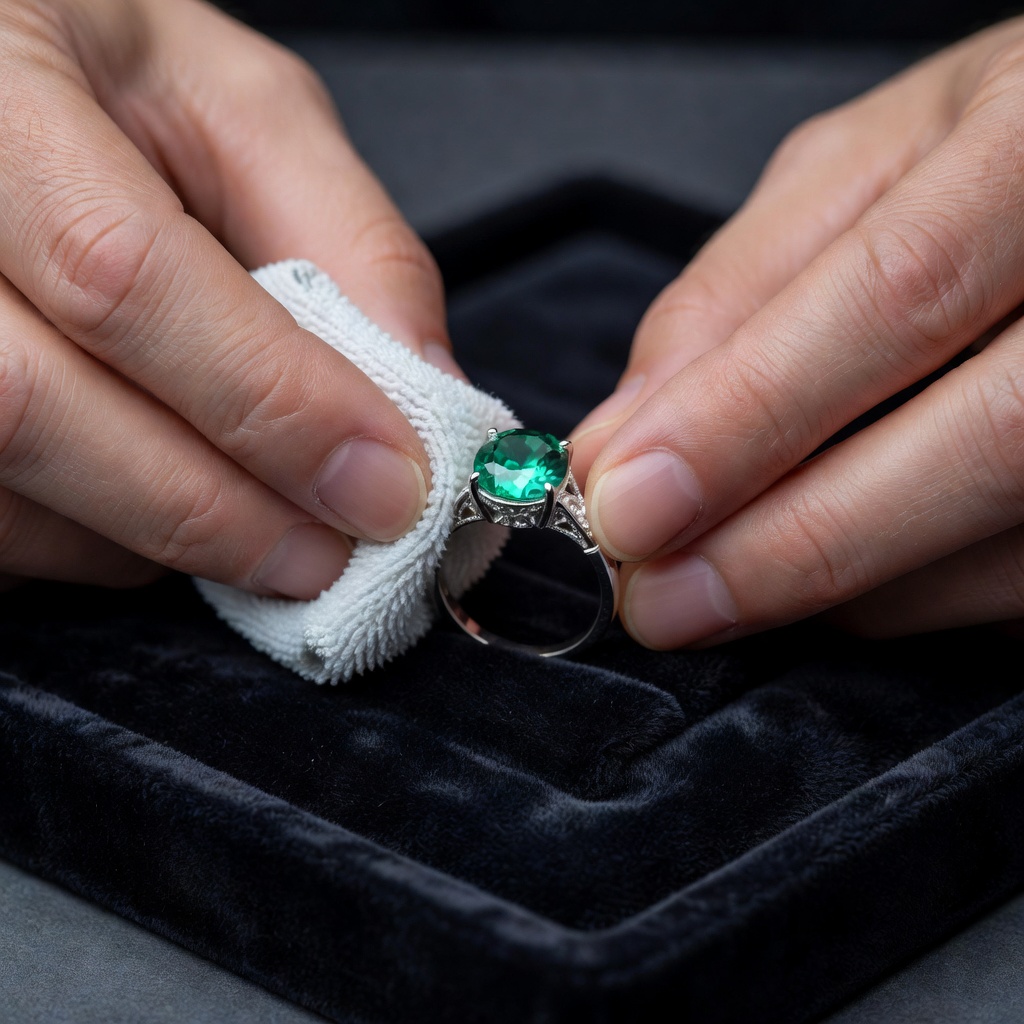
After soaking, use a soft-bristled brush—such as a baby toothbrush or specialized jewelry brush—to carefully clean around the setting and pavilion of the stone, paying special attention to areas where dirt commonly accumulates. Avoid scrubbing aggressively; instead, use light, circular motions to dislodge particles without risking scratches to the gem or metal. Once cleaned, rinse thoroughly under lukewarm running water, ensuring all soap residue washes away, as leftover film can attract future dirt and diminish sparkle. The final step in safe gemstone cleaning methods involves patting the piece dry with a lint-free microfiber cloth only, as paper towels or tissues can leave fibers behind or cause micro-scratches on the surface.
What to Avoid: Harmful Cleaning Practices
Understanding Kornerupine cleaning mistakes proves equally important as knowing proper care techniques, as several common jewelry cleaning methods can cause irreversible damage to this rare gem. Ultrasonic cleaners, despite their popularity for other jewelry types, pose significant risks for kornerupine due to the stone's typical inclusions and potential fracture lines. The intense vibrations generated by these machines can exacerbate existing internal flaws, causing stones to crack or shatter during what appears to be a routine cleaning session, particularly problematic for kornerupine specimens containing natural crystal growth features.
Steam cleaning represents another hazardous method that subjects kornerupine to thermal shock, potentially causing internal stress fractures or damaging delicate treatments that some stones may have undergone. Additionally, gemstone damage prevention requires avoiding harsh household chemicals including bleach, ammonia, chlorine, and abrasive cleaners like toothpaste or baking soda pastes. These substances can etch the surface of kornerupine, strip away natural oils that contribute to luster, or react with metal settings to create tarnish that transfers onto the gemstone. Even alcohol-based solutions should be avoided, as they can dry out the stone's surface and affect its optical properties over extended use.
Professional Kornerupine Maintenance and Inspection
While at-home care maintains daily brilliance, professional gemstone cleaning and inspection by qualified jewelers remain essential components of comprehensive Kornerupine maintenance schedules. Industry experts recommend scheduling professional examinations every 6 to 12 months, depending on how frequently you wear the piece, allowing trained eyes to identify potential issues before they become costly problems. During these visits, jewelers can assess whether microscopic scratches require professional repolishing, a process that restores luster while removing minimal material under controlled conditions.
Professional maintenance extends beyond simple cleaning to include critical structural assessments of settings and mountings. A master jeweler can perform precise prong tightening using specialized tools that apply exactly the right pressure without risking damage to the stone, ensuring your kornerupine remains secure in its setting. For heirloom pieces or investment-grade specimens, consider requesting documentation of each professional service, creating a maintenance history that adds provenance and value to your collection. Some high-end jewelers also offer rhodium plating touch-ups for white gold settings or refurbishment of antique mountings, ensuring the entire piece maintains its original aesthetic integrity alongside the preserved gemstone.
Optimal Storage Solutions for Kornerupine Jewelry
Proper Kornerupine storage tips focus on protecting the gemstone from environmental factors and physical contact with harder materials when not being worn. Individual soft cloth pouches made from untreated cotton or velvet provide ideal protection, preventing the kornerupine from scratching against other jewelry pieces in a drawer or box. For those with extensive collections, fabric-lined jewelry boxes featuring separate compartments ensure that diamonds, sapphires, or other harder stones cannot come into contact with your kornerupine, as these materials would easily scratch the 6.5-7 hardness gem.
Environmental control plays a crucial role in gemstone storage solutions, particularly regarding humidity and light exposure. Store your kornerupine in a location with stable humidity levels—avoiding bathrooms or areas near heating vents—to prevent metal tarnishing that could affect the setting and potentially transfer residue to the stone. Direct sunlight exposure should be minimized, as prolonged UV light can potentially affect color stability in some kornerupine varieties over decades. Consider adding silica gel packets to your jewelry storage area to control moisture, and ensure the storage location maintains a consistent, moderate temperature to prevent thermal stress on both the gemstone and its mounting.
Traveling with Kornerupine: Protection Strategies
Transporting valuable gemstones requires specific protocols to ensure Kornerupine care while traveling maintains the same standards as home storage. Invest in a hard-sided travel case featuring individual compartments or padded slots that prevent movement during transit, as loose jewelry in luggage can suffer impact damage or tangling that stresses mountings. These cases should provide cushioning that absorbs shocks while keeping pieces separated, ideally with fabric interiors that won't snag delicate settings or leave lint on the stones.
When flying, always pack kornerupine jewelry in your carry-on luggage rather than checked baggage, maintaining physical control over your valuables and avoiding the temperature extremes and rough handling often experienced in cargo holds. For particularly valuable specimens, consider purchasing temporary travel insurance or verifying that your existing jewelry insurance covers pieces during international travel, providing financial protection against loss or theft. Before departure, photograph your kornerupine jewelry from multiple angles and document any existing inclusions or characteristics, creating a baseline record that proves invaluable should you need to file a claim or prove ownership while abroad.
Recognizing When Your Kornerupine Needs Attention
Developing observational skills for Kornerupine repair signs enables owners to address minor issues before they escalate into major restoration projects requiring extensive work. One immediate warning sign involves listening for rattling sounds when gently shaking the piece near your ear, indicating that the stone has become loose in its setting and requires immediate professional attention to prevent loss. Similarly, visual inspection under good lighting can reveal surface abrasions, chips along the girdle edge, or scratches on the table facet that dull the stone's otherwise lively appearance.
Advanced gemstone inspection techniques include checking for cloudiness that persists despite thorough cleaning, which might indicate internal damage or the presence of residue trapped beneath the stone in the setting. Color changes, particularly yellowing or dulling of the original green or brown hues, may suggest chemical damage from exposure to harsh substances or prolonged UV exposure. If you notice the stone catching on fabrics when it previously glided smoothly, microscopic chips may have created a rough surface texture requiring professional repolishing. Addressing these signs promptly through professional evaluation preserves both the aesthetic and monetary value of your kornerupine investment.
Long-Term Preservation for Investment-Grade Kornerupine
For collectors treating kornerupine as a store of value, Kornerupine preservation strategies must encompass documentation, insurance, and generational planning. Maintain current appraisals from certified gemologists every two to three years, updating replacement values as the rarity of high-quality kornerupine continues to appreciate in the market. These documents should include high-resolution photographs, detailed descriptions of pleochroic colors, and certification of any treatments, creating a comprehensive record that accompanies the stone through ownership changes and insurance renewals.
Investment gemstone care requires establishing periodic professional deep cleaning schedules that go beyond at-home maintenance, potentially including ultrasonic cleaning of the setting only (with the stone removed if possible) and professional repolishing every five to ten years to remove accumulated microscopic scratches. For those planning generational transfer, heirloom preservation techniques include creating detailed care instructions for future owners, storing pieces in archival-quality materials that won't degrade over decades, and considering the creation of a trust or specific bequest that ensures the stone receives continued professional maintenance. By treating kornerupine not merely as adornment but as a tangible asset requiring stewardship, collectors ensure these rare gems remain vibrant heirlooms for centuries.
Frequently Asked Questions
Can I use an ultrasonic cleaner for my kornerupine jewelry?
No, ultrasonic cleaners are not recommended for kornerupine. The vibrations can exacerbate existing inclusions or fractures within the stone, potentially causing damage. Stick to gentle hand cleaning with mild soap and lukewarm water.
How often should I clean my kornerupine gemstone?
Clean your kornerupine jewelry every 2-3 weeks if worn regularly, or immediately after exposure to lotions, sweat, or chemicals. For pieces worn occasionally, cleaning every 2-3 months is sufficient to maintain brilliance.
Is kornerupine durable enough for everyday wear?
With a Mohs hardness of 6.5-7, kornerupine is moderately durable but best suited for occasional wear or protective settings like pendants and earrings. Rings should be worn with caution and removed during activities that might cause impact.
What household products should I avoid when cleaning kornerupine?
Avoid bleach, ammonia, vinegar, alcohol-based solutions, and abrasive toothpastes or baking soda. These can etch the surface, damage the polish, or affect the gemstone's natural oils and luster over time.
How can I tell if my kornerupine is damaged and needs repair?
Check for visible chips or cracks, cloudiness that doesn't clean away, loose settings where the stone moves, or scratches that catch on fabric. If you notice any of these signs, consult a professional jeweler immediately.
Does kornerupine fade in sunlight?
While kornerupine is relatively stable, prolonged exposure to intense direct sunlight or UV light over years may potentially affect some color varieties. Store your kornerupine in a dark jewelry box when not in use to preserve its rich green or brown hues.
Can I shower or swim with my kornerupine jewelry?
It's best to remove kornerupine before showering or swimming. Chlorine, salt water, and soaps can leave residue that dulls the stone's brilliance, and temperature changes may stress the gem. Additionally, slippery conditions increase the risk of losing your jewelry.
What is the best way to store kornerupine when not wearing it?
Store kornerupine in a separate soft cloth pouch or a fabric-lined jewelry box compartment to prevent scratching from harder gemstones like diamonds or sapphires. Keep it in a cool, dry place away from heating vents or windows.