Why Regular Jet Care and Cleaning Matters
Implementing a consistent Jet Care and Cleaning routine is essential for maintaining both the performance and safety of your hydrotherapy system. Over time, spa plumbing lines accumulate bacterial biofilm, a slimy protective layer that harbors harmful pathogens including Pseudomonas aeruginosa and Legionella bacteria. Without regular intervention, these microscopic colonies proliferate within the dark, warm interior of jet lines, potentially causing skin infections, respiratory issues, and the notorious "hot tub rash" that sends users to dermatologists.
Beyond health concerns, neglected jets suffer from reduced water pressure that diminishes the therapeutic massage action you invested in when purchasing your spa. Mineral deposits, body oils, and chemical residues gradually restrict flow pathways, forcing pumps to work harder while delivering weaker hydrotherapy performance. This inefficiency not only compromises your relaxation experience but also increases energy consumption as circulation systems struggle to push water through partially obstructed channels.
Perhaps most financially significant, proper jet care and cleaning importance extends the functional lifespan of expensive components by preventing corrosion and degradation of rubber seals, plastic housings, and internal moving parts. Replacement jets can cost between $30 to $150 per unit, while complete plumbing repairs run into thousands. A proactive maintenance approach protects this substantial investment, ensuring your spa remains a source of wellness rather than unexpected repair bills for years to come.
Understanding Different Types of Spa Jets
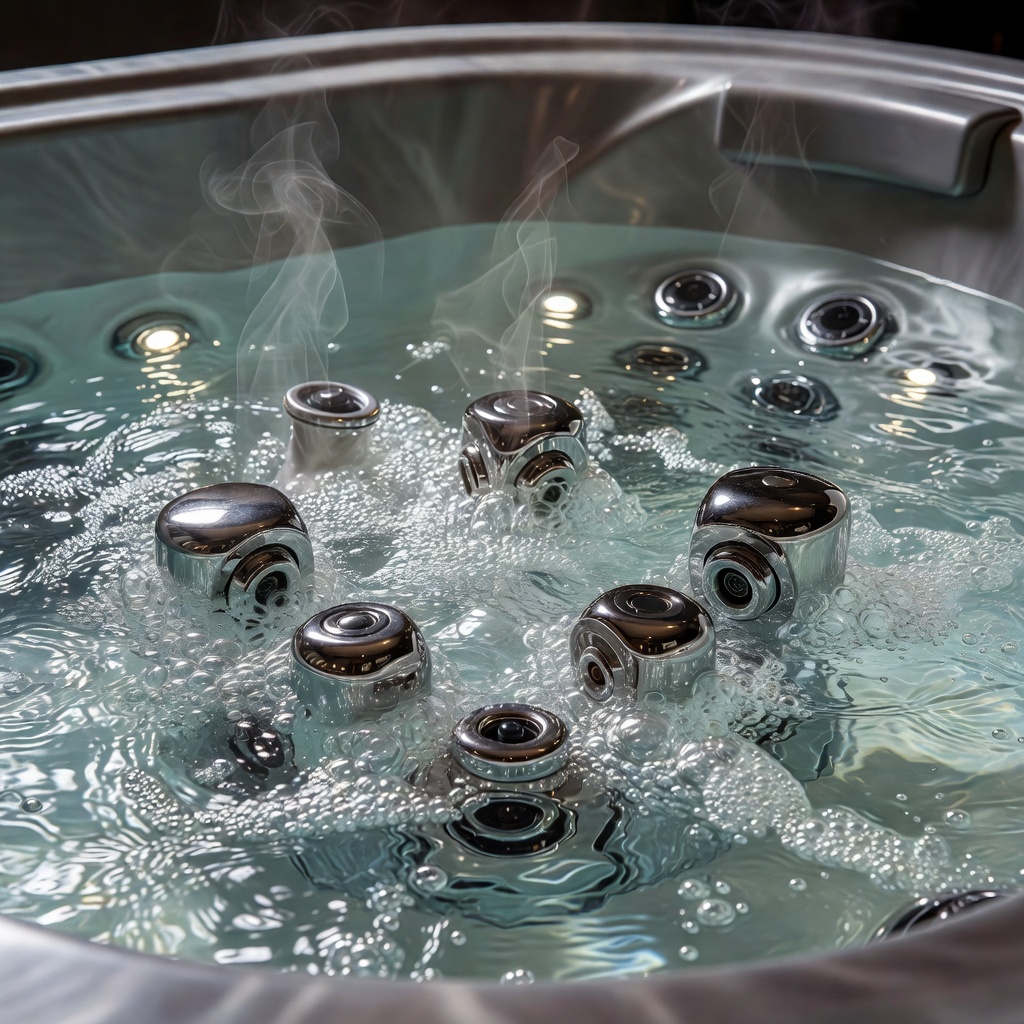
Effective hot tub jet maintenance requires recognizing that not all hydrotherapy nozzles function identically or share the same cleaning requirements. Directional jets, which feature stationary nozzles pointed at specific muscle groups, typically accumulate debris in their fixed pathways but offer straightforward disassembly for manual scrubbing. Conversely, rotating jets contain internal bearing systems and spinning nozzles that create massage patterns, making them more susceptible to calcium buildup around moving parts that can seize mechanisms if mineral deposits aren't regularly dissolved and flushed away.
Modern spas often incorporate specialized systems like MicroSilk technology or air injection features that demand unique attention during cleaning protocols. MicroSilk jets infuse water with billions of oxygen microbubbles for skin therapy, but their ultra-fine diffusion ports clog easily with body oils and cosmetic residues, requiring gentler cleaning agents than standard jets. Air injection systems introduce atmospheric air through separate channels, creating potential cross-contamination points where moisture meets external air, necessitating specific anti-microbial treatments to prevent mold growth in venturi lines.
Before beginning any maintenance procedure, identify whether your jets feature adjustable or fixed nozzle configurations. Adjustable jets allow users to rotate outer rings to modify pressure and spray patterns, containing additional O-rings and threaded components that require careful handling during removal. Fixed jets, while simpler in construction, often snap into place with delicate plastic tabs that break easily if pried incorrectly. Understanding these mechanical distinctions prevents costly damage during routine hot tub jet maintenance and ensures you apply appropriate pressure and cleaning techniques for each specific jet type in your spa configuration.
Warning Signs Your Jets Need Immediate Attention
Recognizing early indicators of jet deterioration allows you to intervene before minor issues escalate into major system failures requiring professional intervention. One of the most obvious signals demanding a spa jet cleaning solution appears when you notice reduced water flow or uneven pressure distribution across different seating zones. If certain jets barely trickle while others blast normally, or if massage patterns feel noticeably weaker than when the spa was new, biofilm restrictions have likely narrowed internal plumbing diameters significantly.
Perhaps the most alarming visual cue occurs when black, brown, or green flakes emit from jet nozzles during pump operation, often described by spa owners as "coffee grounds" or "specks" floating in the water. These particles represent pieces of degraded biofilm breaking loose from pipe walls, combined with deteriorated rubber gaskets or plastic components shedding material. When these flakes appear, immediate deep cleaning becomes non-negotiable, as the system is actively releasing bacterial colonies and debris directly into your bathing water.
Auditory warnings also provide critical diagnostic information for proactive owners. Unusual gurgling sounds, sucking noises, or intermittent surging indicate airlock symptoms where trapped air prevents proper water circulation through jet lines. These air pockets often form when biofilm partials dislodge and create blockages, or when mineral buildup changes internal pressure dynamics. Addressing these symptoms promptly with targeted spa jet cleaning solution applications prevents pump cavitation damage and restores the quiet, consistent operation characteristic of healthy hydrotherapy systems.
Essential Supplies for Effective Jet Maintenance
Assembling the proper toolkit before beginning maintenance ensures you can complete thorough cleaning without interruption or improvised solutions that might damage components. While DIY enthusiasts often question whether they can substitute household products, professional-grade jet line flush products contain specific surfactants and enzymes engineered to dissolve biofilm at the molecular level, penetrating deep into plumbing where vinegar or bleach cannot reach. These specialized formulas break down the polysaccharide matrix that protects bacterial colonies, whereas DIY alternatives merely clean surface residues.
Physical cleaning requires soft-bristle brushes specifically designed for spa surfaces, avoiding wire brushes or abrasive scouring pads that scratch plastic jet faces and create microscopic crevices where new bacteria colonize. Pipe cleaners with flexible nylon bristles access interior jet barrels where fingers cannot reach, while non-abrasive melamine sponges remove calcium rings without damaging chrome or stainless steel finishes. Additionally, invest in a quality filter removal tool and large bucket for soaking removable cartridge elements simultaneously with your jet cleaning process.
Safety equipment proves equally important during intensive maintenance sessions. Heavy-duty nitrile gloves protect hands from concentrated chemical cleaners and prevent skin oils from transferring onto cleaned components. Safety goggles shield eyes from splashing when purging lines, while old towels or shop rags manage inevitable water spillage during jet face removal. For spas with multiple jet configurations, organize small containers or labeled bags to keep screws, O-rings, and rotating mechanisms separated by location, ensuring correct reassembly without cross-threading or mixing incompatible parts between different jet zones.
The Deep Cleaning Process: Flushing Your Lines
Effective biofilm removal requires a systematic approach that treats the entire plumbing network simultaneously rather than addressing visible symptoms alone. Begin by completely draining the spa and removing the filter cartridges to prevent debris from recirculating through clean elements during the flush process. With the tub empty, close all air control valves and prepare your jet line flush product according to manufacturer specifications, typically mixing concentrated solution with a specific volume of water to create a circulating bath that contacts every interior surface.
Refill the spa to a level that covers all jet intakes but remains below the headrests, minimizing chemical exposure to acrylic surfaces while ensuring pumps can draw solution through every line. Activate all jet pumps on high speed for thirty-second intervals, cycling between different pump zones to force the cleaning agent through low-flow areas and bypass lines where biofilm often accumulates thickest. This agitation phase loosens deposits mechanically while the chemical formula works biochemically to dissolve organic matter adhering to PVC pipes.
The soaking period determines ultimate effectiveness in biofilm removal, with most professional products requiring four to twelve hours of contact time for maximum efficacy. During this interval, periodically run pumps for five-minute bursts every two hours to refresh chemical contact with pipe walls and prevent settlement. For severely neglected systems showing heavy flake accumulation, extend soaking overnight or perform sequential flushes with fresh solution. After completing the chemical treatment, drain completely and refill with fresh water, running pumps again to purge residual cleaning agents before final balancing and sanitization.
Targeted Jet Nozzle and Face Cleaning
While line flushing addresses internal plumbing, comprehensive hydrotherapy maintenance requires hands-on attention to individual jet components that interact directly with bathers. Most modern jets feature snap-in or threaded faceplates that remove by rotating counterclockwise or gently prying with a flat tool wrapped in soft cloth to prevent scratching. Once detached, soak the faces, eyeballs, and internal barrels in a solution of warm water and spa-specific cleaner, avoiding household bleach that degrades rubber seals and creates toxic fumes when mixed with residual chlorine.
Calcium deposits and mineral buildup require mechanical removal using non-metallic tools to preserve finish integrity. Soak affected components in white vinegar for twenty minutes to dissolve carbonate deposits, then gently scrub with an old toothbrush to dislodge remaining scale from nozzle openings and rotating mechanisms. Pay special attention to the small venturi ports where air mixes with water, as these tiny openings clog easily with body oils and cosmetic residues that impair massage action. For jets with ball-and-socket adjustments, verify that the socket rotates freely without grinding or catching, indicating proper cleaning of the articulation mechanism.
Reassembling components demands careful attention to prevent leaks and cross-threading that compromise hydrotherapy maintenance efforts. Inspect all O-rings and gaskets for cracking or stretching, replacing any showing wear with manufacturer-specific parts rather than generic hardware store alternatives that may not tolerate chemical exposure. Apply silicone lubricant sparingly to threaded portions and seals to prevent galling and ensure smooth operation. When reinstalling jet faces, hand-tighten only until snug, avoiding excessive force that cracks plastic housings or warps alignment rings. Test each jet individually before completing the fill process to verify proper seating and eliminate immediate leaks.
Preventing Biofilm and Bacterial Recurrence
Sustainable hot tub plumbing care extends beyond periodic deep cleaning to establish daily and weekly habits that inhibit bacterial reestablishment. Maintaining proper sanitizer levels between deep cleans proves crucial, as free chlorine should remain between 1-3 ppm or bromine between 3-5 ppm continuously to prevent biofilm reformation. Utilize test strips daily, understanding that heavy usage, high temperatures, and sunlight exposure rapidly deplete sanitizer reserves, leaving windows of vulnerability where bacteria begin recolonizing cleaned surfaces within hours.
Implement shock treatment schedules that oxidize organic contaminants before they become bacterial food sources. For heavy usage periods involving multiple daily soaks or high bather loads, apply non-chlorine shock after each session to break down perspiration, cosmetics, and skin cells that wash off into the water. Weekly chlorine shocks of 5-10 ppm eliminate chloramine buildup while penetrating superficial biofilm layers before they develop protective matrices. Consider enzyme-based maintenance products that continuously digest oils and greases, reducing the nutrient load that supports bacterial colonies within plumbing lines.
The importance of regular filter cleaning cycles cannot be overstated in comprehensive hot tub plumbing care. Dirty filters recirculate captured debris back into the water, providing bacterial transportation directly to jet orifices. Rinse cartridge filters weekly with a high-pressure garden hose, rotating the element while spraying between pleats to dislodge trapped particles. Monthly chemical soaks in filter cleaner dissolve oils that water rinsing cannot remove, while quarterly replacement ensures filtration media maintains adequate flow rates. Remember that filters act as the spa's liver, and compromised filtration inevitably leads to jet contamination regardless of how thoroughly you clean the plumbing lines themselves.
Seasonal Maintenance Schedules
Establishing a structured jet care and cleaning schedule prevents the overwhelming accumulation that makes cleaning sessions laborious and time-consuming. Monthly wipe-down protocols for visible jet surfaces require only ten minutes but yield significant preventative benefits. Using a soft cloth dampened with spa surface cleaner, wipe jet faces, escutcheon rings, and surrounding acrylic to remove body oils, sunscreen residues, and airborne dust before they enter the water stream. Inspect jet alignment during these sessions, ensuring rotating mechanisms haven't seized and directional jets remain properly aimed for optimal hydrotherapy coverage.
Quarterly deep cleaning requirements for active spas align with standard water change intervals, typically every three to four months for residential units. Coordinate your full jet care and cleaning schedule with these drainage events to minimize water waste and labor. During these sessions, perform complete line flushing, individual jet disassembly, and filter replacement simultaneously. For commercial or heavily used residential spas serving multiple daily users, compress this timeline to every six to eight weeks, as bacterial load accumulates proportionally with bather hours.
Winterization steps for jets during inactive periods protect against freeze damage and stagnant water bacterial explosions. Before shutting down seasonal spas, perform a complete flush and drain, then use a wet/dry vacuum to blow remaining water from individual jet lines through the nozzles. Remove jet faces entirely and store them indoors to prevent cracking from temperature fluctuations. For year-round spas in cold climates, maintain minimum circulation schedules even during vacation periods, as stagnant water in unused jets develops aggressive biofilm within weeks. Consider adding supplemental enzymes during low-usage winter months when sanitizer demand drops but organic matter continues entering the system.
Troubleshooting Common Post-Cleaning Issues
Even meticulous maintenance occasionally introduces temporary operational challenges that require systematic diagnosis. Resolving airlocks after draining and refilling represents the most frequent hot tub jet maintenance problems encountered by DIY cleaners. If jets spit air or fail to prime properly after cleaning, loosen the pump union slightly while the system runs to allow trapped air escape, or toggle jet buttons rapidly to force water through air pockets. High-point bleeder valves on certain spa models expedite this process, while running the pump in "jet" mode rather than "circulation" often generates sufficient pressure to clear stubborn locks.
Addressing persistent low pressure despite cleaning requires investigating multiple potential causes beyond biofilm obstruction. Verify that filter cartridges were properly reinstalled and aren't clogged with debris loosened during the flush process, as post-cleaning water often carries suspended particles that load filters rapidly. Check that all jet faces were reinstalled completely, as partially threaded or misaligned faces divert water internally rather than projecting it outward. Examine pump impellers for calcium buildup or debris ingestion that reduces flow capacity, and verify that water levels remain adequate to prevent pump starvation.
Fixing leaking jet faces after reassembly usually indicates improper seal seating or damaged gaskets discovered too late. Remove the offending jet and inspect the rear gasket that seals against the spa shell, ensuring it sits flush without twisting. Verify that the jet body hasn't cracked during removal or tightening, particularly in older spas where plastic becomes brittle. For threaded jets, apply thread sealant compatible with spa chemicals to prevent weeping around connection points. If leaks persist despite proper mechanical assembly, the issue may lie with the spa shell fitting or glue joint behind the jet, requiring professional assessment of internal plumbing integrity.
When to Call a Professional Service Technician
While diligent owners handle routine professional spa jet cleaning scenarios independently, certain situations demand certified technician intervention to prevent warranty voidance or personal injury. Internal plumbing blockages beyond DIY reach occur when biofilm hardens into concrete-like masses or when foreign objects lodge deep within manifold systems. If jet line flushing fails to restore flow after multiple attempts, or if only specific zones remain blocked while others function normally, the obstruction likely sits within buried plumbing inaccessible without specialized augers or camera inspection equipment.
Cracked jet housings requiring replacement present another boundary for professional service, particularly when cracks extend into the spa shell or involve the sealed interior glue joints. Attempting to forcefully remove seized jets often cracks the surrounding acrylic or breaks internal PVC connections, converting a $50 jet replacement into a multi-thousand-dollar shell repair. Technicians possess specialized extraction tools and heat guns that soften plastics without damage, alongside the plumbing expertise to access and replace interior components without destroying surrounding cabinetry.
Electrical issues affecting jet pump performance require immediate professional attention due to shock hazards and complex diagnostic requirements. If jets fail to activate, produce burning smells, or trip circuit breakers following cleaning, moisture may have infiltrated motor housings or control boards during the maintenance process. Professional spa jet cleaning services include electrical safety inspections, pump seal replacement, and controller diagnostics that ensure your hydrotherapy system operates safely within electrical codes. Never attempt to disassemble wet pumps or access control panels while standing in water or without proper lockout/tagout procedures.
Frequently Asked Questions
How often should jet care and cleaning be performed?
Active hot tubs require surface jet cleaning monthly and deep line flushing every 3-4 months. However, if you use your spa daily or have multiple users, increase deep cleaning to every 6-8 weeks to prevent biofilm accumulation.
Can I use vinegar for jet care and cleaning instead of commercial products?
White vinegar can dissolve light calcium deposits on jet faces, but it's ineffective against biofilm inside plumbing lines. For thorough jet care and cleaning, use specialized biofilm-dissolving products that penetrate deep into the plumbing system.
What causes black flakes coming out of my hot tub jets?
Black flakes typically indicate biofilm breakdown or degraded rubber gaskets within the jet assemblies. This requires immediate deep cleaning with a jet line flush product and inspection of internal gaskets for deterioration.
Is it possible to clean jets without draining the entire hot tub?
While you can wipe jet faces and surfaces without draining, effective jet care and cleaning requires emptying the tub for line flushing. However, some enzyme-based maintenance products allow limited cleaning with water present, though they're less effective than full-system treatments.
Why do my jets have weak pressure after cleaning?
Weak pressure post-cleaning usually indicates an airlock in the system, clogged filters, or improperly reassembled jet components. Run the pump to purge air, clean or replace filters, and verify all jet faces are securely locked in position.
Are biofilms in spa jets dangerous to my health?
Yes, biofilms harbor bacteria like Pseudomonas aeruginosa and Legionella that can cause hot tub rash, respiratory issues, and serious infections. Regular jet care and cleaning breaks down these protective bacterial colonies before they reach harmful levels.
Can I use bleach to clean my hot tub jets?
Avoid bleach as it degrades rubber seals, gaskets, and plastic jet components while creating harmful fumes when mixed with residual spa chemicals. Use only spa-specific jet cleaners formulated to be safe for your system's materials.
How long do spa jets typically last with proper maintenance?
With consistent jet care and cleaning, quality spa jets last 8-15 years. However, neglecting maintenance allows biofilm and chemical damage to degrade internal components, often reducing lifespan to 3-5 years or causing premature failure.