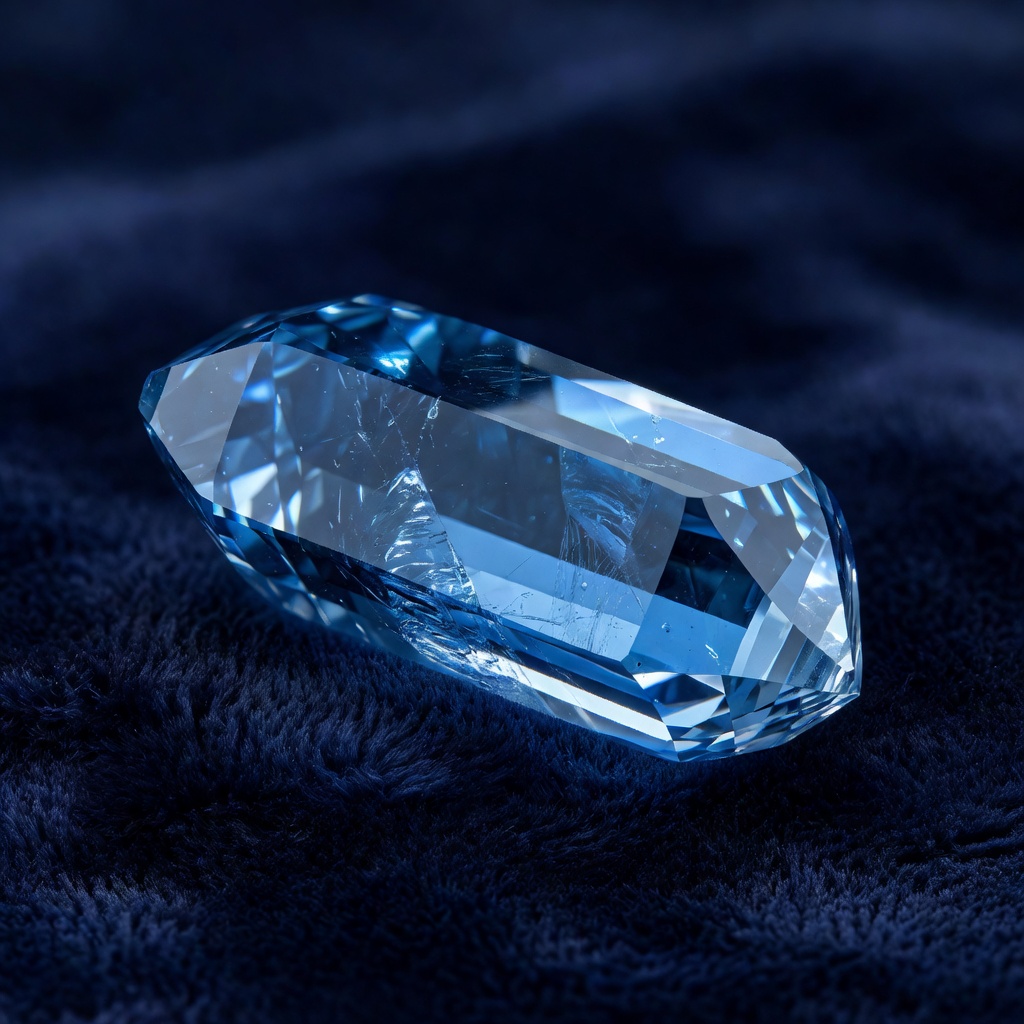
Introduction to Jeremejevite: The Collector's Hidden Treasure
Jeremejevite stands as one of the mineral kingdom's most elusive treasures, classified scientifically as a rare aluminum borate mineral with a chemical complexity that rivals its scarcity in the marketplace. First discovered in 1883 by Russian mineralogist Pavel Vladimirovich Eremeev in the Adun-Chilon Mountains of Siberia, this extraordinary gemstone remained virtually unknown outside of specialized mineralogical circles for nearly a century. The mineral was named in honor of its discoverer, though the spelling variation resulted from German mineralogical literature transcribing the Russian name into Western scientific databases. Today, jeremejevite properties and information remain closely guarded knowledge among serious gem collectors and mineral enthusiasts who recognize its significance as a benchmark specimen for any world-class collection.
The rarity status of jeremejevite cannot be overstated among gemstone collectors and mineral enthusiasts, with fewer than 500 significant gem-quality specimens documented in major museum collections worldwide. Unlike diamonds or sapphires that benefit from extensive mining operations, jeremejevite occurs in such limited quantities that most jewelry professionals will never handle a genuine specimen throughout their entire careers. Current market availability reflects severe sourcing challenges, as the primary deposit in Namibia produces only sporadic yields, and the original Russian locality has been exhausted for decades. Collectors seeking authentic specimens must navigate a marketplace where availability is unpredictable and prices reflect the mineral's status as a true connoisseur's stone.
Chemical Composition and Physical Properties
The remarkable characteristics of this aluminum borate mineral stem from its complex chemical formula Al6B5O15(F,OH)3, representing a sophisticated arrangement of aluminum, boron, oxygen, fluorine, and hydroxyl ions. This boron-aluminum composition places jeremejevite within the exclusive category of borate minerals, distinguishing it chemically from the silicate-based gemstones that dominate the jewelry market. The presence of fluorine and hydroxyl groups within the crystal lattice contributes to the mineral's unique optical properties and stability under various environmental conditions. Understanding these chemical fundamentals proves essential for gemologists when distinguishing genuine jeremejevite from simulants or visually similar blue gemstones.
Regarding jeremejevite hardness mohs measurements, the mineral exhibits a variable rating between 6.5 and 7.5 on the Mohs scale, creating interesting considerations for jewelry applications and specimen handling. This hardness range indicates that while jeremejevite can resist scratching from common materials like steel or glass, it remains vulnerable to damage from harder gemstones including quartz, topaz, corundum, and diamond. The variation in hardness often depends on the specific orientation of the crystal structure and the presence of microscopic inclusions that may affect durability. Collectors should note that despite moderate surface hardness, the mineral possesses perfect cleavage planes that can cause splitting under impact, requiring careful handling regardless of its position on the Mohs scale.
Specific gravity ranges for jeremejevite typically fall between 3.28 and 3.31, significantly denser than water and comparable to spinel or garnet in hand specimen heft. These density measurements prove invaluable for identification purposes, as the stone feels noticeably heavier than look-alikes like aquamarine or blue topaz when held in the hand. The refractive index ranges from approximately 1.64 to 1.65 with low birefringence, creating brilliant optical performance when properly faceted while maintaining a distinctive refractive signature that separates it from other blue gemstones. Such optical characteristics unique to this mineral allow experienced gemologists to quickly narrow down identification possibilities during preliminary examinations.
Practical Testing Applications
Gemology laboratories utilize these physical properties extensively when creating identification reports for valuable specimens entering the market. For instance, when a blue crystal is submitted for testing, technicians first measure specific gravity using heavy liquid methods or hydrostatic weighing to confirm the 3.28-3.31 range expected for authentic jeremejevite. Subsequently, refractometer readings targeting the 1.64-1.65 range help distinguish the mineral from aquamarine (1.57-1.58) or blue topaz (1.61-1.62), while polariscope examination reveals the uniaxial optical character consistent with its hexagonal crystal system. These testing protocols ensure that collectors investing in high-value jeremejevite receive accurate documentation of their purchases.
Crystal Structure and Geological Formation
Jeremejevite crystal structure belongs to the hexagonal crystal system, specifically crystallizing in the hexagonal dipyramidal class characterized by six-fold rotational symmetry. This hexagonal crystal system classification manifests in distinctive prismatic habits where crystals elongate along the vertical c-axis, often terminating in pyramidal faces that create striking geometric forms prized by mineral collectors. Typical crystal formations include long, slender prisms ranging from microscopic needles to exceptional specimens measuring several centimeters in length, though gem-quality material rarely exceeds two centimeters. The perfection of these crystalline forms reflects the specific conditions required for jeremejevite formation, involving slow cooling rates that allow atoms to arrange themselves in ordered, symmetrical patterns.
The geological environments conducive to jeremejevite formation remain exceptionally rare, occurring primarily within pegmatite and high-temperature geological environments where boron-rich fluids interact with aluminum-rich host rocks. These formation processes involving boron-rich fluids and aluminum sources typically occur at the final stages of pegmatite crystallization when volatile components including water, fluorine, and boron concentrate in residual melts. As these fluids migrate through fractures and cavities within the host rock, they deposit jeremejevite crystals when chemical conditions reach precise saturation points for aluminum borate precipitation. This specific geochemical requirement explains the mineral's extreme rarity, as few geological settings simultaneously provide the necessary boron concentrations, aluminum availability, and temperature-pressure conditions needed for crystallization.
Formation Case Study: The Namibian Deposits
The premier Namibian jeremejevite deposits exemplify these geological requirements perfectly, having formed within miarolitic cavities of granitic pegmatites in the Erongo Region approximately 130 million years ago. Miners report finding jeremejevite crystals embedded in feldspar and quartz matrices, often associated with tourmaline, topaz, and aquamarine, indicating the boron-rich nature of the parental fluids. These crystals frequently display exceptional clarity and the prized blue coloration resulting from trace iron substitution within the crystal lattice during formation. Understanding these paragenetic relationships helps modern prospectors target specific geological formations when searching for new jeremejevite occurrences.
Color Variations and Optical Phenomena
The rare blue jeremejevite variety represents the pinnacle of desirability among collectors, with its distinctive azure to cornflower blue hue caused by trace iron content replacing aluminum within the crystal structure. This most valued hue resembles fine sapphire or aquamarine but possesses a distinctive neon-like quality that becomes immediately apparent when comparing specimens side-by-side. Gemological research indicates that the intensity of blue coloration correlates directly with iron concentration, though excessive iron can darken crystals to unacceptable levels, making the balance between color saturation and brilliance critical for valuation. Less than one percent of all jeremejevite exhibits this intense blue coloration, establishing it as one of the rarest colored gemstone varieties available to collectors.
Beyond the prized blue variety, jeremejevite occurs naturally within a color spectrum encompassing colorless, pale yellow, and pale blue variations that appeal to different collecting aesthetics. Colorless specimens often demonstrate exceptional clarity and brilliance, making them suitable for jewelry applications where designers seek diamond alternatives with unique provenance. Pale yellow crystals, sometimes described as resembling pale citrine or yellow beryl, occur more frequently than blue specimens but still command significant premiums due to the mineral's overall scarcity. Pleochroism effects showing different colors from different angles add complexity to faceting decisions, as cutters must orient the table perpendicular to the c-axis to minimize color zoning and maximize face-up color.
Transparency levels ranging from transparent to translucent affect both the scientific study and commercial value of jeremejevite specimens. Transparent crystals suitable for faceting represent the minority of finds, with most specimens exhibiting some degree of cloudiness or internal fracturing that relegates them to mineral specimen collections rather than jewelry use. When present, transparency allows for the full appreciation of the mineral's vitreous luster and high refractive index, creating gems that rival fine aquamarine in brilliance. Collectors should examine specimens under various lighting conditions to assess transparency, as some inclusions visible under magnification may not significantly impact the stone's appearance in jewelry settings.
Global Deposits and Mining Locations
Namibia stands unchallenged as the premier source for gem-quality blue specimens, with the Erongo Region producing nearly all faceted jeremejevite stones available in today's market. The Namibian jeremejevite deposits occur within the Karibib and Usakos districts, where artisanal miners extract crystals from weathered pegmatite outcrops using hand tools to prevent damage to delicate specimens. Mining operations remain small-scale and sporadic, with production figures varying dramatically from year to year depending on the discovery of new pockets within the granite formations. This inconsistency in supply contributes significantly to market volatility and the investment potential of high-quality Namibian specimens.
The original Russian locality in the Adun-Chilon Mountains of eastern Siberia holds historical significance as the type locality, though the deposit has not produced significant quantities since the early 20th century. Specimens from this locality typically exhibit pale blue to colorless hues and often display complex twinning habits not observed in Namibian material. Tajikistan deposits producing notable crystals occur in the Pamir Mountains, where Soviet-era geological surveys documented occurrences associated with high-altitude granitic intrusions. These Tajik specimens occasionally reach the market through mineral shows in Moscow and St. Petersburg, typically commanding premium prices due to their scarcity and unique crystal habits.
Emerging sources in Myanmar and Madagascar have generated excitement among collectors, though these locations typically produce smaller or less intensely colored specimens compared to the Namibian standard. Myanmar material often appears as water-worn pebbles in alluvial deposits, complicating efforts to trace specimens back to their primary hard-rock sources. Madagascar deposits near Ampasindava have yielded yellow and colorless crystals, expanding the color palette available to collectors but not significantly impacting the supply of blue material. As mining technology improves in these regions, gemologists anticipate potential discoveries of new gem-quality pockets, though the specific geological requirements for jeremejevite formation suggest that large-scale production remains unlikely.
Gemstone Quality and Valuation Factors
Size limitations affecting cut stone availability and pricing create one of the most challenging aspects of jeremejevite gemstone value assessment, with the vast majority of faceted stones weighing less than one carat. Crystals large enough to yield finished gems exceeding two carats qualify as museum-grade rarities, often selling for prices comparable to fine emeralds or alexandrites on a per-carat basis. This extreme scarcity of larger stones means that even slightly included specimens over one carat command significant premiums, as cutters must balance maximum weight retention against clarity standards. Collectors seeking investment-grade material should prioritize size as a primary valuation factor, understanding that doubling the carat weight may increase the price exponentially rather than linearly.
Clarity standards and inclusion tolerance for faceted gems differ significantly from those applied to more common gemstones, with collectors accepting minor inclusions that would disqualify stones like aquamarine or topaz. Common inclusions include fluid-filled cavities, growth tubes parallel to the c-axis, and microscopic crystals of associated minerals such as tourmaline or feldspar. While eye-clean specimens represent the ideal, slightly included stones with good color may still prove suitable for jewelry if inclusions do not threaten durability or significantly impact brilliance. Experienced buyers often use 10x magnification rather than the naked eye when assessing jeremejevite clarity, adjusting their expectations to match the mineral's natural characteristics.
Cutting challenges due to perfect cleavage and brittleness require specialized lapidary skills, as the mineral can split cleanly along specific crystallographic planes if subjected to pressure or thermal shock during the cutting process. Master cutters typically orient the table facet perpendicular to the c-axis to minimize the risk of cleavage damage while maximizing color display and brilliance. Price per carat comparisons with aquamarine and other blue gems reveal that fine blue jeremejevite typically commands two to three times the price of equivalent-quality aquamarine, reflecting its superior rarity and collector demand. Current market data suggests that top-color blue specimens over one carat may retail between $2,000 and $5,000 per carat, with exceptional stones commanding significantly higher prices at auction.
Valuation Practical Tips
When assessing jeremejevite for purchase, collectors should request detailed documentation regarding the stone's origin, as Namibian material typically commands higher prices than Tajik or Russian specimens due to superior color and clarity. Working with gemological laboratories that specialize in rare gemstones ensures accurate identification and can provide origin determination based on trace element analysis and inclusion patterns. Buyers should also consider the cutting quality carefully, as poorly executed faceting can reduce the value of a rare rough crystal by failing to optimize color and brilliance. Building relationships with dealers who regularly handle rare gemstones provides access to pre-market offerings and expert guidance on fair pricing in this niche market.
Identification Methods and Authentication
Distinguishing features from aquamarine, blue topaz, and fluorite require careful examination of optical and physical properties, as these more common blue gemstones can superficially resemble jeremejevite to the untrained eye. Unlike aquamarine, which belongs to the beryl family and exhibits lower specific gravity (2.68-2.74) and refractive index (1.57-1.58), jeremejevite feels noticeably heavier in the hand and displays greater brilliance due to its higher refractive index. Blue topaz shares similar hardness but lacks the pleochroism characteristic of jeremejevite and shows different refractive indices (1.61-1.62) that separate it under gemological testing. Fluorite, while sometimes appearing in similar blue hues, ranks only 4 on the Mohs scale and exhibits perfect octahedral cleavage rather than the prismatic cleavage of jeremejevite.
Refractive index testing and birefringence measurements provide definitive identification parameters, with authentic jeremejevite displaying readings between 1.64 and 1.65 on the refractometer. The mineral exhibits uniaxial negative optical character with low birefringence (0.006), meaning that doubling of back facets appears minimal compared to materials like zircon or peridot. Specific gravity testing procedures for rough specimens involve hydrostatic weighing or heavy liquid methods, with genuine material sinking in methylene iodide (specific gravity 3.32) while similar-looking stones like aquamarine float. These tests prove particularly important when examining alluvial rough that lacks obvious crystal faces indicating its hexagonal crystal structure.
Common synthetics and simulants to avoid in the market include glass imitations that lack the crystalline structure and specific gravity of natural jeremejevite, as well as synthetic spinel or corundum that may be dyed to resemble blue jeremejevite. Advanced spectroscopic analysis can detect treatment indicators such as dye concentrations in surface-reaching fractures or evidence of heat treatment that might alter color in other gemstones. Collectors should remain vigilant for composite stones consisting of jeremejevite crowns glued to pavilion sections of cheaper material, a deceptive practice occasionally encountered with rare gemstones. Professional certification from respected laboratories such as GIA, SSEF, or Gubelin provides essential protection against these fraudulent practices.
Jewelry Applications and Wearability
Suitability for pendants and earrings versus rings depends primarily on the wearer's lifestyle and the specific setting design, though gemological consensus strongly favors earrings and pendants for this rare material. The combination of moderate hardness and perfect cleavage makes jeremejevite vulnerable to damage from the knocks and abrasions that rings typically encounter during daily activities. Earrings and pendants experience less mechanical stress and allow the stone to be displayed prominently without exposing it to the hazards of manual labor or accidental impacts against hard surfaces. When set in rings, jeremejevite wearability improves significantly with protective setting requirements such as bezel or flush settings that shield the stone from direct impact.
Protective setting requirements due to cleavage planes necessitate designs that minimize exposure of the girdle and pavilion to external forces. Bezel settings that surround the stone with a continuous wall of metal provide the best protection, though they may slightly reduce light return compared to prong settings. V-prongs at the corners of emerald-cut or rectangular step-cut jeremejevite stones offer a compromise between protection and brilliance, securing the vulnerable points where cleavage planes intersect the surface. Jewelers experienced with rare gemstones can create custom mountings that account for the specific orientation of cleavage planes in individual stones, orienting the setting to minimize stress on these weak directions.
Rarity limiting commercial jewelry production means that most jeremejevite jewelry pieces remain one-of-a-kind custom creations rather than mass-produced commercial lines. High-end jewelry houses occasionally feature jeremejevite in couture collections, using the stone's rarity as a selling point for exclusive clientele seeking unique gemstones. Collector specimen versus wearable gem considerations often influence design decisions, with particularly rare or large stones sometimes being mounted in reversible pendants that allow the stone to be removed for display in a mineral collection. This dual-purpose approach recognizes that many jeremejevite owners view their gems as investment-grade collectibles first and jewelry items second.
Care, Maintenance, and Storage Guidelines
Cleaning methods using mild soap and warm water represent the safest approach for maintaining jeremejevite jewelry, utilizing a soft brush to remove accumulated oils and debris from behind the stone. Avoiding ultrasonic cleaners remains essential due to the mineral's perfect cleavage and potential for internal fracturing under vibrational stress, which could cause clean breaks along structural planes. Similarly, steam cleaning poses risks of thermal shock, as rapid temperature changes can create internal stresses that lead to fracturing in this sensitive crystalline material. After cleaning, patting the stone dry with a soft, lint-free cloth prevents water spots while avoiding the rubbing motions that might scratch the surface or catch on prongs.
Protection from thermal shock and sudden temperature changes extends beyond cleaning protocols to encompass general wearing habits and storage environments. Removing jeremejevite jewelry before entering saunas, hot tubs, or extremely cold environments prevents the expansion and contraction cycles that stress the crystal lattice. Storage recommendations to prevent scratching by harder gems include keeping jeremejevite pieces in individual soft cloth pouches or lined jewelry boxes with separate compartments, never allowing contact with diamonds, rubies, or sapphires that could abrade the surface. Ideally, jeremejevite should be stored away from direct sunlight in stable temperature conditions to prevent any potential color fading in treated specimens or thermal degradation of the crystal structure.
Handling precautions for cleavage-sensitive crystalline structure should be observed even when examining loose stones, supporting the specimen from below rather than pinching between fingers that might apply uneven pressure. When transporting valuable jeremejevite specimens for appraisal or sale, using rigid containers with foam padding prevents movement while providing insulation against temperature fluctuations. Insurance documentation should include specific care instructions to ensure that any future repairs or cleaning are performed by jewelers familiar with rare gemstone requirements. Regular inspection of settings by professional jewelers can catch loose prongs or wear patterns before they result in the loss of these irreplaceable stones.
Investment Potential and Collecting Strategies
Market scarcity driving long-term value appreciation establishes jeremejevite as a compelling alternative investment for collectors seeking tangible assets with growth potential independent of traditional financial markets. Unlike diamonds or colored stones with established mining infrastructures, jeremejevite production remains artisanal and unpredictable, ensuring that supply cannot rapidly increase to meet growing demand from emerging markets. Historical price data indicates steady appreciation for fine specimens, with top-color Namibian stones showing value increases of 200-300% over the past two decades as awareness of the mineral spreads among high-net-worth collectors. This appreciation potential must be balanced against the illiquid nature of the rare gemstone market, where selling significant specimens may require months or years to find appropriate buyers.
Documentation requirements including origin and certification prove essential for protecting investment value and establishing provenance for future resale. Laboratory reports should specify not only the identification of the material as jeremejevite but also note the geographic origin when determinable, as Namibian specimens typically command premiums over material from other localities. Photographic documentation of the rough crystal prior to cutting, along with cutting diagrams showing weight retention, provides additional provenance information that serious collectors value when purchasing faceted stones. Maintaining records of purchase prices, previous owners (if known), and any exhibition history adds to the stone's narrative value, which can significantly impact auction results for rare specimens.
Building a collection focusing on color varieties and crystal forms allows collectors to appreciate the mineral's diversity while hedging against market fluctuations in any single category. A comprehensive jeremejevite collection might include a fine blue faceted stone as the centerpiece, accompanied by a yellow crystal specimen, a colorless gem, and perhaps a rare etched crystal showing pyramidal terminations. Future availability concerns due to limited mining operations suggest that collectors should acquire quality specimens when opportunities arise, rather than waiting for price corrections that may never materialize given the mineral's extreme rarity. Networking with mineral clubs, attending specialized gem shows such as Tucson or Munich, and establishing relationships with African mineral dealers provides access to specimens before they reach the broader market.
Investment Risk Management
Collectors approaching jeremejevite as an investment should diversify within the rare gemstone category, balancing their portfolio across different color grades and specimen types rather than concentrating entirely on the highest-value blue stones. While blue specimens offer the greatest appreciation potential, they also carry higher liquidity risks during market downturns, whereas colorless and yellow stones may retain more stable values due to their relative affordability. Working with reputable dealers who offer buy-back policies or consignment options provides exit strategies for investors needing to liquidate assets. Additionally, ensuring proper insurance coverage through specialized fine art and collectibles policies protects against the catastrophic loss of these irreplaceable geological treasures.
Frequently Asked Questions
What makes jeremejevite so rare compared to other gemstones?
Jeremejevite is exceptionally rare due to its specific geological formation requirements involving boron-rich pegmatites, limited viable mining locations (primarily Namibia), and the scarcity of gem-quality crystals large enough for faceting. Most specimens under 1 carat exist, making larger stones museum-grade rarities.
How hard is jeremejevite on the Mohs scale?
Jeremejevite ranks 6.5 to 7.5 on the Mohs hardness scale, making it relatively durable but susceptible to scratching by harder materials like sapphires and diamonds. While suitable for jewelry, it requires protective settings due to its perfect cleavage planes that can cause splitting under impact.
What colors does jeremejevite naturally occur in?
Jeremejevite occurs in colorless, pale yellow, pale blue, and the highly prized cornflower to sapphire-blue varieties. The blue coloration results from trace iron content. Colorless and pale yellow specimens are more common, while intense blue stones command premium prices due to their extreme rarity.
Where are the best jeremejevite specimens found?
The finest gem-quality blue jeremejevite crystals come from Namibia, specifically the Erongo Region. Other notable sources include Tajikistan (Pamir Mountains), Russia (original discovery site in Siberia), and limited deposits in Myanmar and Madagascar, though these typically produce smaller or less intensely colored specimens.
How can I verify if my jeremejevite is authentic and not a simulant?
Authentic jeremejevite can be identified through refractive index testing (1.64-1.65 range), specific gravity measurements (3.28-3.31), and examination of its hexagonal crystal system. Professional gemological laboratories can distinguish it from look-alikes like aquamarine or blue topaz through advanced spectroscopic analysis and inclusion patterns.
Is jeremejevite suitable for everyday wear in rings?
Due to its perfect cleavage and brittleness, jeremejevite is not recommended for everyday ring wear, especially in engagement rings or pieces subject to knocks. It is better suited for pendants, earrings, or occasional wear rings with protective bezel settings that shield the stone from direct impact.
Why is blue jeremejevite significantly more expensive than other colors?
Blue jeremejevite commands higher prices due to its exceptional rarity—less than 1% of all jeremejevite exhibits the intense blue color comparable to fine sapphire. The blue variety also typically shows better clarity and brilliance than yellow or colorless specimens, plus market demand strongly favors blue gemstones among collectors.
What is the proper way to clean and store jeremejevite specimens?
Clean jeremejevite using warm water, mild soap, and a soft brush; avoid ultrasonic cleaners and steam cleaning due to thermal shock risks. Store separately from harder gemstones (diamonds, rubies, sapphires) in soft cloth pouches or lined boxes to prevent scratching, and protect from sudden temperature changes that could cause fracturing.