
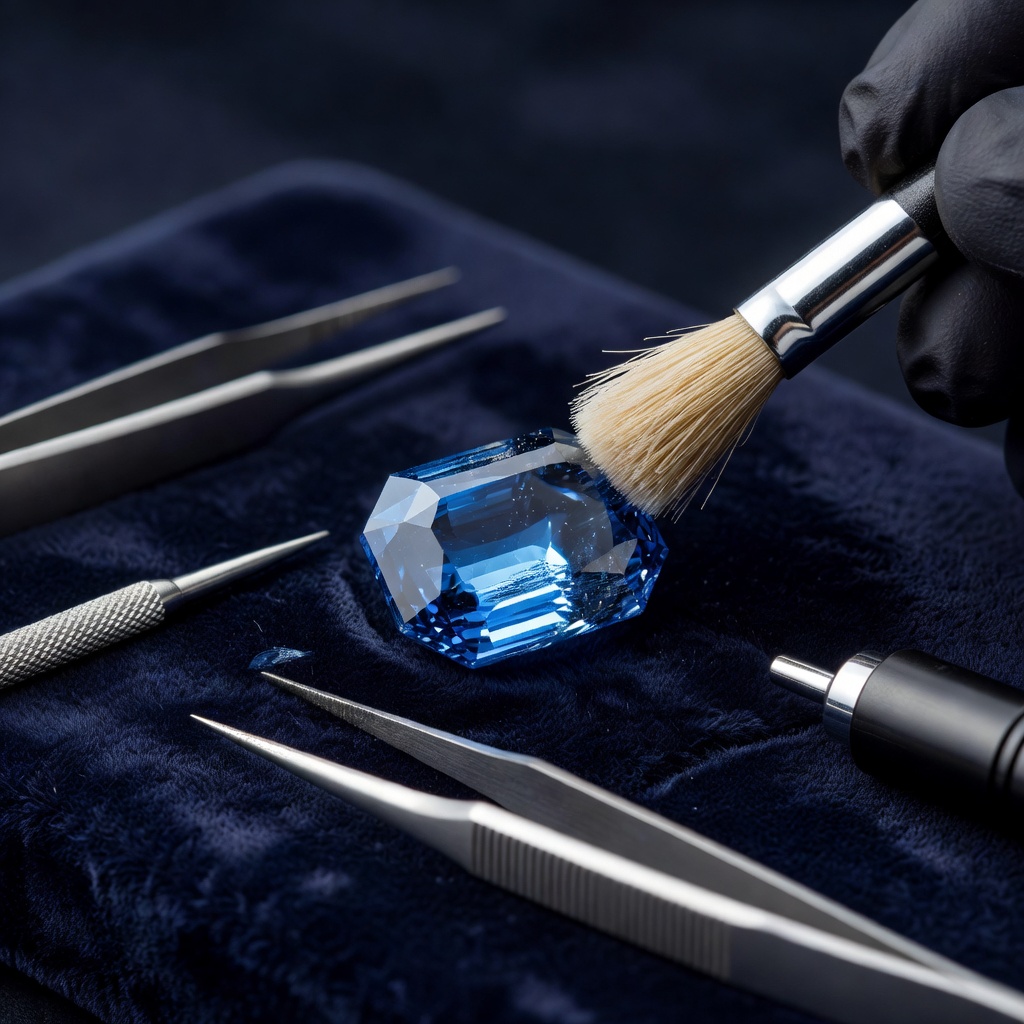
Understanding Jeremejevite: Rarity and Value
Jeremejevite stands as one of the most elusive treasures in the gemological world, commanding respect from collectors and investors who recognize its extraordinary scarcity. This aluminum borate mineral, first discovered in the Adun-Chilon Mountains of Siberia in 1883, occurs in such limited quantities that fine specimens are considered rarer than diamond by volume. The gemstone exhibits a remarkable range of colors from completely colorless to delicate pale blue and rich golden yellow, with the blue variety from Namibia commanding the highest premiums due to its exceptional clarity and vibrant hue. Most gem-quality material originates from three primary locations: the Erongo Mountains of Namibia, the Pamir Mountains of Tajikistan, and the original Russian localities, with each source producing distinctly different color characteristics and crystal formations.
Given that a high-quality jeremejevite crystal over one carat can fetch thousands of dollars per carat, implementing rigorous rare gemstone maintenance protocols becomes not merely advisable but essential for preserving both aesthetic beauty and financial value. Unlike more common gemstones where replacement is feasible, damaging a jeremejevite specimen often means permanently losing a piece of geological history, as the supply of new material entering the market remains infinitesimally small. Collectors who acquire these stones must approach their care with the same diligence applied to museum artifacts, recognizing that proper preservation ensures these aluminum borate crystals remain brilliant for future generations.
Physical Properties and Durability Factors
Understanding the jeremejevite hardness rating is crucial for setting realistic expectations about wearability and handling requirements. On the Mohs scale, jeremejevite registers between 6.5 and 7.5, placing it in the same general range as quartz and tourmaline, though this number only tells part of the story. While this hardness level suggests reasonable resistance to scratching from everyday dust (which typically contains quartz particles), the mineral's perfect cleavage in one direction creates a significant vulnerability that hardness alone cannot indicate. These cleavage planes act as natural fault lines within the crystal structure, allowing the stone to split cleanly when subjected to impact or pressure, much like the way wood separates along its grain.
When comparing durability to similar-looking gemstones, jeremejevite requires more cautious handling than aquamarine (7.5-8 hardness with imperfect cleavage) and significantly more care than topaz (8 hardness with perfect basal cleavage but greater toughness). The brittleness factor means that even a modest bump against a granite countertop or metal door handle can result in a chipped girdle or cleaved table facet. Jewelers working with this material must use specialized techniques during setting, often preferring protective bezel settings over exposed prong settings for rings. Owners should understand that while the stone can withstand normal atmospheric conditions, its internal structure demands respect and gentle treatment during every interaction.
Safe At-Home Cleaning Techniques
Implementing proper gemstone cleaning methods at home requires only simple household items but demands meticulous attention to technique and water temperature. Begin by preparing a cleaning solution using approximately one cup of lukewarm water—not hot, as thermal shock can stress the crystal structure—mixed with two drops of mild, pH-neutral dish soap such as Dawn or Joy. Avoid antibacterial soaps or those containing moisturizers, as these can leave filmy residues on the stone's surface. Place your jeremejevite jewelry in the solution and allow it to soak for no more than three to five minutes to loosen accumulated oils and debris without oversaturating any included materials.
For physical cleaning, select a soft-bristled baby toothbrush with rounded nylon bristles, which provide the ideal balance between flexibility and cleaning action. Gently brush the stone's surface, paying particular attention to the area beneath the bezel or prongs where skin oils and hand cream accumulate most heavily. Use circular motions with minimal pressure, allowing the bristles to do the work rather than applying force. After brushing, rinse the piece thoroughly under lukewarm running water, ensuring all soap residue washes away completely. The final and most critical step involves drying with a lint-free microfiber cloth, patting rather than rubbing the stone, and allowing it to air-dry completely on a soft towel before returning it to storage. For frequently worn jeremejevite pieces, perform this cleaning routine every two to four weeks to prevent buildup that could dull the stone's brilliance.
Cleaning Methods to Avoid
Protecting your investment in jeremejevite jewelry care means understanding which cleaning technologies and chemicals pose existential threats to the stone's integrity. Ultrasonic cleaners, despite their popularity for diamond and sapphire maintenance, create catastrophic risks for jeremejevite through high-frequency vibrations that exploit the mineral's perfect cleavage planes. These sound waves generate microscopic fractures that may not be immediately visible but compromise the structural integrity, potentially causing the stone to split days or weeks after the cleaning session. Similarly, steam cleaning devices subject the gem to rapid temperature fluctuations that induce thermal shock, creating internal stress fractures or exacerbating existing inclusions.
Chemical avoidance proves equally important for preserving jeremejevite's pristine condition. Never expose this gemstone to ammonia-based window cleaners, chlorine bleach, acids (including vinegar and lemon juice), or alcohol-based solutions, as these can etch the surface or attack any fillers used in fracture-filling treatments sometimes applied to included specimens. Abrasive materials such as baking soda, toothpaste, or commercial jewelry scrubbing compounds will inevitably scratch the surface, creating a network of microscopic abrasions that scatter light and permanently reduce brilliance. Even jewelry cleaning cloths impregnated with polishing compounds should be avoided unless specifically designated as safe for soft gemstones, as these can wear away the polish over time.
Professional Cleaning and Maintenance
While home maintenance handles routine cleaning, comprehensive rare gemstone maintenance requires periodic professional intervention, particularly for high-value jeremejevite specimens. Schedule annual inspections with a jeweler who specializes in colored stones or possesses experience with rare gems, as these professionals understand the unique vulnerabilities of aluminum borate minerals. During these visits, the technician should examine prong integrity, checking for metal fatigue or loosening that could allow the stone to fall out, while also inspecting the gem itself for developing chips or cleavage cracks that may require stabilization or repolishing.
Professional repolishing becomes necessary when surface scratches accumulate to the point of affecting light return, though this procedure should be undertaken sparingly given the gem's rarity. Unlike diamonds, which can withstand multiple repolishings, jeremejevite loses weight and potentially value with each cutting session, making prevention preferable to restoration. Cost considerations for professional maintenance vary widely depending on the stone's size and setting complexity, with basic cleaning and inspection typically ranging from $50 to $150, while repolishing services may cost several hundred dollars due to the specialized equipment and expertise required. For investment-grade specimens worth tens of thousands of dollars, these maintenance costs represent essential insurance against value depreciation.
Optimal Storage Solutions
Proper precious stone storage for jeremejevite requires a multi-layered approach that addresses physical protection, environmental stability, and light exposure. Always store jeremejevite pieces individually in soft fabric pouches made from unbleached cotton, velvet, or specialized anti-tarnish materials, ensuring that harder gemstones cannot contact the surface. A dedicated compartment in a quality jewelry box with individual padded slots provides ideal protection, though even within these boxes, jeremejevite should occupy separate drawers from diamond jewelry (10 hardness), rubies and sapphires (9 hardness), or even harder quartzes (7 hardness) that could scratch its surface during drawer movement.
Environmental control plays a critical role in long-term preservation, as this aluminum borate mineral responds poorly to extreme humidity fluctuations and temperature variations. Maintain storage areas at stable room temperature between 65-75°F (18-24°C) with relative humidity between 45-55%, conditions that prevent both desiccation of any natural inclusions and condensation that could affect metal settings. Avoid bathroom storage where shower steam creates cyclical humidity spikes, and never store jeremejevite in direct sunlight or near windows where UV exposure could potentially fade blue and yellow color varieties over decades. For collectors with multiple specimens, consider investing in museum-quality display cases with silica gel humidity controls and UV-filtering glass.
Daily Wear and Handling Precautions
Integrating aluminum borate mineral jewelry into daily wardrobes requires establishing strict protocols about when removal is mandatory. Always remove jeremejevite rings, pendants, or earrings before engaging in physical activities including exercise, gardening, or household chores, as the stone's brittleness makes it susceptible to impact damage from weights, tools, or accidental strikes against hard surfaces. Cooking presents particular hazards, as thermal shock from opening hot ovens or exposure to acidic ingredients like tomato sauce or citrus can damage the surface, while cleaning chemicals present obvious corrosion risks.
Apply the "last on, first off" rule when dressing: put jeremejevite jewelry on after applying cosmetics, hairspray, perfume, and lotions, as these products contain chemicals that can create filmy buildup or etch the stone's surface. Similarly, remove the jewelry first when undressing to prevent accidental snagging on clothing fibers that could torque the setting. Temperature extremes require particular vigilance; never wear jeremejevite in hot tubs, saunas, or during winter activities where rapid temperature shifts occur, as thermal shock can cause internal fracturing even without visible impact. When handling the stone, grasp it by the metal setting rather than the girdle or table to minimize oil transfer from fingerprints, which can create a dulling film within hours of contact.
Troubleshooting Common Issues
Even with diligent Jeremejevite Care and Cleaning, owners occasionally encounter issues requiring specific remediation strategies. Oil and fingerprint buildup, which appears as smudgy patches that reduce fire and brilliance, responds best to immediate cleaning with a microfiber cloth slightly dampened with distilled water, followed by immediate drying. For stubborn oily residues that resist water cleaning, a brief soak in pure isopropyl alcohol (90% concentration) not exceeding thirty seconds can cut through the grease, though this should be followed by thorough rinsing and drying to prevent residue formation.
Cloudiness or film development often indicates either accumulated soap residue from inadequate rinsing or microscopic surface damage from improper cleaning methods. If gentle brushing with soapy water fails to restore clarity, examine the stone under magnification to distinguish between surface film (which moves or changes appearance when viewed from different angles) and internal fractures or inclusions (which remain stationary). Dull-looking stones that fail to respond to cleaning may require professional repolishing to remove microscopic scratches that scatter light. However, if you observe chips along the girdle, feathers extending from the surface, or any cracks that appear to grow with time, immediately cease wearing the piece and consult a gemologist, as these indicate structural compromise requiring expert stabilization.
Long-Term Preservation for Collectors
For those who acquire jeremejevite as investment assets rather than mere adornments, rare gemstone maintenance extends into documentation, insurance, and legacy planning. Maintain detailed provenance records including purchase receipts, laboratory certification reports from recognized institutions like GIA or AGL, and high-resolution photographs showing the stone's condition at acquisition. Update insurance appraisals every two to three years, as the value of fine jeremejevite has appreciated significantly over the past decade due to depleted mines in Namibia, and standard homeowner's policies often require specific riders for high-value gemstones.
Environmental monitoring becomes crucial for investment-grade specimens stored long-term. Consider installing hygrometers and thermometers in storage areas to track conditions, maintaining logs that demonstrate proper care protocols for future buyers or heirs. For stones worth substantial sums, consult with estate planners about specific bequest instructions, as heirs may not recognize the stone's value or care requirements. Some collectors choose to include "care cards" with their jeremejevite bequests, detailing the specific cleaning protocols and storage requirements outlined in this guide. Museum curators and serious collectors often employ argon-filled storage containers for extremely rare specimens, eliminating oxidation risks to metal settings and providing inert atmospheric conditions that preserve the aluminum borate crystal structure indefinitely.
Frequently Asked Questions
Can I use an ultrasonic cleaner for my jeremejevite jewelry?
No, ultrasonic cleaners are not recommended for jeremejevite. Despite its 6.5-7.5 hardness, jeremejevite has perfect cleavage planes that can fracture under ultrasonic vibrations. Always use gentle hand-cleaning with warm soapy water and a soft brush instead.
How often should I clean my jeremejevite gemstone?
For regularly worn jeremejevite jewelry, clean every 2-4 weeks using mild soap and water to remove skin oils and debris. For display specimens, dust monthly with a soft cloth and deep clean every 3-6 months to maintain optimal brilliance.
Is jeremejevite durable enough for daily wear in rings?
While jeremejevite has moderate hardness (6.5-7.5), its perfect cleavage makes it susceptible to chipping from impacts. It's better suited for pendants and earrings than rings. If worn daily in rings, choose protective settings like bezels and remove during physical activities.
What causes jeremejevite to lose its luster or become cloudy?
Cloudiness typically results from accumulated skin oils, soap residue, or microscopic scratches. Unlike harder gems, jeremejevite can develop a film from everyday wear. Regular gentle cleaning with proper drying restores clarity. Persistent cloudiness may indicate surface damage requiring professional repolishing.
Can I clean jeremejevite with vinegar, baking soda, or toothpaste?
Never use vinegar, baking soda, or toothpaste on jeremejevite. These acidic or abrasive substances can etch the surface and damage the stone. Stick to pH-neutral mild dish soap and lukewarm water only to preserve the gemstone's integrity and polish.
How should I store jeremejevite to prevent damage?
Store jeremejevite separately in soft fabric pouches or individual compartments in a jewelry box. Keep it away from harder gemstones like diamonds (10 hardness) that can scratch it. Maintain stable room temperature and avoid bathroom storage where humidity fluctuations occur.
Is jeremejevite sensitive to light or heat?
Yes, prolonged exposure to direct sunlight or intense heat can potentially fade jeremejevite's color, particularly the blue and yellow varieties. Additionally, sudden temperature changes can cause thermal shock. Store away from windows and avoid wearing in saunas or hot tubs.
How can I tell if my jeremejevite needs professional attention?
Seek professional help if you notice visible chips, cracks along cleavage planes, loose settings, or if the stone remains cloudy after proper cleaning. Also consult a gemologist if the gemstone appears to have changed color or developed internal fractures, as these require specialized repair.


