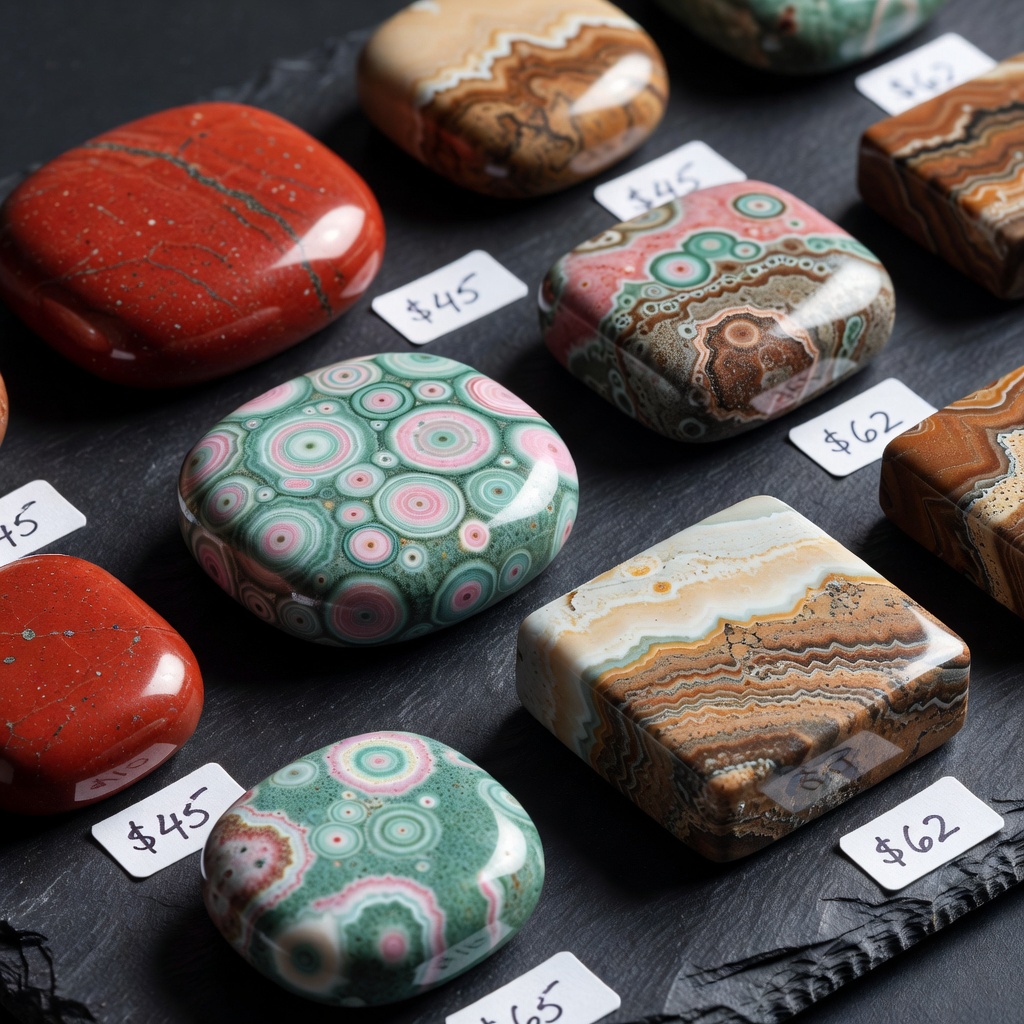
Understanding Jasper and Its Market Value
Jasper represents one of the most versatile and accessible varieties of chalcedony quartz, captivating collectors and jewelry enthusiasts with its endless spectrum of colors, intricate patterns, and geological history. As a microcrystalline silicate mineral, jasper forms when silica-rich fluids permeate volcanic rock or sediment, creating the distinctive banded, spotted, or scenic patterns that make each specimen unique. This comprehensive Jasper Price Guide will navigate you through the complex pricing landscape, from budget-friendly tumbled stones to museum-quality collector pieces that command premium valuations in today's marketplace.
The pricing spectrum for jasper spans remarkably from mere pennies per carat to hundreds of dollars for exceptional specimens, creating a market accessible to both novice rockhounds and serious mineral investors. Common varieties like red jasper and brecciated jasper remain affordable due to abundant global deposits, while rare varieties such as Madagascar ocean jasper have seen prices skyrocket as mines become depleted. Understanding these valuation tiers requires examining geological scarcity, aesthetic appeal, and the growing collector demand that drives specific varieties into premium price categories.
Current market trends in 2024 reveal increasing demand for pattern-specific jasper varieties, particularly those exhibiting orbital designs, landscape scenes, or vivid color combinations suitable for statement jewelry pieces. The rise of artisan jewelry makers and metaphysical healing communities has simultaneously boosted consumption of both rough material for lapidary work and finished cabochons for setting. Additionally, collectors increasingly prioritize documented provenance, with specimens from specific extinct mines commanding significant premiums over similar-looking material from active commercial operations.
Types of Jasper and Their Price Ranges
The jasper family encompasses hundreds of distinct varieties, each possessing unique visual characteristics that directly influence market valuations and collector interest. Understanding the specific price tiers helps buyers allocate budgets effectively, whether seeking affordable material for jewelry production or investment-grade specimens for long-term appreciation. The following breakdown categorizes jasper types by their typical market positioning, though exceptional individual specimens may transcend these general classifications based on rarity factors.
Common Commercial Varieties
Standard red jasper and brecciated jasper represent the most accessible entry points for new collectors, with red jasper price per carat typically ranging between $0.50 and $3 for quality cabochons. These varieties occur abundantly in locations worldwide including India, Brazil, and the western United States, ensuring steady supply chains that keep prices stable and affordable. Buyers seeking tumbled stones or rough material for wire-wrapping can often purchase these common types in bulk for significantly less, sometimes finding quality pieces for $0.10 to $0.25 per carat when purchasing larger lots directly from wholesalers.
Premium Designer Grade Jasper
Moving into premium categories, ocean jasper value and imperial jasper pricing reflect the geological uniqueness and limited availability of these highly sought-after varieties. Current market rates position these designer-grade stones between $5 and $20 per carat for quality cabochons, with exceptional specimens featuring perfect orbital patterns or vivid color contrasts reaching $30 to $50 per carat. Picture jasper, particularly varieties depicting detailed landscape scenes or desert vistas, commands similar premiums when the patterns resemble recognizable geological formations or abstract art compositions.
Rare and Regional Specialty Jasper
At the pinnacle of the market, Oregon-specific varieties like Biggs jasper, Morrisonite, and Willamette Valley jasper have achieved legendary status among serious collectors, with top-tier cabochons selling for $50 to $100 or more per carat. These American classics benefit from depleted mines and finite supply, particularly Morrisonite jasper from the famous Idaho-Oregon border region, which has been effectively unavailable at the source for decades. Similarly, specific pocket discoveries of Willow Creek jasper or Blue Mountain jasper can create immediate price spikes as collectors rush to acquire fresh material before supplies exhaust.
Quality Factors That Determine Jasper Value
Evaluating jasper specimens requires understanding the specific characteristics that separate commercial-grade material from collector-quality investments, whether examining rough rough or finished gemstones. Professional gemologists and experienced lapidaries assess multiple quality parameters that collectively determine fair market value, helping buyers avoid overpaying for inferior material or missing opportunities to acquire undervalued exceptional pieces. Mastering these evaluation criteria empowers collectors to make informed purchasing decisions across all price categories.
Color Intensity and Pattern Complexity
The most valuable jasper specimens exhibit saturated, vivid colors without muddying or dullness, particularly in varieties like imperial jasper where distinct color banding creates visual impact. Pattern complexity significantly affects valuation, with stones displaying defined orbital designs, scenic landscapes, or geometric precision commanding substantial premiums over solid-color or poorly patterned material. For example, ocean jasper exhibiting clear "eyes" or spherical formations in contrasting colors might sell for three to four times the price of similar material with chaotic, undefined patterning, reflecting the aesthetic preferences driving collector markets.
Clarity and Structural Integrity
While jasper typically contains natural inclusions and patterns, structural integrity remains crucial for both jewelry applications and long-term value retention. Buyers should examine stones under bright lighting to identify hidden fractures, soft spots, or healed cracks that might compromise durability during setting or wear. Natural inclusions such as druzy pockets or mineral veining can actually enhance value when they add visual interest without weakening the stone, whereas artificial fillers or stabilization treatments significantly diminish prices unless properly disclosed by the seller.
Cut Quality and Polish Finish
The transformation from rough rock to finished gemstone involves skilled labor that substantially impacts final retail pricing, with professional lapidaries charging premium rates for complex cabochon cuts that maximize pattern display. A well-executed cut should maintain consistent dome height, symmetrical outlines, and edges free of chips or flat spots, while the polish should achieve a mirror-like finish that reveals the stone's full color potential. Poorly cut stones with uneven surfaces or dull finishes may sell for 50% less than comparable material cut by master craftsmen, highlighting the importance of craftsmanship in jasper valuation.
Jasper Pricing: Per Carat vs. Per Pound
Navigating jasper markets requires fluency in two distinct pricing methodologies: the carat-based system used for finished jewelry stones and the per-pound pricing common in rough material and bulk sales. Understanding when each pricing structure applies helps buyers optimize procurement strategies, whether creating single statement pieces or producing volume jewelry lines. This knowledge proves particularly valuable when sourcing raw jasper stone prices for lapidary projects or investment collections.
Carat-Based Pricing for Finished Stones
Jewelry-grade cabochons and polished specimens typically sell by the carat, with prices scaling according to the quality factors previously discussed while accounting for size premiums on large, clean pieces. Standard calibrated sizes for jewelry settings (such as 10x8mm ovals or 12mm rounds) often command slight premiums over freeform cuts due to their immediate usability in commercial mounting designs. When purchasing by carat, buyers should verify that stated weights include only the usable stone material rather than matrix or backing material sometimes left attached to increase apparent weight.
Bulk Pricing by Weight for Rough Material
Rough jasper suitable for cutting or tumbling typically sells by the pound, with common varieties ranging from $5 to $30 per pound depending on quality, pattern potential, and source location. Premium rough material from desirable localities like specific Oregon deposits or Madagascar may reach $50 to $200 per pound when sold as lapidary rough with visible patterning on exterior surfaces. Wholesale buyers and serious hobbyists often negotiate ton pricing for mine-run material, potentially reducing per-pound costs to $2 to $5 for ungraded rough requiring extensive sorting and processing.
Conversion Factors and Purchasing Strategies
When comparing rough to finished pricing, experienced buyers estimate yield rates of 15% to 25%, meaning a pound of rough material might produce 68 to 113 carats of finished cabochons after cutting losses and grinding waste. This conversion math helps determine whether buying rough and investing cutting time offers savings over purchasing pre-finished stones, particularly for common varieties where commercial cutting services remain affordable. For rare varieties where skilled cutting maximizes value, purchasing rough often provides significant cost advantages despite the labor investment required.
Rare and Collector-Grade Jasper Varieties
The upper echelons of jasper collecting focus on varieties that have transitioned from commercial availability to scarce collectibles, driven by mine depletion, political changes affecting export, or geological exhaustion of specific deposits. These specimens function simultaneously as decorative objects, geological specimens, and alternative investments, with values often appreciating independently of broader gemstone market trends. Understanding the specific factors creating scarcity helps collectors identify varieties likely to maintain or increase value over holding periods.
Madagascar Ocean Jasper and Mining Depletion
Madagascar Ocean Jasper represents perhaps the most dramatic example of supply-driven price appreciation in the jasper world, with accessible mining effectively ceasing after 2006 when the primary deposit became economically unworkable. This depletion has driven imperial jasper pricing and ocean jasper values upward consistently over the past two decades, with high-quality specimens from old stock now selling for ten to twenty times their original mining-era prices. Collectors seeking these varieties should verify that specimens originate from pre-2006 mining operations rather than recent minor surface collecting, as the finest material with vivid orb patterns and multiple colors has become genuinely scarce.
Oregon Signature Varieties
Oregon hosts several jasper varieties that have achieved cult status among American collectors, including Biggs jasper from the John Day River area, Morrisonite from the Owyhee Mountains, and Blue Mountain jasper from the high desert regions. Biggs jasper, famous for its scenic blue and brown landscape patterns, now sells exclusively from existing collections as the original claim has been closed for decades, with fine cabochons regularly exceeding $100 per carat at specialty shows. Similarly, true Morrisonite jasper, recognized by its porcelain-like texture and vivid orbicular patterns, commands premium prices that continue climbing as existing rough stocks deplete.
Investment-Grade Specimens
Museum-quality jasper pieces suitable for investment portfolios typically weigh substantial amounts (fifty carats or more), display exceptional pattern definition without defects, and possess documented provenance linking them to specific classic localities. These specimens often sell through specialized mineral auctions or high-end gem shows rather than general retail channels, with prices established through competitive bidding among serious collectors. While most jasper remains a consumable commodity, these investment-grade pieces function as tangible assets similar to fine art, with values potentially appreciating 8% to 15% annually for the rarest varieties.
Raw vs. Polished Jasper Cost Comparison
The value differential between rough and finished jasper reflects the significant labor, skill, and equipment costs involved in transforming raw stone into jewelry-ready cabochons or display specimens. Understanding this value-added pipeline helps buyers determine optimal entry points based on their skills, equipment access, and intended use, whether seeking immediate wearable pieces or long-term cutting projects. Picture jasper cost variations particularly illustrate these dynamics, as the scenic patterns hidden within rough require expert cutting to reveal their full potential.
Rough Stone Pricing for Lapidary Artists
Raw jasper suitable for cutting typically sells at 30% to 50% of the price of equivalent finished material, representing substantial savings for hobbyists and professionals equipped to perform their own lapidary work. Rockhounds purchasing mine-run rough often find "windowed" material where sellers have polished small surface areas to hint at internal patterns, allowing educated guesses about yield potential while maintaining the lower rough price structure. Common varieties like red jasper or poppy jasper might cost $2 to $5 per ounce in rough form, while the same material cut into calibrated cabochons retails for $15 to $30 per equivalent weight.
Value Addition Through Professional Cutting
Professional lapidary services typically charge $15 to $50 per hour for custom cutting, with simple cabochons requiring one to two hours of work depending on hardness and complexity, effectively doubling or tripling the material cost for common jasper varieties. For rare or high-value material like premium ocean jasper or picture jasper with exceptional patterns, professional cutting fees represent a smaller percentage of final value but remain essential investments to maximize pattern display and symmetry. Some specialized cutters command premium rates for complex freeform designs or intarsia work that transforms jasper into sculptural art pieces, adding artistic value beyond the raw material worth.
Tumbled Stones vs. High-End Cabochons
At the entry level, bulk-tumbled jasper sells for $10 to $20 per pound, offering affordable material for metaphysical practitioners or casual collectors while representing minimal value addition beyond basic polishing. Mid-tier calibrated cabochons intended for silver jewelry typically range from $5 to $25 each depending on size and variety, offering consistent quality for production jewelers. High-end designer cabochons featuring rare varieties, exceptional patterns, or artistic cutting may retail for $100 to $500 or more, reflecting the convergence of scarce material and master craftsmanship that defines the luxury segment of the jasper market.
Where to Buy Jasper: Price Comparisons by Source
Sourcing jasper effectively requires understanding the price variations and quality expectations across different retail channels, from local mineral shops to international online marketplaces and direct mining operations. Each purchasing venue offers distinct advantages regarding price, selection, and authenticity verification, with savvy buyers often utilizing multiple sources to build diverse collections at optimal price points. This jasper buying guide examines the primary acquisition channels and their respective value propositions for different buyer categories.
Local Rock Shops and Gem Shows
Brick-and-mortar mineral shops and regional gem shows provide tactile buying experiences essential for evaluating pattern quality and structural integrity before purchase, though prices typically include 40% to 60% retail markups over wholesale costs. Regional shows, particularly those in jasper-rich areas like Oregon, Arizona, or Utah, offer opportunities to purchase directly from miners or regional wholesalers, potentially reducing prices by 20% to 30% compared to permanent retail establishments. The ability to examine multiple specimens simultaneously and negotiate bulk purchases makes shows particularly valuable for serious collectors and jewelry makers seeking consistent quality lots.
Online Marketplaces and Specialist Dealers
E-commerce platforms offer vast selections and competitive pricing for common varieties, though buyers must develop skills in evaluating photographs and seller reputations to avoid disappointment with color accuracy or undisclosed treatments. Specialist online mineral dealers focusing specifically on jasper varieties often provide superior value for rare or high-end specimens, offering detailed provenance documentation and return policies that justify slightly higher prices than general auction sites. When purchasing online, buyers should request photographs under natural lighting rather than enhanced studio lighting to accurately assess color and pattern, and verify seller ratings specifically regarding description accuracy and packaging quality.
Direct-from-Miner Wholesale Opportunities
Purchasing directly from mining operations or claim owners offers the lowest per-unit costs for rough material, often requiring minimum orders of $500 to $2,000 to access wholesale pricing tiers. This approach suits jewelry manufacturers, serious lapidaries, or investment collectors capable of processing bulk material, with savings of 50% to 70% over retail pricing possible for patient buyers willing to sort through mine-run material. However, direct mining purchases typically require geological knowledge to evaluate rough potential and acceptance of "as-mined" material including varying qualities and potential duds mixed with premium pieces.
How to Evaluate Jasper Before Purchasing
Successful jasper acquisition requires developing evaluation skills that protect buyers from common market pitfalls including treated material, misrepresented origins, or structurally compromised specimens. Whether purchasing rough for cutting or finished cabochons for setting, systematic examination procedures help ensure fair value exchange and long-term satisfaction with acquisitions. This jasper quality assessment framework provides practical protocols for examining potential purchases across all price categories.
Identifying Natural vs. Treated Material
Natural jasper occasionally undergoes dyeing, heat treatment, or stabilization processes to enhance color or durability, with ethical sellers disclosing such treatments while unscrupulous vendors may pass enhanced material as natural. Dyed jasper often exhibits unnaturally vivid, uniform colors not found in nature, particularly in bright blues, greens, or purples rarely occurring in untreated material, with dye concentrations visible in fractures or porous areas under magnification. Stabilized material, while acceptable for certain applications, should command lower prices than naturally solid specimens, and buyers should inquire specifically about polymer impregnation or resin treatments when purchasing high-value pieces.
Structural Examination Techniques
Before purchasing, examine jasper specimens under bright, diffused lighting while slowly rotating the stone to reveal potential fractures, flat spots, or repair work that might affect durability or value. Check cabochon edges for chips or rounding that might indicate previous damage or poor cutting technique, and examine the back (bottom) of stones for signs of assembly or glue where composite stones might combine thin jasper veneers with backing material. For rough material, look for external fracture patterns that might continue internally, reducing yield percentages, and avoid pieces with obvious soft spots or clay inclusions that indicate poor silicification.
Provenance Verification and Documentation
High-value specimens should include documentation regarding mining location, date of extraction, and previous ownership history, particularly for varieties like Biggs jasper or Morrisonite where specific claim origins significantly impact value. Request certificates of authenticity from reputable dealers when purchasing investment-grade material, and verify that stated localities match known geological characteristics for those regions. Be particularly cautious of "Madagascar ocean jasper" sold at suspiciously low prices, as similar-looking material from other localities sometimes enters the market misrepresented as the depleted classic material.
Investment Potential and Future Value Trends
While jasper rarely generates the dramatic returns seen with precious gemstones like diamonds or colored stones, specific varieties offer stable appreciation potential and portfolio diversification for collectors interested in tangible assets. Understanding which market segments offer genuine investment prospects versus speculative bubbles helps allocate collecting budgets toward pieces likely to maintain or increase value over five to twenty-year holding periods. Jasper gemstone investment requires patience, expertise, and focus on genuinely scarce varieties rather than common commercial material.
Market Stability and Appreciation Patterns
Common jasper varieties maintain stable, modest values suitable for hobby collecting but unlikely to appreciate significantly beyond inflation rates, functioning as consumable craft materials rather than investments. Conversely, specimens from definitively depleted mines, particularly those with documented mining dates and locality information, have demonstrated consistent appreciation rates of 5% to 12% annually over the past two decades. The key investment principle involves identifying varieties where supply has permanently ceased while demand remains steady or growing among serious collectors and jewelry designers.
Varieties with Strong Appreciation Potential
Madagascar ocean jasper from the original deposits, high-grade Morrisonite from specific pockets, and exceptional Biggs jasper with scenic patterns represent the strongest current candidates for value appreciation based on supply constraints. Additionally, newly discovered varieties from politically unstable regions may offer speculative appreciation if mining ceases due to export restrictions or local conflicts, though such investments carry higher risk. Focus investment collecting on pieces weighing at least twenty-five carats with exceptional pattern definition, as smaller stones or commercial-grade material rarely appreciate regardless of variety.
Storage, Care, and Insurance Considerations
Valuable jasper collections require proper storage away from direct sunlight, which can fade certain red and yellow varieties over decades, and protection from physical shocks that might fracture brittle specimens. Maintain detailed inventories with photographs, purchase receipts, and certificates of authenticity to facilitate insurance valuations and estate planning, as standard homeowners policies often require specific riders for mineral collections exceeding certain value thresholds. Consider professional appraisals every three to five years for significant collections, updating replacement values to reflect current market conditions for rare varieties.
Conclusion: Making Smart Jasper Purchases
Navigating the diverse jasper marketplace successfully requires combining geological knowledge, pricing awareness, and clear objectives regarding intended use, whether for jewelry creation, metaphysical practice, or investment collection building. This Jasper Price Guide has established the foundational knowledge necessary to evaluate fair market values across the spectrum from common red jasper at $0.50 per carat to rare Biggs or Morrisonite specimens commanding $100 or more per carat. By applying systematic evaluation criteria, understanding weight-based pricing structures, and purchasing from reputable sources with proper documentation, buyers can build satisfying collections while avoiding common pitfalls of overpriced or misrepresented material.
For beginners, allocating initial budgets toward common varieties like red jasper and picture jasper allows skill development in evaluation and cutting without significant financial risk, typically requiring $50 to $200 for starter collections. Serious collectors should focus 70% of acquisition budgets on rare, documented varieties from depleted sources, prioritizing specimens with exceptional patterns and structural integrity that will maintain desirability as markets evolve. Regardless of budget level, maintaining detailed records of purchases, continuing education through mineralogical societies and gem shows, and networking with established collectors provides ongoing market intelligence essential for making informed acquisition decisions in this fascinating and accessible gemstone category.
Frequently Asked Questions About Jasper Pricing
How much is jasper worth per carat?
Common varieties like red jasper typically range from $0.50 to $3 per carat, while premium ocean jasper or imperial jasper can command $5 to $20 per carat. Exceptional museum-grade specimens with rare patterns may exceed $50 per carat.
What is the most expensive type of jasper?
Madagascar Ocean Jasper and Biggs Jasper from Oregon are currently the most expensive, with high-quality cabochons selling for $50-$100+ per carat. Their high value stems from depleted mines, unique orbital patterns, and limited remaining supply.
Is jasper expensive compared to other gemstones?
Jasper is generally considered an affordable semi-precious stone compared to diamonds, rubies, or sapphires. However, rare varieties can be more expensive than common amethyst or citrine, making jasper accessible for beginners while offering premium options for collectors.
Why do jasper prices vary so much between sellers?
Price variations reflect differences in stone quality, origin authenticity, treatment status (natural vs. dyed), cut craftsmanship, and seller overhead costs. Additionally, specimens from depleted mines command premiums compared to material from active commercial operations.
Can you buy jasper in bulk for better pricing?
Yes, rough jasper is commonly sold by the pound ranging from $5-$30 for common varieties, while wholesale tumbled stones cost $10-$50 per pound. Bulk purchasing typically offers 40-60% savings compared to individual retail pieces, ideal for jewelry makers and retailers.
How can I tell if I'm paying a fair price for jasper?
Research current market rates for the specific variety, compare prices across multiple reputable vendors, verify the stone is natural and untreated, examine craftsmanship quality if polished, and factor in the specimen's size, pattern uniqueness, and origin documentation.
Does jasper increase in value over time?
While most common jasper maintains stable value, rare varieties from depleted mines—particularly specific Ocean Jasper deposits—have appreciated significantly over the past decade. However, jasper is generally considered a collectible rather than a high-yield investment vehicle.
What's the price difference between raw and polished jasper?
Raw rough jasper typically costs 50-70% less than polished cabochons due to labor and equipment costs involved in cutting and finishing. A rough piece might cost $10, while the same material cut into a high-quality cabochon could retail for $30-$50.