
Understanding Jasper's Physical Properties
Before diving into specific Jasper Care and Cleaning techniques, understanding the fundamental physical characteristics of this beautiful gemstone is essential for proper maintenance. Jasper ranks between 6.5 and 7 on the Mohs hardness scale, which provides moderate durability suitable for everyday jewelry wear, though it remains vulnerable to scratches from harder materials like diamonds, sapphires, or even household dust containing silica particles. As a microcrystalline variety of quartz, jasper possesses a unique cryptocrystalline structure that makes it naturally porous and capable of absorbing liquids, chemicals, and skin oils if the stone is not properly sealed or maintained. This inherent porosity means that while jasper stone properties make it relatively tough against impacts, the material can suffer permanent staining or structural damage when exposed to harsh substances that penetrate its microscopic cavities.
Different jasper varieties exhibit distinct mineral inclusions and pattern formations that require tailored care approaches for optimal preservation. Red Jasper contains iron oxide inclusions that provide its characteristic crimson hues but may react adversely to acidic cleaners, while Picture Jasper displays intricate landscape patterns formed by mineral impurities that can trap debris in their detailed crevices. Ocean Jasper, with its distinctive orbicular patterns formed by volcanic activity and mineral precipitation, often contains tiny fractures or druzy pockets that demand gentle handling during any jasper stone maintenance routine. Understanding these variations helps collectors identify potential vulnerabilities in their specific specimens and adjust their cleaning protocols accordingly to preserve both the structural integrity and aesthetic beauty of their stones.
Daily Maintenance and Preventive Care
Establishing a consistent daily jasper care routine significantly extends the lifespan and luster of your gemstones while preventing the accumulation of damaging residues. Always remove jasper jewelry before engaging in activities involving water exposure, such as swimming, showering, or washing dishes, as prolonged submersion can weaken settings and allow chemicals like chlorine to penetrate the stone's surface. Similarly, take off jasper pieces before exercising or applying cosmetics, perfumes, and lotions, as sweat contains salts and acids while beauty products often contain alcohols and oils that can create stubborn films on the gemstone's surface.
After each wear, gently wipe your jasper stones with a soft, lint-free microfiber cloth to remove skin oils, fingerprint residues, and environmental dust that accumulate throughout the day. This simple jasper maintenance routine prevents the buildup of grime that would otherwise require more aggressive cleaning methods later. Additionally, protect your stones from extreme temperature changes, such as moving from a hot sauna to cold air conditioning or leaving jewelry in a freezing car, as thermal shock can cause internal fracturing or surface cracking due to the rapid expansion and contraction of the stone's crystalline structure.
Safe Water-Based Cleaning Methods
When learning how to clean jasper stone effectively, water-based methods offer the safest approach for routine maintenance without risking chemical damage. Prepare a cleaning solution using lukewarm distilled water mixed with a few drops of mild, phosphate-free dish soap, avoiding tap water which may contain minerals that leave deposits on the stone's surface. Distilled water ensures that no additional minerals or contaminants interact with the jasper during the cleaning process, preserving its natural polish and preventing water spot formation.
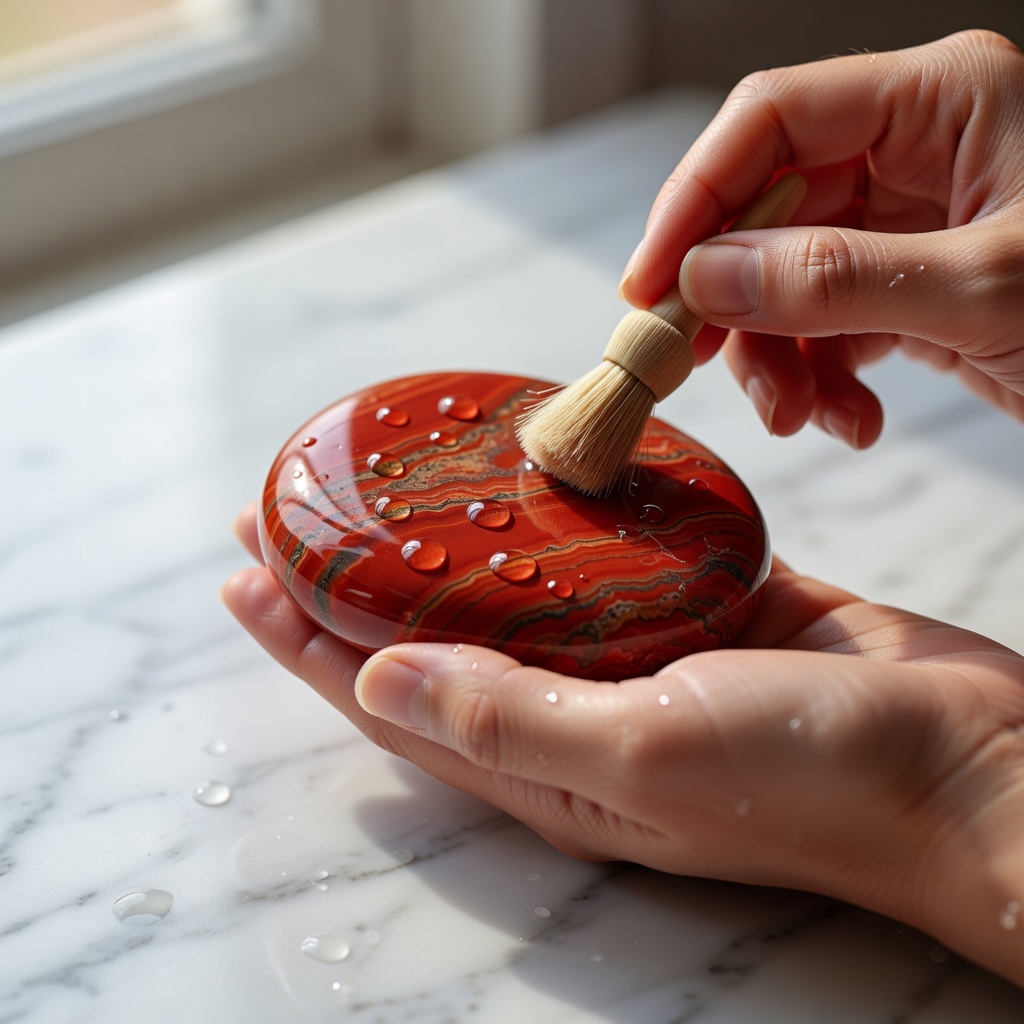
Using a soft-bristled baby toothbrush or clean makeup brush with extremely gentle fibers, carefully scrub the jasper surface to reach into crevices and remove accumulated dirt without scratching the stone. Many collectors wonder, "can jasper get wet safely?" The answer is yes, provided you use only lukewarm water rather than hot water, as excessive heat can cause thermal shock or fracture the stone's internal structure. Work in a padded basin to prevent accidental drops onto hard surfaces, and never subject jasper to sudden temperature changes by transferring it from warm water to cold rinses, as this drastic shift can create microscopic cracks that compromise the stone's durability over time.
Deep Cleaning Techniques for Stubborn Residue
For specimens exhibiting mineral buildup or stubborn grime that resists routine washing, deep cleaning jasper requires specialized techniques that balance effectiveness with preservation. Create a gentle cleaning paste by mixing baking soda with distilled water until it forms a thick, spreadable consistency, then apply this mixture using circular motions with a soft microfiber cloth to lift mineral deposits without abrading the surface. This method proves particularly effective for removing hard water stains or calcium deposits that accumulate on display pieces kept in humid environments or near fountains.
Avoid commercial jewelry cleaners, ammonia-based solutions, bleach, and acidic compounds entirely when cleaning jasper crystals, as these harsh chemicals can etch the surface, dull the polish, or cause irreversible discoloration in certain jasper varieties. For raw or rough jasper specimens that feature natural pits, crevices, and unpolished surfaces, use compressed air to blow away debris from intricate formations without introducing moisture that could promote mold growth in the stone's porous areas. When removing dirt from jasper with complex patterns like Picture Jasper or Leopard Skin Jasper, employ wooden picks or soft rubber-tipped tools to gently dislodge particles from deep grooves where brushes cannot reach effectively.
Proper Drying and Polishing Procedures
The drying phase of jasper maintenance proves equally critical as the cleaning itself, as improper drying techniques can create new problems while solving old ones. Immediately after rinsing, pat the stone completely dry using a soft, absorbent cotton towel, taking care to remove all moisture from crevices and settings; never allow jasper to air dry, as standing water evaporates slowly and leaves behind mineral deposits or water spots that require additional cleaning to remove. Pay special attention to drilled beads or carved pieces where water can hide in interior spaces, using the corner of your cloth or a soft cotton swab to absorb hidden moisture.
Restoring brilliance to your collection involves polishing jasper gemstones with appropriate materials designed specifically for hardstones rather than metals. Use a jewelry polishing cloth specifically manufactured for stones with a 6.5-7 hardness rating, moving in gentle circular motions that follow the natural contours of the piece without applying excessive pressure. For enhancing the dramatic patterns in Picture Jasper or Biggs Jasper, apply a tiny amount of food-grade mineral oil to the surface once every few months, allowing it to penetrate for several minutes before wiping away all excess thoroughly; this technique brings out the contrast in banding and scenic patterns while providing a protective barrier against environmental contaminants.
Storage Solutions to Prevent Damage
Implementing proper jasper storage solutions prevents scratches, color fading, and environmental damage that can occur even when stones are not being worn or displayed. Store individual jasper pieces in soft cloth pouches made of velvet or silk, or place them in compartmentalized jewelry boxes lined with non-abrasive fabric that prevents harder gemstones from contacting and scratching the jasper surface. Never toss multiple pieces together in a drawer or jewelry box where they can knock against each other, as even jasper's moderate hardness cannot withstand impacts from diamonds, rubies, or sapphires, and softer stones like malachite or opal can actually scratch jasper if forced together with pressure.
Position stored jasper away from direct sunlight and bright UV sources, particularly for Red Jasper, Yellow Jasper, and Ocean Jasper varieties, as extended light exposure can fade their vibrant natural colors over months or years of storage. Maintain moderate humidity levels in your storage area, since extremely dry environments can cause jasper to become brittle and more susceptible to chipping, while excessive moisture promotes mold growth on the stone's surface or within its porous structure. Consider including silica gel packets in your storage containers to regulate humidity, replacing them regularly to ensure they remain effective at moisture control without allowing the environment to become too arid for optimal stone preservation.
Special Considerations for Jasper Jewelry Settings
Jasper jewelry care requires additional vigilance regarding the metal components and construction methods used in rings, pendants, and bracelets. Before undertaking any cleaning procedure, carefully inspect metal settings to ensure prongs remain tight and secure; loose prongs can snag during cleaning and potentially allow the stone to detach, while cleaning solutions may accelerate tarnishing in certain metals if they contact areas other than the jasper itself. Focus your cleaning efforts specifically on the stone while protecting delicate mountings, using barriers like masking tape to cover soft metals or intricate filigree work if you must use liquid cleaners near the settings.
Never submerge jasper pieces featuring glued settings, doublets, triplets, or porous backing materials such as leather, wood, or fabric in any liquid solution, as moisture weakens adhesives and causes organic backings to swell, warp, or rot. When cleaning jasper rings or pendants with mixed materials, clean the chains, bails, and metal findings separately using appropriate metal cleaners specifically formulated for silver, gold, or base metals, then reassemble only after all components are completely dry to prevent chemical transfer that might stain the stone. For beaded jasper bracelets using elastic cords, avoid soaking entirely and instead wipe each bead individually to prevent the cord from stretching, weakening, or developing mildew.
Common Cleaning Mistakes to Avoid
Understanding what not to do with jasper proves just as valuable as knowing proper techniques, as several common cleaning practices can permanently damage these beautiful stones. Never use ultrasonic or steam cleaners on jasper, as the intense vibrations can shatter stones containing internal fractures, inclusions, or weak spots, while steam cleaning introduces extreme temperature variations that cause thermal shock and cracking. These machines may also loosen glue-based settings or force water into microscopic cracks that expand and compromise the stone's structural integrity.
Avoid harsh household chemicals including vinegar, lemon juice, alcohol, and acetone when maintaining your collection, as these acidic or solvent-based substances can etch the jasper surface, dissolve protective polishes, and dull the stone's natural luster over repeated exposure. Steer clear of abrasive scrubbers, steel wool, scouring pads, or toothpaste—which contains micro-abrasives designed to polish enamel but actually scratch gemstones—when addressing stubborn dirt. These jasper cleaning mistakes often result in a permanently clouded or matte surface that requires professional repolishing to restore, significantly reducing the stone's value and beauty compared to its original condition.
When to Seek Professional Restoration
While routine maintenance handles most jasper care needs, certain situations require the expertise of professional lapidaries and gemstone restoration specialists. Consult a professional for deep scratches, significant chips, or repolishing needs that require specialized equipment like diamond-impregnated grinding wheels and polishing compounds specific to quartz varieties; attempting to grind or polish jasper at home using improper tools often results in uneven surfaces, flat spots, or heat damage from friction. Professional jasper cleaning services also possess the magnification and lighting necessary to identify internal fractures that might worsen during home cleaning attempts.
Seek immediate professional assistance if your jasper has been accidentally exposed to harsh acids, industrial chemicals, or shows signs of chemical etching such as a dull, matte appearance or pitting on the surface. For antique jasper pieces, carved cameos, or vintage jewelry with significant patina, have the items evaluated by specialists before attempting any cleaning, as removing the aged surface might actually decrease historical value or destroy desirable characteristics that collectors seek. Professional jasper restoration services can also re-oil dried specimens, stabilize fractured stones with appropriate consolidants, and provide custom storage solutions for museum-quality pieces or rare varieties requiring climate-controlled environments.
Frequently Asked Questions About Jasper Care and Cleaning
Can you get jasper wet?
Yes, jasper can safely get wet for cleaning purposes. As a quartz-based stone with a hardness of 6.5-7, it is generally water-safe. However, use only lukewarm water rather than hot water, and dry the stone immediately with a soft cloth to prevent water spots or mineral deposits from forming on the surface.
How often should I clean my jasper stones?
Clean jasper jewelry every 2-4 weeks if worn regularly, or whenever visible dirt and oils accumulate. For display specimens, dusting monthly and washing every 3-6 months is typically sufficient. Over-cleaning can actually wear down the polish over time, so balance maintenance with preservation.
Can I use vinegar or lemon juice to clean jasper?
No, avoid vinegar, lemon juice, or other acidic cleaners on jasper. While jasper is relatively durable, prolonged exposure to acids can etch the surface, dull the polish, and potentially cause pitting. Stick to mild soap and water or specialized pH-neutral stone cleaners.
Is it safe to use ultrasonic cleaners on jasper?
Ultrasonic cleaners are not recommended for jasper. The vibrations can exacerbate existing internal fractures, inclusions, or weak spots within the stone, potentially causing it to crack or shatter. Additionally, if the jasper is set in jewelry, the vibrations may loosen glue or prong settings.
Can jasper be damaged by sunlight?
Extended exposure to direct sunlight can fade some jasper varieties, particularly Red Jasper, Yellow Jasper, and Ocean Jasper. While brief exposure is harmless, store jasper away from windows and bright light sources when not in use. Picture Jasper is generally more color-stable but should still be protected from prolonged UV exposure.
How do I remove sticky residue from my jasper crystal?
For sticky residues like tape or adhesive residue, dampen a soft cloth with a small amount of rubbing alcohol and gently dab the affected area, avoiding prolonged soaking. Alternatively, use a baking soda paste (baking soda and water) applied gently with a soft brush, then rinse thoroughly with lukewarm water and dry immediately.
Can jasper go in salt water or ocean water?
Avoid exposing jasper to salt water. Salt can scratch the surface when dried, and the combination of salt, minerals, and potential temperature changes in ocean water can damage the stone's surface integrity. If accidental exposure occurs, rinse immediately with fresh distilled water and dry thoroughly.
Why did my jasper lose its shine after cleaning?
Loss of shine usually results from using harsh chemicals, abrasive scrubbers, or hard water deposits left behind after air drying. To restore luster, gently polish with a jewelry cloth designed for hardstones. If the surface appears etched, professional repolishing by a lapidary may be necessary to restore the original finish.


