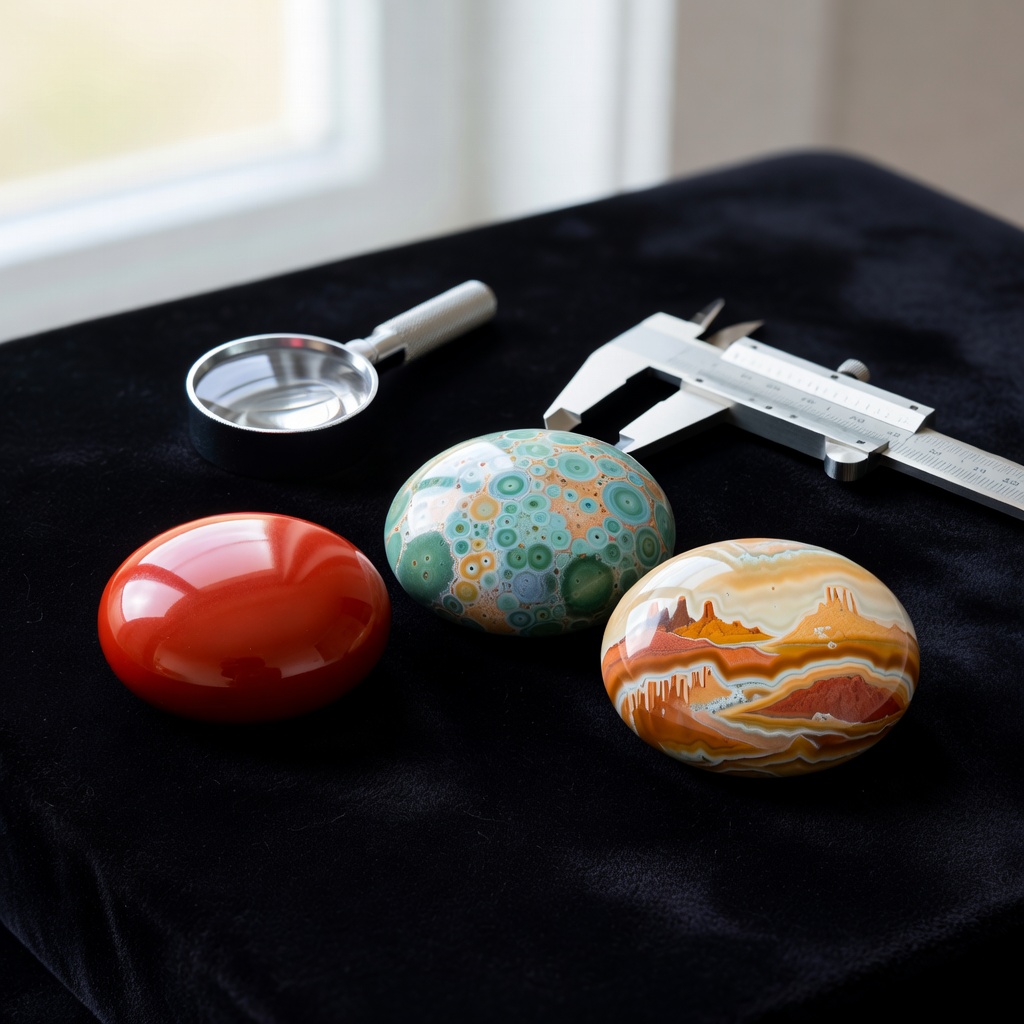
What Is Jasper? Understanding This Ancient Gemstone
Jasper is an opaque variety of chalcedony, which itself is a microcrystalline form of quartz, formed through the consolidation of volcanic ash or sedimentary silica-rich mud over millions of years. This remarkable gemstone typically develops in massive formations rather than crystalline structures, creating the distinctive patterns and color banding that collectors and jewelry enthusiasts cherish worldwide. With a hardness rating of 6.5 to 7 on the Mohs scale, jasper offers excellent durability for various applications while maintaining the ability to take a high polish that enhances its natural beauty.
Throughout human history, civilizations have revered jasper for both practical and spiritual purposes, with archaeological evidence dating its use back to ancient Mesopotamia where it was carved into cylinder seals and amulets. The ancient Egyptians prized red jasper specifically, associating it with the blood of Isis and using it to create protective talismans for the afterlife, while Native American tribes utilized jasper for arrowheads, tools, and ceremonial objects due to its ability to hold a sharp edge. Understanding these geological and historical foundations provides essential context for modern buyers seeking to appreciate jasper not merely as a decorative stone, but as a piece of Earth's artistic history.
Popular Types of Jasper Every Collector Should Know
The world of jasper encompasses an astonishing diversity of patterns, colors, and formations, with each variety telling a unique geological story through its visual characteristics. Unlike many gemstones valued primarily for clarity, jasper derives its worth from the distinctive markings, orbicular structures, and landscape scenes captured within its opaque matrix. Whether you are drawn to the earthy warmth of red jasper stone or the intricate spheres of ocean jasper, understanding the specific attributes of each type will guide your purchasing decisions toward pieces that truly resonate with your aesthetic preferences and collection goals.
Red Jasper: The Foundation Stone
Red jasper stone represents the most widely recognized and historically significant variety, characterized by its deep brick-red to terracotta hues resulting from iron oxide inclusions within the silica matrix. Major deposits occur throughout Brazil, India, Russia, and the southwestern United States, making this variety both accessible and affordable for beginning collectors. Beyond its visual appeal, red jasper has maintained popularity in metaphysical circles for millennia, often marketed as a grounding stone that promotes stability and endurance, though buyers should focus primarily on color saturation and pattern consistency when assessing quality.
Ocean Jasper: Madagascar's Marine Treasure
Ocean jasper stands as one of the most coveted and valuable types of jasper, distinguished by its signature orbicular patterns resembling ocean waves, flower blossoms, or planetary bodies suspended in a colorful matrix. This variety was discovered exclusively along the remote northwest coast of Madagascar, with mining operations ceasing periodically due to accessibility challenges and environmental regulations, thereby increasing its scarcity and market value. Premium specimens display distinct spherical formations in contrasting colors of green, pink, yellow, and white, with ocean jasper price points ranging dramatically based on pattern density, color vibrancy, and the size of the orbicular formations.
Picture Jasper and Brecciated Varieties
Picture jasper captivates collectors with its remarkable landscape patterns that mimic desert scenes, mountain ranges, or forest vistas through natural banding of browns, tans, and grays, primarily sourced from Idaho and Oregon in the United States. Brecciated jasper, by contrast, presents a fascinating geological puzzle featuring angular fragments of jasper cemented together by chalcedony or chert, typically displaying dramatic contrasts of red, black, and cream colors. Leopard Skin jasper, originating primarily from Mexico, showcases distinctive spotted patterns resembling the animal's coat, making it particularly popular for statement jewelry pieces and eclectic collections.
How to Assess Jasper Quality Before Purchasing
Evaluating jasper gemstone quality requires developing an eye for specific characteristics that separate museum-grade specimens from mass-produced commercial material. Unlike diamonds or sapphires that rely on standardized grading systems, jasper assessment remains somewhat subjective, emphasizing aesthetic appeal and uniqueness alongside technical quality markers. Mastering these evaluation techniques ensures that your investment reflects both the intrinsic value of the material and the artistic merit of its formation.
Color Intensity and Pattern Analysis
Superior jasper exhibits saturated, consistent coloration without muddy or washed-out areas, though some varieties like picture jasper intentionally display gradations that contribute to their scenic appeal. When examining potential purchases, hold the stone under natural daylight and artificial lighting to verify that colors remain vibrant across different environments, as some treated stones may show dramatic color shifts. For patterned varieties like ocean jasper or leopard skin, seek specimens where the defining characteristics—whether orbs, bands, or spots—demonstrate sharp definition against the background matrix rather than bleeding or blurring at the edges.
Surface Integrity and Craftsmanship
Examine the surface polish carefully under magnification to identify scratches, pitting, or dull spots that indicate rushed cutting or improper finishing techniques. High-quality cabochons should feature symmetrical domes with consistent height and smooth curves that enhance the stone's pattern without distorting it. Check particularly for structural weaknesses including surface-reaching cracks, chips along edges, or internal fractures that could compromise the stone's durability during setting or wearing, as these flaws significantly reduce both aesthetic value and long-term stability.
Natural vs. Fake: Authenticating Your Jasper Stones
The marketplace unfortunately contains numerous imitations and treatments that attempt to mimic the appearance of natural jasper, making jasper identification tips essential knowledge for serious buyers. Unscrupulous sellers may offer dyed agate, glass composites, or resin-based fakes that superficially resemble genuine jasper but lack its geological integrity and value. Developing authentication skills protects your investment while ensuring your collection maintains genuine mineralogical significance.
Recognizing Common Imitations
Dyed agate represents the most prevalent fake jasper encountered by buyers, typically displaying unnaturally bright colors like electric blue, vivid purple, or intense hot pink that rarely occur in natural jasper formations. Glass imitations often reveal themselves through perfect uniformity, visible air bubbles when viewed under magnification, and a suspiciously lightweight feel compared to genuine stone. Plastic composites feel warm to the touch immediately rather than retaining the coolness characteristic of natural minerals, and they may show mold marks or suspiciously perfect patterning that nature rarely produces.
Authentication Techniques and Professional Verification
Conduct simple at-home tests beginning with the temperature test: genuine natural jasper vs fake materials will feel cool initially and warm slowly when held in your hand, while plastic remains room temperature and glass warms quickly. Perform a hardness test by attempting to scratch glass with the stone—authentic jasper will leave a visible scratch, while softer imitations will not. For dyed stones, apply a small amount of acetone to an inconspicuous area using a cotton swab; natural coloration will not transfer, while dyes often bleed onto the swab. When purchasing expensive specimens, particularly ocean jasper or rare American varieties, insist on laboratory certification from recognized institutions like GIA (Gemological Institute of America) or AGS (American Gem Society).
Jasper Price Guide: Budgeting for Your Purchase
Understanding jasper value requires recognizing the vast price spectrum that exists between common commercial material and rare collector-grade specimens. While some varieties remain accessible to hobbyists with modest budgets, others command premium prices rivaling more traditionally expensive gemstones due to scarcity, mining restrictions, and exceptional aesthetic qualities. Establishing realistic budget expectations before shopping prevents disappointment while ensuring you allocate sufficient funds for quality pieces worthy of long-term retention.
Price Ranges by Variety and Form
Common red jasper and basic patterned varieties typically retail between $5 and $20 for tumbled stones or small cabochons, making them excellent entry points for new collectors. Mid-range specimens including quality picture jasper or brecciated varieties generally fall between $25 and $100 depending on size and pattern complexity. Ocean jasper price points escalate significantly, with exceptional display specimens featuring dense orbicular patterns commanding $200 to $500 or more, while the rarest American varieties like Biggs or Willow Creek jasper can exceed $100 per ounce for rough material suitable for high-end lapidary work.
Value Factors and Investment Considerations
Several elements influence pricing beyond variety alone, including size (larger pieces exponentially increase in value), pattern rarity (unique landscape scenes or perfect orbs carry premiums), and geographic origin (documented specimens from depleted mines appreciate faster). Wholesale purchasing directly from lapidary artists or mine owners typically offers 30-50% savings compared to retail establishments, though this requires knowledge of fair market values and established relationships within the gemstone community. While most jasper should be purchased primarily for aesthetic enjoyment rather than financial speculation, rare documented specimens from exhausted deposits like the original Madagascar ocean jasper locations have demonstrated steady appreciation over decades.
Where to Buy Jasper: Shops, Shows, and Online
Securing authentic, fairly priced jasper requires careful selection of purchasing venues, as sourcing channels vary dramatically in terms of expertise, authenticity guarantees, and pricing transparency. Whether you prefer the tactile experience of examining stones in person or the convenience of digital marketplaces, understanding the strengths and vulnerabilities of each buying environment protects you from common marketplace pitfalls. Developing relationships with reputable sellers often yields access to superior inventory before it reaches general markets.
Brick-and-Mortar Establishments and Gem Shows
Reputable gemstone dealers and specialized lapidary shops offer the advantage of physical examination, allowing you to assess color accuracy under natural lighting and verify polish quality through tactile inspection. Major gem and mineral shows such as the Tucson Gem and Mineral Show, Denver Gem Show, or regional events provide opportunities to compare hundreds of vendors simultaneously while negotiating directly with cutters and mine owners. When attending shows, bring a jeweler's loupe (10x magnification), portable daylight LED light, and reference samples to compare against offered merchandise.
Navigating Online Marketplaces Safely
When buying jasper online through platforms like Etsy, eBay, or Amazon, scrutinize seller ratings, return policies, and photography quality carefully, as digital images often fail to represent true colors accurately. Red flags include stock photos rather than images of the specific item, prices significantly below market rates (suggesting dyed or synthetic material), and sellers unwilling to provide additional photographs or provenance information. Prioritize vendors offering satisfaction guarantees with full refund policies, and verify that shipping includes insurance for the full purchase value, particularly for transactions exceeding $100.
Choosing Jasper Jewelry: Settings, Styles, and Care
Selecting jasper jewelry involves balancing aesthetic preferences with practical considerations regarding durability, setting security, and lifestyle compatibility. While jasper's hardness of 6.5-7 suits it for regular wear, specific varieties and cuts respond differently to daily activities, influencing whether a piece functions better as occasional statement jewelry or everyday adornment. Understanding metal compatibility and design mechanics ensures your jasper pieces remain secure and beautiful through years of enjoyment.
Metal Settings and Design Selection
Sterling silver provides excellent contrast against warm-toned jaspers like red jasper stone or picture jasper, while yellow or rose gold complements the earthy elegance of ocean jasper or leopard skin varieties. Copper settings offer affordable, organic aesthetics particularly suited to bohemian styles, though they require more frequent polishing to prevent oxidation transfer to the stone. For ring selections, protective bezel settings outperform prong settings for active wearers, as jasper's opacity means light transmission considerations matter less than physical protection from impacts against hard surfaces.
Durability and Maintenance Protocols
Jasper rings suit daily wear provided you remove them during heavy lifting, rock climbing, or manual labor that might cause chipping against hard surfaces. Pendants and earrings experience less abuse than rings, making them ideal for showcasing more valuable or fragile specimens like thinly cut ocean jasper. Clean jasper jewelry using lukewarm water with mild dish soap and a soft-bristled brush, avoiding ultrasonic cleaners and steamers which can exploit internal fractures or loosen settings. Always remove jasper pieces before swimming in chlorinated pools or hot tubs, as chemical exposure can dull polish and potentially affect color-treated stones.
Caring for Your Jasper Collection
Proper jasper stone care preserves both the aesthetic and monetary value of your collection, preventing the common degradation issues that afflict improperly stored specimens. Unlike some gemstones that require specialized environmental controls, jasper remains relatively stable, though specific precautions regarding chemical exposure, light, and physical contact ensure long-term preservation. Implementing systematic care routines transforms casual accumulation into a curated collection worthy of display and potential legacy transfer.
Cleaning and Storage Best Practices
Maintain jasper specimens by dusting regularly with a soft microfiber cloth and washing occasionally in lukewarm water with gentle soap, ensuring thorough drying to prevent water spots on polished surfaces. Store individual pieces in soft cloth bags or compartmentalized boxes lined with acid-free tissue, preventing contact with harder minerals like quartz or diamond that could scratch jasper's surface. Keep your collection away from direct sunlight, particularly for dyed or color-enhanced varieties, as UV exposure can fade artificial coloration over time even if natural pigments remain stable.
Long-Term Preservation Strategies
Protect maintaining jasper collections by avoiding exposure to harsh household chemicals including bleach, ammonia, and acids found in some cleaning products, which can etch polished surfaces or attack bindings in composite specimens like brecciated jasper. For display pieces, use museum putty or acrylic stands that support the stone without stressing fragile points, and maintain stable humidity levels to prevent cracking in specimens with natural internal stresses. Should scratches develop on cabochons or carvings, professional lapidaries can re-polish most jasper varieties using cerium oxide or diamond compounds, restoring original luster without significant material loss.
Building a Valuable Jasper Collection
Transitioning from casual jasper acquiring to serious collecting requires strategic focus on rarity, documentation, and community engagement that elevates your assemblage beyond decorative accumulation. The most valuable collections emphasize quality over quantity, featuring specimens with exceptional pattern definition, unusual color combinations, or documented provenance from historically significant mining locations. Approaching jasper collecting with scholarly dedication yields both personal satisfaction and potential financial appreciation as certain varieties become increasingly scarce.
Targeting Rare and Investment-Grade Varieties
Focus acquisition efforts on recognized rare jasper types including Biggs jasper from Oregon, characterized by its dramatic blue and brown landscape patterns; Willow Creek jasper from Idaho, prized for its porcelain-like quality and intricate orbicular formations; and Morgan Hill poppy jasper from California, featuring distinctive red orbicular patterns against dark backgrounds. Other notable targets include Laredo jasper from Mexico, Bruneau jasper from Idaho (now virtually exhausted), and early-mined ocean jasper from the original Madagascar deposits. Document each acquisition with purchase receipts, location data, and seller information, as provenance significantly enhances resale value and insurance replacement costs.
Community Engagement and Display
Join mineral societies such as the American Federation of Mineralogical Societies or regional clubs to network with advanced collectors, access pre-show trading events, and learn advanced jasper identification tips from experienced lapidaries. Display valuable specimens in UV-protected cases with LED lighting that enhances color without generating heat, using supports that minimize pressure points. Consider specializing in specific varieties—such as concentrating on American picture jaspers or Madagascar orbicular types—to develop expertise that identifies undervalued specimens and establishes your collection's thematic coherence within the broader collecting community.
Frequently Asked Questions
How can I tell if my jasper stone is real or fake?
Real jasper feels cool to the touch, shows natural color variations and banding under magnification, and has a waxy to dull luster. Fake jasper often appears too uniform in color, may have visible air bubbles (indicating glass), or shows dye concentrations in cracks. Conduct a scratch test: real jasper (hardness 6.5-7) will scratch glass but not be scratched by a steel knife.
What is the most expensive type of jasper to buy?
Ocean jasper from Madagascar commands the highest prices, especially specimens with distinct orbicular patterns and vibrant colors, ranging from $50 to $500+ for premium pieces. Other valuable varieties include Biggs jasper from Oregon, Willow Creek jasper from Idaho, and Morgan Hill poppy jasper from California, which can exceed $100 per ounce for high-quality rough material.
Is jasper safe to wear every day in jewelry?
Yes, jasper is durable enough for daily wear with a hardness of 6.5-7 on the Mohs scale. However, protect it from harsh chemicals, extreme temperature changes, and hard impacts that could cause chipping. Remove jasper rings before heavy lifting or activities involving hard surfaces, and clean regularly with mild soap and water to maintain its polish.
What colors does natural jasper come in?
Natural jasper occurs in virtually every color including red (most common due to iron oxide), yellow, brown, green, blue, purple, black, and multi-colored patterns. Red jasper is the most widely available, while blue and green varieties are rarer. Picture jasper displays earth-tone landscapes, while ocean jasper features green, pink, yellow, and white orbicular patterns.
Can jasper stones go in water?
Brief exposure to water is safe for cleaning, but prolonged soaking is not recommended as it can damage polished surfaces, loosen settings in jewelry, or affect dyed stones. Always dry jasper thoroughly after cleaning. Saltwater and chlorinated water should be avoided as they can cause surface pitting or color fading over time.
How much should I expect to pay for quality jasper?
Prices vary widely by type and form: tumbled stones range $2-$15, palm stones $10-$40, cabochons $15-$75, and high-end specimens or designer jewelry $100-$1,000+. Common red jasper is affordable at $5-$20 per piece, while rare ocean jasper or picture jasper with exceptional patterns can cost $200-$500 for display specimens.
What is jasper used for besides jewelry?
Beyond jewelry, jasper is highly valued in crystal healing and metaphysical practices for grounding and stability energy. It's used for home decor including bookends, spheres, and carved figures. Collectors prize fine mineral specimens, and lapidary artists use jasper for intarsia, inlay work, and decorative objects. It's also used in some architectural applications and historical seals.
Where is the best quality jasper found?
Premium jasper sources include Madagascar (ocean jasper), the United States (Oregon for Biggs jasper, Idaho for Willow Creek, California for Morgan Hill), India (green and red varieties), Russia (landscape jasper), and Brazil (polychrome jasper). Each location produces distinct color variations and patterns due to unique geological conditions, with American and Madagascar jaspers generally commanding premium prices.