The Complete Ivory Buying Guide for Collectors and Enthusiasts
Navigating the complex world of ivory collectibles requires more than just an appreciation for intricate carvings and historical artifacts. Whether you are a seasoned antiquities collector or a newcomer drawn to the material's unique aesthetic qualities, understanding the legal framework, authentication techniques, and ethical considerations is essential for making informed purchases. This comprehensive Ivory Buying Guide provides the critical knowledge needed to acquire, authenticate, and preserve ivory legally while avoiding the pitfalls of fraudulent sales and regulatory violations. From distinguishing between mammoth and elephant ivory to recognizing legitimate documentation, we cover every aspect of responsible ivory collecting in today's highly regulated marketplace.
Understanding Modern Ivory Trade Regulations
The international trade in ivory operates under some of the most stringent wildlife protection laws in existence, making regulatory compliance the first and most crucial consideration for any potential buyer. The Convention on International Trade in Endangered Species of Wild Fauna and Flora (CITES) lists African elephants under Appendix I, effectively banning international commercial trade in elephant ivory since 1975 for most populations and 1990 for others. These CITES regulations form the backbone of global ivory policy, though implementation varies significantly by jurisdiction, creating a patchwork of federal, state, and local laws that collectors must navigate carefully.
Within the United States, the regulatory landscape extends beyond federal prohibitions on importation to include state-specific bans that often exceed national standards. California, New York, New Jersey, and Hawaii have enacted near-total bans on ivory sales regardless of age, meaning that even documented pre-1900 antiques cannot be legally sold within these states. Conversely, other states permit the sale of antique ivory provided it meets the federal standard of being imported prior to 1976, though sellers must maintain detailed provenance records to justify this exemption. The United Kingdom operates under a pre-1947 antique exemption rule, while the European Union distinguishes between pre-1990 and pre-1975 dates depending on the specific member state and item classification.
Cross-border transactions require particular attention to permitting requirements. Even when dealing with legal ivory types such as mammoth or antique specimens, CITES permits remain mandatory for international shipments, with customs officials scrutinizing documentation at both export and import points. Failure to secure proper Article 10 certificates or CITES export permits can result in confiscation, substantial fines, and potential criminal prosecution regardless of the ivory's legal status. Collectors should always verify current regulations with the US Fish and Wildlife Service or equivalent national authority before initiating any international purchase, as rules continue evolving in response to conservation pressures and poaching statistics.
Legal Ivory Types: What Collectors Can Actually Purchase
Despite widespread restrictions on elephant ivory, several categories of legal ivory remain available to collectors who understand the specific requirements governing each material type. Woolly mammoth and mastodon ivory represent the most accessible option for modern collectors, as these extinct species fall outside CITES protections governing endangered wildlife. Mammoth ivory legal status generally permits purchase and sale across most jurisdictions, though collectors should verify local ordinances as some municipalities have enacted blanket bans on all ivory regardless of species origin. This material, recovered from melting permafrost in Siberia and Alaska, offers a sustainable alternative that does not contribute to modern wildlife crime while providing the characteristic grain structure and carving properties prized by artisans.
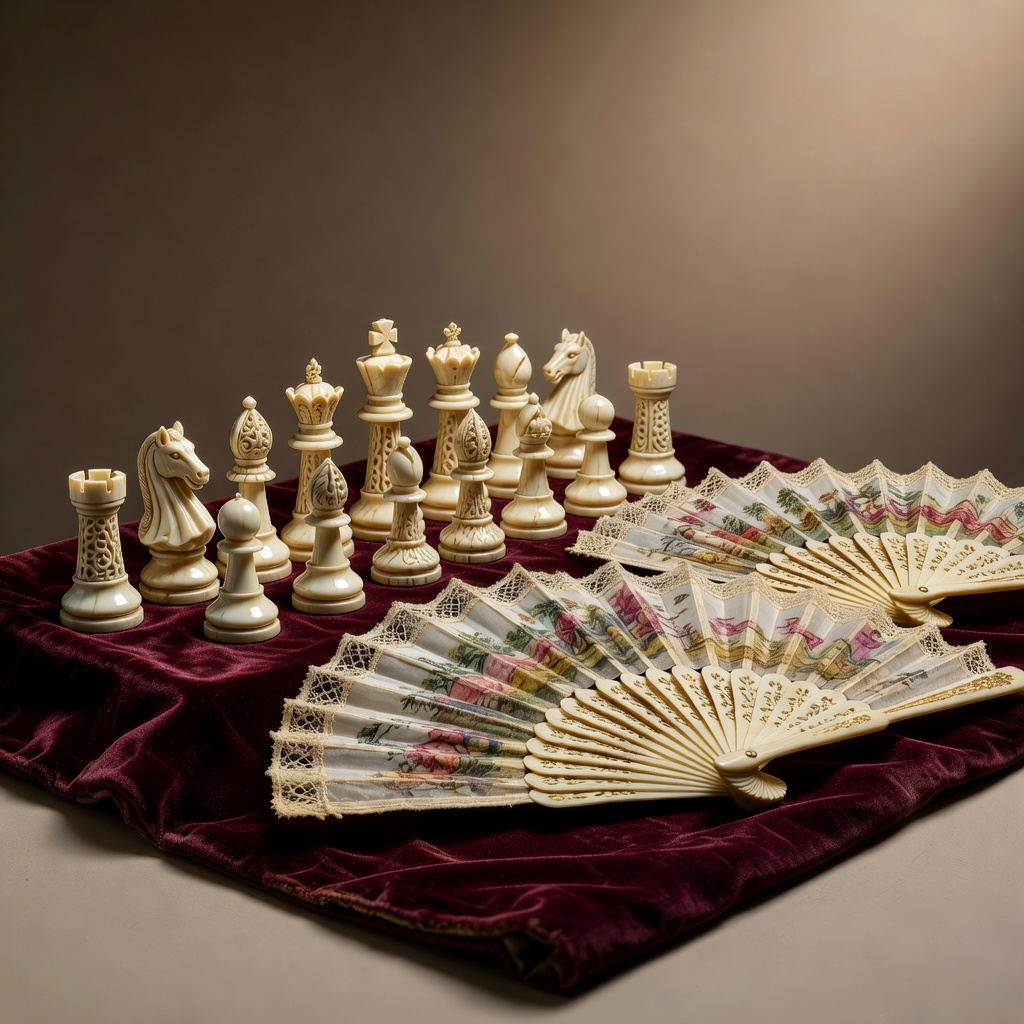
For those seeking antique elephant ivory, strict adherence to pre-ban ivory dates becomes paramount. In the United States, ivory must have been imported prior to 1976 to qualify for antique exemptions, while the international standard often references the 1990 CITES ban date. Documented Victorian-era piano keys, Art Deco figurines, and 19th-century snuff boxes constitute legitimate collectibles when accompanied by appropriate provenance. Additionally, certain species-specific exemptions exist for warthog, hippopotamus, and sperm whale ivory, though these materials typically require specific wildlife permits and may be subject to Marine Mammal Protection Act restrictions in the case of cetacean products. These alternative ivories offer distinct visual characteristics—warthog ivory displays unique swirling grain patterns, while hippopotamus ivory features dense, enamel-like exterior layers.
Fossilized walrus ivory presents another specialized category with specific legal frameworks, particularly regarding Alaska Native craft exemptions. Under the Marine Mammal Protection Act, Alaska Natives may legally carve and sell walrus ivory as part of traditional cultural practices, creating a legitimate market for fossilized specimens harvested from archaeological sites and ancient hunting grounds. However, non-Native collectors purchasing these items must ensure they comply with interstate commerce regulations and maintain documentation proving the ivory was legally acquired through Native artisan channels. Understanding these nuanced distinctions between species, dates, and cultural exemptions enables collectors to build legally compliant collections while supporting legitimate conservation and cultural preservation efforts.
Authentication: Identifying Real vs. Fake Ivory
Mastering antique ivory identification techniques protects collectors from purchasing misrepresented bone, plastic, or composite materials while helping identify potentially illegal modern elephant products. The most definitive authentication method involves Schreger line analysis, examining the cross-hatch patterns visible when viewing ivory in cross-section under 10x magnification. Elephant ivory displays characteristic intersecting lines forming angles greater than 115 degrees, creating a distinctive engine-turned appearance reminiscent of cross-hatched metalwork. These lines represent the intersection of dentin tubules within the tusk structure and cannot be replicated in synthetic materials, making them the gold standard for ivory authentication methods.
Mammoth ivory presents different diagnostic characteristics that distinguish it from both elephant ivory and imitations. Under magnification, mammoth Schreger lines intersect at angles less than 90 degrees, creating a sharper, more acute cross-hatch pattern than elephant specimens. Additionally, mammoth ivory typically exhibits distinctive brown, blue, or green mineral staining caused by thousands of years of permafrost exposure, along with a more streaky, linear grain structure rather than the concentric engine-turned pattern of elephant ivory. These visual cues help collectors verify claims of mammoth origin, ensuring they are not inadvertently purchasing disguised modern elephant ivory.
Non-destructive testing methods provide additional verification layers without damaging valuable specimens. Under ultraviolet light, genuine ivory fluoresces white or blue-white due to its organic protein structure, while plastic imitations typically glow bright purple or appear opaque. The hot needle test, though historically common, is no longer recommended for antique pieces as it leaves permanent damage; instead, collectors should assess thermal conductivity by feeling whether the material warms quickly in the hand (ivory) or remains cold (plastic or glass). Density testing offers another reliable metric—ivory sinks in water while bone and many plastics float, and the specific gravity of ivory (approximately 1.7-1.85) differs measurably from substitutes. Professional appraisers may also employ advanced techniques such as DNA analysis or isotope testing for high-value specimens where authentication disputes arise.
Essential Documentation and Provenance Requirements
Establishing clear documentary evidence represents the most critical aspect of legal ivory ownership, transforming potentially suspect artifacts into defensible collectibles. Estate sale records serve as primary provenance documentation for inherited pieces, with original household inventories, auction catalogs from the 1960s or earlier, and family photographs showing the item in situ providing compelling evidence of pre-ban manufacture. Collectors should digitize these materials immediately upon acquisition, storing copies in multiple locations to prevent loss, while maintaining original documents in acid-free archival sleeves to prevent degradation.
Professional appraisals from certified specialists provide essential third-party verification of age and authenticity. Reputable appraisers affiliated with organizations such as the American Society of Appraisers or the International Society of Appraisers can date items to specific pre-ban periods based on carving techniques, patina development, and stylistic elements. These formal evaluations carry significant weight with law enforcement and insurance companies, often serving as the primary defense against confiscation allegations. For items circulating within the European Union, CITES Article 10 certificates function as official government documentation certifying that specimens were acquired legally and pre-date international trade restrictions.
Import and export documentation retention creates a paper trail that protects both current owners and future heirs. Bills of lading, customs declarations, CITES permits, and sales receipts should be preserved indefinitely, as the burden of proof regarding ivory's legal status always falls upon the current possessor. Smart collectors create comprehensive dossiers for each piece including high-resolution photographs, measurement records, weight specifications, and written vendor guarantees specifying the ivory type and date of manufacture. This meticulous approach not only satisfies legal requirements but significantly enhances resale value, as documented pieces command substantial premiums over undocumented equivalents in legitimate markets.
Red Flags: Avoiding Illegal Ivory and Scams
Recognizing the warning signs of illegal ivory and fraudulent sales protects collectors from legal jeopardy while preventing financial losses on worthless imitations. Bright white, "bleached" appearance often indicates recently poached ivory that has been chemically treated to appear antique, whereas legitimate antique ivory develops a warm cream, honey, or caramel patina over decades of oxidation and handling. Sellers offering "new" ivory or claiming exemption from all regulations regardless of location should trigger immediate suspicion, as no legitimate dealer would ignore the complex web of international, federal, and state restrictions governing these materials.
Online marketplaces present particular risks for unsuspecting buyers, with platforms including Etsy, eBay, and Facebook Marketplace explicitly prohibiting ivory sales yet struggling to enforce these policies consistently. Scammers frequently use coded language such as "ox bone," "faux ivory," or "vintage plastic" to disguise actual ivory sales, while others ship items mislabeled as "craft supplies" or "resin replicas" to evade customs detection. Collectors should avoid any seller unwilling to provide detailed provenance documentation or those offering prices significantly below market value, as these often indicate stolen goods or counterfeit materials.
Physical examination reveals additional red flags distinguishing ivory from common substitutes. Plastic imitations frequently display molding seams, uniform coloration without natural grain variation, and a hot needle test reaction (melting or strong chemical odor) that genuine ivory does not produce. Bone substitutes reveal Haversian systems under magnification—small dark dots representing vascular channels that appear as tiny pores rather than the intersecting Schreger lines characteristic of ivory. Composite materials mixing bone dust with resin create confusing hybrids that may require laboratory analysis to definitively identify. When encountering pieces with suspicious provenance, unclear age documentation, or physical characteristics inconsistent with authentic ivory, collectors should err on the side of caution and consult wildlife enforcement authorities rather than risking involvement in illegal wildlife trade.
Ethical and Sustainable Ivory Alternatives
For collectors and crafters seeking the aesthetic qualities of ivory without legal complications or ethical concerns, several sustainable alternatives offer compelling substitutes. Tagua nuts, commonly known as vegetable ivory, provide the most historically significant alternative, harvested from the seeds of South American palm trees (Phytelephas species). This material, which gained popularity during the Victorian era for button manufacturing, possesses remarkable density and a creamy white appearance that develops a similar patina to animal ivory over time. Modern artisans carve tagua into jewelry, netsuke-style miniatures, and decorative objects that satisfy the desire for organic, carvable materials without impacting wildlife populations.
Antique bone, antler, and bovine materials offer another ethical pathway for collectors appreciating organic textures. Pre-1900 bone items, particularly those crafted from cattle or camel remains, exhibit similar carving properties to ivory while remaining entirely legal and affordable. Deer and elk antlers provide distinctive grain patterns and durability for knife handles and decorative carving, while antique bovine horn offers translucent qualities that mimic ivory's luminosity. These materials often appear in legitimate antique markets at fractions of ivory prices, allowing collectors to build impressive collections of historical organic artifacts without regulatory anxiety.
High-quality resin and polymer composites serve modern manufacturing needs previously met by ivory, particularly for piano keys, billiard balls, and musical instrument components. These synthetic alternatives eliminate the ethical concerns associated with animal products while providing superior consistency and durability. For those specifically drawn to mammoth ivory, supporting reputable Siberian tusk recovery operations offers an ethical framework, as these enterprises retrieve prehistoric materials from melting permafrost without harming living species. Some conservationists argue that creating legal markets for mammoth ivory reduces pressure on elephant populations by satisfying demand with extinct species, though this remains debated within wildlife protection communities. Ultimately, vegetable ivory alternatives and synthetic substitutes allow collectors to appreciate the aesthetic traditions of ivory craftsmanship while ensuring their collections align with contemporary conservation values.
Valuation Factors in Restricted Markets
The contemporary ivory market operates as a bifurcated system where documentation often determines value more significantly than artistic merit or material quality. Legal restrictions have created stark disparities between documented and undocumented pieces, with properly provenanced 19th-century carved items commanding prices ranging from $1,000 to $10,000 or higher, while equivalent undocumented specimens may sell for merely $50 to $200 in gray markets. This valuation gap reflects the legal risks associated with possessing undocumented ivory, as well as the potential for confiscation without compensation that buyers face when documentation proves insufficient.
Artistic merit and period craftsmanship significantly influence pricing within the legitimate market. Victorian-era scrimshaw, Art Deco figurines, and Chinese Qing dynasty carvings by recognized masters achieve premium valuations based on carving complexity, historical significance, and cultural importance. Condition assessment remains crucial, with collectors examining pieces for stable cracks (checking), yellowing patterns indicating natural aging versus chemical staining, and evidence of restoration work that might affect authenticity. Ivory with original patina consistently outperforms cleaned or bleached specimens, as aggressive restoration destroys the surface characteristics that authenticate age.
Insurance and appraisal challenges complicate ownership in jurisdictions with sales bans. Many standard homeowner policies exclude ivory or require specialized riders, while finding qualified appraisers willing to work with restricted materials becomes increasingly difficult. Liquidity concerns plague the market, as collectors in states like California or New York cannot legally sell their collections locally, forcing reliance on out-of-state auction houses or private sales that may violate interstate commerce regulations. These market constraints mean that ivory should be viewed primarily as a collection for personal enjoyment and cultural preservation rather than an investment vehicle, as resale opportunities continue contracting under tightening global regulations.
Proper Care and Preservation of Ivory Collections
Maintaining ivory collections requires understanding the material's organic sensitivity to environmental fluctuations, which can cause irreversible damage without proper climate control. Ideal storage conditions demand consistent relative humidity between 45% and 55%, as levels below 40% cause drying, cracking, and shrinkage, while excessive humidity above 60% promotes mold growth and warping. Collectors should monitor environments using digital hygrometers and employ humidifiers or dehumidifiers seasonally to maintain stability, particularly in regions with extreme seasonal variations or dry heating systems that sap moisture from the air.
Temperature stability proves equally critical for long-term preservation, with direct sunlight and heat sources representing the primary threats to ivory integrity. UV radiation accelerates the yellowing process and can cause surface checking, while heat sources like radiators, fireplaces, or display case lighting create thermal gradients that stress the material. Collectors should display pieces away from windows, using UV-filtering glass for framed items, and maintain room temperatures between 65°F and 75°F year-round. Sudden temperature changes, such as moving ivory from air-conditioned storage to humid outdoor environments, create condensation risks that damage surface finishes.
Cleaning techniques require gentle approaches that avoid water immersion or harsh chemicals. Dry microfiber cloths effectively remove dust without scratching, while slightly dampened cotton swabs address stubborn grime in carved crevices, followed immediately by drying with soft cloths. Never submerge ivory in water or use commercial cleaning products, as these can cause staining, swelling, or chemical reactions with the organic material. For storage, acid-free tissue paper prevents contact with reactive surfaces, while stable display cases with silica gel packets maintain humidity control. Annual inspection of collection pieces allows early detection of developing cracks or environmental damage, enabling prompt intervention before minor issues escalate into catastrophic losses.
Reputable Sources for Legal Ivory Acquisition
Identifying trustworthy vendors represents the final crucial step in building a legitimate ivory collection, requiring due diligence that extends beyond casual marketplace browsing. Established auction houses including Sotheby's, Christie's, and Bonhams maintain dedicated antiquities departments with expertise in pre-20th century decorative arts, offering pieces with comprehensive provenance research and guaranteed authenticity. While buyer's premiums increase acquisition costs, the legal protections and documentation provided by these institutions justify the expense for serious collectors. These venues typically restrict sales to documented antiques predating 1947 or 1975, ensuring compliance with major jurisdiction requirements.
Licensed antique dealers specializing in pre-20th century decorative arts provide alternative acquisition channels, particularly for collectors seeking specific periods or styles. Reputable dealers maintain detailed inventory records, provide written guarantees of age and authenticity, and often offer buy-back programs or trade options. Estate sales featuring complete household provenance and original purchase receipts present opportunities for acquiring family-held collections with unbroken chains of ownership, though buyers should verify that sale organizers have legal authority to transfer ivory under local regulations.
For those specifically interested in mammoth ivory, specialty retailers focusing on Siberian tusk recovery operations offer legally unambiguous products. Companies like Arctic Ivory and mammoth-specific importers provide raw tusks, cross-sections, and carved items with certificates of origin documenting recovery from Russian permafrost regions. These vendors emphasize the ethical distinction between extinct species ivory and prohibited elephant products, often supporting conservation initiatives with portions of their profits. Regardless of source, collectors should request references, verify business licenses, and insist upon written documentation specifying species, date of manufacture, and legal importation history before completing any purchase.
Frequently Asked Questions
Is it legal to buy ivory in the United States?
It depends on your state and the ivory's age. Federal law prohibits importing elephant ivory, and states like California, New York, and Hawaii have near-total bans. Some states allow possession and sale of antique ivory pre-dating 1976 with documentation, but you must verify specific local regulations before purchasing.
How can you tell the difference between elephant and mammoth ivory?
Under magnification, elephant ivory displays Schreger lines (cross-hatching) at angles greater than 115 degrees, while mammoth ivory shows angles less than 90 degrees. Mammoth ivory also typically exhibits brown or blue mineral staining from permafrost exposure and has a more streaky grain pattern compared to elephant ivory's engine-turned appearance.
What documentation do I need to buy antique ivory legally?
You need provenance proving the item was imported before 1976 (or 1990 for certain antiques), such as estate records, old auction catalogs, family inheritance papers, or professional appraisals. For international purchases, CITES permits are required. Always request a written guarantee of age from the seller.
Is mammoth ivory ethical to purchase?
Mammoth ivory is legally distinct from elephant ivory since woolly mammoths are extinct, making it legal in most jurisdictions. Ethically, it doesn't contribute to modern poaching, though some conservationists argue it maintains ivory demand. It is often marketed as the most ethical option since tusks are recovered from melting Siberian permafrost without harming living species.
How much does legal antique ivory cost?
Prices vary dramatically based on age verification, artistic quality, and size. Small undocumented pieces may sell for $50-200, while documented 19th-century carved items can fetch $1,000-10,000+. However, markets are contracting due to legal restrictions, making liquidity and resale challenging regardless of intrinsic value.
Can I sell inherited ivory jewelry?
This depends entirely on your location. Some states allow sale of inherited antiques with proper documentation proving pre-ban manufacture. Others prohibit all sales regardless of age. Check your state's specific endangered species regulations; when in doubt, consult a wildlife attorney or retain the item rather than risk violating interstate commerce laws.
What is vegetable ivory and how does it compare?
Vegetable ivory comes from tagua nuts, the seeds of South American palm trees. It's extremely hard, carvable, and develops a similar patina to animal ivory without ethical concerns. It was widely used for buttons in the early 1900s and makes an excellent sustainable alternative for modern crafters and collectors seeking the ivory aesthetic.
How do I report suspected illegal ivory?
In the US, contact the US Fish and Wildlife Service (1-844-397-8477) or the National Wildlife Crime Stopper hotline. In the UK, report to the National Wildlife Crime Unit. Provide photos, location information, and seller details. Many online platforms also have reporting mechanisms for prohibited wildlife products.