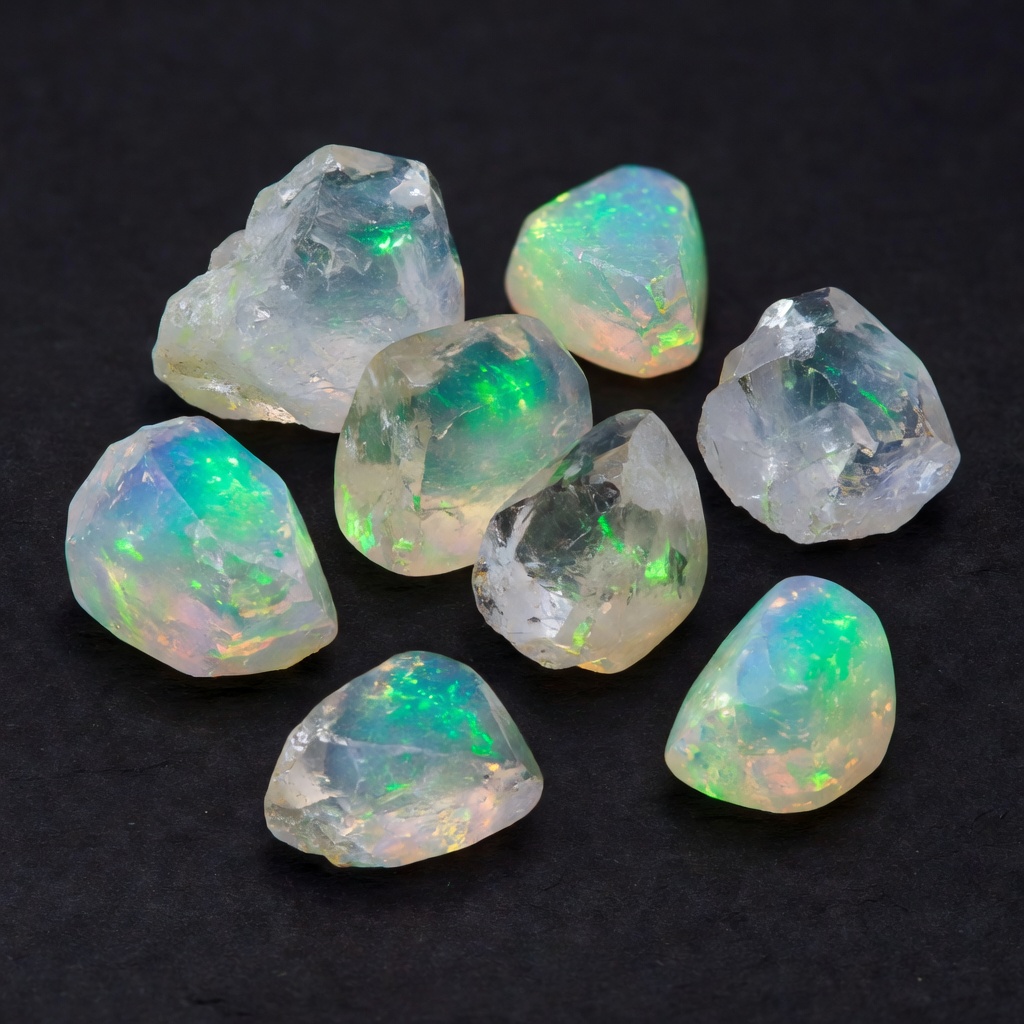
What Is Hyalite Opal? Understanding the Water Opal
Hyalite opal represents one of the most fascinating and visually striking varieties within the opal family, distinguished by its transparent to translucent appearance and remarkably high water content ranging from three to twenty percent. Unlike precious opal varieties that display the characteristic play-of-color caused by silica sphere diffraction, hyalite consists of amorphous silica without the structured internal arrangement necessary for spectral color play. This unique composition results in a glass-like, often colorless or pale green appearance that has captivated mineral collectors and gem enthusiasts since its formal classification in the early nineteenth century.
The nomenclature derives from the Greek word hyalos, meaning glass, which perfectly describes the material's vitreous luster and water-clear transparency when found in high-quality specimens. Historically, hyalite opal has been documented in European mineral collections dating back to the eighteenth century, with significant deposits in the Czech Republic providing material for royal cabinets of curiosities. Understanding hyalite opal value requires recognizing that while it lacks the rainbow fire of precious opal, its distinctive properties—particularly its reaction to ultraviolet light—create an entirely different category of desirability among serious collectors and investors tracking water opal prices in the specialty mineral market.
Current Hyalite Opal Price Per Carat Breakdown
Navigating the Hyalite Opal Price Guide requires understanding the distinct pricing tiers that separate commercial material from investment-grade specimens. Commercial grade hyalite, characterized by milky white translucency, minor inclusions, and moderate fluorescence, typically trades between $10 to $30 per carat in today's market. These specimens often originate from secondary deposits or represent fragments from larger formations, making them accessible entry points for beginning collectors while still displaying the characteristic green glow under UV examination that defines the variety.
Fine quality transparent material commands significantly higher premiums, generally ranging from $50 to $150 per carat depending on clarity and fluorescence intensity. At this level, collectors expect water-clear transparency allowing text to be read through the stone, minimal internal fracturing, and consistent bright green fluorescence across the entire surface area. Hyalite opal per carat pricing escalates dramatically for museum-grade specimens, with exceptional pieces featuring intense UV reactivity, crystal clarity, and weights exceeding five carats reaching $200 to $500 or more per carat. The price structure also varies considerably between rough specimens intended for mineral cabinets, calibrated cabochons for jewelry mounting, and rarely faceted stones that showcase the material's optical properties while maximizing light return.
Key Value Factors Affecting Hyalite Opal Costs
Determining accurate hyalite opal value requires systematic evaluation of four primary characteristics that separate common material from exceptional specimens. Transparency serves as the foundational quality metric, with the most valuable pieces displaying crystal-clear, water-like appearance free from milky haziness or turbidity that obscures internal views. Top-tier material allows for 360-degree visibility through the stone, creating the distinctive "water opal" appearance that commands premium positioning in the fluorescent mineral marketplace.
The intensity and consistency of green UV fluorescence under 365nm longwave light represents the second critical value factor directly impacting fluorescent opal cost. Specimens exhibiting bright, neon-green glow with uniform distribution across the entire surface command prices two to three times higher than those showing patchy or dim fluorescence. Carat weight significantly influences rarity, as hyalite typically forms in thin crusts or small botryoidal masses rather than large crystalline structures; consequently, clean specimens exceeding five carats without matrix attachment or internal fractures carry substantial premiums due to their scarcity. Finally, clarity standards regarding internal inclusions, spider-web cracks, or matrix attachments play crucial roles in pricing, with eye-clean material substantially outperforming specimens showing visible imperfections even if those flaws do not technically compromise structural integrity.
Geographic Origins and Their Impact on Pricing
Provenance significantly influences market valuation, with Mexican hyalite opal from the San Luis Potosí region commanding the highest premiums in the current marketplace. Mexican material typically exhibits superior transparency, more intense and consistent UV fluorescence, and often forms in larger, cleaner specimens compared to other localities. Mining operations in this region remain limited and sporadic, creating natural supply constraints that drive prices upward while maintaining strong demand among serious collectors who recognize the distinctive quality markers of Mexican origin material.
Czech Republic specimens from historic deposits around Bor and Kozákov hold significant appeal for historical collection value, though contemporary mining yields limited material. These European specimens often display slightly different fluorescence characteristics and matrix associations that appeal to locality collectors. In contrast, Arizona and Utah material from American Southwest localities offers more accessible price points for raw hyalite opal buying tips enthusiasts, though these specimens frequently require more careful examination for stability issues and generally exhibit less dramatic fluorescence. Documentation of provenance through detailed collection records, mining claims, or dealer certificates directly affects resale value and investment potential, with well-documented Mexican specimens outperforming generic "unknown origin" material by thirty to fifty percent in secondary markets.
UV Fluorescence: The Primary Premium Factor
The extraordinary green fluorescence exhibited by hyalite opal under ultraviolet light represents the single most important value determinant in the current market, creating pricing differentials that separate ordinary specimens from extraordinary investments. Professional dealers and serious collectors utilize a standardized grading scale ranging from faint (barely perceptible glow) through moderate (clearly visible green) to bright and exceptional (neon-green intensity that illuminates surrounding areas). Specimens achieving the highest grades demonstrate fluorescence so intense that the stone appears to self-illuminate, creating dramatic contrast between daylight appearance and UV-reactive display properties.
This fluorescence results from trace uranium content incorporated into the silica structure during formation, typically measuring between 50 to 200 parts per million—levels considered safe for handling but sufficient to create the characteristic glow. Understanding fluorescent opal cost requires recognizing that specimens with exceptional daylight-to-UV contrast command premiums of 200 to 300 percent over non-fluorescent or weakly fluorescent material of equivalent clarity and size. When applying hyalite opal buying tips, prospective purchasers should insist on testing with a 365nm longwave UV lamp rather than standard blacklights, as the specific wavelength reveals the true fluorescence intensity while differentiating genuine hyalite from artificially treated or imitation material that may show different reactive properties under alternative light sources.
Treatments, Enhancements, and Authenticity Concerns
The specialized nature of hyalite opal creates specific vulnerabilities regarding treatments and authenticity that significantly impact long-term hyalite opal value retention. Common stabilization treatments involve impregnating porous or fractured material with opticon, polymers, or resins to improve durability and clarity, procedures that should always be disclosed by ethical sellers but frequently remain undisclosed in informal marketplace transactions. Treated material typically trades at thirty to fifty percent discounts compared to natural specimens, though stabilized pieces may offer practical advantages for jewelry applications where durability concerns outweigh investment considerations.
The market has experienced increasing infiltration of synthetic opal and glass imitations targeting the lower price segments, particularly through online platforms where photographic manipulation can exaggerate fluorescence properties. These imitations often lack the organic internal structures and specific gravity (1.9-2.1) characteristic of authentic material. For purchases exceeding $500, obtaining certification from reputable laboratories such as GIA (Gemological Institute of America) or AGL (American Gemological Laboratories) provides essential verification of natural origin and disclosure of any treatments. Authentication of authentic hyalite opal requires examination under magnification for natural inclusions, testing with specific 365nm UV wavelengths, and verification of physical properties including the distinctive cool-to-touch sensation that distinguishes genuine opal from glass imitations.
Where to Buy Hyalite Opal: Dealer and Marketplace Guide
Sourcing high-quality material requires distinguishing between reputable specialized mineral dealers and generalist jewelry retailers who often lack the specific expertise necessary to evaluate fluorescence quality and provenance authenticity. Established mineral dealers who maintain physical showrooms or regular presence at major mineral shows typically offer the most reliable inventory, providing detailed locality information, fluorescence testing demonstrations, and reasonable return policies that protect buyers from misrepresented material. These specialists understand the nuances of the Hyalite Opal Price Guide and can educate buyers regarding specific value factors affecting individual specimens.
Online marketplaces including eBay, Etsy, and Instagram present significant opportunities alongside substantial risks for the unwary buyer. While these platforms offer access to direct-from-miner sales and competitive pricing, they also harbor sellers utilizing enhanced photography, artificial UV lighting, or outright misrepresentation regarding treatments and origins. When applying hyalite opal buying tips to online purchases, verify seller ratings specifically for mineral transactions, request video evidence of fluorescence testing under 365nm light, and confirm return policies before completing transactions. Major mineral shows such as the Tucson Gem Show and Denver Gem and Mineral Show provide optimal buying environments where collectors can examine material under professional UV lighting, compare pricing across multiple vendors, and establish relationships with trusted dealers. Red flags requiring immediate caution include sellers unwilling to provide UV testing videos, prices significantly below market norms (suggesting synthetic material), and vague locality descriptions such as "Mexico" without specific mine or region identification.
Investment Potential and Market Trend Analysis
The investment landscape for hyalite opal has demonstrated remarkable resilience and growth over the past decade, with high-grade material appreciating at annual rates between eight and fifteen percent according to specialized mineral auction data. Unlike precious opal markets subject to fashion fluctuations and synthetic competition, water opal prices benefit from dual demand streams: traditional gem collectors and the rapidly expanding fluorescent mineral collecting community. This broader collector base provides enhanced liquidity compared to niche mineral categories while supporting sustained price appreciation for exceptional specimens.
Supply constraints resulting from limited active mining operations, particularly in Mexican localities where environmental regulations and deposit exhaustion restrict new material entering the market, suggest continued scarcity for fine specimens. Hyalite opal investment strategies should focus on acquiring high-fluorescence, clean material over five carats with documented provenance, as these specimens demonstrate the strongest auction performance and dealer interest. However, investors must recognize that liquidity varies significantly by quality tier; while museum-grade pieces move quickly through specialized dealers, commercial material may require extended marketing periods. The growing popularity of fluorescent mineral displays in private collections and museums continues driving demand upward, positioning quality hyalite as a legitimate alternative investment vehicle within the tangible asset category.
Care, Storage, and Value Preservation
Preserving both the physical integrity and fluorescence characteristics of hyalite opal requires specific environmental controls distinct from standard gem storage protocols. While the material does not require the extreme humidity management necessary for Ethiopian hydrophane opal, maintaining stable humidity levels between forty and sixty percent prevents the crazing (surface cracking) that can develop in drier climates or heated indoor environments. Prolonged direct UV exposure, while necessary for display purposes, should be limited to prevent potential gradual degradation of fluorescence intensity over decades; rotating displayed specimens and using UV-filtering glass for permanent installations helps maintain long-term value.
Cleaning protocols for maintaining hyalite opal value exclude ultrasonic cleaners and steam cleaning systems that can exploit internal fractures or destabilize treated material. Instead, gentle cleaning using mild dish soap, lukewarm water, and soft natural bristle brushes effectively removes accumulated dust without risking damage. Storage requires separation from harder gemstones (Mohs hardness 5.5-6) that might scratch the surface, ideally in individual cloth bags or compartmentalized mineral drawers. For collectors emphasizing the spectacular fluorescence that drives premium pricing, investing in quality 365nm UV display lighting and rotating exhibition schedules allows for regular enjoyment while preserving the long-term reactive properties that define exceptional specimens.
Comparing Hyalite to Other Opal Varieties
Understanding hyalite's market position requires comprehensive opal price comparison analysis against precious opal, black opal, boulder opal, and crystal opal varieties. While premium Australian black opal commands prices from $1,000 to $15,000 per carat for exceptional pieces, and high-quality crystal opal ranges from $200 to $1,000 per carat, fine hyalite occupies a distinct market segment generally ranging from $50 to $500 per carat. This pricing differential reflects not inferior quality but rather different aesthetic and collecting criteria; whereas precious opal valuation centers on play-of-color intensity, pattern complexity, and body tone, hyalite vs precious opal comparisons must consider transparency, fluorescence intensity, and mineral specimen aesthetics.
The unique selling propositions of hyalite include its dual-nature display characteristics—appearing as elegant clear gems in daylight while transforming into self-illuminated green specimens under UV light. This property appeals to collectors who value interactive display elements and scientific interest alongside gemological beauty. Market positioning increasingly presents hyalite as an accessible entry point into rare fluorescent mineral collecting, offering lower price barriers than autunite or other radioactive fluorescents while providing comparable visual impact. As collector preferences shift toward specimens offering multiple display modalities, hyalite's combination of gem-like clarity and dramatic fluorescent properties continues gaining market share against traditional opal varieties that offer static visual appeal only.
Frequently Asked Questions
How much does hyalite opal cost per carat?
Hyalite opal typically ranges from $10-$30 per carat for commercial grade material with milky appearance, $50-$150 per carat for fine transparent specimens, and $200-$500+ per carat for exceptional museum-grade pieces with intense UV fluorescence. Prices vary significantly based on clarity, size, origin, and fluorescence intensity.
Why does hyalite opal glow green under UV light?
Hyalite opal exhibits bright green fluorescence under UV light due to trace amounts of uranium incorporated into its silica structure during formation. This uranium content (typically low and safe to handle) creates the characteristic neon green glow when exposed to longwave 365nm ultraviolet light, making it highly prized among fluorescent mineral collectors.
Is hyalite opal as valuable as precious opal or black opal?
While hyalite opal is generally less expensive than premium black opal or high-quality precious opal, exceptional specimens with intense fluorescence and crystal clarity can command significant prices. Unlike precious opal which displays play-of-color, hyalite's value derives from its unique UV reactivity and water-clear transparency, appealing to a different collector market.
Where is the best place to buy authentic hyalite opal?
The best sources include reputable mineral dealers at established shows like the Tucson Gem Show, specialized online mineral retailers with provenance documentation, and direct connections with Mexican miners for high-grade material. Avoid generalist jewelry stores and verify seller reputation through reviews and return policies before purchasing high-value specimens.
Does hyalite opal require special care compared to other opals?
Hyalite opal requires specific care including protection from prolonged direct UV exposure which may gradually diminish fluorescence, stable humidity levels between 40-60% to prevent crazing, and avoidance of ultrasonic cleaners or harsh chemicals. Store separately from harder gemstones and clean only with mild soap, water, and a soft brush.
What makes Mexican hyalite opal more expensive than material from other localities?
Mexican hyalite, particularly from San Luis Potosí, commands premium prices due to superior transparency, more intense and consistent UV fluorescence, and historical significance in the mineral collecting community. The material often forms in larger, cleaner specimens compared to Czech or Arizona material, and mining operations are limited, increasing scarcity and desirability.
Can hyalite opal be treated or enhanced, and how does this affect value?
Some hyalite opal undergoes stabilization treatments using polymers to fill cracks and improve durability, which should always be disclosed by sellers. Treated material typically commands 30-50% lower prices than natural specimens. Synthetic imitations exist in the market, so certification from reputable labs is recommended for purchases over $500.
How can I test if my hyalite opal is real or imitation?
Authentic hyalite opal can be tested using a 365nm longwave UV lamp to verify the characteristic bright green fluorescence. Real material feels cooler than glass imitations, shows natural internal inclusions under magnification, and has a specific gravity of 1.9-2.1. Imitations typically lack the organic fluorescence pattern and may show bubbles or manufacturing marks under loupe examination.