What Makes Hyalite Opals Unique?
Hyalite opals represent one of nature's most mesmerizing gemstones, distinguished by their exceptional water-clear transparency and captivating optical properties that set them apart from other opal varieties. Unlike precious opals that display play-of-color through silica sphere arrangements, hyalite opals are characterized by their glass-like clarity and amorphous silica structure that contains microscopic water inclusions, giving them their distinctive "water opal" designation. These remarkable stones exhibit a distinctive bright green fluorescence when exposed to ultraviolet light, making them highly sought after by mineral collectors and jewelry enthusiasts who appreciate their otherworldly glow and unique hyalite opal characteristics. Commonly fashioned into delicate pendants, statement rings, and display specimens, hyalite opals require specialized understanding of their unique composition to preserve their ethereal beauty for generations while maintaining their collectible value.
Why Hyalite Opals Require Special Care
The delicate nature of hyalite opals stems primarily from their significant water content, typically ranging between three to eight percent of their total weight, which creates ongoing vulnerability to dehydration and structural changes that can occur gradually or suddenly. Ranking between 5.5 and 6 on the Mohs hardness scale, these gemstones are considerably softer than diamonds or sapphires, making them susceptible to surface scratches and abrasions from everyday encounters with harder materials like kitchen countertops, door handles, or other jewelry. The internal water molecules create additional complications through thermal shock sensitivity, meaning sudden temperature fluctuations can cause the water to expand or contract rapidly, potentially resulting in internal fracturing or crazing that appears as spiderweb-like cracks throughout the stone. Understanding these vulnerabilities is essential for proper water opal maintenance, as exposure to direct sunlight, heat sources, or harsh chemicals can permanently damage the stone's clarity and compromise its signature fluorescent properties.
Daily Wear and Handling Best Practices
Implementing consistent handling routines forms the foundation of effective hyalite opal jewelry care, beginning with the principle of putting your jewelry on last when dressing and removing it first when returning home to minimize exposure to cosmetics and environmental hazards. Always apply cosmetics, perfumes, hairsprays, and lotions before adorning yourself with hyalite pieces, as these products often contain alcohols and solvents that can dehydrate the stone or leave filmy residues that dull its transparency and attract dust particles. Before engaging in household cleaning, swimming in chlorinated pools, or participating in physical exercise, remove rings and bracelets to prevent exposure to chemicals, impacts, and excessive perspiration that can accumulate in settings and etch the stone surface over time. Monthly inspections of prongs and settings are crucial, as the relatively soft nature of hyalite makes it prone to loosening from minor impacts; when handling your jewelry, always grasp the metal setting rather than touching the gemstone directly to prevent oils from your skin transferring to the surface and creating a magnet for airborne contaminants.
Safe Hyalite Opal Cleaning Methods
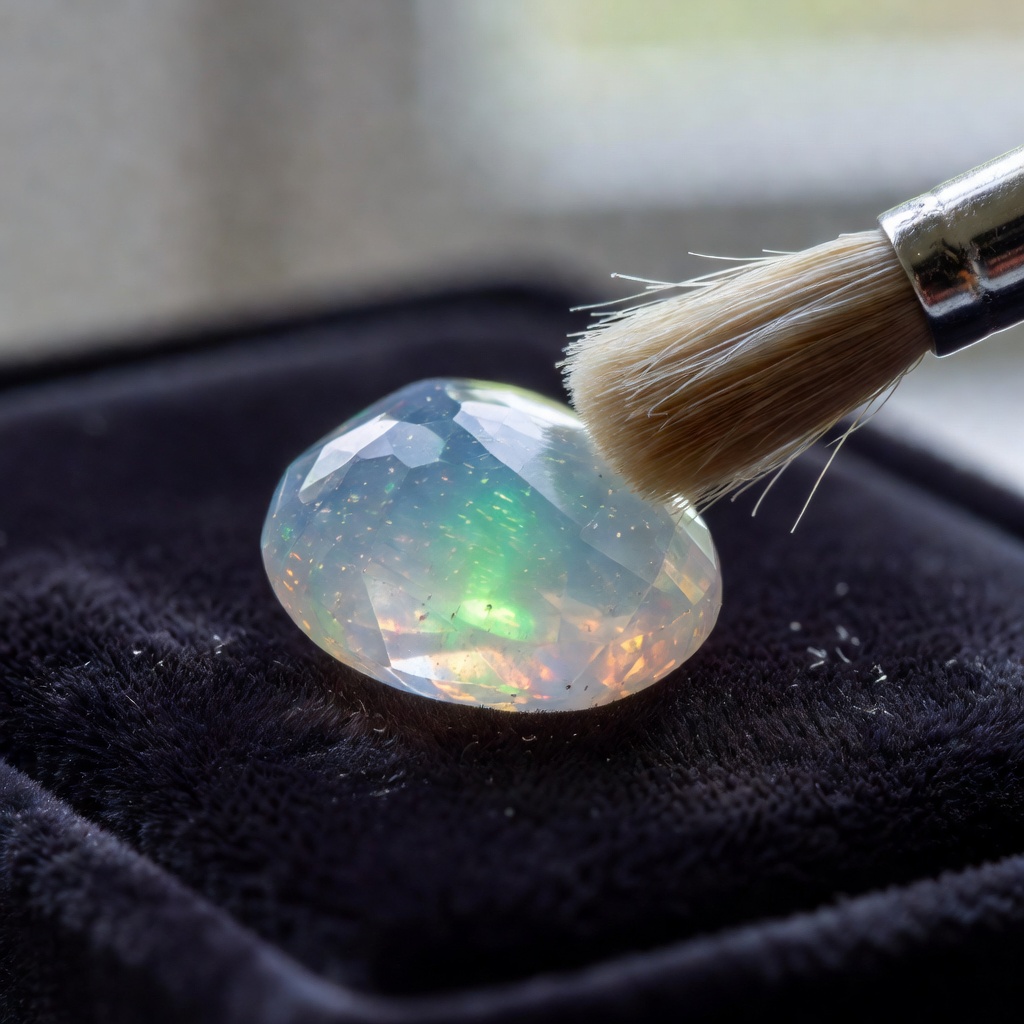
When learning how to clean hyalite opal properly, gentleness and precision are paramount to preserving the stone's integrity and luminous appearance without introducing new damage. Prepare a cleaning solution using only lukewarm distilled water mixed with a single drop of mild, pH-neutral soap such as pure castile soap, avoiding tap water which may contain minerals that deposit on the surface and create water spots that are difficult to remove from the porous silica structure. Using a soft-bristled baby toothbrush or dedicated cosmetic brush with extremely gentle pressure, carefully dislodge any accumulated debris from the stone surface and setting crevices, working in small circular motions to avoid scratching the relatively soft silica structure while paying special attention to the underside where skin oils accumulate. Rinse the piece thoroughly under lukewarm running distilled water to ensure all soap residue is removed, as leftover film can attract dirt and diminish the stone's transparency over time, creating a dull appearance that masks its natural brilliance. Immediately pat the jewelry dry with a lint-free microfiber cloth, then allow it to air dry completely on a soft towel for several hours before returning it to storage, ensuring no trapped moisture remains that could promote tarnishing in metal settings or mildew in storage containers.
Common Cleaning Mistakes to Avoid
Understanding what not to do is equally critical in hyalite opal cleaning methods, as several conventional jewelry cleaning techniques can cause irreparable damage to these delicate gems that store owners might recommend for harder stones. Never subject hyalite opals to ultrasonic or steam cleaners, as the intense vibrations and heat can cause internal cracking, loosen prongs, and disturb the water content within the stone's molecular structure, leading to permanent clouding or catastrophic fracturing that renders the gem worthless. Avoid ammonia-based cleaners, bleach, rubbing alcohol, and commercial jewelry dips entirely, as these harsh chemicals strip away the natural moisture essential to the opal's stability and can etch the surface, creating microscopic pitting that scatters light and eliminates the stone's glass-like clarity. During the cleaning process, prevent exposure to extreme temperature changes, such as moving the stone from hot water to cold air or vice versa, which creates thermal shock capable of shattering the gem from the inside out due to rapid water molecule expansion. Additionally, refrain from using paper towels, tissues, or abrasive polishing cloths that contain wood fibers or synthetic abrasives capable of scratching the 5.5-6 hardness surface, opting instead for optical-grade microfiber materials designed for delicate optical lenses and camera equipment.
Proper Storage for Long-Term Preservation
Appropriate hyalite opal storage tips focus on creating a stable microenvironment that mimics the humid conditions where these gems naturally form, protecting them from the drying effects of modern climate-controlled spaces and seasonal humidity fluctuations. Store your hyalite opal jewelry in a cool, dark location away from direct sunlight, radiators, and electronic heat sources that can accelerate dehydration and cause the stone to develop a chalky appearance or fine cracks known as crazing that permanently compromise its value. Utilize separate padded compartments in a jewelry box or individual soft cloth bags to prevent contact with harder gemstones like diamonds or rubies that could scratch the opal surface during storage or transportation when items shift against each other. Maintain moderate humidity levels between 40-60% by including silica gel packets that have been pre-conditioned to moderate humidity or placing a small container with a damp cotton ball charged with distilled water in the storage area, checking weekly to ensure mold does not develop on the cotton or storage materials. Never store hyalite opals in airtight plastic bags or containers, as these can trap condensation leading to moisture damage, promote mold growth on organic settings, or create static electricity that attracts dust particles to the stone surface, potentially causing scratching when the bag is moved.
Environmental Considerations and Display
For collectors and enthusiasts displaying hyalite specimens, understanding environmental controls is essential to proper precious opal care guide protocols that preserve both aesthetic beauty and scientific value for future generations. Limit exposure to direct UV light and strong sunlight, which while initially exciting the stone's famous green fluorescence, can over time contribute to dehydration and potential fading of optical properties if exposed continuously for extended periods without proper humidity control. Maintain stable room temperatures between 65-75°F (18-24°C) with minimal fluctuations, avoiding placement near windows, air conditioning vents, or heating systems that create microclimates of extreme dryness or rapid temperature variation that stress the stone's internal structure. When displaying valuable specimens, utilize museum-quality display cases featuring UV-protective glass or acrylic that filters harmful rays while allowing visible light to showcase the stone's clarity, and consider using passive humidity control systems such as conditioned silica gel to maintain that critical 40-60% humidity range. For long-term display pieces, rotate them periodically between display and sealed storage with humidity control to prevent the cumulative effects of environmental exposure from compromising the stone's structural integrity, treating these gems more like delicate museum artifacts than ordinary decorative objects.
When to Seek Professional Maintenance
Despite diligent home care, certain situations require professional intervention to ensure proper hyalite gemstone care and prevent minor issues from becoming catastrophic failures that result in total loss of the stone. Schedule annual inspections with a certified gemologist who possesses specific experience with opal varieties, as they can identify early signs of crazing, setting wear, or dehydration that might not be visible to the untrained eye, and they possess specialized equipment to measure the stone's hydration levels and structural stability. If surface scratches begin to diminish the stone's glow or transparency, seek professional repolishing services from a lapidary familiar with opal work, as they utilize diamond-impregnated compounds and water-cooled equipment specifically designed to restore luster without generating heat that could crack the stone during the polishing process. Immediately consult experts if you notice any crazing, cracking, or clouding developing, as early intervention with rehydration treatments or stabilization techniques can sometimes salvage stones that would otherwise continue deteriorating until they crumble. Before allowing any jeweler to perform repairs, resizing, or setting adjustments, verify they understand hyalite opal sensitivity by asking specific questions about their experience with hydrated gemstones, and insist they use no heat-based soldering techniques near the stone that could cause irreversible thermal damage during routine maintenance procedures.
Frequently Asked Questions
Can I Use Regular Soap and Water to Clean My Hyalite Opal?
Yes, you can use soap and water, but with specific restrictions to ensure safety and prevent long-term damage to the stone's structure. Only use lukewarm distilled water combined with a mild, pH-neutral soap such as pure castile soap or specialized jewelry cleaning solutions formulated specifically for delicate gems and opal varieties. Avoid harsh detergents, antibacterial soaps containing triclosan, or any products with added moisturizers, fragrances, or chemicals that could leave filmy residues or extract moisture from the stone's interior structure, potentially causing irreversible clouding, cracking, or loss of the distinctive fluorescent properties that make hyalite opals valuable.
How Often Should I Clean My Hyalite Opal Jewelry?
Under normal wearing conditions, cleaning your hyalite opal jewelry every two to three months is sufficient to remove accumulated skin oils and environmental dust without risking over-exposure to water and handling that could loosen settings over time. However, you should clean the piece immediately after exposure to sweat from exercise, accidental contact with cosmetics or sunscreen, or exposure to household chemicals such as chlorine, ammonia, or cleaning agents that could etch the surface. Remember that over-cleaning can be as potentially damaging as neglect, as each cleaning session involves handling risks and moisture exposure, so reserve deep cleaning for when the stone visibly appears dull or soiled rather than adhering to a rigid weekly schedule that could accelerate wear.
Is Hyalite Opal Sensitive to Water Despite Being Called 'Water Opal'?
While the nickname "water opal" refers to the stone's high natural water content and glass-like clarity, hyalite opals are indeed sensitive to water exposure in certain contexts that might surprise new owners. Brief contact with lukewarm distilled water during proper cleaning procedures is completely safe and will not harm the stone, but prolonged soaking, submersion for hours, or exposure to hot water can cause structural damage, cloudiness, or allow water to penetrate microscopic fractures and expand them through temperature fluctuations. The key distinction lies in the duration and temperature of exposure; quick rinses lasting under a minute are beneficial for removing debris, while baths or steam treatments can compromise the stone's integrity by disturbing the delicate balance of internal water molecules or causing thermal shock that leads to internal cracking.
Can I Put Hyalite Opal in an Ultrasonic Cleaner?
No, you should never use ultrasonic cleaners on hyalite opals under any circumstances, regardless of how dirty the piece may appear or how gentle the machine settings claim to be. The high-frequency vibrations generated by these machines can cause existing internal inclusions to expand into visible cracks, loosen the stone from its setting by vibrating the metal prongs against the soft stone edges, and most dangerously, disturb the water content within the stone's amorphous silica structure, leading to immediate or delayed internal fracturing known as crazing. Even "gentle" ultrasonic settings or brief exposure can create micro-fractures that compromise the stone's transparency and value, making hand cleaning with soft brushes the only safe option for these delicate gems.
Why Does My Hyalite Opal Look Cloudy or Dull?
Cloudiness in hyalite opals typically indicates one of three conditions: dehydration where the stone is losing its natural water content and developing microscopic cracks that scatter light rather than transmitting it clearly, surface scratching from contact with harder materials or improper cleaning cloths that create a network of fine scratches, or accumulated dirt and body oils creating a film over the surface that masks the stone's inherent clarity. Begin by performing a gentle cleaning with mild soap and distilled water as described in proper cleaning protocols, drying thoroughly with a microfiber cloth to see if the cloudiness resolves and reveals the true clarity beneath. If the stone remains cloudy after cleaning, it likely requires professional assessment for dehydration or repolishing to remove surface scratches, as home remedies cannot restore water content or repair etched surfaces once physical damage has occurred to the silica structure.
How Do I Prevent My Hyalite Opal from Drying Out and Cracking?
Preventing dehydration requires maintaining environmental humidity levels between 40-60% in your storage area and avoiding exposure to direct heat sources, air conditioning vents, and prolonged sunlight that accelerates moisture loss from the stone through evaporation. If you live in an arid climate or during winter months when indoor heating creates dry conditions, occasionally place the stone in a sealed container with a damp cotton ball saturated with distilled water for 24 hours, ensuring the cotton does not touch the stone directly to prevent water spotting or mineral deposits. Additionally, wearing your hyalite opal regularly actually helps maintain its moisture balance through contact with your skin's natural humidity and oils, though this must be balanced against wear risks, making occasional wear in protected settings the ideal compromise between maintaining hydration and preventing physical damage from daily activities.
Can I Wear Hyalite Opal Jewelry Every Day?
While technically possible for short periods, wearing hyalite opal jewelry daily significantly increases the risk of scratches, impacts, and chemical exposure that can permanently damage the stone's soft 5.5-6 hardness structure and lead to costly repairs or replacement. Hyalite opals are best reserved for occasional wear or mounted in protective settings such as pendants and earrings that experience less physical contact than rings or bracelets, which endure constant knocking against hard surfaces during daily activities like typing, driving, or household tasks. If you choose to wear hyalite daily, you must commit to removing the piece during physical activities, household cleaning, bathing, and hand washing, storing it safely in a padded container during these high-risk periods to prevent the cumulative damage that occurs with constant exposure to hard surfaces and environmental chemicals.
Does Hyalite Opal Lose Its Green Glow Over Time?
The distinctive fluorescent green glow exhibited by hyalite opals under UV light is generally considered a permanent characteristic of the stone's trace uranium content and silica structure that does not inherently fade with age, but this glow can diminish if the stone becomes severely dehydrated or develops extensive surface scratches that scatter rather than transmit light effectively. Proper hyalite opal care and cleaning practices, including maintaining appropriate humidity levels, avoiding abrasive contact, and storing the stone properly when not in use, will preserve both the stone's exceptional clarity and its captivating fluorescence for many generations of ownership. Should you notice a reduction in fluorescence intensity, this often serves as an early warning sign of dehydration or surface damage requiring immediate attention and possible professional rehydration treatment to restore the stone to its original condition before the damage becomes irreversible.