Hyalite Opal Buying Guide: Everything You Need to Know Before You Purchase
Navigating the world of rare gemstones requires specialized knowledge, particularly when considering hyalite opal, one of the most fascinating yet misunderstood varieties in the opal family. This comprehensive Hyalite Opal Buying Guide provides collectors, jewelry enthusiasts, and mineralogists with the essential information needed to make informed purchasing decisions. Whether you are searching for a fluorescent display specimen or considering a unique jewelry piece, understanding the distinctive characteristics of this water-clear gem will protect your investment and ensure you acquire authentic, high-quality material. From identifying genuine specimens to understanding market valuations, we cover every critical aspect of acquiring these remarkable transparent opals.
What Is Hyalite Opal? Understanding This Rare Gemstone
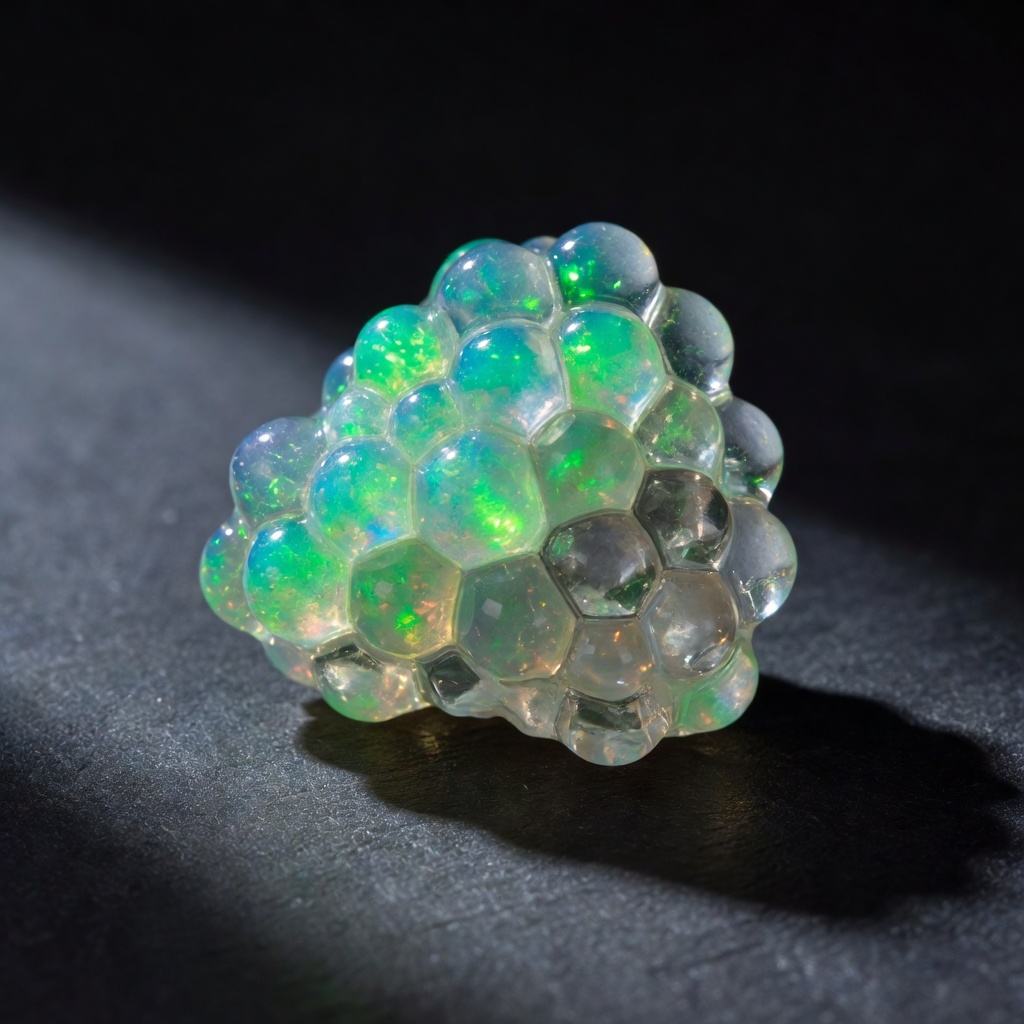
Hyalite opal represents a unique variety of opal characterized by its transparent to translucent appearance and amorphous silica gel composition, chemically identical to precious opal but structurally distinct in its formation. Unlike the milky common opal or the iridescent precious opal varieties that display play-of-color, natural hyalite opal presents a glass-like, water-clear clarity that has earned it the nickname "water opal" among collectors and gemologists. This gem-quality opal forms through the precipitation of silica-rich solutions in volcanic environments, resulting in botryoidal (grape-like) formations that can range from microscopic clusters to substantial museum-quality specimens weighing several pounds.
The distinction between hyalite and other opal types lies primarily in their internal structure and optical properties. While precious opal contains ordered silica spheres that diffract light to create rainbow flashes, hyalite opal possesses a random, amorphous structure that transmits light rather than breaking it into spectral colors. Geographic distribution plays a crucial role in the availability and characteristics of these gems, with primary sources including the Zimapán mining district in Hidalgo, Mexico, which produces some of the world's finest fluorescent specimens. Additional significant deposits occur in the Tokaj Mountains of Hungary, the Zlaté Hory region of the Czech Republic, and scattered localities in Arizona, Utah, and Australia, each offering slightly different variations in clarity, color, and fluorescent intensity.
Historically, hyalite opal has fascinated mineralogists since its formal description by Franz-Joseph Müller von Reichenstein in 1794, who initially termed it "Müller's glass" due to its exceptional transparency. Historical texts reveal that 18th and 19th-century collectors prized these specimens for their ethereal appearance, often displaying them in royal cabinets of curiosities alongside other exotic minerals. When applying water opal buying tips, collectors should note that true hyalite opal will always exhibit a vitreous luster and conchoidal fracture pattern, distinguishing it from glass imitations or lower-quality common opal that lacks the characteristic water-clear transparency definitive of this variety.
The Unique Fluorescence: Hyalite Opal's Defining Feature
The most striking characteristic distinguishing genuine hyalite opal from all other gemstone varieties is its intense bright green fluorescence under ultraviolet light, a phenomenon caused by trace amounts of uranium incorporated into the silica structure during formation. When exposed to short-wave UV light (typically 254nm), authentic specimens emit a vivid apple-green to mint-green glow that can be visible even in daylight conditions with strong UV exposure, creating an otherworldly appearance that has captivated collectors for centuries. This fluorescence occurs because uranium atoms (typically U4+) substitute for silicon in the opal's molecular framework, creating luminescent centers that emit visible green light when excited by UV radiation, with intensity directly correlating to uranium concentration levels that usually range between 50 to 200 parts per million.
For collectors and buyers, understanding how to grade hyalite opal fluorescence provides a crucial tool for both identification and valuation. Professional dealers and serious collectors utilize 365nm UV lamps to assess fluorescence intensity, categorizing specimens as weak (visible only in complete darkness), moderate (visible in dim light), or strong (visible in normal room lighting). When conducting hyalite opal identification, examine the consistency of the glow across the entire specimen; natural material typically shows variation in intensity corresponding to thickness and uranium distribution, whereas synthetic or treated stones may display unnaturally uniform fluorescence. High-quality specimens from Mexican localities often demonstrate the strongest reactions, sometimes continuing to phosphoresce (glow after UV removal) for several seconds, a characteristic highly prized among connoisseurs.
The authenticity of fluorescence matters significantly for valuation because this property cannot be easily replicated in imitations without using radioactive materials, which are heavily regulated and dangerous. Glass imitations might fluoresce blue or white under UV light, but never the distinctive bright green characteristic of genuine hyalite opal. When evaluating potential purchases, request to view the stone under UV illumination before buying, and be wary of sellers who refuse this simple test or claim that fluorescence indicates radioactivity at dangerous levels—the trace uranium in these opals presents negligible radiation risk, comparable to everyday environmental exposure. This unique optical property not only confirms authenticity but also dramatically affects hyalite opal value, with intensely fluorescent specimens commanding prices three to five times higher than non-fluorescent or weakly fluorescent material of similar size and clarity.
Key Quality Factors for Buying Hyalite Opal
Evaluating hyalite opal value requires understanding several quality parameters that differentiate museum-grade specimens from commercial material, with clarity serving as the primary determinant of desirability and price. Premium specimens exhibit "water-clear" transparency, allowing light to pass through with minimal obstruction, while lower-grade material may appear milky, cloudy, or contain visible inclusions that scatter light. When examining clarity, hold the specimen against a printed text or bright light source; high-quality hyalite opal should allow you to read through the stone or see sharp shadows, whereas inferior material creates fuzzy, indistinct images. Bubble inclusions, while technically flaws, can actually enhance value in some specimens if they create interesting visual patterns or if the bubbles themselves fluoresce differently than the surrounding matrix, creating a three-dimensional "galaxy" effect prized by specialist collectors.
Surface integrity represents another critical quality factor, as hyalite opal is susceptible to "crazing"—a network of fine surface cracks that develop due to dehydration or thermal shock. Before purchasing, examine the specimen under 10x magnification or strong magnification to check for existing cracks or the early stages of crazing, which appear as hairline fractures resembling dried mud patterns. Specimens with intact, smooth surfaces command significant premiums over crazed material, which not only detracts from visual appeal but also indicates potential instability. For cabochon cuts intended for jewelry, ensure the cutter has maintained uniform dome height without creating flat spots or tool marks that would indicate rushed or inexperienced lapidary work.
Size and carat weight impact rarity exponentially in hyalite opal, as large transparent specimens free from inclusions are extraordinarily uncommon. While small tumbled stones under one carat might sell for modest prices, specimens exceeding ten carats with perfect clarity and strong fluorescence can reach into the thousands of dollars, particularly if they display aesthetic botryoidal formations. The quality of these botryoidal formations—the grape-like clusters that characterize rough hyalite—also affects value, with well-defined, symmetrical spheres creating sculptural beauty that appeals to mineral collectors. When considering this Hyalite Opal Buying Guide, remember that specimens combining large size, perfect clarity, intense fluorescence, and aesthetic crystal formations represent the pinnacle of the market and offer the strongest potential for appreciation over time.
Authenticity Checks: Avoiding Fakes and Synthetics
The transparency and glass-like appearance of hyalite opal make it particularly susceptible to imitation through molded glass, resin composites, and plastic alternatives, necessitating careful hyalite opal identification procedures before completing any purchase. Common glass imitations often contain trapped air bubbles that appear spherical and uniform, whereas natural hyalite bubbles are typically irregular in shape and distribution; additionally, glass lacks the conchoidal fracture pattern visible on broken edges of genuine opal. Resin and plastic fakes feel noticeably warmer to the touch than genuine stone and can be tested using a hot point (heated needle) test—plastic will emit an acrid chemical smell and soften, while genuine hyalite remains unaffected and cool. When you buy hyalite opal online, request high-resolution photographs showing the stone on a dark background with reflected light to check for the characteristic vitreous luster that distinguishes genuine material from duller imitations.
Simple UV light testing provides the most reliable at-home verification method for prospective buyers. Using a 365nm UV lamp (commonly available through mineralogy suppliers or scientific equipment stores), examine the specimen in a darkened room; genuine hyalite will display the characteristic bright green fluorescence described previously, while glass imitations typically show blue or white fluorescence, and plastics usually appear dull or non-fluorescent. For expensive specimens exceeding $500, insist on certification from recognized laboratories such as GIA (Gemological Institute of America) or AGS (American Gem Society), which will confirm the material as natural opal and disclose any treatments. These certificates should specifically mention "Natural Opal - Hyalite Variety" and comment on fluorescence properties, providing documentation essential for insurance and future resale.
Visual inspection techniques should also include checking for assembled stones, where a thin layer of genuine hyalite is glued to a backing material to simulate a larger, more valuable specimen. Examine the edges of cabochons under magnification for glue lines or color discontinuities, and view the stone from the side to ensure color and clarity are consistent throughout rather than concentrated only on the surface. Be particularly cautious when buying rough specimens that appear too perfect—natural hyalite usually shows some surface irregularities, growth patterns, or contact points where it attached to host rock. Reputable sellers will gladly provide microscopic photographs or videos demonstrating these natural characteristics, while dealers offering "too good to be true" prices often rely on buyers' inability to distinguish sophisticated glass molds from genuine mineral specimens.
Hyalite Opal Pricing Guide and Market Value
Understanding current market pricing for hyalite opal requires recognizing the wide valuation spectrum that exists based on quality factors, with prices ranging from $10 to $500+ per carat depending on specific characteristics and specimen size. Entry-level material, typically consisting of small tumbled stones or rough pieces under two carats with moderate clarity and weak fluorescence, generally trades between $10 and $50 per carat at mineral shows and online marketplaces. Mid-range specimens featuring good transparency, minimal inclusions, and moderate green UV fluorescence command $50 to $200 per carat, suitable for quality jewelry settings or serious collector specimens. Premium material—defined as large crystals (over ten carats) with water-clear transparency, perfect surface integrity, and intense apple-green fluorescence—can exceed $500 per carat, with exceptional museum-quality pieces reaching into the thousands of dollars for single specimens.
Fluorescence intensity directly correlates with premium pricing in ways that surprise many first-time buyers. Specimens exhibiting strong fluorescence visible in normal room lighting when exposed to UV sources can command two to three times the price of similarly sized material showing only weak glow requiring complete darkness to observe. This pricing differential reflects both the aesthetic appeal of strong fluorescence and its utility as an authenticity marker, with intensely fluorescent material providing buyers greater confidence regarding natural origin. When applying water opal buying tips to budget considerations, prioritize fluorescence over perfect clarity if forced to choose, as a slightly cloudy specimen with brilliant green glow generally retains better resale value than a perfectly clear stone with weak or no fluorescence.
The investment potential for high-quality hyalite opal has strengthened significantly over the past decade as Mexican mining operations report decreasing yields of top-quality transparent material. Market trends indicate particular strength in specimens over five carats with documented provenance from classic localities like Zimapán, Mexico, or the historic Hungarian mines. Price differences between rough specimens and finished cabochons vary based on cutting quality; while rough material offers lower entry prices, professionally cut cabochons with high domes and excellent polish can realize 50-100% premiums over rough prices, reflecting the skill required to cut this brittle material without causing fracture. Collectors should view hyalite opal value not merely as current aesthetic appeal but as geological rarity, as each major deposit represents a finite resource of these unique fluorescent gems.
Where to Buy Hyalite Opal: Trusted Sources
Finding authentic hyalite opal requires knowing where to look among the vast array of gemstone vendors, with specialized dealers offering significantly better value and authenticity guarantees than general jewelry retailers. Reputable online gemstone dealers specializing in opals, such as those with established presences on mineral-specific platforms or dedicated opal trading sites, typically provide detailed photographs under both normal and UV lighting, along with clear return policies and treatment disclosures. When you buy hyalite opal online, prioritize vendors who provide 360-degree video views, specific locality information (such as "Zimapán, Mexico" rather than just "Mexico"), and UV fluorescence demonstration videos. Established dealers like those participating in the Tucson Gem Show, Munich Mineral Show, or Sainte-Marie-aux-Mines Mineral Fair often offer the best selection of high-grade specimens, allowing buyers to examine fluorescence and clarity in person before purchasing.
The Tucson Gem Show, held annually in February, represents the premier global marketplace for hyalite opal, with specialized dealers from Mexico, Europe, and the United States showcasing their finest specimens across multiple venues including the Pueblo Gem and Mineral Show and the 22nd Street Show. Major mineral exhibitions provide opportunities to compare fluorescence intensities across multiple specimens simultaneously, handle rough and cut material to assess surface quality, and negotiate prices directly with miners or their authorized representatives. For those unable to attend international shows, regional mineral clubs and gem and mineral societies often host shows featuring reputable dealers who specialize in fluorescent minerals and can provide educational context about their inventory.
Red flags indicating potentially problematic purchases include prices significantly below market rates (such as large "water-clear" specimens offered for $5-10 total), sellers who cannot or will not provide UV light demonstrations, and listings lacking specific locality information or treatment disclosures. Always verify that the seller offers a reasonable return period (minimum 7-14 days) allowing you to examine the specimen under your own UV lamp and magnification. Critical questions to ask sellers include: "Has this specimen been treated with oil, resin, or irradiation?" "What is the exact locality and mining date?" and "Does this piece show any signs of crazing or dehydration?" Reputable sellers welcome these inquiries and provide detailed responses, while evasive answers should prompt immediate caution. This Hyalite Opal Buying Guide emphasizes that building relationships with trusted dealers who specialize in opals yields long-term benefits, including first access to new finds and preferential pricing on high-quality material.
Treatments and Enhancements to Watch For
While natural hyalite opal is relatively stable compared to precious opal varieties, the market does see various treatments designed to enhance appearance or hide flaws, making treatment detection an essential skill for serious collectors. Common treatments include oiling or resin impregnation, where cedar oil, mineral oil, or polymer resins like Opticon are injected into surface-reaching fractures to reduce their visibility and improve apparent clarity. This practice, while accepted in some colored stone markets when disclosed, significantly impacts long-term stability as oils may dry out or yellow over time, and resins can craze or separate from the host material. Irradiation represents another treatment occasionally encountered, used to alter body color or potentially enhance fluorescence, though natural uranium content typically provides sufficient fluorescence without artificial enhancement.
Treated stones often exhibit telltale signs under magnification, including surface residues, uneven fluorescence patterns where treatments have filled cracks, or "heat waves" visible under polarized light indicating thermal treatment. When performing hyalite opal identification, examine suspected treated stones under long-wave UV light; oil-treated areas may fluoresce differently (often bluish-white) compared to the natural green glow of the opal itself, creating a mottled appearance. Ethical selling practices require full disclosure of any treatments, and reputable dealers will explicitly state "natural, untreated" or provide details of any enhancements applied. Legal requirements in many jurisdictions mandate treatment disclosure for gemstones, and failure to reveal treatments constitutes fraud, giving buyers recourse if they discover undisclosed enhancements after purchase.
Testing methods to detect enhanced fluorescence include spectroscopic analysis available at major gemological laboratories, which can identify artificial irradiation signatures, and specific gravity testing, as treated stones may show slightly different density readings due to impregnating materials. For the average collector, the most practical detection method remains careful examination under strong magnification combined with UV light inspection, looking for inconsistencies in fluorescence intensity that might indicate artificial enhancement. When seeking natural hyalite opal, request written guarantees of natural origin and treatment-free status, particularly for investment-grade specimens. Untreated specimens not only retain higher long-term value but also provide the geological purity that serious mineral collectors prize, ensuring that the unique fluorescent properties you observe represent millions of years of natural formation rather than artificial modification.
Caring for Your Hyalite Opal Collection
Proper care and maintenance of hyalite opal ensures that your investment retains its beauty and structural integrity for generations, requiring specific protocols that differ from harder gemstones like diamonds or sapphires. Storage conditions play a crucial role in preservation, as hyalite opal contains significant water content (typically 3-9% by weight) that can be compromised by excessive heat or arid conditions. Store your specimens in padded containers away from direct sunlight, which can cause thermal shock and contribute to dehydration crazing, and maintain moderate humidity levels if possible—some collectors store valuable specimens in sealed containers with small amounts of damp cotton (not touching the stone) to prevent moisture loss, though this is less critical for hyalite than for precious opal. Avoid storing hyalite near heat sources such as radiators, sunny windowsills, or display cases with internal lighting that generates warmth, as temperatures exceeding 100°F (38°C) can initiate or accelerate crazing.
Cleaning hyalite opal requires gentle methods that preserve surface integrity while removing accumulated dust and oils. Use only room-temperature water (never hot) and mild, phosphate-free soap applied with a soft, lint-free cloth or camel-hair brush; gently wipe the surface without applying pressure, then rinse thoroughly and pat dry with a soft towel. Harsh chemicals including household cleaners, chlorine, bleach, and even commercial jewelry cleaning solutions can etch the surface or cause chemical reactions that alter the stone's appearance or fluorescence properties. Never use ultrasonic cleaners or steam cleaning equipment, as the vibrations and thermal shock can cause immediate fracturing in this relatively brittle material with Mohs hardness of only 5.5 to 6.
Handling precautions are essential given hyalite opal's moderate hardness and perfect cleavage potential. When setting hyalite in jewelry, choose protective settings such as bezels that guard the edges and girdle, avoiding tension settings that place pressure on the stone. Due to its softness, hyalite is best suited for occasional-wear pieces such as pendants, earrings, or brooches rather than rings or bracelets that receive daily impact. When displaying specimens, use stands that support the base without gripping the stone tightly, and handle only with clean, dry hands or cotton gloves to prevent oils from skin contact that might attract dust or affect surface luster. Following these water opal buying tips regarding care ensures that your hyalite opal value remains intact, preserving both the aesthetic beauty and the geological significance of these remarkable fluorescent gems for future appreciation.
Conclusion: Making Your Purchase Decision
This Hyalite Opal Buying Guide has covered the essential knowledge required to navigate the market for these unique transparent opals, from understanding their geological origins to verifying authenticity and assessing quality. As you prepare to make your purchase decision, create a personal checklist including: verification of strong green fluorescence under UV light, examination for surface crazing or cracks, confirmation of natural untreated status through certification or reputable dealer guarantees, and assessment of clarity and botryoidal formation quality. Balancing budget constraints with quality requirements often means prioritizing fluorescence intensity and structural integrity over perfect clarity or large size, particularly for first-time buyers entering this specialized market.
Building relationships with trusted dealers who specialize in opals and fluorescent minerals provides long-term advantages beyond any single transaction, including access to pre-market specimens, educational resources, and fair pricing based on established trust. Document every purchase thoroughly, preserving certificates of authenticity, locality information, and photographs under both normal and UV light for insurance purposes and future provenance verification. Whether you are acquiring a modest fluorescent specimen for a mineral collection or investing in a high-value cabochon for jewelry, remember that genuine hyalite opal represents a finite geological resource formed under specific volcanic conditions that cannot be replicated. By applying the principles outlined in this guide—careful authentication, quality assessment, and proper care protocols—you can confidently participate in the market for these extraordinary gems, ensuring that your acquisition provides both immediate visual delight and lasting value as a natural wonder.
Frequently Asked Questions
What is hyalite opal and why is it called "water opal"?
Hyalite opal is a transparent to translucent opal variety composed of hydrated silica gel. It's nicknamed "water opal" due to its glass-like clarity and watery appearance, distinguishing it from the milky or iridescent precious opal varieties.
Does all hyalite opal glow under UV light?
Most natural hyalite opal exhibits strong green fluorescence under short-wave UV light due to trace uranium content. However, the intensity varies by specimen, and absence of fluorescence may indicate a fake or treated stone.
How much should I expect to pay for quality hyalite opal?
Prices typically range from $10-$50 per carat for standard specimens to $200-$500+ per carat for exceptional pieces with intense fluorescence, large size, and perfect clarity. Untreated specimens command premium prices.
How can I verify my hyalite opal is natural and untreated?
Use a 365nm UV lamp to check for natural green fluorescence, examine for natural inclusions under magnification, and request certification from reputable labs like GIA. Be wary of stones with unnaturally uniform appearance or suspiciously low prices.
Is hyalite opal suitable for everyday jewelry wear?
Due to its Mohs hardness of 5.5-6 and sensitivity to heat and chemicals, hyalite opal is best suited for occasional wear pieces like pendants or earrings rather than rings. Protective settings and careful handling are essential.
Where are the best places to buy authentic hyalite opal?
Purchase from established online gemstone dealers with return policies, specialized mineral shows like the Tucson Gem Show, or reputable local jewelers who specialize in opals. Always verify seller reviews and request treatment disclosure.
What makes hyalite opal different from precious opal?
Unlike precious opal which displays play-of-color (iridescence), hyalite opal is valued for its transparency and green UV fluorescence. Hyalite lacks the internal structure that creates color flash, instead appearing glass-clear or milky white in normal light.
Can hyalite opal lose its fluorescence over time?
Natural hyalite opal retains its fluorescence indefinitely as it's caused by stable uranium traces. However, exposure to prolonged intense heat or harsh chemicals might alter the stone's appearance, though the fluorescence property itself remains stable.