What Is Hiddenite? Understanding the Rare Green Gemstone
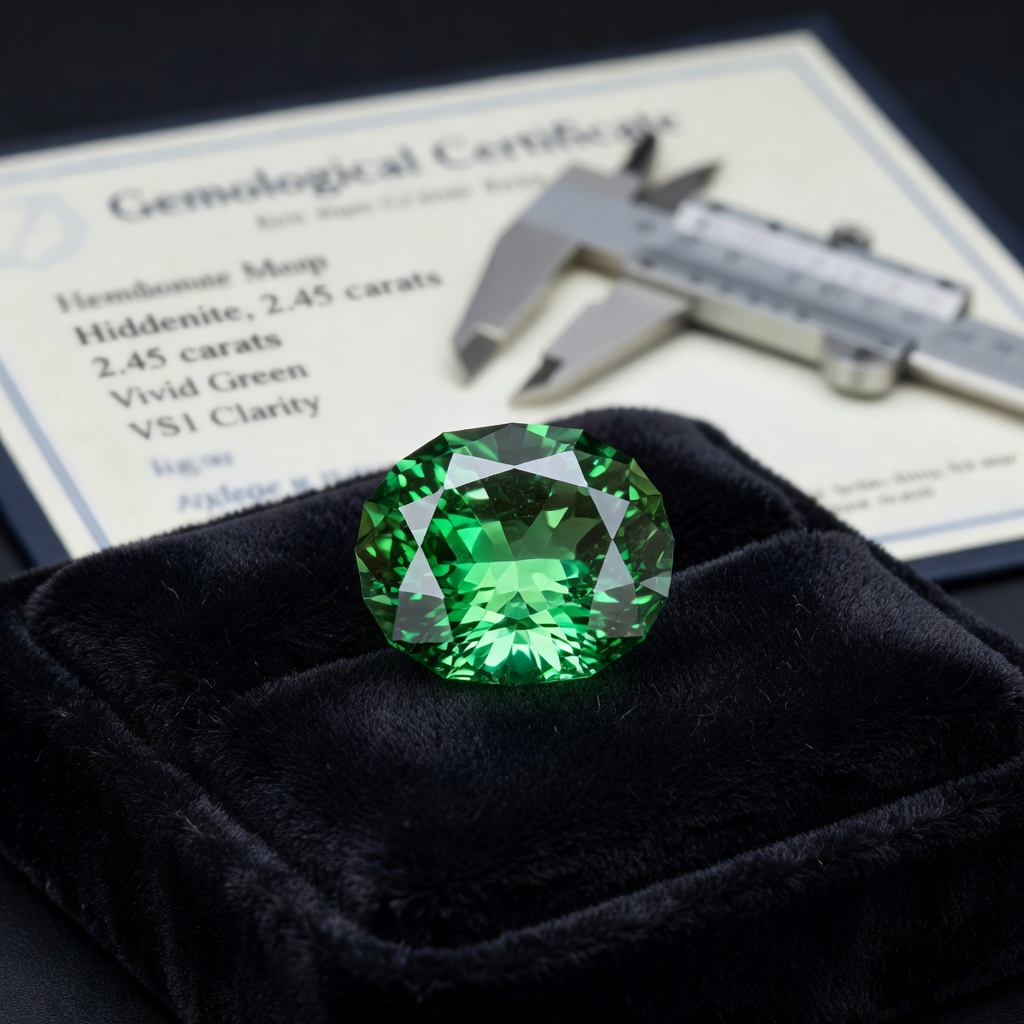
Hiddenite represents one of the most captivating varieties of the spodumene mineral family, distinguished by its striking green coloration caused by chromium and vanadium substitution within the lithium aluminum silicate crystal structure. Unlike its famous pink counterpart kunzite, hiddenite derives its name from the town of Hiddenite in Alexander County, North Carolina, where geologist William Earl Hidden first documented significant deposits in 1879 while searching for platinum for Thomas Edison. This rare green spodumene has captivated mineral collectors and gem enthusiasts for over a century due to its exceptional pleochroism, which causes the stone to display different colors—ranging from yellowish-green to bluish-green—when viewed from various angles.
The geological formation of hiddenite requires specific pegmatitic conditions where lithium-rich fluids interact with chromium-bearing host rocks, creating the precise chemical environment necessary for green crystallization. While many dealers and collectors use the terms interchangeably, true hiddenite specifically refers to the naturally green chromium-rich variety, whereas stones sometimes marketed as "green kunzite" may actually represent heat-treated or irradiated pink spodumene with inherently less stable coloration. Understanding this distinction proves crucial for anyone consulting a Hiddenite Price Guide, as natural, untreated specimens command significant premiums over enhanced stones in the current marketplace.
Quality Grading Factors That Determine Hiddenite Value
Color Intensity and Hue Distribution
The most critical factor affecting hiddenite gemstone value remains the depth and saturation of its green coloration, with the most prized specimens exhibiting a vivid, slightly yellowish-green to emerald-green hue reminiscent of fine Colombian emeralds. Stones displaying the classic "hiddenite green"—a distinctive neon-like brilliance first identified in North Carolina material—command the highest premiums, while pale mint-green or heavily grayish specimens fall into commercial grades. Advanced collectors specifically seek stones that maintain their color intensity under various lighting conditions, as some lower-quality green spodumene appears washed out under incandescent lighting or overly dark in daylight.
Clarity Standards and Inclusion Tolerance
As a Type I clarity gemstone according to the GIA classification system, hiddenite typically forms with fewer inclusions than Type II or III stones, meaning buyers should expect eye-clean specimens in finer qualities. However, certain characteristic inclusions actually authenticate North Carolina origin, including tiny mica platelets or hematite flecks that serve as geological fingerprints without significantly detracting from transparency. When evaluating clarity, position the stone at approximately 12 inches from your eye under diffused lighting; any inclusions visible at this distance generally reduce the per-carat value by 15-30 percent depending on their severity and location within the cut stone.
Cut Optimization for Pleochroism
Master lapidaries face unique challenges when cutting hiddenite due to its strong trichroism, which displays yellowish-green, bluish-green, and colorless directions simultaneously depending on crystal orientation. The most valuable cuts orient the table perpendicular to the crystal's principal axis to maximize the desirable green color while minimizing the yellowish or colorless components that reduce visual appeal. Emerald cuts and cushion shapes particularly suit hiddenite because their step-cut facets help mask the slight windowing that can occur in poorly oriented stones, whereas brilliant cuts might inadvertently emphasize the less desirable pleochroic colors.
Current Hiddenite Price Ranges Per Carat (2024 Update)
Understanding current green spodumene prices requires recognizing the distinct tiers that separate commercial material from investment-grade specimens. Commercial grade hiddenite, typically characterized by pale green coloration, visible inclusions, and smaller carat weights under two carats, currently trades between $50 and $150 per carat in the wholesale market. These stones often originate from Brazilian deposits and provide accessible entry points for jewelry designers seeking affordable green alternatives to emerald or tsavorite garnet.
Fine quality hiddenite featuring vivid emerald-green color, eye-clean clarity, and expert cutting commands substantially higher prices ranging from $200 to $500 per carat, with exceptional stones exceeding these figures at specialized auctions. Museum-grade specimens—defined as large crystals exceeding five carats with documented North Carolina provenance, exceptional transparency, and historical significance—regularly achieve $1,000 to $3,000 per carat at major mineral shows such as the Tucson Gem and Mineral Show. Recent sales data from 2023-2024 indicates that untreated North Carolina material has appreciated approximately 12-15 percent annually, outpacing many traditional colored stone investments.
Geographic Origin Impact on Hiddenite Pricing
The geographic source of a hiddenite specimen creates dramatic valuation differentials that knowledgeable collectors must understand when evaluating North Carolina hiddenite cost versus material from other localities. Authentic Alexander County hiddenite, specifically from the Adams Mine or Type locality area, carries substantial premiums—often 200-400 percent higher than equivalent quality Brazilian material—due to historical significance and the depletion of commercial mining operations since the 1980s. These specimens possess distinct color characteristics, typically showing a more yellowish-green base with strong pleochroism that differs from the often bluish-green or minty tones found in Brazilian, Afghan, or Madagascan material.
Brazilian hiddenite, primarily sourced from Minas Gerais, dominates the commercial market with greater availability and generally lighter, more pastel coloration that appeals to jewelry markets but commands less respect among serious mineral collectors. Afghan material, discovered more recently in the Nuristan region, occasionally produces intense green crystals but frequently suffers from color instability and internal stress fractures that reduce long-term value. When purchasing significant specimens, always demand locality documentation including mine-specific information, collection dates, and previous ownership history, as provenance authentication directly correlates with resale potential and insurance valuations.
Hiddenite vs Kunzite: Comparative Market Analysis
The relationship between pink kunzite and green hiddenite provides fascinating insights into rare green kunzite pricing misconceptions and market dynamics within the spodumene family. While kunzite (colored by manganese) occurs more abundantly in nature and dominates commercial spodumene production, true chromium-colored hiddenite remains significantly scarcer, creating a consistent price premium of 25-40 percent for equivalent quality grades. However, this differential widens dramatically for exceptional specimens, with fine North Carolina hiddenite sometimes commanding five to ten times the price of comparable kunzite due to its status as a classic American mineral locality.
Collector demand trends increasingly favor hiddenite for investment portfolios because of its superior color stability compared to kunzite, which notoriously fades when exposed to sunlight or heat. The market also distinguishes between "green kunzite"—a misnomer sometimes applied to heat-treated pink spodumene—and natural hiddenite, with educated buyers specifically seeking the latter for long-term value retention. Recent auction results from Heritage Auctions and Bonhams demonstrate that antique hiddenite jewelry from the Art Nouveau period, particularly pieces by Tiffany & Co. using North Carolina material, achieves prices exceeding $2,000 per carat, establishing a ceiling that continues to lift the entire category.
Treatment Detection and Natural vs Enhanced Value
Accurately assessing spodumene mineral value requires sophisticated understanding of treatment methods that plague the hiddenite market, particularly irradiation and heat treatments designed to artificially induce green coloration in otherwise pink or colorless material. Natural hiddenite derives its stable green color from chromium and vanadium incorporation during crystal formation, whereas treated stones typically exhibit color centers created by gamma radiation or neutron bombardment that often fade when exposed to heat, light, or even prolonged storage. These treatments can reduce a stone's value by 60-80 percent compared to untreated natural material, making laboratory certification absolutely essential for significant purchases.
The Gemological Institute of America (GIA) and American Gemological Laboratories (AGL) provide specific testing protocols that identify irradiation treatments through advanced spectroscopy and color stability testing. When examining stones without laboratory reports, natural hiddenite typically displays distinct pleochroism with green and yellowish-green components, while irradiated material might show unusual color concentrations or lack the depth of natural chromium-rich specimens. Always request that sellers disclose any treatments in writing, as undisclosed enhancements constitute fraud in most jurisdictions and can invalidate insurance coverage for high-value specimens.
Where to Buy Authentic Hiddenite: Dealer Guide
Navigating the hiddenite buying guide landscape requires identifying reputable sources that specialize in rare spodumene varieties rather than general gemstone retailers who may misidentify peridot, green amethyst (prasiolite), or tourmaline as hiddenite. The Tucson Gem and Mineral Show, held annually in February, represents the premier international venue for acquiring documented North Carolina material, with established dealers such as The Arkenstone and Weinrich Minerals consistently offering authenticated specimens with detailed provenance. For investment-grade purchases, consider auction houses like Heritage Auctions or Bonhams, which provide rigorous authentication processes and condition reports that protect buyers from misrepresentation.
Online marketplaces require extreme caution; while platforms like GemRockAuctions host legitimate dealers, the anonymity of internet sales facilitates the distribution of synthetic spinel or dyed quartz mislabeled as hiddenite. Red flags include prices significantly below market value, sellers referring to the material as "green kunzite" or "hiddenite quartz," and the absence of pleochroism when viewed through a dichroscope. Always verify dealer credentials through memberships in professional organizations such as the Mineralogical Association or the American Gem Trade Association (AGTA), and insist on escrow services for transactions exceeding $5,000 to ensure you receive the authenticated stone before funds release.
Investment Potential and Future Value Projections
Hiddenite presents compelling investment characteristics for collectors seeking hard asset diversification, particularly given the finite supply of premium North Carolina material and increasing global restrictions on lithium mining that may limit future spodumene production. Historical data from the past two decades indicates that fine, untreated hiddenite from documented localities has appreciated at compound annual growth rates between 8-12 percent, outperforming many equity indices while providing portfolio insulation against inflation and currency fluctuations. Unlike diamonds or sapphires, however, hiddenite lacks the liquidity of mainstream gemstones, requiring longer holding periods and specialized knowledge to realize optimal returns.
The investment thesis for hiddenite gemstone value appreciation rests primarily on supply constraints, as the original North Carolina deposits have been largely exhausted through over 140 years of intermittent mining, with modern environmental regulations making new extraction economically unfeasible. Collector demographics also favor long-term appreciation, as baby boomer mineral collectors compete with emerging Asian markets for the limited supply of fine specimens entering the secondary market. For optimal investment outcomes, focus on untreated stones exceeding three carats with vivid color and documented North Carolina provenance, avoiding commercial-grade Brazilian material that lacks the scarcity premium driving top-tier appreciation.
Care and Maintenance to Preserve Hiddenite Value
Protecting your investment in green spodumene prices requires understanding the unique physical vulnerabilities of hiddenite, particularly its photosensitivity and perfect cleavage in two directions that make the stone susceptible to splitting under impact. Prolonged exposure to direct sunlight, intense halogen lighting, or heat sources can cause color fading in even natural specimens, necessitating storage in opaque, cool environments such as safe deposit boxes or jewelry cases with UV protection. When wearing hiddenite jewelry, remove pieces before activities involving temperature fluctuations, such as cooking or sunbathing, and avoid ultrasonic cleaning which can exacerbate existing fractures along cleavage planes.
Clean hiddenite using only mild soap, lukewarm water, and a soft natural bristle brush, gently removing accumulated oils and debris without applying excessive pressure that might stress the crystal structure. For ring settings, choose protective designs such as bezels or substantial prong configurations that shield the girdle edges from accidental impacts, or preferably select pendant or earring mountings that minimize exposure to physical stress. Maintain detailed documentation of your stone's original color intensity through professional photography under standardized lighting conditions, creating baseline evidence for insurance purposes should fading or damage occur despite proper care.
Final Checklist for Purchasing Hiddenite Smartly
Completing a successful acquisition using this Hiddenite Price Guide requires systematic due diligence across documentation, authentication, and financial planning dimensions. Verify that your seller provides a detailed return policy allowing at least 72 hours for independent laboratory verification, and budget for supplemental testing by GIA or AGL if the stone lacks current certification. Allocate your purchasing budget strategically, reserving approximately 60-70 percent for the stone itself when buying loose gems, or ensuring that mounted pieces feature high-karat gold or platinum settings that complement rather than diminish the gem's value.
Before finalizing any purchase, conduct a personal authentication ritual: examine the stone under 10x magnification for natural inclusion patterns characteristic of pegmatitic formation, test for pleochroism using a dichroscope to confirm the color shift between green and yellowish-green components, and verify that dimensions and weight align with standard spodumene specific gravity ranges (3.15-3.21). For North Carolina material, request chain-of-custody documentation tracing the specimen back to specific mining operations or historic collections, as this provenance significantly impacts future resale value and insurability. Finally, secure specialized insurance riders for high-value specimens, as standard homeowners policies typically exclude loose gemstones or impose coverage limits inadequate for fine hiddenite investments.
Frequently Asked Questions
How much does hiddenite cost per carat in 2024?
Hiddenite prices typically range from $50 to $150 per carat for commercial grade stones with lighter green coloration. Fine quality specimens with vivid emerald-green hues and high clarity can command $200 to $500+ per carat, while exceptional large crystals from North Carolina may exceed $1,000 per carat at collector auctions.
Is hiddenite more expensive than kunzite?
Yes, high-quality hiddenite generally commands higher prices than kunzite due to its relative rarity. While pink kunzite is more abundant in the market, true hiddenite with intense green coloration is significantly scarcer, particularly specimens from the original North Carolina locality. However, large, exceptional kunzite stones can sometimes rival hiddenite prices.
Why does North Carolina hiddenite cost more than other origins?
North Carolina hiddenite carries premium pricing because it represents the original type locality discovered in the 1880s, with mining operations now largely exhausted. Stones from Alexander County possess historical significance and specific color characteristics that collectors prize. Additionally, documented provenance from this region increases both collector value and investment security.
How can I verify that my hiddenite is natural and untreated?
Always request certification from reputable laboratories like GIA or AGL that specifically test for treatments. Natural hiddenite exhibits distinct pleochroism (showing different colors when viewed from different angles). Be wary of stones priced significantly below market value, as these may be green amethyst, peridot, or heat-treated kunzite being misrepresented as hiddenite.
Does hiddenite fade in sunlight, and does this affect its value?
Yes, hiddenite can fade when exposed to prolonged direct sunlight or heat due to the natural instability of its color center. This sensitivity actually increases the value of well-preserved, untreated stones with stable color. When buying, inquire about storage history and expect to pay premiums for stones with documented stable coloration, while planning to store your gem away from light sources.
What color of hiddenite is most valuable?
The most valuable hiddenite displays an intense, saturated emerald-green to slightly yellowish-green color without brown or gray undertones. Stones with neon-like brilliance and strong pleochroism command the highest prices. Pale mint-green or heavily included specimens are significantly less valuable, while those with the classic 'hiddenite green' from North Carolina represent the pinnacle of the market.
Is hiddenite a good investment gemstone?
Hiddenite can be a solid investment for knowledgeable collectors due to limited supply from defunct North Carolina mines and increasing rarity of fine specimens. However, it lacks the liquidity of diamonds or sapphires. Investment-grade hiddenite should be untreated, well-documented, and preferably over 3 carats with exceptional color. Focus on collector markets rather than commercial jewelry channels for appreciation potential.
Where is the best place to buy hiddenite for fair pricing?
The best sources include established mineral and gemstone shows (Tucson, Denver), specialized colored stone dealers with GIA credentials, and reputable auction houses for investment-grade pieces. Avoid general e-commerce platforms unless the seller provides detailed laboratory certification. For North Carolina material, consider dealers based in the region who have direct connections to old collections and estate pieces.