Hiddenite, the captivating green variety of spodumene first discovered in North Carolina, possesses a delicate beauty that requires informed care to maintain its vibrant color and structural integrity. Unlike harder gemstones such as diamonds or sapphires, this precious crystal demands specific attention to its unique physical properties, including its sensitivity to light and its distinct cleavage characteristics. Whether you own a loose specimen for your mineral collection or a stunning piece of Hiddenite jewelry, understanding the proper maintenance protocols will ensure your gemstone remains brilliant for generations. This comprehensive guide covers everything from daily wear recommendations to professional cleaning protocols, providing you with the essential knowledge needed for proper Hiddenite Care and Cleaning.
Understanding Hiddenite: Properties That Affect Care
Understanding Hiddenite hardness and durability characteristics is essential for preventing accidental damage, as this green spodumene variety registers between 6.5 and 7 on the Mohs hardness scale, making it moderately durable yet susceptible to scratching from harder materials. More critically, Hiddenite exhibits perfect cleavage in two directions, meaning the crystal can split cleanly along specific planes when subjected to impact or pressure, a property that demands careful handling during wear and cleaning. Additionally, many specimens display photochromic sensitivity, causing their coveted green color to fade gradually when exposed to prolonged ultraviolet radiation or intense visible light, while pleochroism creates varying shades of green, yellow-green, or nearly colorless appearances depending on the viewing angle.
Consider the experience of a mineral collector in California who displayed a premium Hiddenite specimen in a south-facing curio cabinet, only to discover after six months that the once-vibrant emerald-green crystal had dulled to a pale yellowish-green hue. This unfortunate case illustrates why proper Hiddenite gemstone maintenance requires understanding that light damage is cumulative and often irreversible. The combination of moderate hardness, perfect cleavage, and light sensitivity makes Hiddenite more demanding than quartz or beryl varieties, necessitating specialized care protocols that account for these vulnerabilities. When evaluating your specific piece, examine it under different lighting conditions to establish a baseline color reference, allowing you to detect any gradual fading that might indicate excessive light exposure.
Daily Wear Guidelines for Hiddenite Jewelry
Implementing thoughtful wearing habits forms the foundation of effective Hiddenite jewelry cleaning and preservation, significantly reducing the risk of physical damage or chemical exposure. Always remove Hiddenite rings before engaging in physical activities such as gym workouts, gardening, rock climbing, or household cleaning, as the stone's cleavage planes make it particularly vulnerable to impact fractures from knocking against hard surfaces or gripping equipment tightly. When dressing, apply all cosmetics, perfumes, hairsprays, and lotions before putting on your Hiddenite jewelry, allowing these products to dry completely, as chemical residues can etch the surface or accumulate in setting crevices, dulling the stone's brilliance over time.
Storage during daily activities requires equal attention, particularly regarding proximity to other gemstones in your collection. Never toss Hiddenite pieces into a jewelry box where they can contact harder stones like diamonds, sapphires, or rubies, which will inevitably scratch the spodumene's surface despite its reasonable hardness rating. A jewelry appraiser in New York recalls a client who stored her Hiddenite pendant alongside a diamond tennis bracelet, resulting in deep abrasions on the green spodumene's table facet that required expensive professional repolishing. Additionally, inspect prong settings monthly using a jeweler's loupe or magnifying glass, as the brittleness associated with cleavage planes means that a loose stone can easily chip or fall out if the setting fails during wear.
Safe Home Cleaning Techniques
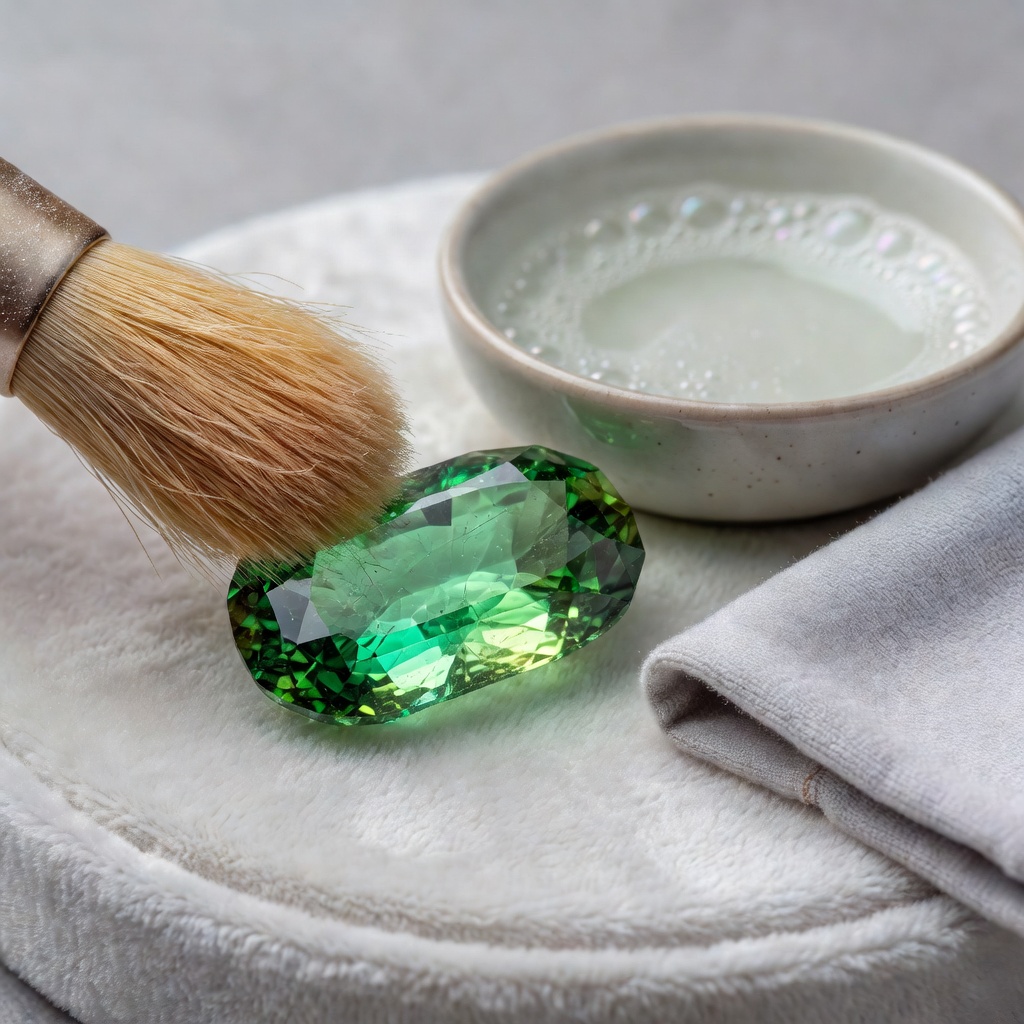
When performed correctly, Cleaning spodumene crystals at home restores their luster without risking chemical or physical damage, provided you adhere to gentle, non-abrasive methods. Prepare a cleaning solution using only lukewarm distilled water mixed with a few drops of mild, pH-neutral dish soap, avoiding tap water which may contain minerals that leave deposits on the stone's surface. Submerge your Hiddenite jewelry or loose specimen for no more than two to three minutes to loosen accumulated oils and debris, then gently scrub with a soft-bristled baby toothbrush or natural camel hair brush, working carefully around prongs and under the stone where dirt commonly collects.
Rinsing thoroughly represents a critical step that many owners overlook, as residual soap film creates a cloudy appearance that mimics surface damage or internal inclusions. Hold the piece under a gentle stream of lukewarm distilled water, rotating it to ensure all soap evacuates from the setting, then immediately pat dry using a lint-free microfiber cloth rather than allowing air drying, which can leave water spots. For intricate vintage settings containing Hiddenite, a collector in Colorado recommends using a bulb syringe to flush water through tight spaces where bristles cannot reach, ensuring complete removal of cleaning solution. Never use paper towels or tissues for drying, as these wood-fiber products can scratch the gemstone's polished surface, compromising its optical performance and reducing its visual depth.
Dangerous Cleaning Methods to Avoid
Understanding what not to do is equally important as knowing proper techniques when it comes to Hiddenite Care and Cleaning, as certain popular cleaning methods can cause catastrophic damage to this sensitive gemstone. Never subject Hiddenite to ultrasonic cleaners or steam cleaning devices, as the intense vibrations can cause existing internal fractures or cleavage planes to expand suddenly, potentially splitting the stone completely, while steam heat creates thermal shock that may shatter the crystal. Similarly, avoid harsh chemical cleaners including bleach, ammonia, acetone-based solutions, or commercial jewelry dips not specifically formulated for spodumene, as these substances can attack the stone's surface, alter its color, or dissolve the adhesives used in certain jewelry settings.
Abrasive cleaning materials pose another significant threat to Hiddenite's polished finish, despite their common recommendation for other household items. Never use toothpaste, baking soda pastes, scouring pads, or ultrasonic jewelry cleaning solutions containing abrasives, as these will create microscopic scratches that accumulate over time, permanently dulling the stone's vitreous luster. Temperature extremes also demand vigilance; avoid cleaning Hiddenite under hot tap water or exposing it to sudden temperature changes, such as moving from a sunny windowsill into an air-conditioned room, as differential expansion within the crystal lattice can induce internal cracking. One unfortunate example involved a jewelry owner who placed her Hiddenite ring in a commercial sonic cleaner for "just thirty seconds," resulting in a clean fracture along a cleavage plane that rendered the previously valuable gemstone suitable only for rough material.
Light and Heat Protection Strategies
Protecting Hiddenite from sunlight and artificial UV sources requires consistent vigilance, as photochromic fading represents one of the most common yet preventable forms of damage to this green spodumene variety. Store all Hiddenite specimens and jewelry in opaque boxes or drawers away from windows, skylights, and display cases with strong LED or halogen lighting, as even indoor lighting can contribute to gradual color degradation over months or years of exposure. When wearing Hiddenite jewelry outdoors, remove pieces before sunbathing, visiting tanning beds, or engaging in prolonged beach activities, as direct sunlight combined with reflective surfaces like sand or water accelerates the fading process significantly.
Heat exposure compounds the risks associated with light damage, potentially affecting the crystal structure and color stability of Hiddenite in ways that may not be immediately visible. Avoid leaving jewelry in hot cars, near heating vents, or on windowsills where greenhouse effects can create temperatures exceeding the stone's stability range. A museum curator specializing in gemstone collections recommends storing valuable Hiddenite in acid-free boxes within dark drawers, checking specimens every three months for any color shifts by comparing them against photographic documentation or unexposed control samples. If you notice your Hiddenite appearing more yellowish or pale than when purchased, immediately remove it from all light sources and consult a gemologist, as early intervention may prevent further irreversible fading, though restoration of lost color is typically impossible without radiation treatments that carry their own risks.
Proper Storage Solutions
Implementing appropriate Hiddenite storage tips ensures your gemstones remain pristine during periods of non-use, protecting them from physical abrasion, environmental humidity fluctuations, and light exposure. Store each Hiddenite piece individually in soft cloth pouches, preferably made of microfiber or velvet, or within separate compartments in a lined jewelry box that prevents contact with harder gemstones like diamonds, sapphires, or even quartz, which could scratch the surface despite Hiddenite's 6.5-7 hardness rating. For loose specimens not set in jewelry, wrap each crystal in acid-free tissue paper before placing in padded mineral boxes, as standard newsprint or colored tissues may contain acids that etch the surface over time or dyes that could transfer to porous areas.
Environmental control plays a crucial role in long-term preservation, as extreme dryness can affect the internal structure of some spodumene varieties, potentially exacerbating existing fractures or creating internal stresses. Maintain stable humidity levels between 40-60% in your storage area, using silica gel packets only if necessary and monitored carefully to avoid excessive drying. A mineral dealer in North Carolina shares that he stores his premium Hiddenite collection in a dedicated cabinet with small humidity indicators, ensuring that the coastal climate doesn't introduce moisture that could affect any adhesive used in display stands while preventing the desiccation common in heated winter interiors. For jewelry boxes with multiple tiers, reserve the softest, most protected compartments for Hiddenite and other cleavage-vulnerable stones, positioning them away from clasps or sharp metal findings that might cause chipping during drawer movement.
Professional Maintenance Protocols
While home care forms the basis of Green spodumene care, establishing relationships with qualified professionals ensures complex maintenance tasks are handled safely and effectively. Schedule annual inspections with a jeweler specifically experienced in colored gemstones, particularly those familiar with spodumene varieties, who can identify early signs of setting wear, prong loosening, or developing fractures that an untrained eye might miss. During these inspections, the professional should check for microscopic chips along facet junctions or girdle edges, common impact points where cleavage vulnerabilities manifest first, and assess whether the stone has loosened in its setting due to normal wear or accidental impacts.
Professional repolishing becomes necessary when surface scratches accumulate beyond what gentle cleaning can remedy, but this process requires specialists familiar with Hiddenite's specific grinding characteristics due to its perfect cleavage. Avoid commercial jewelry dips unless the product explicitly states compatibility with spodumene or kunzite (the pink variety of spodumene sharing similar chemical properties), as these dips often contain chemicals too harsh for this sensitive gemstone. Document any treatments, enhancements, or previous repairs your Hiddenite has undergone, maintaining a care history file that future owners or repair technicians can reference; one estate jewelry specialist emphasizes that knowing whether a Hiddenite has been oiled, fracture-filled, or color-enhanced dramatically changes appropriate care protocols. If your piece requires resetting or major repair, seek jewelers who use laser welding rather than traditional torch soldering when possible, as the localized heat of lasers reduces the risk of thermal damage to the stone compared to open flame techniques.
Troubleshooting Common Issues
Even with meticulous care, Hiddenite owners may encounter appearance changes that require diagnostic skills to address appropriately, distinguishing between normal optical properties and actual damage requiring intervention. If your stone appears cloudy or lacks its usual brilliance, first attempt a thorough rinse with distilled water to eliminate soap buildup or accumulated skin oils, which commonly create a hazy film that mimics internal clarity issues; a soft brush can often restore the original luster immediately. When examining suspected damage, use strong magnification to differentiate between natural inclusions, which typically appear as irregular crystal growths or feather-like patterns internal to the stone, versus new surface damage from impact, which usually manifests as distinct chips, scratches, or step-like fractures following cleavage planes.
Color variations observed when rotating the stone typically indicate pleochroism, a natural and desirable property where Hiddenite displays different shades of green, yellow-green, or near-colorlessness depending on the crystal orientation relative to your eye. However, if the entire stone appears uniformly washed out or significantly lighter than when purchased, particularly after storage in a bright location, this likely indicates photochromic fading rather than pleochroic display. A gemologist in Brazil recounts examining a client's "damaged" Hiddenite that actually showed perfectly normal pleochroism combined with a heavy layer of lotion residue; after proper cleaning, the owner was relieved to discover the vibrant green color remained intact. For any suspected cleavage fractures, indicated by sharp, reflective planes that appear to split the stone's interior, seek immediate professional attention, as these fractures can propagate rapidly with minimal additional stress, potentially splitting the gemstone completely.
Travel Safety for Hiddenite Owners
Transporting Hiddenite requires specialized precautions beyond standard jewelry travel practices, given the stone's vulnerability to impact and its sensitivity to environmental changes during transit. Always pack Hiddenite pieces in hard-sided travel cases featuring individual padded compartments that prevent movement and contact with other items, avoiding soft pouches that provide insufficient protection against crushing forces in luggage compartments. For air travel, carry valuable Hiddenite specimens in your carry-on luggage rather than checked bags, maintaining physical control over the temperature and handling conditions while reducing the risk of loss or theft during baggage processing.
While airport security X-rays generally pose minimal risk to gemstones, including them in the same screening bin as heavy metal objects or placing them directly on the conveyor belt can result in impact damage from shifting luggage; instead, request hand inspection for extremely valuable pieces or ensure they remain within a padded case during screening. Secure appropriate insurance coverage for high-value Hiddenite specimens before international travel, documenting the stones with high-resolution photographs and independent appraisals to facilitate claims if damage or loss occurs. A tourmaline and spodumene dealer traveling to the Tucson Gem Show shares that she never transports her finest Hiddenite crystals in cargo holds, instead wearing her personal Hiddenite pendant or keeping it in a crush-proof case within her personal item, ensuring constant oversight of these fragile yet valuable specimens throughout her journey.
Frequently Asked Questions About Hiddenite Care
Can I Use an Ultrasonic Cleaner to Clean My Hiddenite?
No, ultrasonic cleaners are not recommended for Hiddenite. The vibrations can cause existing internal fractures or cleavages to expand, potentially breaking the stone. Stick to gentle hand cleaning with mild soap and lukewarm water using a soft brush.
Does Hiddenite Fade in Sunlight?
Yes, Hiddenite can exhibit photochromic properties and may fade when exposed to prolonged sunlight or UV radiation. To preserve its vibrant green color, store your Hiddenite jewelry in a dark jewelry box and avoid wearing it during extended outdoor activities or sunbathing.
How Often Should I Clean My Hiddenite Gemstone?
For jewelry worn regularly, perform a light cleaning with a soft cloth after each wear to remove skin oils and dust. Conduct a deeper cleaning with mild soap and water monthly, or whenever the stone appears cloudy or dull. Specimens in storage should be checked and gently cleaned every 3-6 months.
Is Hiddenite Durable Enough for Everyday Ring Wear?
With a Mohs hardness of 6.5-7, Hiddenite is moderately durable but best suited for occasional wear or protective settings like pendants and earrings rather than daily-wear rings. If used in rings, choose protective bezel settings and remove the jewelry during physical activities, cleaning, or hand-intensive work.
Why Does My Hiddenite Look Different Colors From Different Angles?
This is likely pleochroism, a natural property of Hiddenite (spodumene) where the crystal shows different colors—typically green, yellow-green, or colorless—when viewed from different angles. This is normal and desirable. However, if the overall color appears washed out or significantly lighter uniformly, it may indicate light fading.
Can I Shower or Swim While Wearing Hiddenite?
It's not recommended to shower or swim with Hiddenite. Chlorine, salt water, and even soap residue can build up on the stone's surface, dulling its luster. Additionally, sudden temperature changes from hot water can cause thermal shock, and the risk of physical impact against hard surfaces increases.
What Should I Do if My Hiddenite Gets Scratched?
Minor surface scratches can often be polished out by a professional gem cutter or lapidary familiar with spodumene. Do not attempt to buff scratches yourself with abrasive compounds. For deep scratches or chips along cleavage planes, consult a gemologist immediately to prevent further damage.
How Should I Store Loose Hiddenite Crystals Versus Set Jewelry?
Loose crystals should be wrapped in acid-free tissue paper and stored in individual padded boxes away from direct light. Set jewelry should be kept in soft cloth pouches or lined jewelry boxes, separated from harder gemstones like diamonds or sapphires that could scratch the Hiddenite's surface.